Baby & Kids
Best non-toxic sippy cups
The bottle stage ends and plastic often walks straight back in. It does not have to.
Last reviewed October 13, 2026 — Selena H.
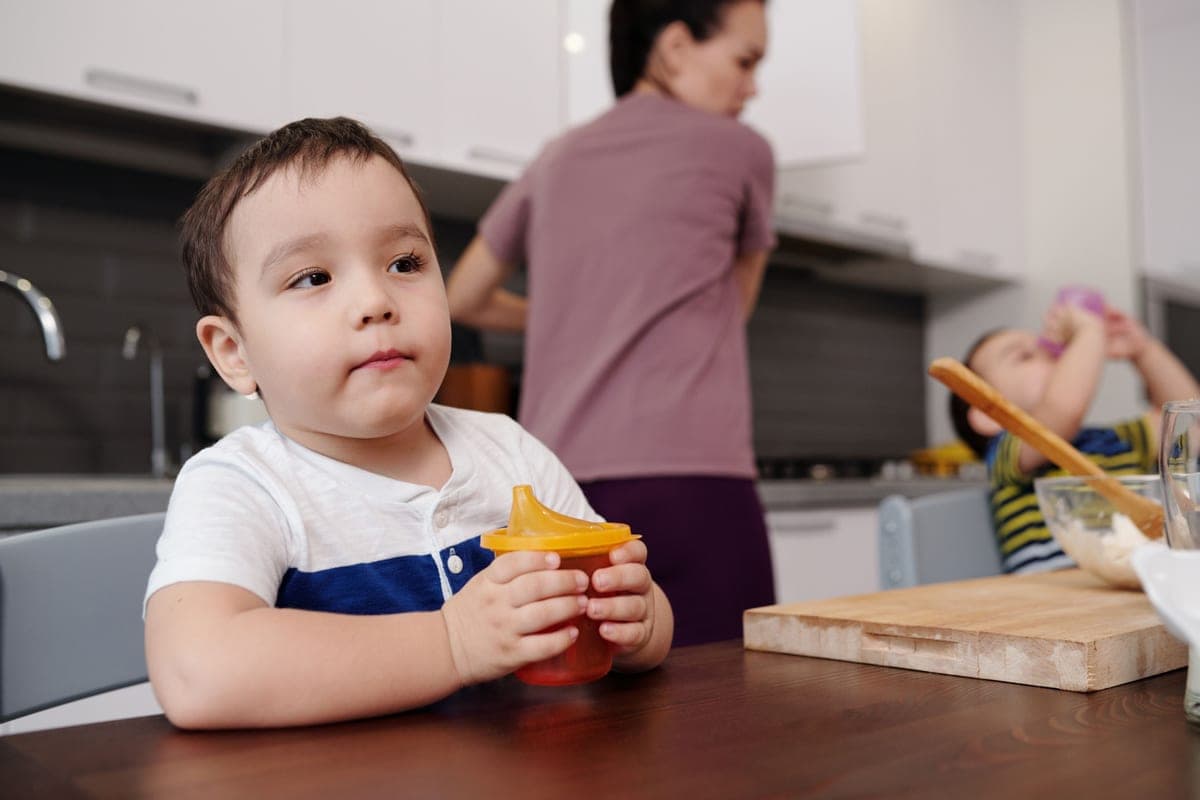
Households that bought glass bottles often go straight back to plastic at the toddler stage, because sippy cups get thrown and the glass ones look like a mistake. That is a reasonable instinct and there are better options than it suggests.
There is also a hygiene problem specific to this category that matters more than the material: straws and valves are hard to clean, and a cup with mold in the straw is a worse day-to-day problem than any polymer question. Choose for cleanability first.
Quick picks
| # | Product | Best for | Material | Price |
|---|---|---|---|---|
| 1 | Pura Stainless Sippy Cup304 stainless with a silicone spout. No plastic, and it cannot break. | Throwing-age toddlers | 304 stainless steel with a silicone spout | |
| 2 | Elk and Friends Glass Toddler CupsGlass cup with a silicone sleeve and a straw lid. | Seeing what is inside | Glass cup with a silicone sleeve and straw lid | |
| 3 |  Philips Avent Natural Glass BottleGlass bottle with a silicone nipple, for the transition period. | The stage before | Borosilicate glass bottle with a silicone nipple | |
| 4 | 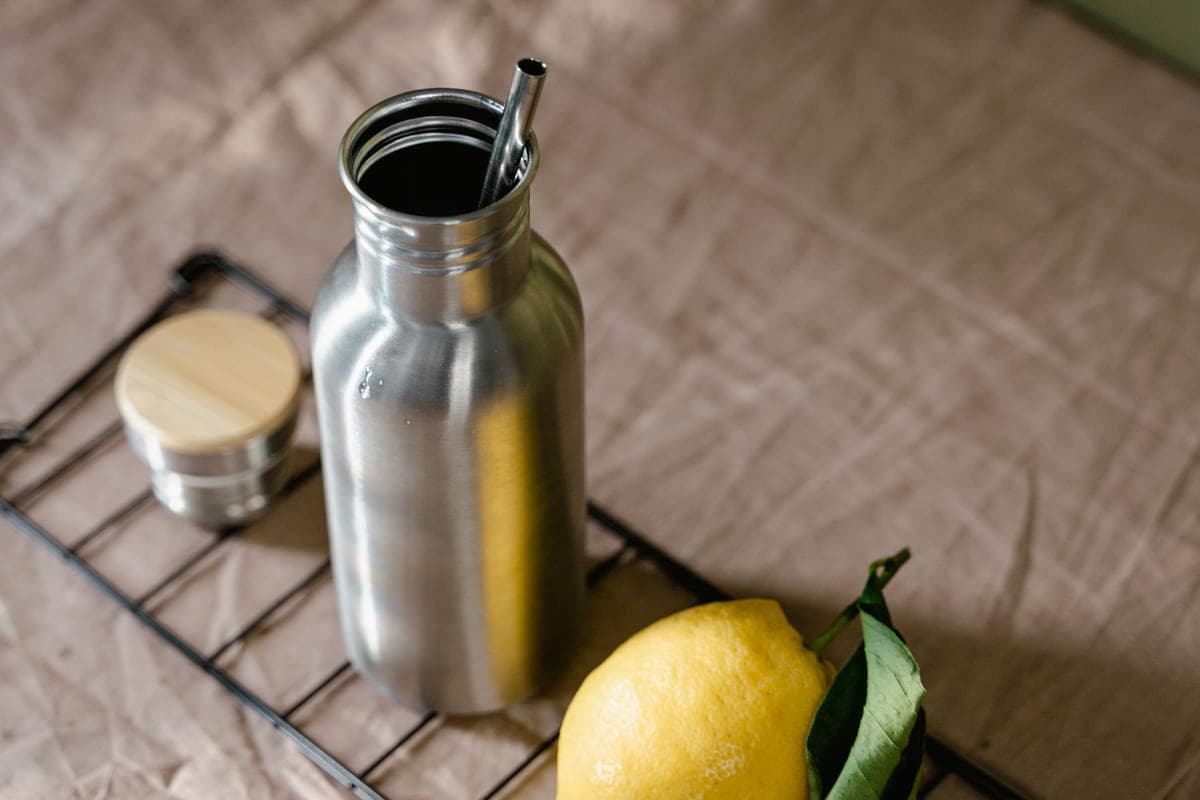 Klean Kanteen Classic Insulated Bottle18/8 stainless with cap options including stainless and bamboo. | Older children | 18/8 stainless steel interior |
Tap a row to jump to that write-up. Prices are not shown on this site because they change — the button sends you to the live Amazon listing.
How we chose these
Stated drink-contact materials, no polypropylene in the drink path, and — the criterion that actually separates good cups from bad ones — a design you can genuinely clean. Cups with narrow necks, sealed valves or non-removable straws did not make the list regardless of material.
We have not used these with a toddler. Leak resistance in real-world use is the thing parents care about most and the thing we cannot assess for you.
The hygiene problem nobody mentions
- Buy a straw brush. A straw cannot be cleaned with a sponge and nothing else works. This is the single most useful thing on this page.
- Disassemble every time. Valves and gaskets are where milk residue sits, and a cup washed assembled is a cup not washed.
- Prefer wide mouths, where a bottle brush actually reaches the bottom.
- Replace straws and valves periodically. They are consumables, and a discolored or slimy straw should be binned rather than scrubbed harder.
- Do not leave milk in a cup. Milk residue in a warm valve is the fastest route to a cup you have to throw away.
Material versus practicality, honestly
Glass lets you see intake and is fully inert. Stainless cannot break and keeps drinks cold. Both are better than polypropylene on the materials question, and both cost several times what a plastic cup costs.
If the realistic alternative is one glass cup that breaks in week two and then a plastic one, buy stainless. A cup that survives the stage in a slightly less inert material beats a broken ideal one, and this is a place where practicality should win.
What we ruled out
Polypropylene cups, for the same reason as the bottles. Any cup with a non-removable straw or a sealed valve, which cannot be cleaned properly. Cups with undisclosed drink-contact materials. And insulated cups with a coated interior, where the coating is undisclosed and the whole point of stainless is that there is no coating.
The picks in full
1. Best for Throwing-age toddlers
Pura Stainless Sippy Cup
304 stainless with a silicone spout. No plastic, and it cannot break.
- Made of
- 304 stainless steel with a silicone spout
- Certified to
- Manufacturer claimManufacturer claim; no third-party certification published.
- Drink contact
- Stainless and silicone
- Plastic
- None
- Grows with the child
- Spout, straw and sport-top swaps
The sensible answer for the stage where cups get thrown: inert stainless with a silicone spout, nothing to shatter, and a system where the same bottle takes a spout, a straw or a sport top as the child grows. Wide mouth means you can actually get a brush into it.
What you give up
You cannot see what is inside or how much is left, and stainless dents. It also costs more than a supermarket plastic cup by a wide margin.
Who it's for
Toddlers who throw things, and households that want one cup to last through several stages.
Who should skip it
Anyone who wants to see the contents, or who needs several cheap cups.
2. Best for Seeing what is inside
Elk and Friends Glass Toddler Cups
Glass cup with a silicone sleeve and a straw lid.
- Made of
- Glass cup with a silicone sleeve and straw lid
- Certified to
- Manufacturer claimManufacturer claim; no third-party certification published.
- Drink contact
- Glass and silicone
- Sleeve
- Silicone, protects against drops
- Note
- Still breakable on tile
Glass with a protective silicone sleeve, which survives normal table use and lets you see what and how much the child is drinking. The drink path is glass and silicone, and it works as a regular small glass once the lid comes off, so it outlasts the sippy stage.
What you give up
It still breaks on tile — a sleeve helps with table drops, not with a hard throw. Straw lids need a brush and genuine attention or they grow mold.
Who it's for
Table and highchair use, and parents who want to monitor intake.
Who should skip it
Cups that go in a bag or get thrown across a room.
3. Best for The stage before
Philips Avent Natural Glass Bottle
Glass bottle with a silicone nipple, for the transition period.
- Made of
- Borosilicate glass bottle with a silicone nipple
- Certified to
- Manufacturer claimManufacturer claim; no third-party certification published.
- Milk contact
- Glass and silicone
- Plastic
- Collar ring only
- Risk
- Breakable. Use a sleeve
Included because the transition overlaps: many households run bottles and cups side by side for months. Keeping the bottle glass during that window keeps the whole drink path consistent.
What you give up
Breakable and heavy, and it is a bottle rather than a cup.
Who it's for
The overlap period.
Who should skip it
Children past bottles entirely.
4. Best for Older children
Klean Kanteen Classic Insulated Bottle
18/8 stainless with cap options including stainless and bamboo.
- Made of
- 18/8 stainless steel interior, stainless or bamboo cap
- Certified to
- Manufacturer claimManufacturer claim; no third-party certification published.
- Water contact
- 18/8 stainless, uncoated
- Cap
- Stainless or bamboo options
- Note
- Avoid the plastic-lined sport caps if that matters to you
Once a child is past spouts, this is the long-term answer: an uncoated stainless interior with cap choices that are not plastic, in a bottle that will last through school. It is the same materials logic applied to the stage after sippy cups.
What you give up
Too big and heavy for a toddler, and the sport caps are polymer if you choose those.
Who it's for
School-age children.
Who should skip it
Toddlers, who need a spout or straw.
How we chose, and what we did not do
Every product on this page was checked against its published material composition and its third-party certifications, with each claim labeled as certified, manufacturer-stated or independently tested by a named party. We do not run a lab and we do not claim to have used these products — the full method is here.
Questions people actually ask
What is the safest sippy cup material?
Stainless steel or glass with a silicone spout or straw. Both avoid polypropylene in the drink path. Stainless cannot break; glass lets you see the contents.
How do I clean a straw cup properly?
With a straw brush, every time, and with the cup fully disassembled. A straw cannot be cleaned any other way, and valves are where residue collects.
Are silicone spouts safe?
Silicone is heat-stable and is the standard material for spouts and straws. Look for platinum-cured where the brand states it, and replace any part that is discolored, sticky or torn.
Is glass too risky for a toddler?
For table and highchair use with a silicone sleeve, usually not. For a cup that goes in a bag or gets thrown, stainless is the realistic choice — and a cup that survives beats an ideal one that breaks.
Sources
- Li et al. (2020), Microplastic release from the degradation of polypropylene feeding bottles during infant formula preparation, Nature Food — Trinity College Dublin record
- Stasher (manufacturer)
- US EPA — Our Current Understanding of the Human Health and Environmental Risks of PFAS — Regulator overview of PFAS persistence and health endpoints
- Food Packaging Forum — study summary: microplastics release from baby bottles
Read next
Baby & Kids
Best non-toxic baby bottles
Glass and stainless bottles that avoid the polypropylene microplastics route, with the study explained.
Baby & Kids
Glass vs silicone baby bottles
Glass against silicone bottles: inertness, breakage, weight and what the microplastics study actually found.
Baby & Kids
Microplastics in baby feeding: what was measured
The Trinity College Dublin bottle study, what it measured, what it did not, and the four practical responses.
Pets & Fitness
Best non-toxic water bottles
Stainless and glass bottles with cap options that are not plastic — the part most buyers overlook.
Written by Selena H., owner of Glass & Cotton.