
comparison
Caraway vs Our Place: which is actually the safer buy?
Caraway's set versus the Always Pan: oven rating, disclosure and how many vessels you actually want.
Comparisons
If you are weighing two specific products, you are closer to deciding than anyone else on this site. These pages are built for that moment.
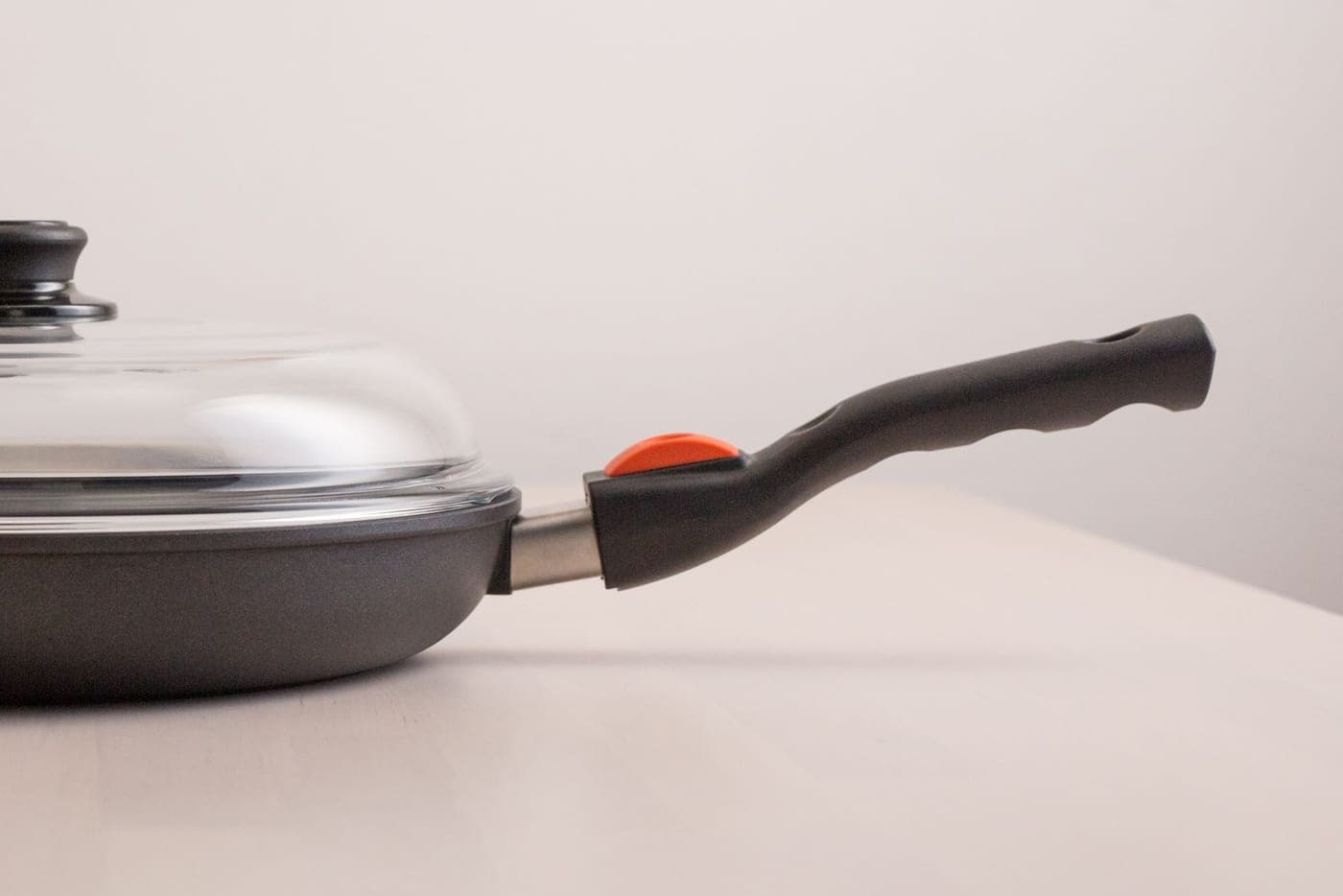
Start here
The decision almost everyone in this category is actually making, and the one where the right answer depends entirely on what you cook rather than on which is safer.
Head-to-head pages exist because the roundup format fails at a specific moment. A reader who has narrowed it to two products does not need a ranked list of eight; they need the two differences that decide it, and they need them before the scroll.
So every page in this namespace opens with the verdict — who should buy which, in sixty to a hundred words — then a spec table, then the dimensions where the two genuinely diverge, then a third option if one is better than both. The conclusion is never withheld to make you read.
We also compare materials, not just brands, because half the real decisions in this category are material decisions wearing a brand costume. Ceramic versus stainless, enameled versus bare cast iron, glass versus silicone for a baby bottle, powder versus liquid detergent — each is a genuine fork with a defensible answer on both sides.
Because almost nobody publishes these. The brands will not compare themselves to a direct competitor, and most publishers find roundups easier to produce at volume. That leaves the highest-intent query in the category — "X vs Y" — answered mainly by forum threads and by affiliate pages that compare a product to one it obviously beats.
The comparisons here include ones that are unflattering to our own top picks, because a comparison you cannot lose is not a comparison.
Read down the material row first, then the certification row, then the lifespan row. Those three decide most of these questions. Oven temperature, piece count and whether the handles are riveted matter less than the internet suggests, and they are the rows brands compete on hardest precisely because they are cheap to win.
If both sides of a comparison have the same material and the same certification position — which happens more than you would think — then you are choosing on price, handle feel and warranty, and we will say so rather than inventing a distinction.
comparison
Caraway's set versus the Always Pan: oven rating, disclosure and how many vessels you actually want.

comparison
Caraway versus GreenPan on coating, heat rating and track record — and which difference actually matters.
comparison
Ceramic coating versus a PTFE hybrid — the one comparison on this site with a one-sentence answer.
comparison
Premium versus budget ceramic coating, and whether the disclosure gap justifies the price gap.

comparison
Tri-ply versus 5-ply uncoated stainless — track record against construction, with neither having a coating.
comparison
The category's central decision: a consumable coating against a measured trace metal transfer.

comparison
Bare versus enameled cast iron: iron transfer, acidic cooking, searing and maintenance.

comparison
Organic cotton against linen on feel, temperature regulation, lifespan and certification.

comparison
Natural latex against polyurethane memory foam on certification, off-gassing and flame retardants.
comparison
What vinegar actually cleans, what it cannot disinfect, and where a formulated product earns its price.
comparison
Why powder formulas are shorter, why liquids need more additives, and which to choose for how you wash.
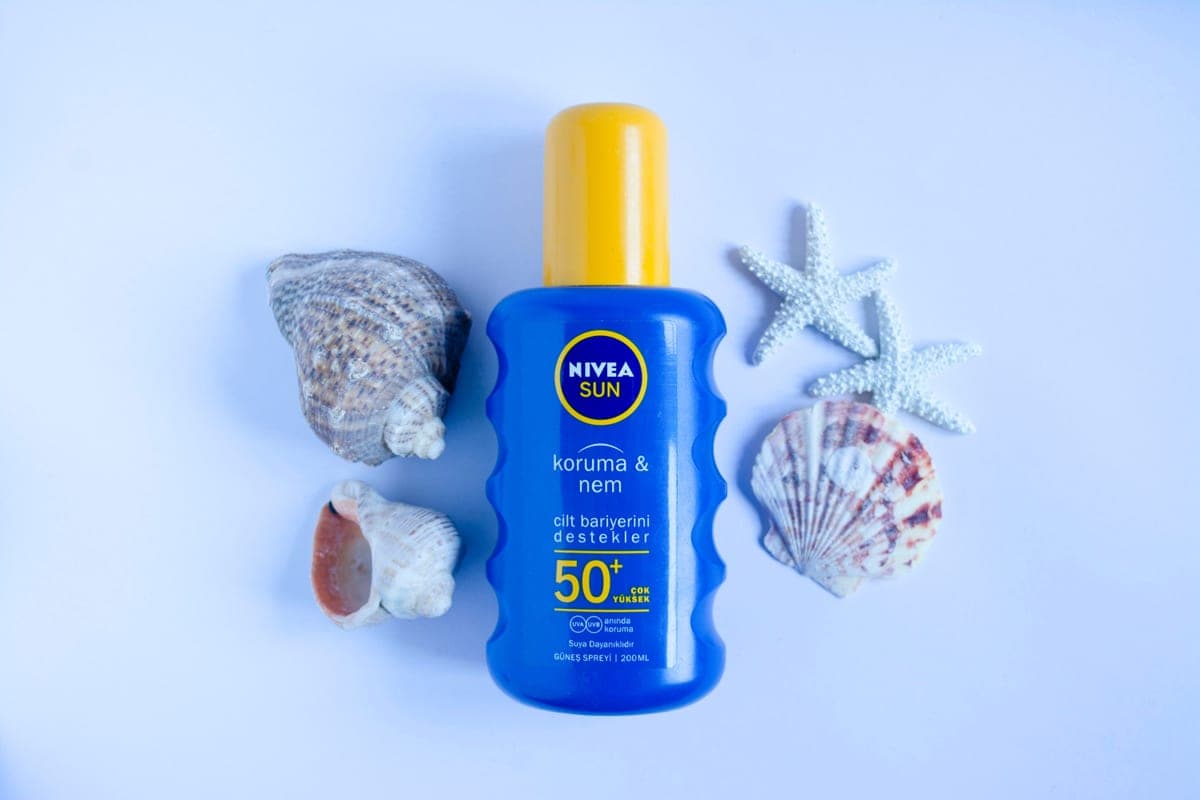
comparison
The FDA's 2021 GRASE positions on each sunscreen active, and what the white cast actually costs you.
comparison
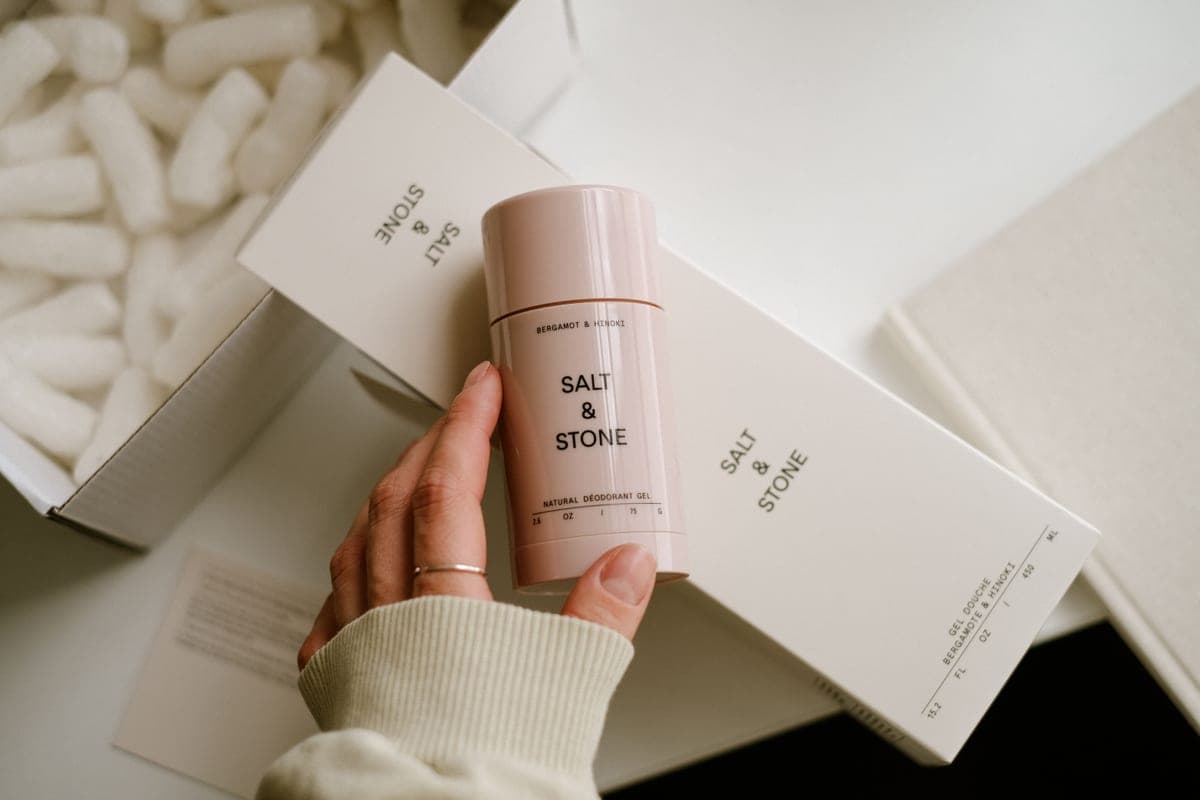
Why deodorant and antiperspirant are different product classes, and what switching actually involves.

comparison
Glass against silicone bottles: inertness, breakage, weight and what the microplastics study actually found.

comparison
Wood against plastic on materials and finishes, and why the age label outranks both.
comparison
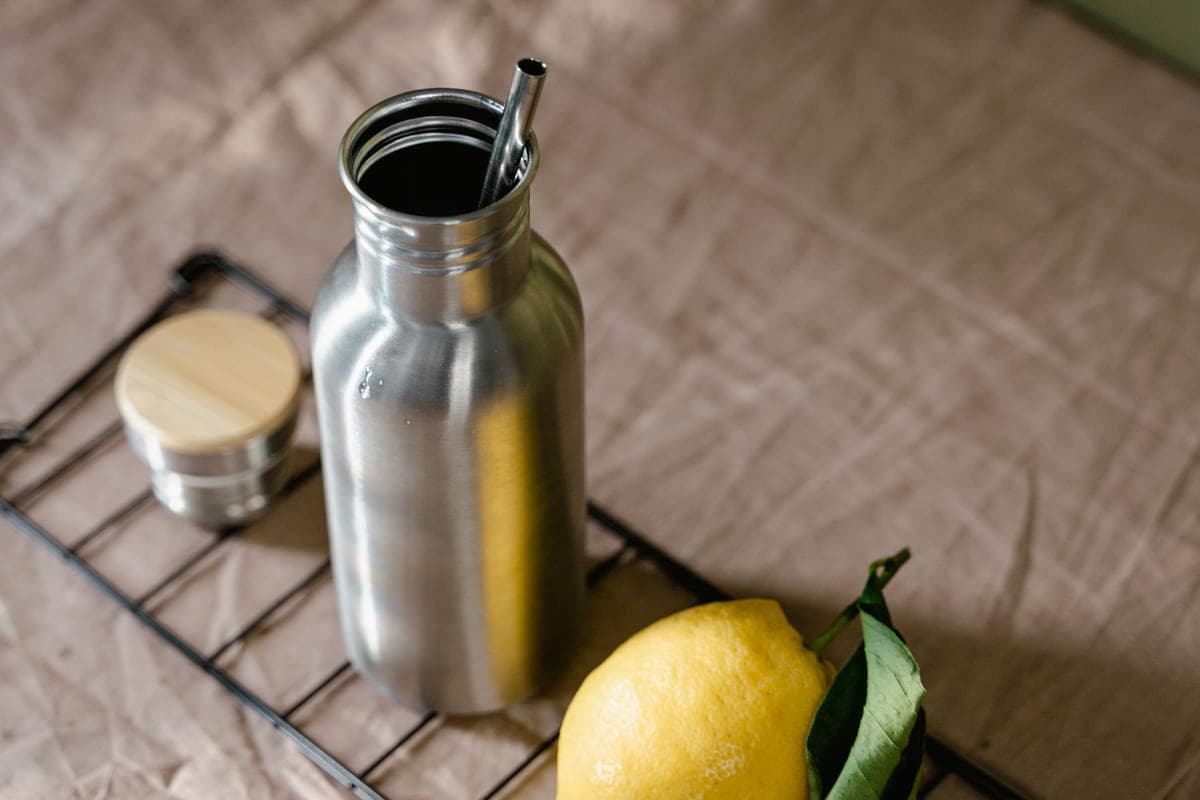
Stainless against glass on inertness, weight, insulation — and the plastic cap that undermines both.

comparison
Natural rubber against TPE on grip, disclosure, latex and lifespan — with the PVC elephant named.
Because that is the question you came with. Burying a verdict under 2,000 words increases time on page and wastes yours. Every comparison here opens with who should buy which, then shows the working.
Yes, routinely. A product can be worth comparing because people are actively considering it, and the useful page explains the trade-off rather than refusing to discuss it.
No. They compare published material compositions, certification positions and manufacturer specifications, with every source linked. We do not claim to have cooked on, slept on or worn anything on this site.