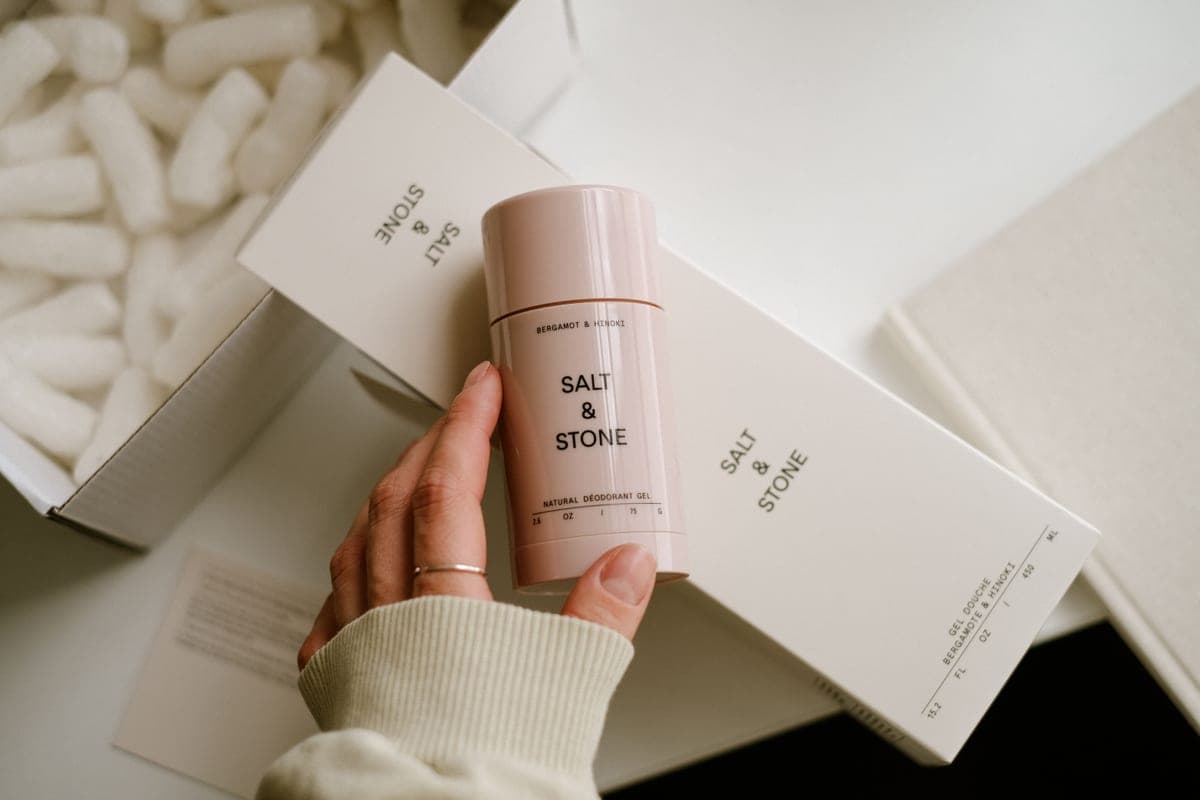
Best deodorant
Best non-toxic deodorants
Aluminum-free deodorants that work, the two-week adjustment, and the baking-soda irritation problem.
Beauty & Grooming
Everything here is applied to skin on purpose, daily, and almost none of it is reviewed before it goes on sale.
Start here
It goes on thin skin, every day, and the switch costs about ten dollars. It is also the swap most likely to need two tries, so start here while the stakes are low.
US cosmetics are not pre-approved before sale. Ingredient lists are required and are genuinely useful, but "clean", "non-toxic" and "dermatologist-approved" carry no definition at all, and the one category exception — sunscreen, regulated as an over-the-counter drug — is the one where most people assume the least regulation.
That makes this section mostly about reading. An INCI list is ordered by concentration down to one percent, so position tells you something. Actives on a sunscreen are declared with their percentages. And "fragrance" or "parfum" is a single word standing in for a mixture, by a rule FDA states plainly: fragrance formulas are treated as trade secrets, so they do not have to be itemized.
We are not interested in scaring anyone off their moisturizer. The useful work here is narrow: pick the products with the shortest, most legible lists in the places where contact is daily and skin is thin, and stop paying attention to the rest.
In its 2021 proposed order, FDA said sunscreens containing zinc oxide and titanium dioxide would be classified as GRASE — generally recognized as safe and effective. For twelve other widely used actives, including oxybenzone, avobenzone, homosalate, octinoxate, octisalate and octocrylene, the agency said more safety data are needed before it can make a final determination. Two ingredients, PABA and trolamine salicylate, were proposed as not GRASE.
"More data needed" is not the same as "unsafe", and it is important not to translate it into one. But if you want to buy the option the regulator has already put in the settled column, that option is a mineral sunscreen with zinc oxide or titanium dioxide as the active — and the trade-off, every time, is a white cast. Any mineral formula that leaves no cast has achieved that with tinting or particle engineering, not magic. Mineral versus chemical lays out both sides.
An antiperspirant uses an aluminum salt to temporarily plug the sweat duct and is regulated as an over-the-counter drug. A deodorant addresses odor and does nothing about sweat. "Aluminum-free antiperspirant" is therefore not a thing, and a natural deodorant that promises dryness is overpromising.
The practical consequence is that switching is a real adjustment and the first two weeks are the worst of it. Baking soda, which is the active odor control in many natural sticks, also causes irritation in a meaningful minority of people — which is why most brands now sell a sensitive version without it. Aluminum-free versus antiperspirant is the honest version of this comparison.
Two places, mostly. Traditional "glide" dental floss has been made from PTFE — the same fluoropolymer family as non-stick coatings — and silk or woven polyester alternatives exist that are not fluoropolymers at all. And long-wear cosmetics have historically used fluorinated ingredients for water resistance and slip, declared under names most shoppers will not recognize.
The fix in both cases is a label check rather than a brand change: look for "PTFE", "polytetrafluoroethylene", and ingredient names starting with "perfluoro" or "polyfluoro". PFAS in cosmetics lists the terms, and PFAS-free floss covers the floss specifically.
Best deodorant
Aluminum-free deodorants that work, the two-week adjustment, and the baking-soda irritation problem.
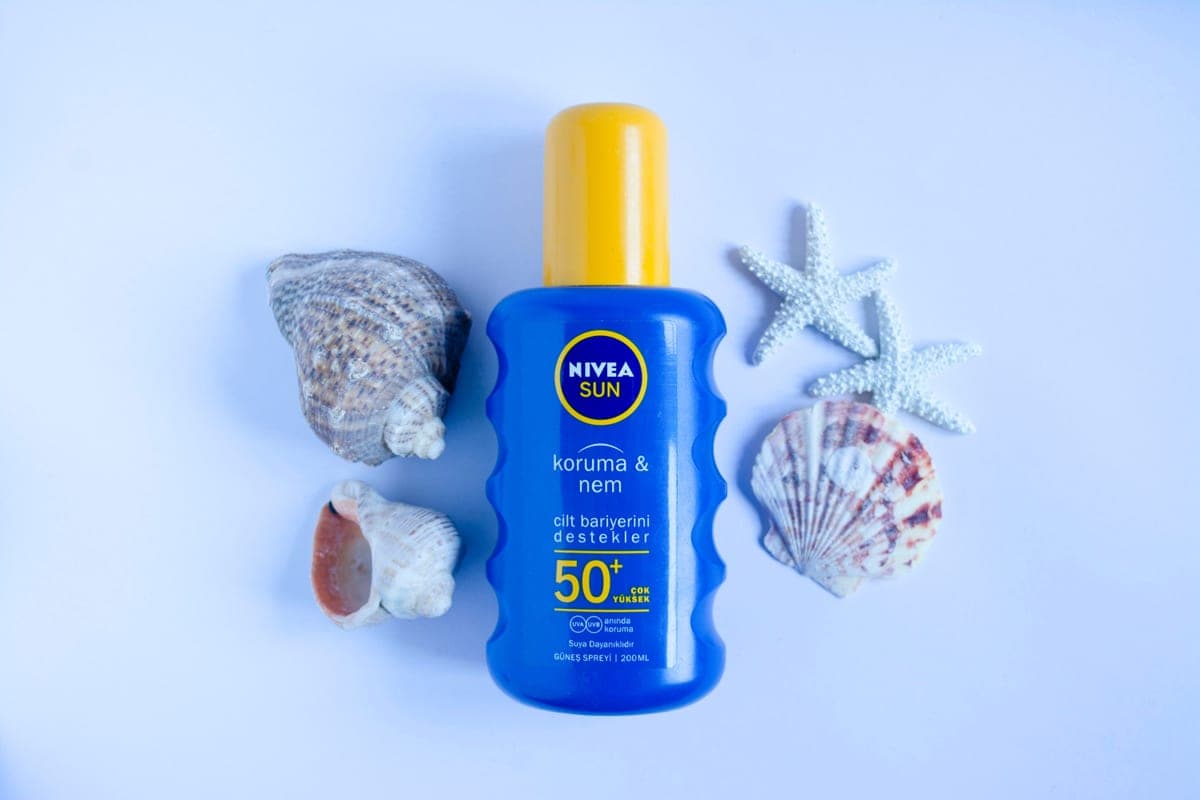
Best sunscreen
Mineral sunscreens using the actives FDA proposed as GRASE, with the white cast stated plainly.
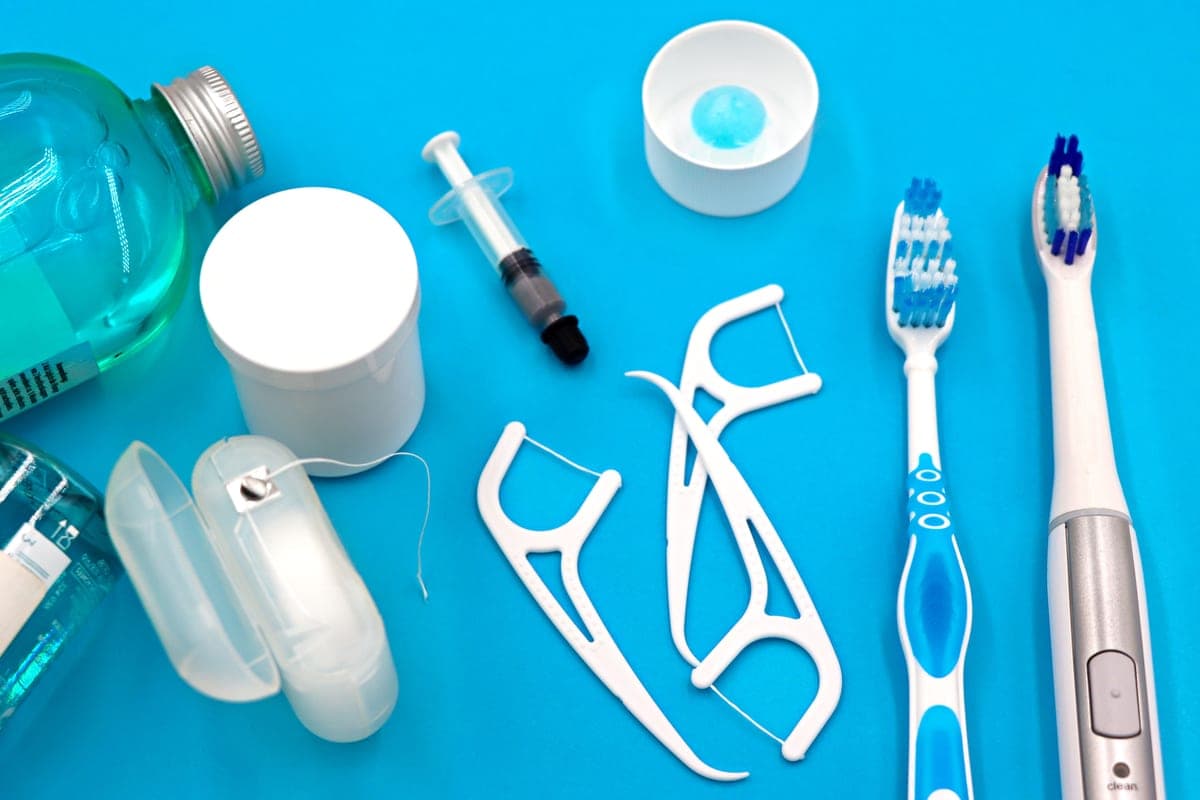
Best floss
Silk and woven floss alternatives to PTFE glide floss, with the fiber stated for each.
Beauty & Grooming
The FDA's 2021 GRASE positions on each sunscreen active, and what the white cast actually costs you.
Beauty & Grooming
Why deodorant and antiperspirant are different product classes, and what switching actually involves.
Beauty & Grooming
How INCI ordering works, what one word can conceal, and the five checks worth making.
Beauty & Grooming
What parabens and phthalates each do, how the evidence differs, and how to find them on a label.
Beauty & Grooming
The fluorinated ingredient names that appear in cosmetics, which products carry them, and how to check.
It is the option FDA has already proposed as generally recognized as safe and effective. Zinc oxide and titanium dioxide were classified GRASE in the 2021 proposed order, while twelve other common actives were flagged as needing more data. That is a regulatory status difference, not evidence that the others are harmful.
No. Blocking sweat is what an aluminum-salt antiperspirant does, and it is regulated as an over-the-counter drug for that reason. A deodorant without aluminum addresses odor only, and expecting dryness from it guarantees disappointment.
Search the list for "PTFE", "polytetrafluoroethylene", and any ingredient beginning "perfluoro" or "polyfluoro". They appear most often in long-wear, waterproof and high-slip products.
Next swap
Baby & Kids