
Best overall
Best non-toxic cookware of 2026 — certification-checked picks
The flagship roundup: six cookware options sorted by material, each with its published composition and certification position.
Kitchen & Cookware
Heat, acid and abrasion are what move a material into food. Nothing else in the house does all three, three times a day.
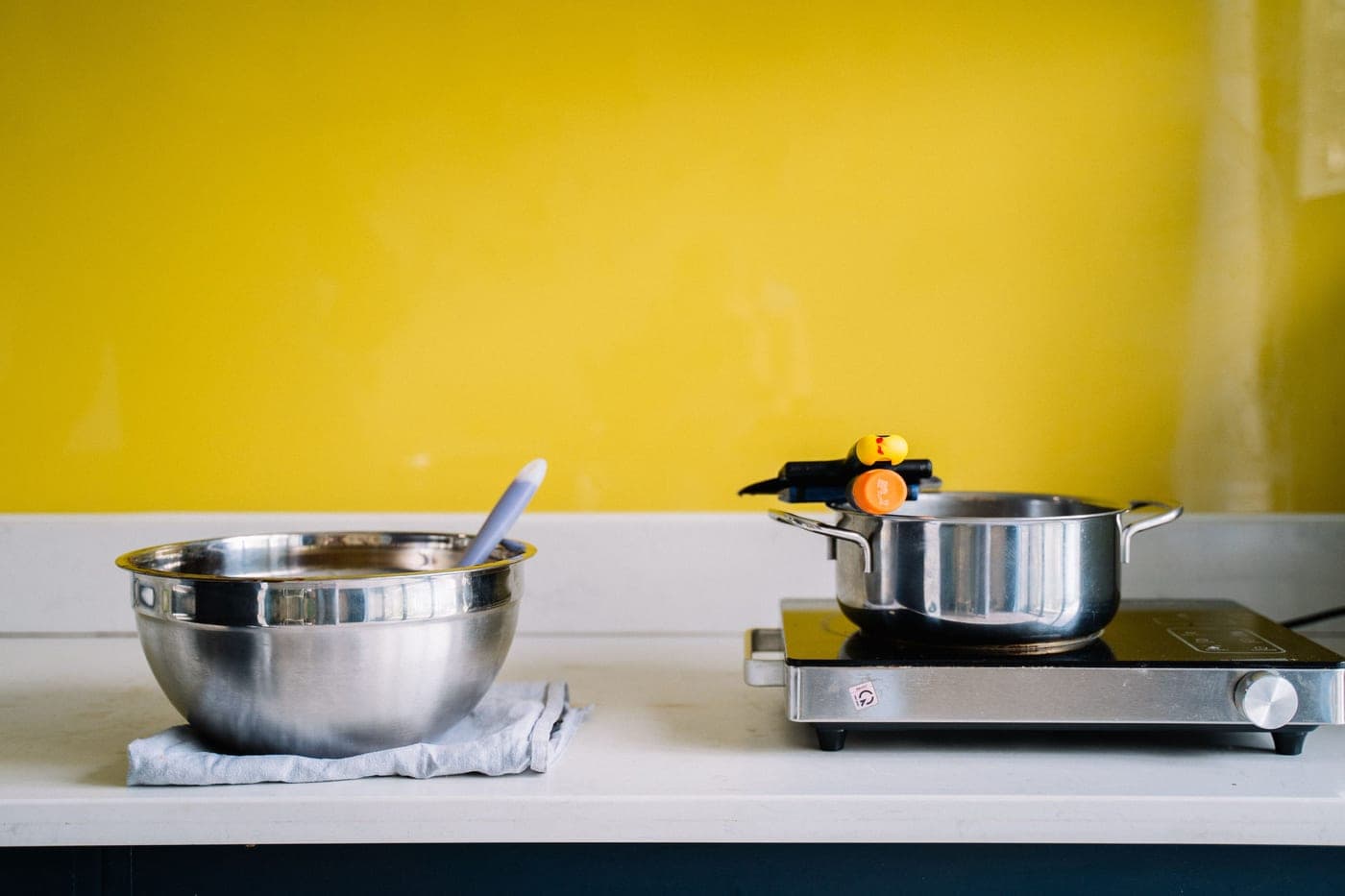
Start here
The pan you reach for every day does more cooking than the rest of the set combined. Replace that one first, keep cooking in what you own, and decide the rest later.
If you only change one room, change this one. The kitchen is the only place in the house where a surface is heated past 400F, scraped with metal, and then left in contact with acidic food for an hour — and those three conditions are exactly what moves a coating or a metal into what you eat. A shower curtain off-gasses. A frying pan transfers.
That does not make every pan a hazard, and we are not going to pretend it does. What it means is that the kitchen rewards specificity. "Non-toxic" is a marketing word with no legal definition; the useful questions are narrower. What is the cooking surface actually made of? What happens to it at the temperature you cook at? Who, other than the company selling it, has tested it — and against which standard?
Those three questions decide every pick in this section. Where a brand publishes its material composition, we quote it. Where the only evidence is the brand's own marketing page, we say "manufacturer claim; no third-party certification published" and leave it to you. We do not run a lab and we do not claim to have cooked on these for a season.
Four things actually move material into food, and they are worth separating because the fix for each is different.
There is no single safest material, and any site that tells you otherwise is selling something. There is a safest material *for a given job*, which is a different and more useful claim. The full comparison lives in the material-safety table; the short version:
Replacing a kitchen at once is expensive and mostly unnecessary. Ranked by how much cooking the item actually does and how likely its surface is to be degrading:
We have not cooked on these products. There is no test kitchen behind this site and no months-of-use verdict, because inventing one would be the easiest lie to tell and the hardest for you to check. What we do instead is read the published composition, look for a named third-party certification, record what the brand declines to disclose, and show you all three. The method is written out in full on how we choose.
We also will not quote prices. Prices change daily and a stale number on a review page is worse than no number, so every pick here links straight to the live Amazon listing instead. That link is an affiliate link and it is how this site is funded — see the affiliate disclosure.
Best overall
The flagship roundup: six cookware options sorted by material, each with its published composition and certification position.
Best set
Sets compared on piece-by-piece composition, plus the honest arithmetic on set versus separates.
Best brand disclosure
Cookware brands ranked on disclosure quality: published composition, named standards, and what each declines to say.

Best US-made
US-made cookware with published composition, and an honest account of what domestic manufacture does and does not prove.
Best for gas
Cookware chosen for how it behaves on a gas flame: high heat, hot spots, and flame licking the sides.
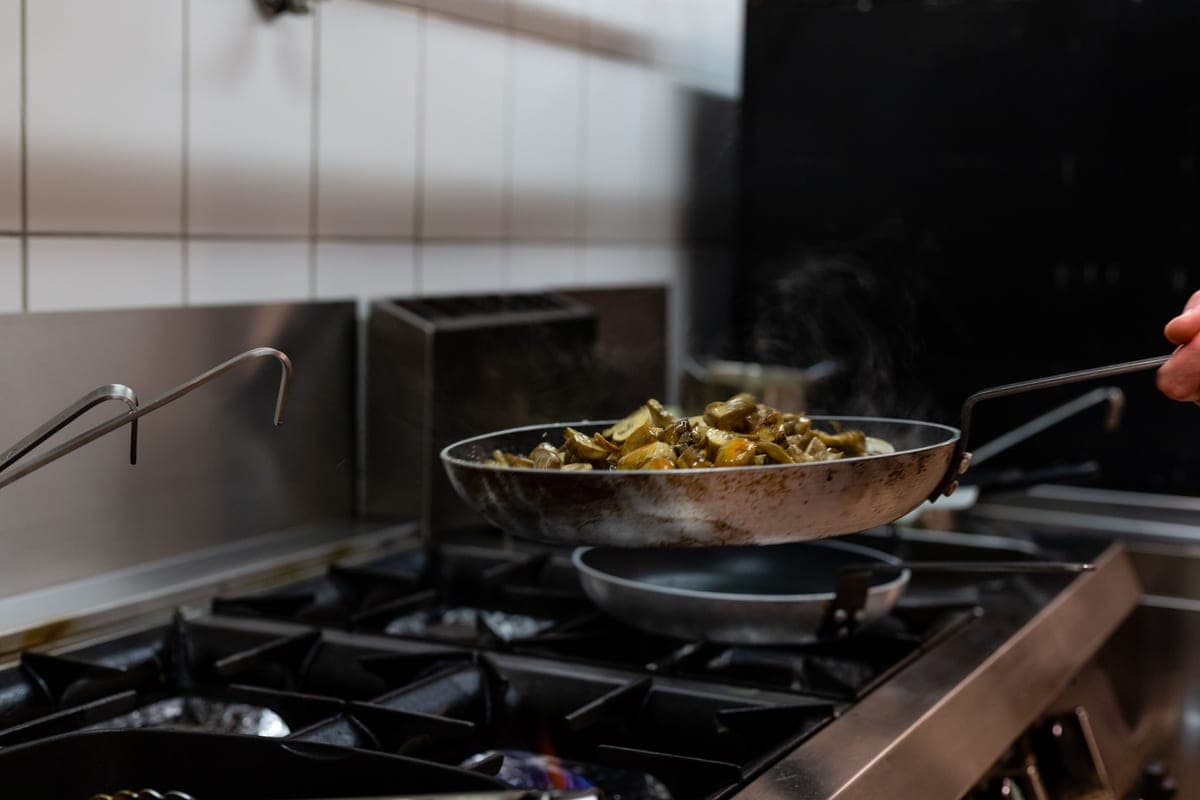
Best frying pan
Five frying pans compared on cooking surface, heat limit and lifespan — the highest-value single swap in the kitchen.
Best PFAS-free
Cookware with no fluoropolymer anywhere, plus a plain explanation of why the PFAS-free label is unregulated.
Best budget pick
Uncoated cookware under $50, and the cost-per-year arithmetic that makes it cheaper than coated sets.

Best PTFE-free nonstick
PTFE-free nonstick pans compared on heat rating, disclosure and realistic coating life.
Best stainless set
Clad stainless sets compared on ply construction and steel grade, with the nickel leaching evidence stated plainly.
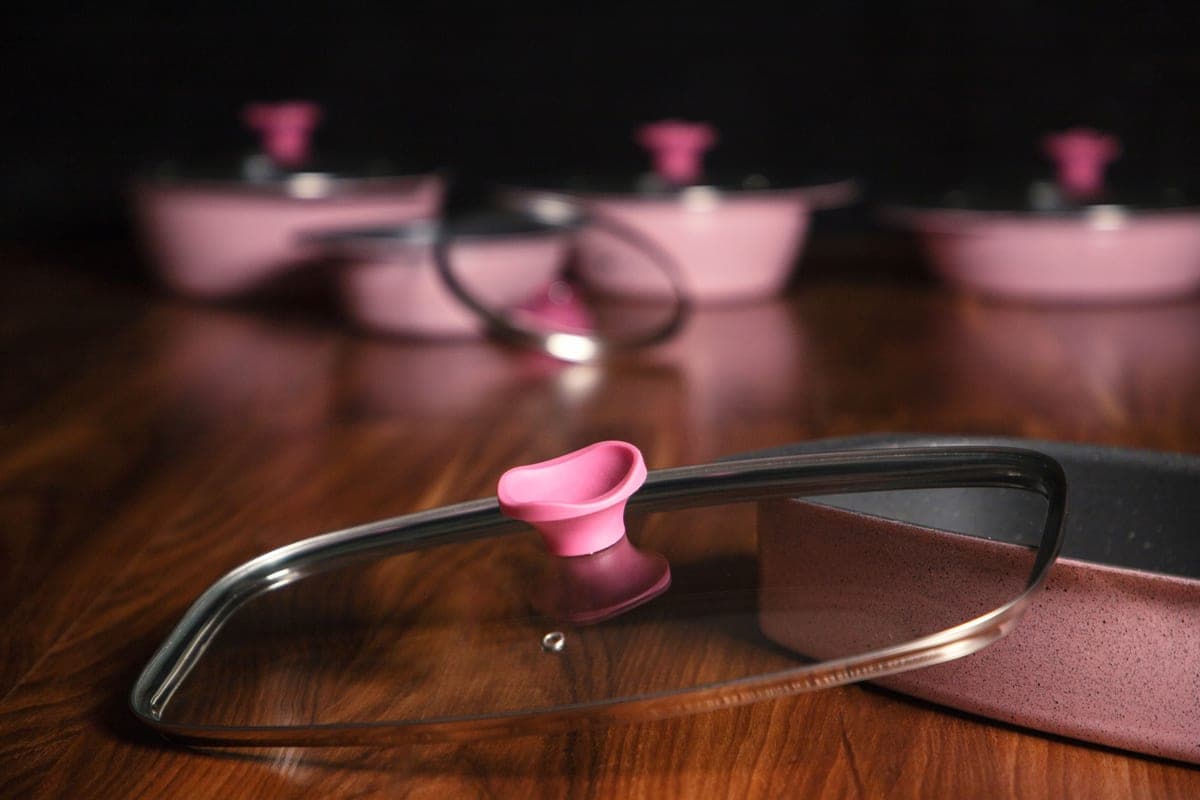
Best ceramic set
Ceramic sets compared, with the coated-versus-solid distinction made explicit and the real lifespan stated.
Best for induction
Induction-compatible cookware with published materials, and the magnet test that settles compatibility in two seconds.
Best for electric
Cookware for electric coil and glass-top stoves: flat bases, thermal mass, and the scratch question answered.

Best utensils
Wood, stainless and platinum-cured silicone utensils compared — the cheapest meaningful kitchen swap.
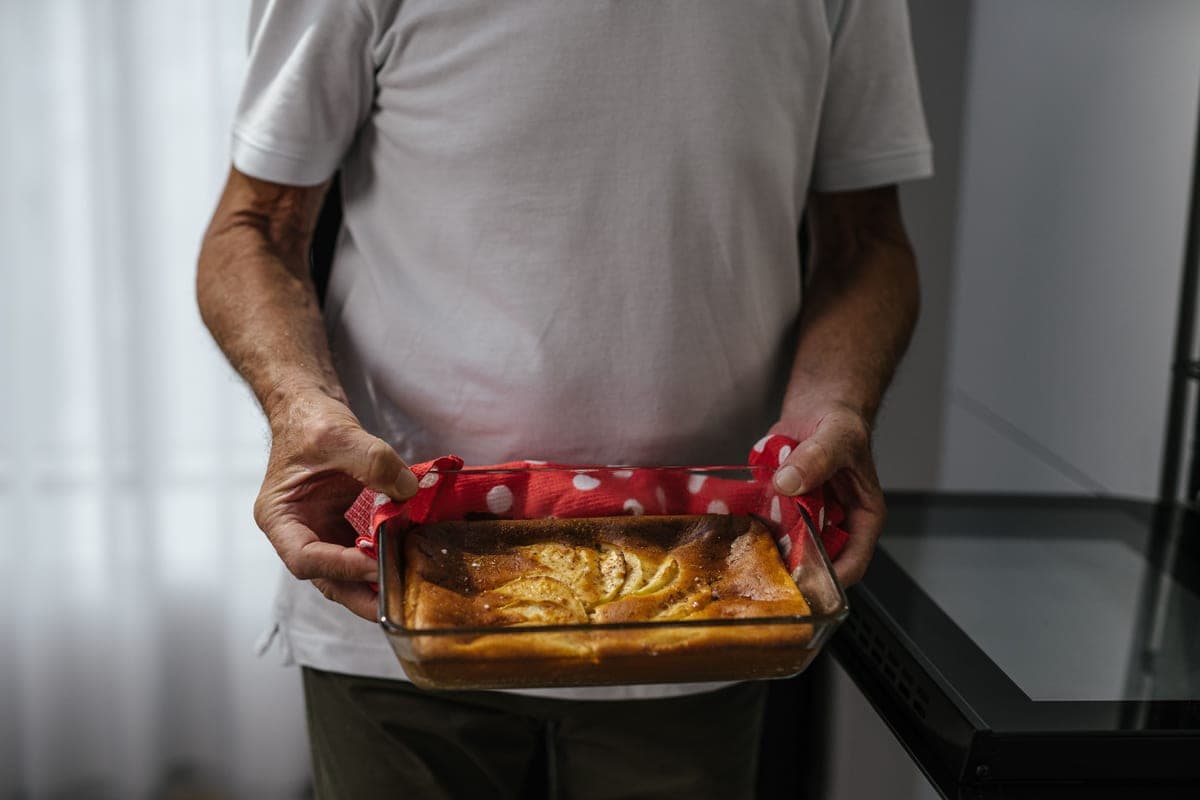
Best bakeware
Glass, stoneware, bare aluminum and cast iron bakeware — the category where uncoated is also the better product.
Best food storage
Glass, silicone and stainless storage compared, with the cheapest route out of plastic.
Best air fryer
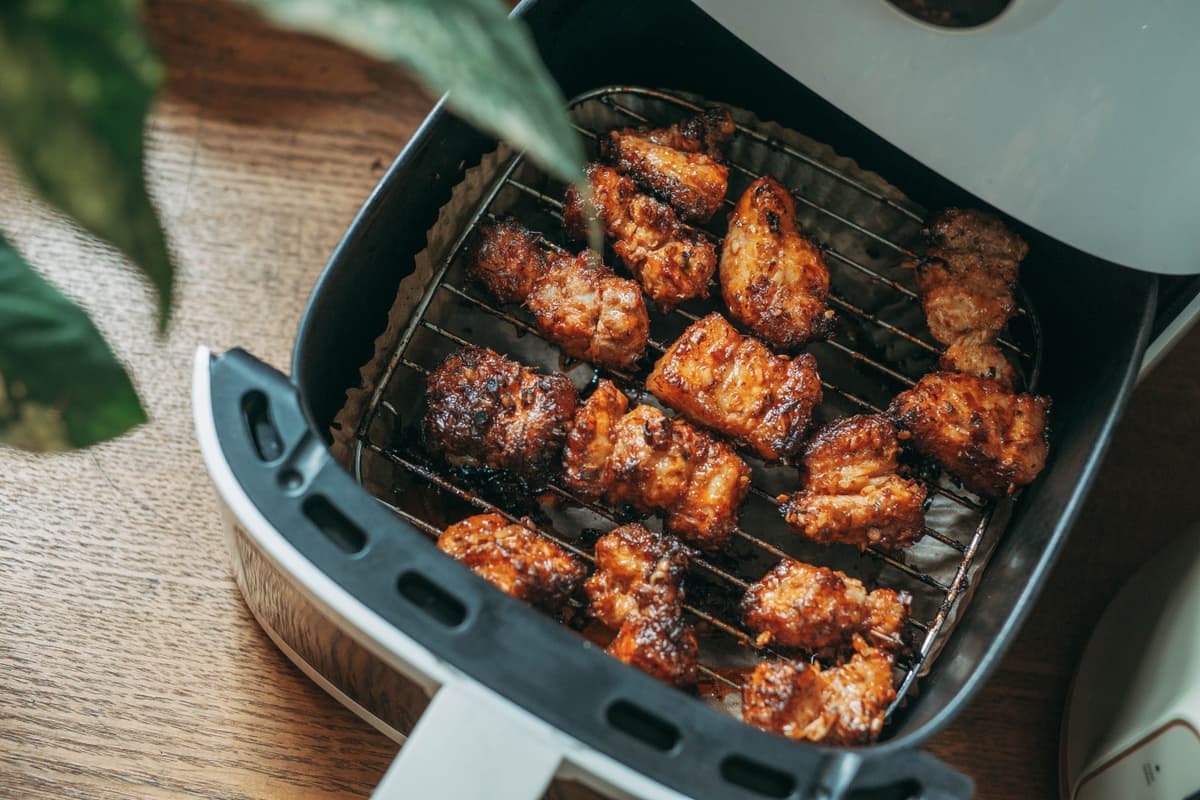
Air fryers assessed on what the basket is actually coated with, plus the oven-format route that avoids one.

Best coffee maker
Coffee makers ranked by how little plastic the hot water touches, from zero-plastic manual brewers up.

Best kettle
Stovetop and electric kettles compared on what the water actually touches, not what the body is skinned with.
Best cutting board
Maple, walnut, teak and composite boards compared on material, care and the plastic-shedding question.
Best water filter
Filter pitchers compared on their actual NSF/ANSI certified claims, with the retired P473 standard explained.

Best rice cooker
Stainless-inner-pot rice cookers and the multicooker workaround, with the stickiness trade-off stated.
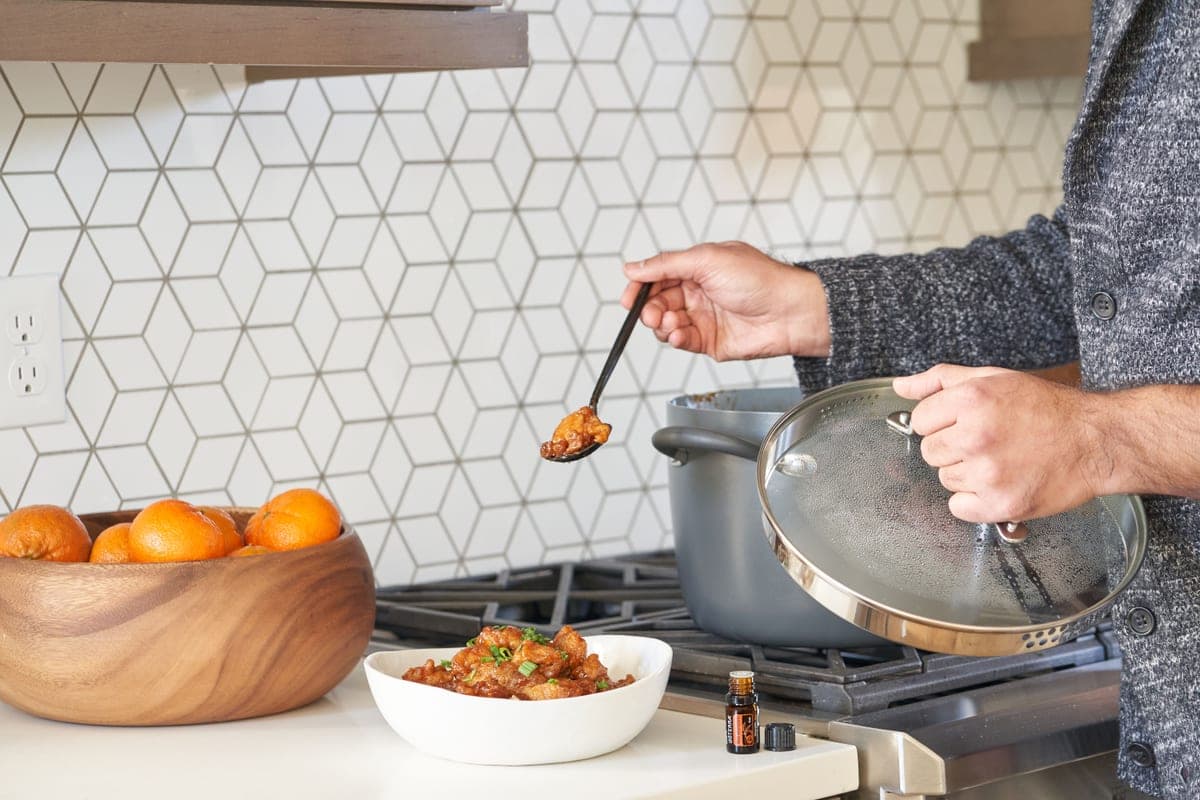
Best slow cooker
Slow cookers compared on insert material — glazed stoneware, clay and stainless — for the longest hot contact in the kitchen.
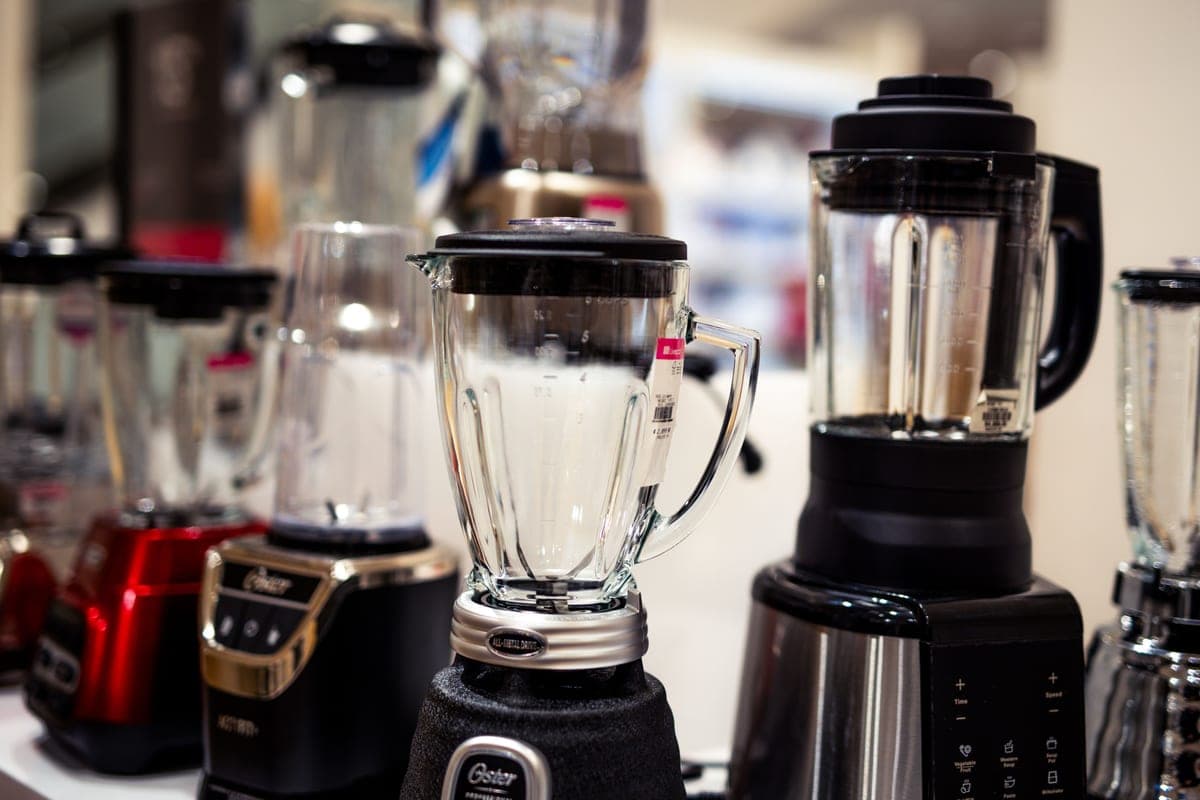
Best blender
Glass-jar and stainless-container blenders compared, plus an honest read on Tritan copolyester.
Best gift
Gifts for a lower-tox kitchen that work without knowing the recipient's cooktop or cupboard space.
Kitchen & Cookware
PFAS, PFOA and PTFE separated with sources, plus what the labels can and cannot promise.
Kitchen & Cookware
What the evidence actually says about PTFE: normal use, overheating, scratched pans, and birds.
Kitchen & Cookware
The five-step check we run on every product, written so you can run it on anything we have not covered.
Kitchen & Cookware
Eight unregulated product claims decoded, with the one question that cuts through all of them.
Kitchen & Cookware
Six kitchen swaps in evidence-based priority order, from a scratched pan to the water you cook with.
Kitchen & Cookware
The flagship comparison table: every cookware material on PFAS status, heat limit, leaching concern and lifespan.
Kitchen & Cookware
What a sol-gel ceramic coating is, how it fails, and the one-to-three-year lifespan nobody publishes.
Kitchen & Cookware
The nickel and chromium leaching evidence stated with actual numbers, plus who should act on it.
Kitchen & Cookware
Bare versus enameled cast iron: iron transfer, acidic cooking limits, seasoning chemistry and who should avoid it.
Kitchen & Cookware
Carbon steel explained: seasoning, heat response, weight, and what it is wrong for.
Kitchen & Cookware
What anodizing actually does, how bare aluminum behaves with acid, and the coating question underneath most anodized pans.
Kitchen & Cookware
Glass and glazed stoneware: inertness, thermal shock, and the lead question on handmade and vintage pieces.
Kitchen & Cookware
Platinum versus peroxide-cured silicone, what temperature ratings mean, and when to retire a tool.
Kitchen & Cookware
What NSF/ANSI 42, 53, 58 and 401 each cover, and why a filter citing NSF P473 is quoting a retired standard.
Kitchen & Cookware
Prop 65 decoded: safe-harbour levels, the one-in-100,000 cancer threshold, and how to read a warning label.
Kitchen & Cookware
Caraway's published composition, its third-party testing claim, and the coating lifespan the box does not mention.

Kitchen & Cookware
The Always Pan's construction, its 450F limit, and an honest read on the replaces-eight-pans claim.
Kitchen & Cookware
GreenPan's Thermolon coating, the 600F rating, and what a long track record in this category is worth.
Kitchen & Cookware
HexClad's hybrid construction, the PTFE layer under the hexagons, and who it is actually right for.
Kitchen & Cookware
Xtrema's solid-ceramic construction, what it genuinely eliminates, and the four practical limits.
Kitchen & Cookware
Made In's published construction and steel grade, and an honest read on 5-ply versus tri-ply.
Kitchen & Cookware
Lodge cast iron assessed: material, factory seasoning, the iron-transfer exception, and real lifespan.
Kitchen & Cookware
Caraway's set versus the Always Pan: oven rating, disclosure and how many vessels you actually want.
Kitchen & Cookware
Caraway versus GreenPan on coating, heat rating and track record — and which difference actually matters.
Kitchen & Cookware
Ceramic coating versus a PTFE hybrid — the one comparison on this site with a one-sentence answer.
Kitchen & Cookware
Premium versus budget ceramic coating, and whether the disclosure gap justifies the price gap.
Kitchen & Cookware
Tri-ply versus 5-ply uncoated stainless — track record against construction, with neither having a coating.
Kitchen & Cookware
The category's central decision: a consumable coating against a measured trace metal transfer.
Kitchen & Cookware
Bare versus enameled cast iron: iron transfer, acidic cooking, searing and maintenance.
No product is certified "non-toxic" because the phrase has no regulatory definition. In practice the lowest-transfer options are uncoated materials: stainless steel, bare cast iron, carbon steel, enameled cast iron, solid ceramic and glass. Coated pans sit on a spectrum, and their condition matters more than their brand — see the material table.
Only if the surface is degrading. A scratched, flaking or chalky coating is actively leaving the pan and is the one clear case for replacement. Intact stainless, cast iron or enamel has no reason to be replaced at all.
No, and the difference matters. PTFE is one fluoropolymer within the very large PFAS family. A pan can be PFOA-free and still be PTFE-coated, which is the most common source of confusion in this category. What PFAS actually means separates the three terms.
A bare cast iron skillet and one stainless saucepan cover most cooking for well under the price of a coated set, and neither has a surface that wears out. The budget picks go through the trade-offs.
Next swap
Bedding & Home