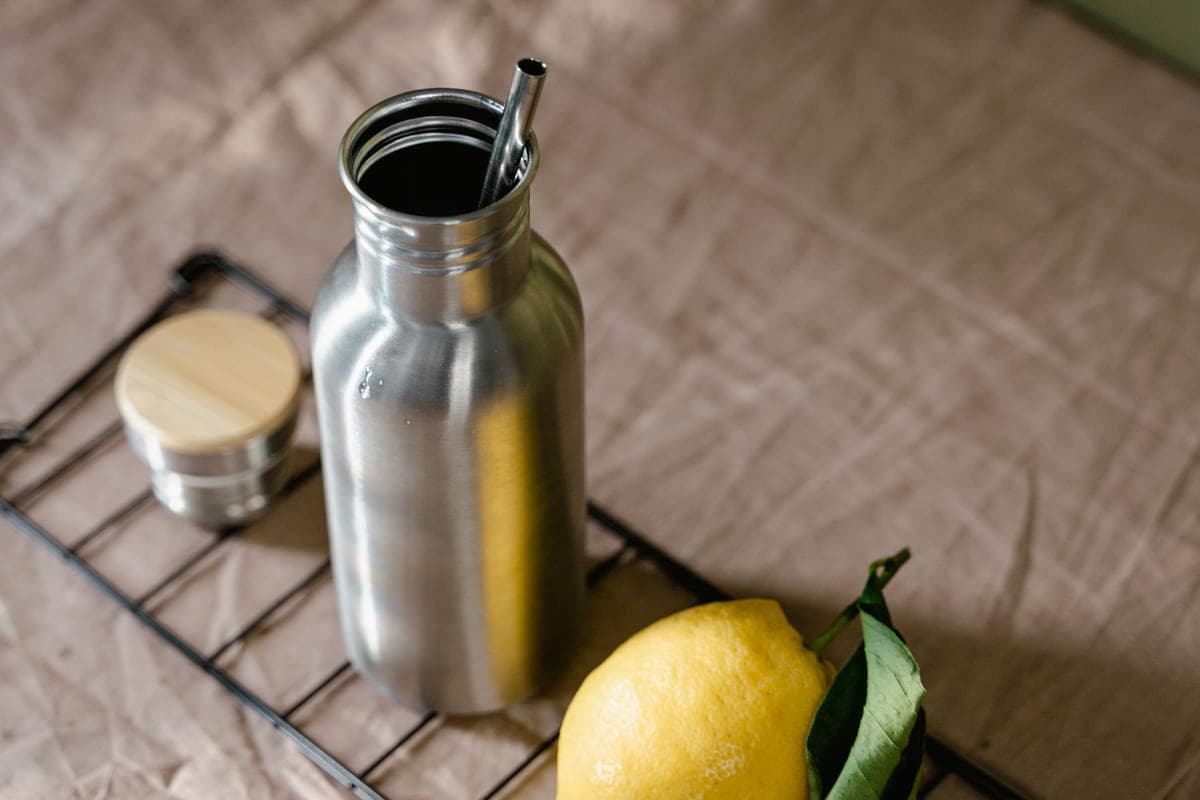
Best water bottle
Best non-toxic water bottles
Stainless and glass bottles with cap options that are not plastic — the part most buyers overlook.
Pets & Fitness
Three categories with one thing in common: prolonged skin or mouth contact with a single polymer, chosen by the manufacturer and rarely disclosed.
Start here
It is the one item in this group you put in your mouth dozens of times a day, and an 18/8 stainless bottle solves the question permanently for about twenty dollars.
These three categories ended up together because they share a shape of problem. A water bottle, a yoga mat and a dog bowl are each a single material in prolonged contact with a mouth or with sweating skin, usually chosen for cost and feel, and usually described on the packaging with a word like "premium" rather than a polymer name.
The good news is that each has a clean, cheap, boring answer. Stainless steel for bottles and bowls. Natural rubber or a published-composition TPE for mats. Natural rubber, hard-wearing TPE or plain undyed fiber for dog toys. In every case the better choice costs slightly more and lasts considerably longer, which makes this one of the few parts of the lower-tox house that pays for itself.
There is also one piece of genuinely urgent information in this section, and it concerns birds rather than people. Overheated PTFE non-stick cookware kills pet birds, quickly, at temperatures that give humans a mild flu. If there is a bird in your home, that is the most important thing on this site for you.
PTFE-coated surfaces begin emitting degradation products above roughly 280C (about 536F), and the published veterinary literature attributes most PTFE toxicosis cases in pet birds to overheated frying pans. The clinical signs are open-beak breathing, loss of coordination and death — often within minutes. The same fumes cause polymer-fume fever in people: fever, aches and tremors that resolve in a day or two.
A bird's respiratory system is far more efficient at extracting gases from air than ours, which is why the same exposure that inconveniences a cook kills a parrot. If you keep birds, the answer is not better ventilation. It is not having PTFE in the kitchen, or not having the bird anywhere near it. Why PTFE is dangerous for birds covers the mechanism and the practical rules.
An 18/8 stainless interior has nothing to leach and nothing to wear through, and that is the whole argument. The complications are all in the cap: plenty of otherwise-stainless bottles have a plastic flex cap or a plastic-lined sport top, which is the part that spends time in contact with your mouth. If the point of the purchase was removing plastic from the drinking path, read the cap spec.
Glass is the only option with no metal and no polymer at all, at the cost of weight and breakability. Insulated plastic is lighter and cheaper and entirely reasonable if you are not trying to remove it. What we would not do is pay a premium for a "BPA-free" plastic bottle on safety grounds — see stainless versus glass.
The uncomfortable honest note is that the longest-lasting mats in the category are PVC, and a mat that lasts ten years is a real environmental and financial argument against replacing a perfectly good one. We list both and say which is which — see TPE versus rubber.
| Material | Grip when sweaty | Durability | The trade-off |
|---|---|---|---|
| Natural rubber | Best | Good | Latex. Smells strongly at first. Degrades in UV |
| TPE | Moderate | Fair | A polymer blend. Composition often undisclosed |
| Cork over rubber | Good when wet | Good | Heavy, and the backing is still rubber |
| PVC | Fair | Excellent | It is PVC. Lasts a decade, which is its own argument |
| Jute or cotton | Poor | Fair | Grip is not there for vigorous practice |
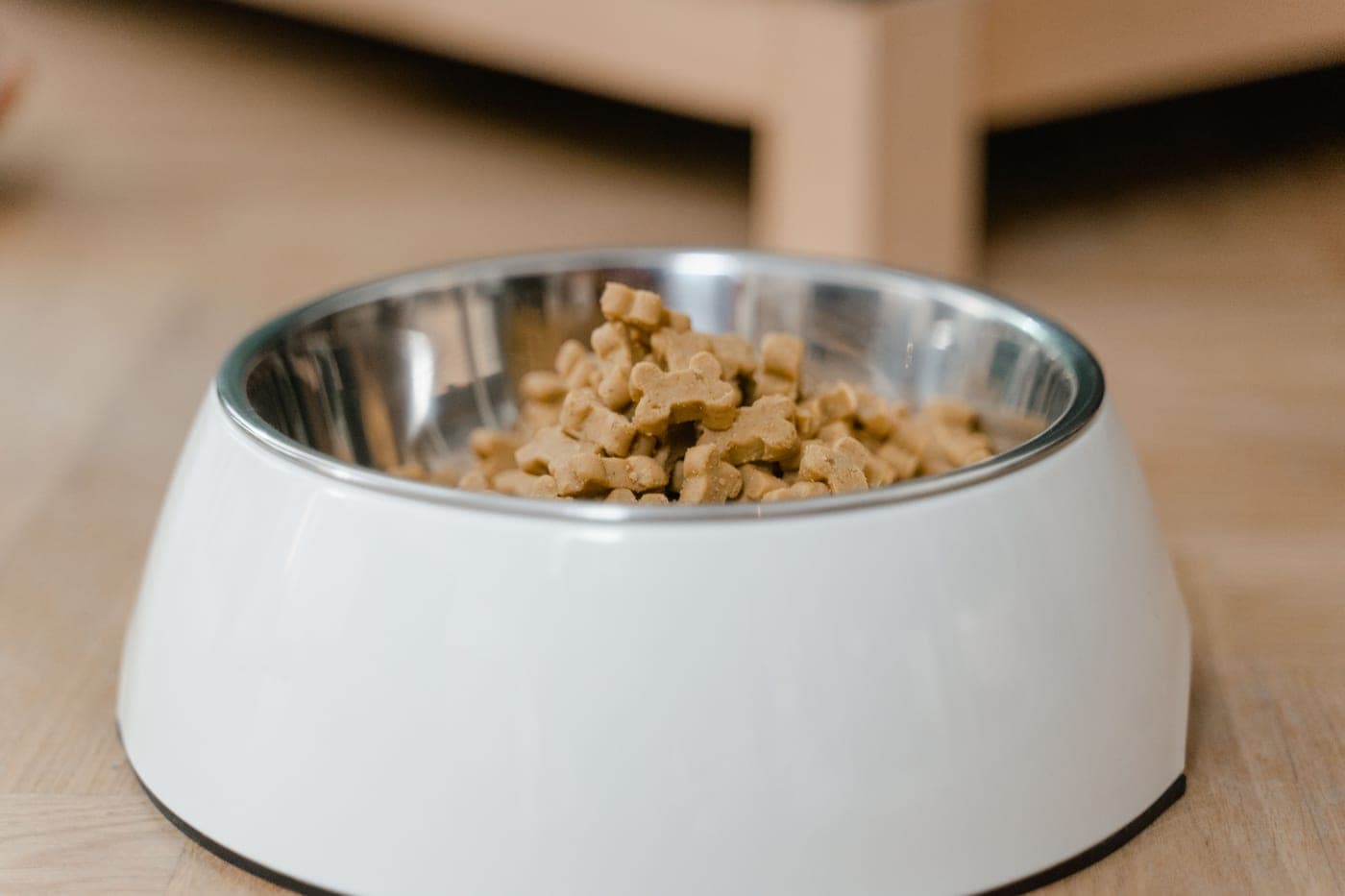
Bowls are the simplest decision in this entire section: 18/8 stainless, dishwasher, done. Glazed ceramic is fine when the maker can tell you the glaze passes lead and cadmium leach testing, and a chipped ceramic bowl should be retired rather than inspected hopefully. Plastic bowls scratch, hold biofilm and are the only common bowl material with a real reason to avoid.
Toys are mostly a supervision question rather than a chemistry one. Natural rubber and published-composition TPE are both sensible materials; undyed natural fiber rope is fine until a dog starts swallowing strands, which is a genuine surgical risk and far more likely to hurt your dog than its toy's polymer. Inspect, replace, supervise. Non-toxic dog toys covers the materials and the hazard ranking.
Best water bottle
Stainless and glass bottles with cap options that are not plastic — the part most buyers overlook.
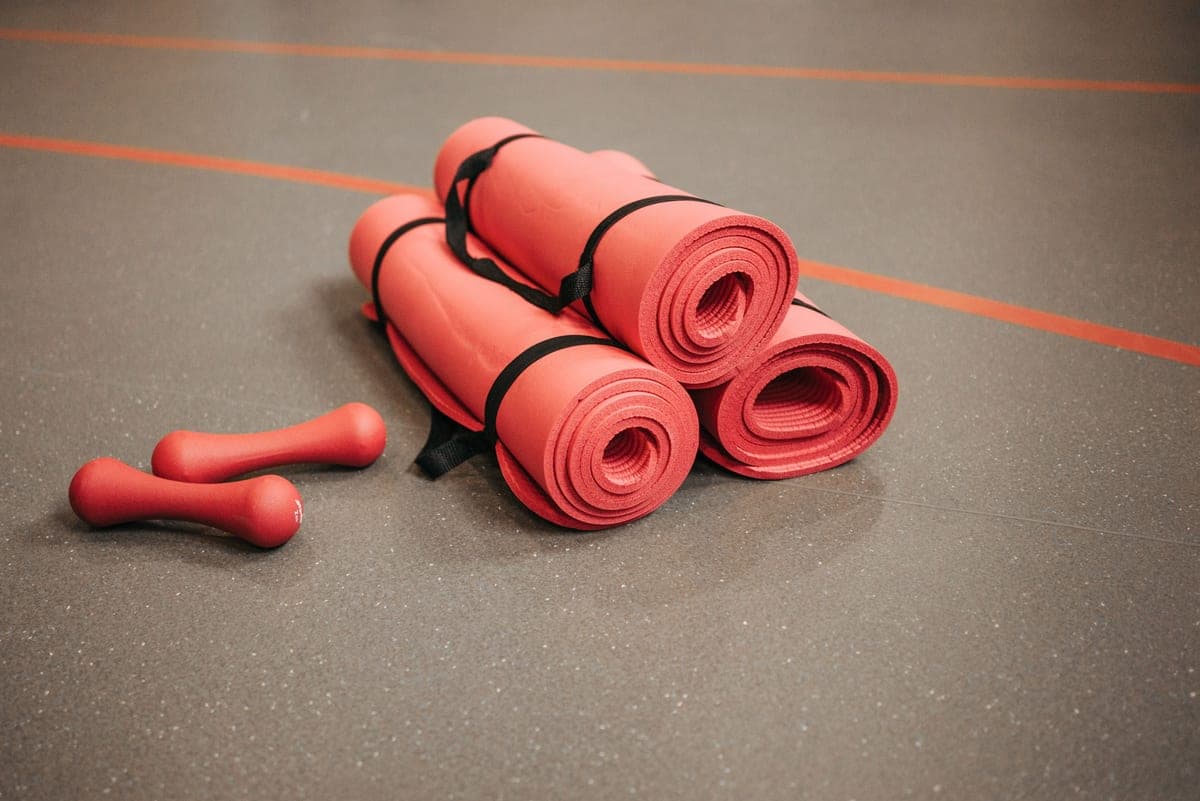
Best yoga mat
Natural rubber, cork and TPE compared on grip, disclosure and lifespan — with the PVC point named.
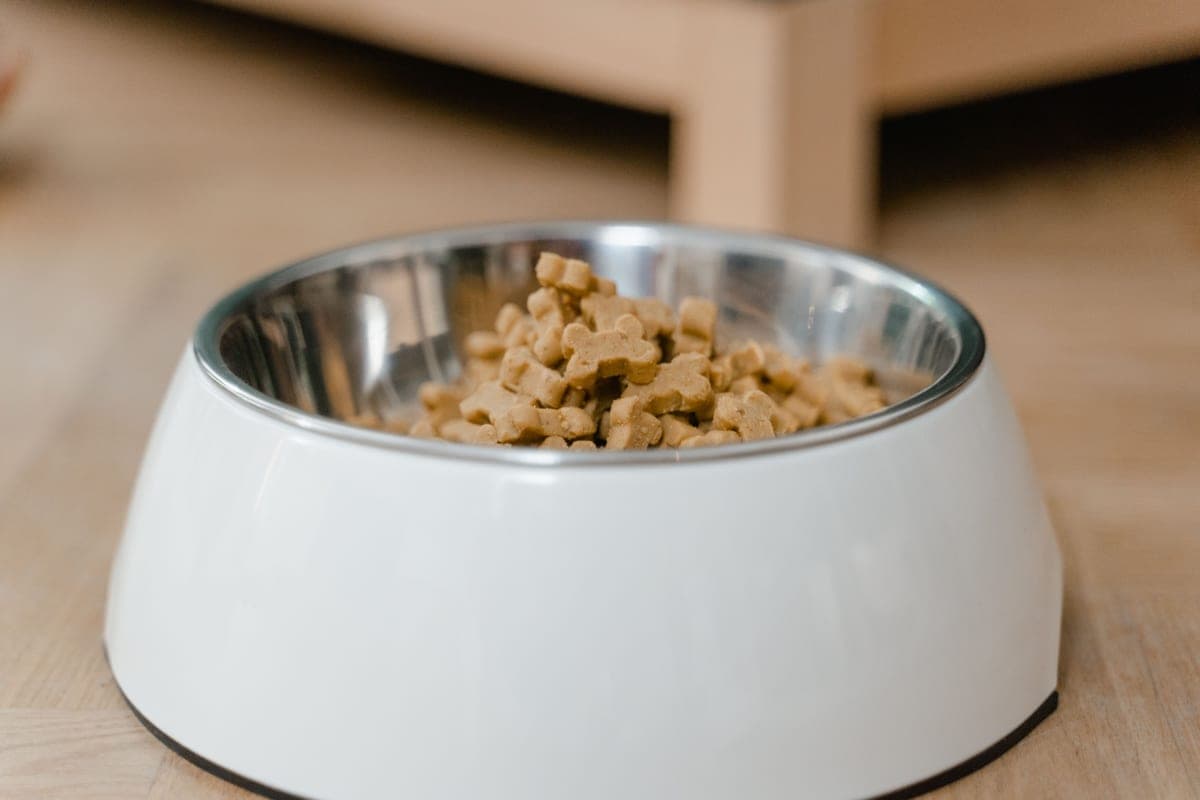
Best dog bowl
Stainless and glazed stoneware bowls, what to ask about a glaze, and why plastic bowls are worth replacing.

Best dog toy
Natural rubber and disclosed-TPE toys, with the ingestion hazard ranked ahead of the materials question.
Pets & Fitness
Stainless against glass on inertness, weight, insulation — and the plastic cap that undermines both.
Pets & Fitness
Natural rubber against TPE on grip, disclosure, latex and lifespan — with the PVC elephant named.

Pets & Fitness
The mechanism, temperature and clinical signs of PTFE toxicosis in birds, and the only reliable prevention.
Pets & Fitness
Which activewear categories carry fluorinated finishes, what PFC-free DWR actually means, and how to check.
Pets & Fitness
Pet gear in evidence order: the PTFE bird warning, bowls, bedding, toys, and the hazards that outrank materials.
Yes, and this is not a fringe claim. PTFE-coated surfaces emit degradation products above about 280C, and the veterinary literature attributes most PTFE toxicosis cases in pet birds to overheated frying pans, with death often following within minutes. Humans get a transient polymer-fume fever from the same exposure.
Natural rubber has the simplest, most disclosed composition and the best wet grip, with latex sensitivity as its real limitation. TPE is a blend whose exact composition is often undisclosed, which makes it harder to assess rather than worse. PVC is the material most people want to avoid and also the most durable.
Usually yes, on practicality. Stainless has nothing to chip or craze, cleans completely in a dishwasher and holds no biofilm. Glazed ceramic is a fine alternative when the maker can confirm lead and cadmium leach testing, but a chipped bowl should be thrown out.
Next swap
Kitchen & Cookware