Pets & Fitness
Best non-toxic water bottles
The easiest swap in this whole section, undone by one component almost nobody checks.
Last reviewed October 13, 2026 — Selena H.
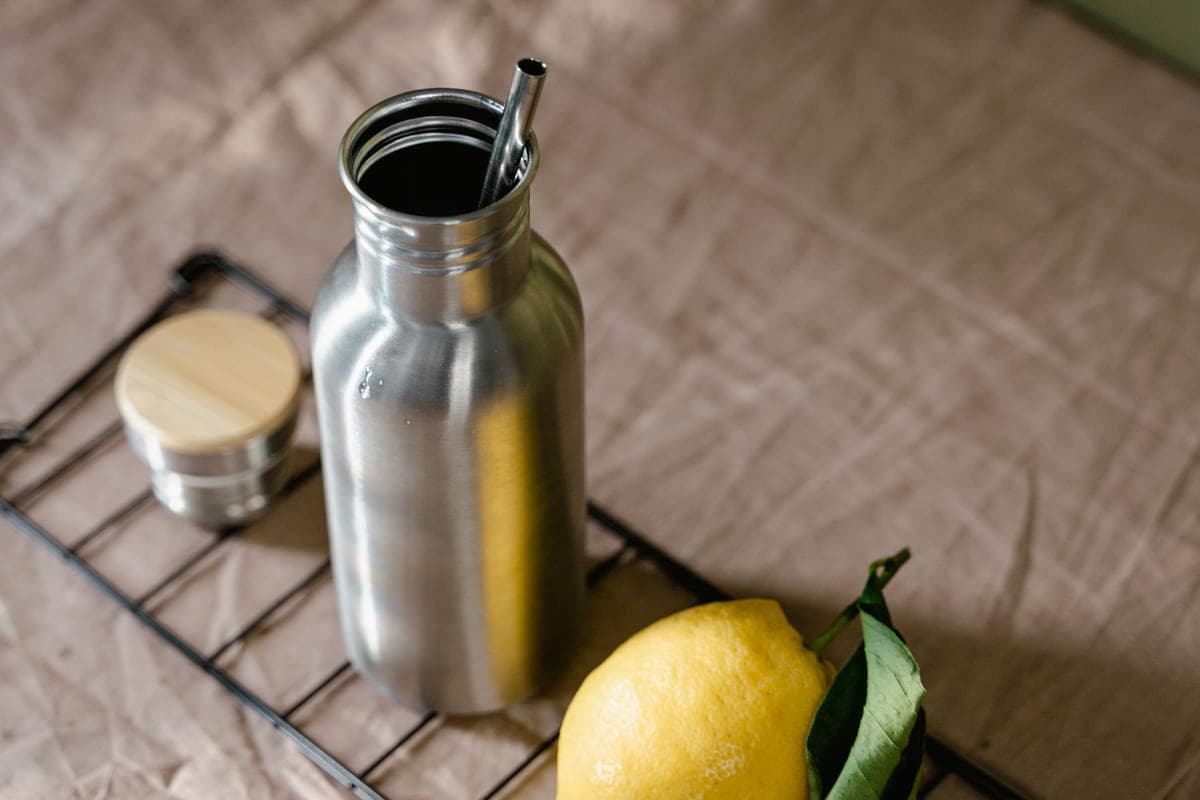
An 18/8 stainless interior has nothing to leach into plain water and nothing to wear through, which makes this one of the cheapest and most complete swaps on the site. Plain water is not acidic, so the nickel and chromium leaching measured in cookware studies — tomato sauce simmered for hours — does not translate here.
The thing that undoes it is the cap. A great many otherwise-stainless bottles have a polypropylene flex cap or a plastic-lined screw top, and that is the component your mouth is on every time you drink. If the point of the purchase was removing plastic from the drinking path, read the cap spec before the body spec.
Quick picks
| # | Product | Best for | Material | Price |
|---|---|---|---|---|
| 1 | Klean Kanteen Classic Insulated Bottle18/8 stainless interior with stainless or bamboo cap options. | A cap you can choose | 18/8 stainless steel interior | |
| 2 | Lifefactory Glass Water BottleBorosilicate glass in a removable silicone sleeve. | Fully inert | Borosilicate glass with a removable silicone sleeve | |
| 3 | Hydro Flask Wide Mouth Bottle18/8 stainless with a powder-coated exterior and a plastic flex cap. | Insulation | 18/8 stainless steel body with a powder-coat exterior and plastic flex cap | |
| 4 | 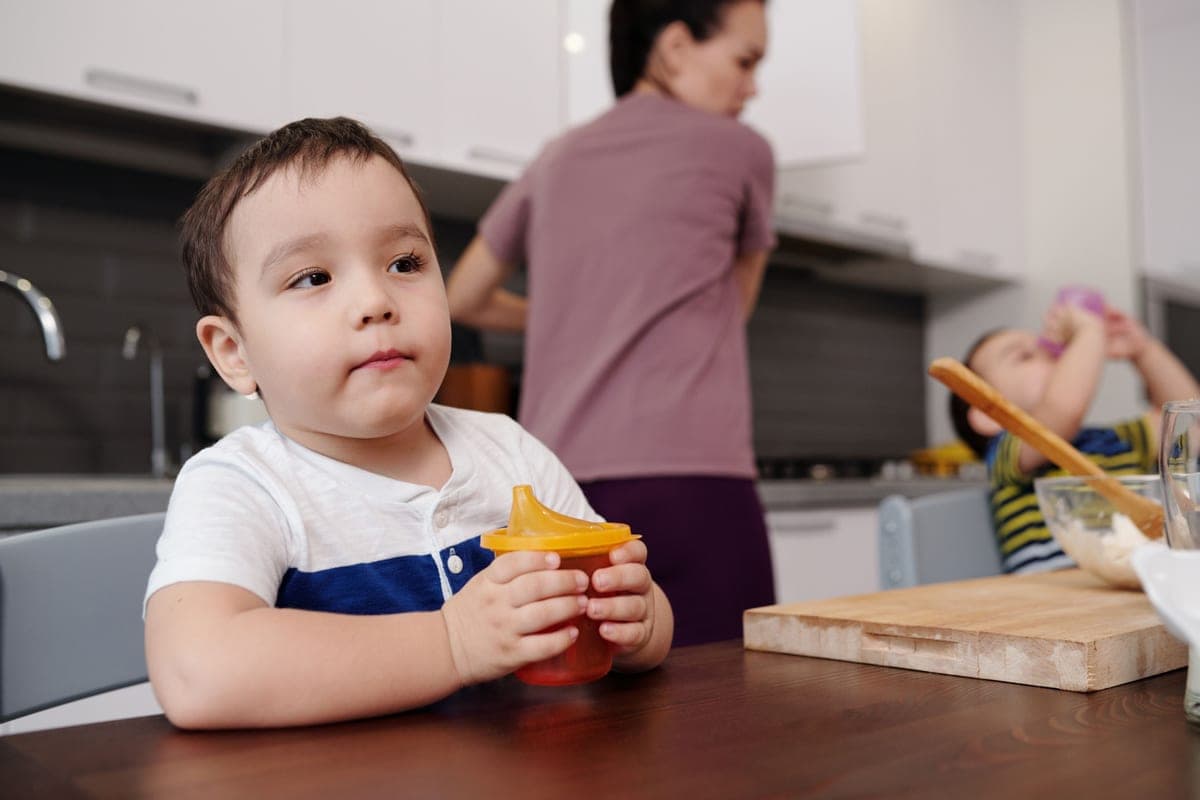 Pura Stainless Sippy Cup304 stainless with a silicone spout, straw or sport top as the child grows. | Children | 304 stainless steel with a silicone spout |
Tap a row to jump to that write-up. Prices are not shown on this site because they change — the button sends you to the live Amazon listing.
How we chose these
Stated water-contact materials, an uncoated interior, and — the criterion that actually separates these products — a cap whose material is published. We also preferred bottles with wide mouths, because a bottle you cannot get a brush into is a bottle that grows things.
We have not tested insulation performance or drop survival. Those are measurable claims the manufacturers make, and we have reported rather than verified them.
Does stainless leach into water?
Not meaningfully for its intended use. The leaching research this site cites repeatedly — Kamerud et al. (2013), measuring nickel and chromium migrating into tomato sauce — involved hours of simmering an acidic food. Plain water at ambient or cold temperature is nothing like that condition.
Where it becomes a reasonable question is acidic contents left all day: lemon water, a vinegar drink, an acidic sports mix. For those, glass is the better container.
The cap, in detail
| Cap type | Material | Notes |
|---|---|---|
| Stainless loop cap | Stainless with a silicone gasket | The no-plastic option |
| Bamboo cap | Bamboo with a stainless or silicone liner | Check the liner |
| Flex / chug cap | Polypropylene | The most common, and the part you drink from |
| Sport top | Polypropylene with a silicone valve | Convenient; most plastic contact |
| Straw lid | Polypropylene plus a straw | Hard to clean as well |
| Screw cap with liner | Stainless outside, plastic liner inside | Easy to miss |
Keeping a bottle usable
- Wash it daily, especially if anything other than water has been in it. A bottle brush is the only tool that reaches the bottom.
- Take the cap apart. Gaskets and valves are where biofilm sits, and a cap washed assembled is a cap not washed.
- Do not put hot liquids in a single-wall bottle, which becomes too hot to hold; and avoid leaving acidic drinks sitting for hours.
- Retire a dented insulated bottle that has stopped holding temperature — the vacuum has failed, which is the whole mechanism.
- Replace worn silicone gaskets rather than tolerating a leaking cap.
What we ruled out
Plastic bottles generally, since this page exists to replace them. Insulated bottles with a coated or painted interior, where a coating is the one thing an uncoated stainless bottle is meant to avoid. Aluminum bottles with an interior liner, since the liner is the food-contact surface and is rarely specified. And collapsible silicone bottles where the cure type is not published.
The picks in full
1. Best for A cap you can choose
Klean Kanteen Classic Insulated Bottle
18/8 stainless interior with stainless or bamboo cap options.
- Made of
- 18/8 stainless steel interior, stainless or bamboo cap
- Certified to
- Manufacturer claimManufacturer claim; no third-party certification published.
- Water contact
- 18/8 stainless, uncoated
- Cap
- Stainless or bamboo options
- Note
- Avoid the plastic-lined sport caps if that matters to you
This is the pick because it solves the cap problem rather than ignoring it: an uncoated 18/8 stainless interior with cap choices that are not plastic, in insulated and single-wall versions. For a bottle bought specifically to remove plastic from the drinking path, that is the whole point.
What you give up
Heavier than plastic, and the sport and straw caps are polymer if you choose those — the stainless loop cap is the one to pick. Insulated versions cost noticeably more.
Who it's for
Everyday carrying, and anyone who wants no plastic at the mouth.
Who should skip it
People who want a one-handed sport top, which means a polymer cap.
2. Best for Fully inert
Lifefactory Glass Water Bottle
Borosilicate glass in a removable silicone sleeve.
- Made of
- Borosilicate glass with a removable silicone sleeve
- Certified to
- Manufacturer claimManufacturer claim; no third-party certification published.
- Water contact
- Glass
- Sleeve
- Silicone
- Trade-off
- Heavy and breakable
The only option here with no metal and no polymer in contact with the water. The silicone sleeve makes glass survivable in normal use, and glass is the right choice if you drink acidic things — citrus water, cold brew, vinegar drinks — where a long sit in metal is less ideal.
What you give up
Heavy, breakable, and no insulation at all. This is a desk bottle rather than a hiking bottle.
Who it's for
Desk and home use, and acidic drinks.
Who should skip it
Gym bags, hiking, and anyone who drops things.
3. Best for Insulation
Hydro Flask Wide Mouth Bottle
18/8 stainless with a powder-coated exterior and a plastic flex cap.
- Made of
- 18/8 stainless steel body with a powder-coat exterior and plastic flex cap
- Certified to
- Manufacturer claimManufacturer claim; no third-party certification published.
- Water contact
- Stainless steel
- Cap
- Polypropylene
- Exterior
- Powder coat, not food contact
Best-in-class insulation and durability, included with the caveat stated plainly: the standard flex cap is polypropylene, which is the part your mouth touches. The bottle body is uncoated 18/8 stainless with a vacuum gap, and the powder coat is exterior only.
What you give up
The plastic cap, unless you buy a different one. The powder coat chips, and it is the most expensive option here.
Who it's for
Keeping drinks cold all day.
Who should skip it
Anyone buying specifically to remove plastic from the drinking path — the cap defeats it.
4. Best for Children
Pura Stainless Sippy Cup
304 stainless with a silicone spout, straw or sport top as the child grows.
- Made of
- 304 stainless steel with a silicone spout
- Certified to
- Manufacturer claimManufacturer claim; no third-party certification published.
- Drink contact
- Stainless and silicone
- Plastic
- None
- Grows with the child
- Spout, straw and sport-top swaps
The children's version of the same logic: stainless with a silicone drink interface and no plastic in the water path, in a system where one bottle takes different tops as the child grows out of spouts.
What you give up
You cannot see the contents, and it dents. It costs several times a supermarket plastic cup.
Who it's for
Toddlers through school age.
Who should skip it
Anyone who needs to see how much is left.
How we chose, and what we did not do
Every product on this page was checked against its published material composition and its third-party certifications, with each claim labeled as certified, manufacturer-stated or independently tested by a named party. We do not run a lab and we do not claim to have used these products — the full method is here.
Questions people actually ask
Is a stainless steel water bottle safe?
Yes, for water. The nickel and chromium leaching measured in cookware research was driven by hours of acidic cooking, which does not describe plain water in a bottle. An 18/8 interior has no coating to wear through.
Does the cap material matter?
It is the part your mouth touches most, so yes. Many stainless bottles ship with polypropylene flex caps or plastic-lined screw caps. Stainless and bamboo cap options exist and are the ones to choose if removing plastic was the goal.
Is glass better than stainless?
Glass is fully inert and the better choice for acidic drinks and desk use; stainless survives drops and insulates. For a bottle that lives in a bag, stainless is the practical answer.
Are insulated bottles lined with anything?
A quality double-walled stainless bottle has a stainless inner wall with a vacuum between layers and no lining. Avoid bottles with a coated or painted interior — that coating is the thing you were trying not to drink from.
How often should I wash a water bottle?
Daily, with the cap disassembled, and with a brush rather than a rinse. Caps and straws are where biofilm actually forms.
Sources
- Kamerud, Hobbie and Anderson (2013), Stainless Steel Leaches Nickel and Chromium into Foods During Cooking, Journal of Agricultural and Food Chemistry
- US EPA — Our Current Understanding of the Human Health and Environmental Risks of PFAS — Regulator overview of PFAS persistence and health endpoints
- Stasher (manufacturer)
- NSF — Forever Chemicals and the Advancement of Filtration Standards — Why NSF P473 was retired into NSF/ANSI 53 and 58 in June 2021
Read next
Pets & Fitness
Stainless vs glass water bottles
Stainless against glass on inertness, weight, insulation — and the plastic cap that undermines both.
Kitchen & Cookware
Best water filter pitchers, judged on their certified claims
Filter pitchers compared on their actual NSF/ANSI certified claims, with the retired P473 standard explained.

Kitchen & Cookware
Is stainless steel cookware safe?
The nickel and chromium leaching evidence stated with actual numbers, plus who should act on it.
Baby & Kids
Best non-toxic sippy cups
Glass and stainless toddler cups, plus the straw and valve hygiene problem nobody mentions.
Written by Selena H., owner of Glass & Cotton.