Bedding & Home
Best non-toxic sheets
The cheapest swap with the most skin contact, and the one category where the certifications genuinely mean something.
Last reviewed October 13, 2026 — Selena H.
Sheets are the best-value swap in the bedroom: cheap relative to a mattress, in contact with bare skin for eight hours a night, and backed by certifications you can actually verify. GOTS covers organic fiber plus processing chemistry, wastewater and labour across the entire chain; OEKO-TEX STANDARD 100 tests the finished article against over a thousand harmful substances.
The thing to avoid is not a fiber, it is a finish. "Wrinkle-free" generally means a resin treatment and "stain-resistant" has historically meant a fluorinated one — the same chemistry family as PFAS. A plain certified sheet with no performance finish is the whole recommendation.
Quick picks
| # | Product | Best for | Material | Price |
|---|---|---|---|---|
| 1 | Coyuchi Organic Cotton Sheet SetOrganic cotton with no wrinkle-resist resin, per the brand. | Organic cotton, no finish | 100% organic cotton | |
| 2 | 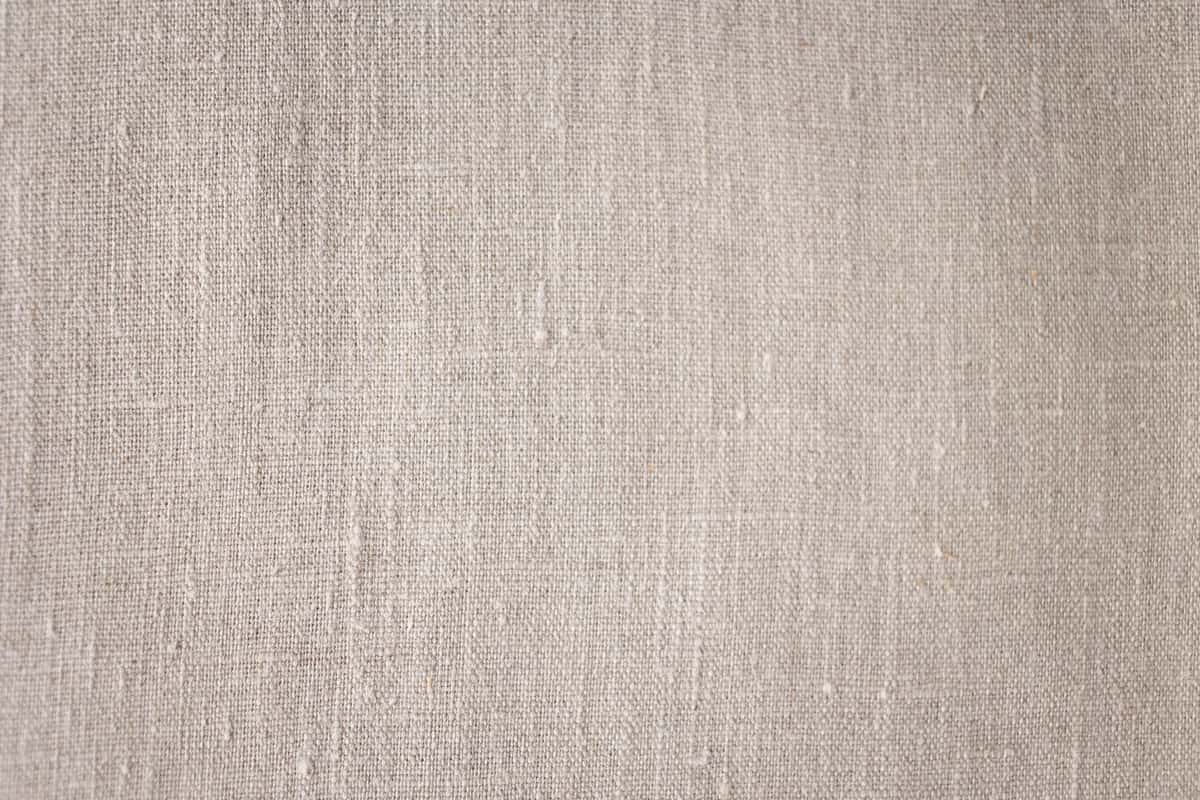 MagicLinen European Linen Sheet SetEuropean flax linen, stone washed, no resin finish. Cooler and longer-lived. | Hot sleepers | 100% European flax linen | |
| 3 | Under the Canopy Organic Cotton SheetsOrganic cotton at a mid price point, per the brand. | Certified organic on a budget | GOTS-certified organic cotton per the brand | |
| 4 | 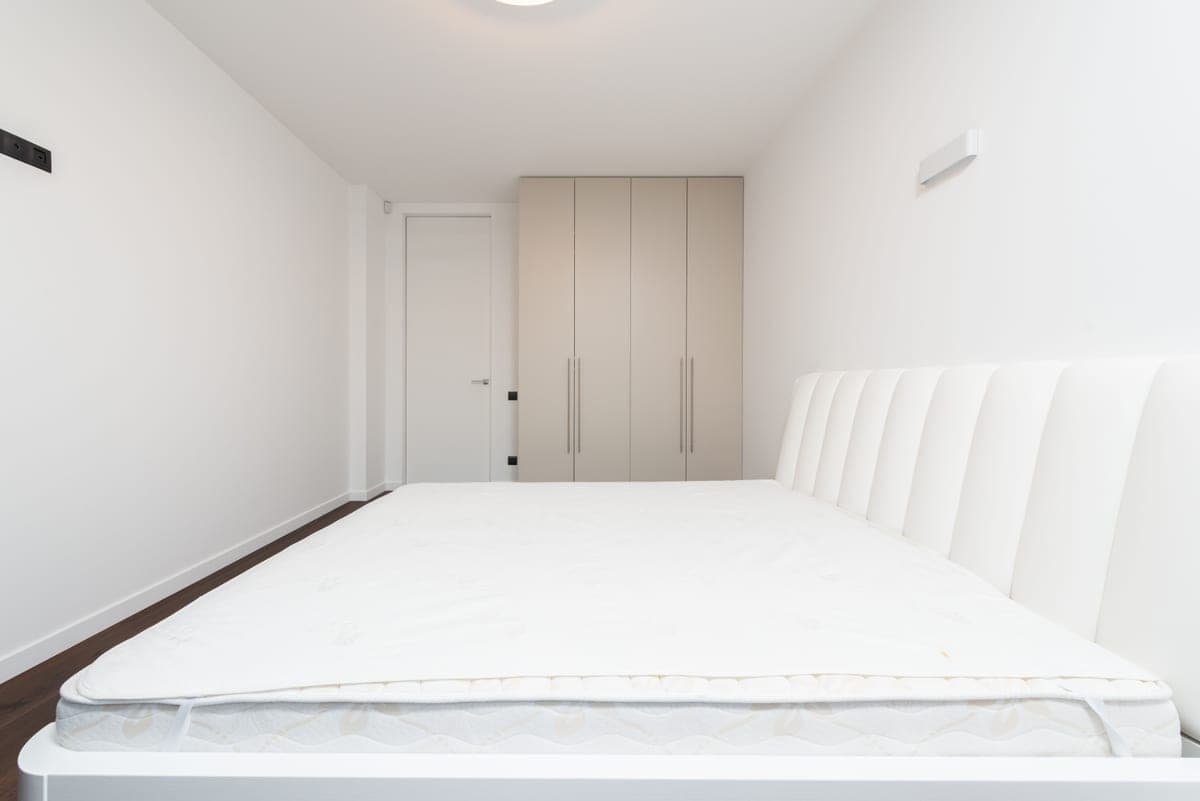 Naturepedic Organic Cotton Mattress ProtectorOrganic cotton face over a polyethylene barrier, MADE SAFE certified. | The layer underneath | Organic cotton face with a polyethylene waterproof barrier |
Tap a row to jump to that write-up. Prices are not shown on this site because they change — the button sends you to the live Amazon listing.
How we chose these
Four criteria. The fiber content has to be stated as a percentage. The product must not carry a wrinkle-resist or stain-resist finish, or the brand must state that it does not. Any certification claim must be checkable — a number, not a logo — and we label brand-level claims as manufacturer statements where we could not verify a specific SKU. And the sheet has to be currently sold.
We did not test these. We read fiber content, finishing disclosures and certification claims, which is what how we choose describes.
What to look for yourself
- Fiber content as a percentage. If it is not stated, treat everything else on the page as marketing.
- A certificate number, not a logo. GOTS and OEKO-TEX both issue identifiers tied to a specific company and product.
- Search the page for "wrinkle", "stain" and "cooling". Each implies a finish; ask what the finish is.
- Check whether the claim is "certified" or "made with". A GOTS-certified finished product is a much stronger claim than GOTS-certified fiber.
- Pick the weave, not the thread count. Percale is cooler and crisper; sateen is warmer and smoother. Thread count above about 400 is mostly marketing arithmetic.
Weave matters more than thread count
| Weave | Feel | Temperature | Wrinkles |
|---|---|---|---|
| Percale | Crisp, matte | Cooler | Some |
| Sateen | Smooth, slight sheen | Warmer | Fewer |
| Jersey | Stretchy, t-shirt-like | Warmest | Few |
| Flannel | Brushed, fuzzy | Warmest | Few |
| Linen | Textured, substantial | Coolest | Always |
What we ruled out
Any sheet advertised as wrinkle-free, easy-care or no-iron, which indicates a resin finish. Stain-resistant bedding, which has historically meant a fluorinated treatment. "Cooling" sheets whose cooling comes from a finish rather than a fiber or weave. And bamboo viscose generally — the fiber itself is fine, but viscose production is chemically intensive and most brands publish nothing about the process, which makes the product unassessable rather than unsafe.
The picks in full
1. Best for Organic cotton, no finish
Coyuchi Organic Cotton Sheet Set
Organic cotton with no wrinkle-resist resin, per the brand.
- Made of
- 100% organic cotton, undyed or low-impact dyed
- Certified to
- Manufacturer claimManufacturer claim; no third-party certification published.
- Fiber
- Organic cotton
- Finish
- No wrinkle-resist resin per the brand
- Note
- Check the specific SKU's certification number
This is the configuration to look for: organic fiber plus the explicit absence of a performance finish. Undyed and low-impact dyed options mean fewer process chemicals again, and the sheets soften with washing rather than needing a treatment to feel soft.
What you give up
Premium pricing, and they will wrinkle — which is what happens when nothing has been applied to stop it. Certification status varies by line, so ask for the number for your specific SKU.
Who it's for
Anyone replacing conventional sheets with certified organic cotton and willing to accept creases.
Who should skip it
People who want a smooth, hotel-flat bed, which requires the finish this one omits.
2. Best for Hot sleepers
MagicLinen European Linen Sheet Set
European flax linen, stone washed, no resin finish. Cooler and longer-lived.
- Made of
- 100% European flax linen, stone washed
- Certified to
- Manufacturer claimManufacturer claim; no third-party certification published.
- Fiber
- Flax linen
- Finish
- Stone washed, no resin
- Note
- Wrinkles. That is the look
Linen is more breathable than cotton and wicks better, which is the single best reason to buy it — hot sleepers who switch rarely switch back. It also lasts a decade or more, so the cost per year is lower than cotton despite the higher sticker price. Stone washing pre-softens it so the first month is less crisp.
What you give up
It wrinkles permanently and that is the intended look. It is crisp before it is soft, and the up-front price is high.
Who it's for
Hot sleepers and anyone buying bedding on a ten-year horizon.
Who should skip it
Anyone who wants a smooth bed or a soft sheet on night one.
3. Best for Certified organic on a budget
Under the Canopy Organic Cotton Sheets
Organic cotton at a mid price point, per the brand.
- Made of
- GOTS-certified organic cotton per the brand
- Certified to
- Manufacturer claimManufacturer claim; no third-party certification published.
- Fiber
- Organic cotton
- Price band
- Mid
- Note
- Ask for the certificate number if it matters to you
The value entry into certified organic cotton, for households that want the fiber claim without boutique pricing. Same advice applies: ask for the certificate number for the specific product rather than relying on a brand-level claim.
What you give up
Less publicly documented than the premium brands, and the hand feel is a step below. Verify certification per SKU.
Who it's for
Budget-conscious buyers who want organic cotton.
Who should skip it
Hot sleepers, who should spend the money on linen instead.
4. Best for The layer underneath
Naturepedic Organic Cotton Mattress Protector
Organic cotton face over a polyethylene barrier, MADE SAFE certified.
- Made of
- Organic cotton face with a polyethylene waterproof barrier
- Certified to
- Certified: MADE SAFEThird-party certified to MADE SAFE.
- Barrier
- Polyethylene, not PVC and not PFAS-treated per the brand
- Face
- Organic cotton
- Noise
- Quieter than vinyl
Included because sheets are only half the job: if the mattress underneath is one you are not ready to replace, a certified protector is the layer between you and it. The barrier is polyethylene rather than vinyl or a fluorinated finish, which is the distinction that matters in waterproof bedding.
What you give up
A waterproof layer is still a plastic film, so it is less breathable than a sheet alone. Quieter than vinyl, not silent.
Who it's for
Anyone with a mattress they want to keep for a few more years.
Who should skip it
People who find any waterproof layer too warm.
How we chose, and what we did not do
Every product on this page was checked against its published material composition and its third-party certifications, with each claim labeled as certified, manufacturer-stated or independently tested by a named party. We do not run a lab and we do not claim to have used these products — the full method is here.
Questions people actually ask
What are the safest sheets to sleep on?
Certified organic cotton or linen with no performance finish. The certification to look for is GOTS for organic fiber and processing, or OEKO-TEX STANDARD 100 for finished-article substance testing — ideally both.
Are bamboo sheets non-toxic?
Bamboo viscose fiber is not the problem; the process is chemically intensive and most brands publish nothing about it. That makes the product hard to assess rather than known to be harmful, which is why we did not recommend any.
Does thread count matter?
Much less than weave and fiber. Above roughly 400 the number is often achieved by counting plies rather than threads. Percale versus sateen tells you far more about how a sheet will feel.
Should I wash new sheets before use?
Yes, always — it removes manufacturing residues and sizing, and it starts the softening process. Skip fabric softener, which coats the fibers and reduces breathability.
Do organic sheets last longer?
Not inherently; fiber quality and weave matter more than organic status. Linen is the fiber that genuinely lasts longer, often a decade or more against several years for cotton.
Sources
- Global Organic Textile Standard (GOTS) — the standard — Whole-supply-chain certification: fiber, chemical inputs, wastewater, social criteria
- OEKO-TEX — STANDARD 100 — Harmful-substance testing by product class. Not an organic-content claim
- MADE SAFE — Naturepedic certified bedding
- US EPA — Our Current Understanding of the Human Health and Environmental Risks of PFAS — Regulator overview of PFAS persistence and health endpoints
Read next
Bedding & Home
Organic cotton vs linen sheets
Organic cotton against linen on feel, temperature regulation, lifespan and certification.

Bedding & Home
What GOTS certification actually covers
GOTS explained: whole-chain certification, what it leaves out, and the fiber-versus-finished-product distinction.
Bedding & Home
What OEKO-TEX certified actually means
OEKO-TEX STANDARD 100 explained: 1,000+ substances, four product classes, and why it says nothing about organic content.
Bedding & Home
Non-toxic bedding: what actually varies
The five bedding variables, the certifications that cover them, and a ninety-second label check.
Written by Selena H., owner of Glass & Cotton.