Bedding & Home
PFAS in textiles: the finish, not the fiber
Nothing about cotton or polyester involves PFAS. The treatment sprayed onto them to repel water and stains is a different matter.
Last reviewed October 13, 2026 — Selena H.
PFAS in textiles is a finishing question rather than a fiber question. Cotton, linen, wool and polyester have nothing to do with per- and polyfluoroalkyl substances; the fluorinated treatments applied to make fabric repel water, oil and stains do.
That distinction is useful because it tells you exactly what to look for. A plain, untreated fabric does not raise the question at all, and a fabric advertised as stain-resistant, water-repellent or performance-finished raises it immediately.
Quick picks
| # | Product | Best for | Material | Price |
|---|---|---|---|---|
| 1 | Coyuchi Organic Cotton Sheet SetOrganic cotton with no wrinkle-resist resin, per the brand. | Untreated bedding | 100% organic cotton | |
| 2 | 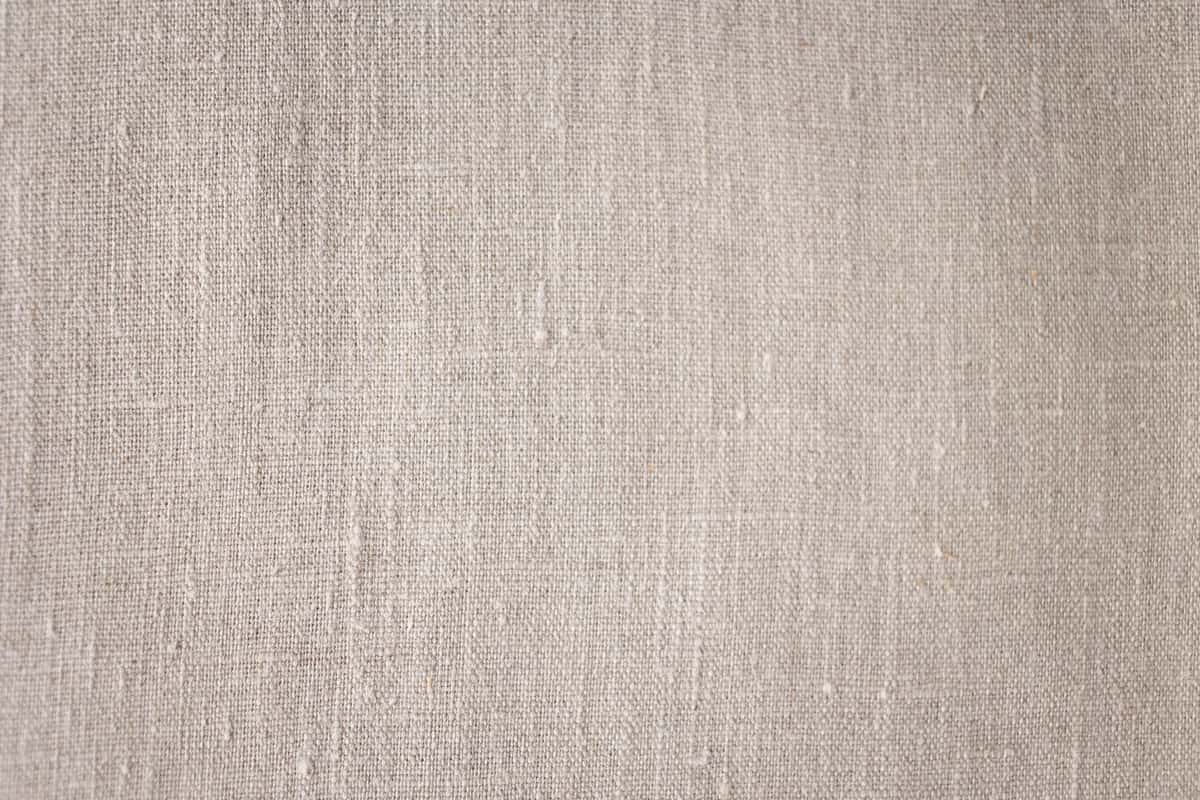 MagicLinen European Linen Sheet SetStone-washed flax linen, no resin and no repellent finish. | Naturally performance-free | 100% European flax linen | |
| 3 | 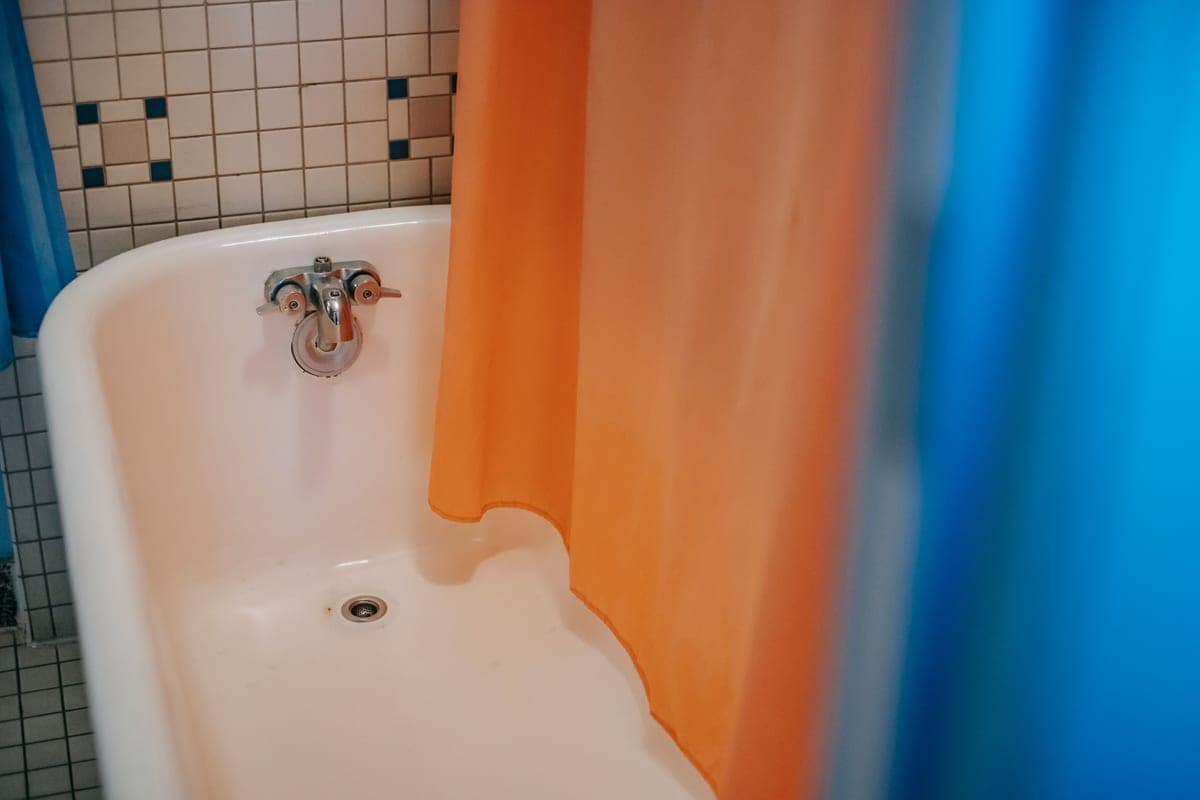 PEVA-Free Cotton Shower CurtainCotton canvas, washable, no PVC and no repellent finish. | Untreated bathroom textiles | Cotton canvas outer curtain with a washable liner |
Tap a row to jump to that write-up. Prices are not shown on this site because they change — the button sends you to the live Amazon listing.
The short answer
Fluorinated finishes are used on textiles because nothing else repels both water and oil as effectively. EPA describes PFAS as a family of synthetic chemicals in use since the 1940s, many of which break down very slowly and can build up in people, animals and the environment over time — which is the reason to care about a durable surface treatment specifically. The practical response is to avoid performance finishes on household textiles where you do not need them, which is most of them.
Where the finishes actually appear
| Category | Likelihood | What to check |
|---|---|---|
| Outdoor apparel (rain shells) | High historically | DWR treatment — ask if it is PFC-free |
| Upholstery with stain protection | High | Any "stain-resistant" or branded protection package |
| Carpet and rugs with stain protection | High | Factory treatment; ask the retailer |
| Tablecloths and placemats, wipe-clean | Moderate | Repellent finishes |
| Bedding advertised stain-resistant | Moderate | The word stain anywhere on the page |
| Plain sheets, towels, plain upholstery | Low | Nothing to check — no finish claimed |
| Activewear | Varies | See PFAS in activewear |
What regulators have done, and where
The clearest completed federal action is in food packaging rather than textiles. FDA announced in February 2024 that PFAS used as grease-proofing agents on paper and paperboard food packaging were no longer being sold into the US market, and in January 2025 determined that 35 related food contact notifications were no longer effective because those uses had been abandoned.
Textiles are a different and less settled picture, handled largely at state level and through voluntary brand commitments. Many outdoor brands have moved to non-fluorinated durable water repellents, and "PFC-free DWR" is now a common claim. It generally means a silicone or paraffin-based treatment, which repels water well and oil poorly — a real functional trade-off, honestly stated by the better brands.
The words to search for
- "Stain-resistant", "stain-release", "soil-release" — the clearest flag in home textiles.
- "Water-repellent", "DWR", "durable water repellent" — then ask whether it is PFC-free.
- "Performance finish", "easy care", "wipe clean" — vaguer, worth a question.
- Ingredient names starting "perfluoro" or "polyfluoro", and "PTFE" or "polytetrafluoroethylene" on membranes.
- "PFC-free" or "PFAS-free" — a positive claim, though unregulated, so ask what the treatment is instead.
What to do about textiles you already own
Very little, and that is a defensible answer. A treated sofa is not an emergency, the finish is designed to stay on the fabric rather than migrate off it, and replacing functional furniture over this would be an expensive response to a modest exposure.
What is worth doing: skip the stain-protection package when buying new, choose untreated fabric where you can live with it, vacuum and air textiles regularly since household dust is a significant exposure route for many substances, and prioritize untreated options in the places with the most skin contact — which is bedding.
What to buy instead
Untreated, certified textiles in the categories with the most contact.
The picks in full
1. Best for Untreated bedding
Coyuchi Organic Cotton Sheet Set
Organic cotton with no wrinkle-resist resin, per the brand.
- Made of
- 100% organic cotton, undyed or low-impact dyed
- Certified to
- Manufacturer claimManufacturer claim; no third-party certification published.
- Fiber
- Organic cotton
- Finish
- No wrinkle-resist resin per the brand
- Note
- Check the specific SKU's certification number
The most skin contact of any textile in the house, with no performance finish — which is the entire recommendation of this guide applied to the category that matters most.
What you give up
They wrinkle, and they cost more than conventional sheets.
Who it's for
Anyone acting on this guide with one purchase.
Who should skip it
People who want wrinkle-free bedding.
2. Best for Naturally performance-free
MagicLinen European Linen Sheet Set
Stone-washed flax linen, no resin and no repellent finish.
- Made of
- 100% European flax linen, stone washed
- Certified to
- Manufacturer claimManufacturer claim; no third-party certification published.
- Fiber
- Flax linen
- Finish
- Stone washed, no resin
- Note
- Wrinkles. That is the look
Linen needs no finish to do what it does — it is breathable, durable and cool on its own merits, which makes it the fiber least likely to arrive with a treatment on it.
What you give up
Permanent wrinkles and a crisp first month.
Who it's for
Hot sleepers who also want untreated fabric.
Who should skip it
Anyone who wants a smooth bed.
3. Best for Untreated bathroom textiles
PEVA-Free Cotton Shower Curtain
Cotton canvas, washable, no PVC and no repellent finish.
- Made of
- Cotton canvas outer curtain with a washable liner
- Certified to
- Manufacturer claimManufacturer claim; no third-party certification published.
- Material
- Cotton
- PVC
- None
- Note
- Needs washing, not replacing
The bathroom equivalent: a washable cotton curtain needs no stain treatment because it goes in the machine, which is the cleanest way to solve the problem a finish exists to solve.
What you give up
You have to wash it, and spread it to dry.
Who it's for
Replacing a vinyl liner.
Who should skip it
Households that will not wash it.
How we chose, and what we did not do
Every product on this page was checked against its published material composition and its third-party certifications, with each claim labeled as certified, manufacturer-stated or independently tested by a named party. We do not run a lab and we do not claim to have used these products — the full method is here.
Questions people actually ask
Do my sheets contain PFAS?
Plain untreated sheets have no reason to. The question arises with stain-resistant, wrinkle-free or performance-finished bedding, where a fluorinated or resin treatment has been applied to the fabric.
What does PFC-free DWR mean?
A durable water repellent made without fluorinated compounds, typically silicone or paraffin based. It repels water well and oil poorly, which is a genuine functional trade-off rather than a marketing distinction.
Should I replace treated furniture?
Generally no. The finish is designed to stay on the fabric, and replacing functional furniture is an expensive response to a modest exposure. Skip the stain-protection package on the next purchase instead.
Has PFAS been banned in textiles?
Not federally. FDA's completed action covered PFAS grease-proofing agents on paper and paperboard food packaging, not textiles. Textile restrictions are being handled at state level and through voluntary brand commitments.
Sources
- US EPA — Our Current Understanding of the Human Health and Environmental Risks of PFAS — Regulator overview of PFAS persistence and health endpoints
- US FDA — PFAS used as grease-proofing agents in food packaging are no longer sold in the US — February 2024 update confirming the completed phase-out
- US FDA — 35 food contact notifications related to PFAS are no longer effective
- Global Organic Textile Standard (GOTS) — the standard — Whole-supply-chain certification: fiber, chemical inputs, wastewater, social criteria
- OEKO-TEX — STANDARD 100 — Harmful-substance testing by product class. Not an organic-content claim
Read next

Kitchen & Cookware
What PFAS actually means in cookware
PFAS, PFOA and PTFE separated with sources, plus what the labels can and cannot promise.
Pets & Fitness
PFAS in activewear: the shell, not the leggings
Which activewear categories carry fluorinated finishes, what PFC-free DWR actually means, and how to check.
Bedding & Home
Best non-toxic sheets
Certified organic cotton and linen sheets, plus the wrinkle-resist and stain-resist finishes to avoid.

Bedding & Home
Best non-toxic mattress protectors
Waterproof protectors compared by barrier type — polyethylene, polyurethane, vinyl — plus the non-waterproof option.
Written by Selena H., owner of Glass & Cotton.