Kitchen & Cookware
Is stainless steel cookware safe?
Yes — and it leaches small, measured amounts of nickel and chromium into long acidic cooks. The research quantified it, so we can state it rather than argue about it.
Last reviewed October 13, 2026 — Selena H.

Stainless steel is the safest general-purpose cookware material available, because it has no coating to degrade, no seasoning to maintain and no replacement cycle. It also transfers measurable amounts of nickel and chromium into acidic food, and because that has been studied directly we can give you the numbers instead of a vibe.
Short version: microgram quantities, mostly into acid, mostly when the pan is new, declining with repeated use. Important if you are nickel-sensitive. Minor against overall dietary nickel if you are not.
Quick picks
| # | Product | Best for | Material | Price |
|---|---|---|---|---|
| 1 | Made In Stainless Clad Set5-ply clad, 304 stainless cooking surface, published specifications. | Best construction | 5-ply stainless clad: 304 stainless cooking surface | |
| 2 | 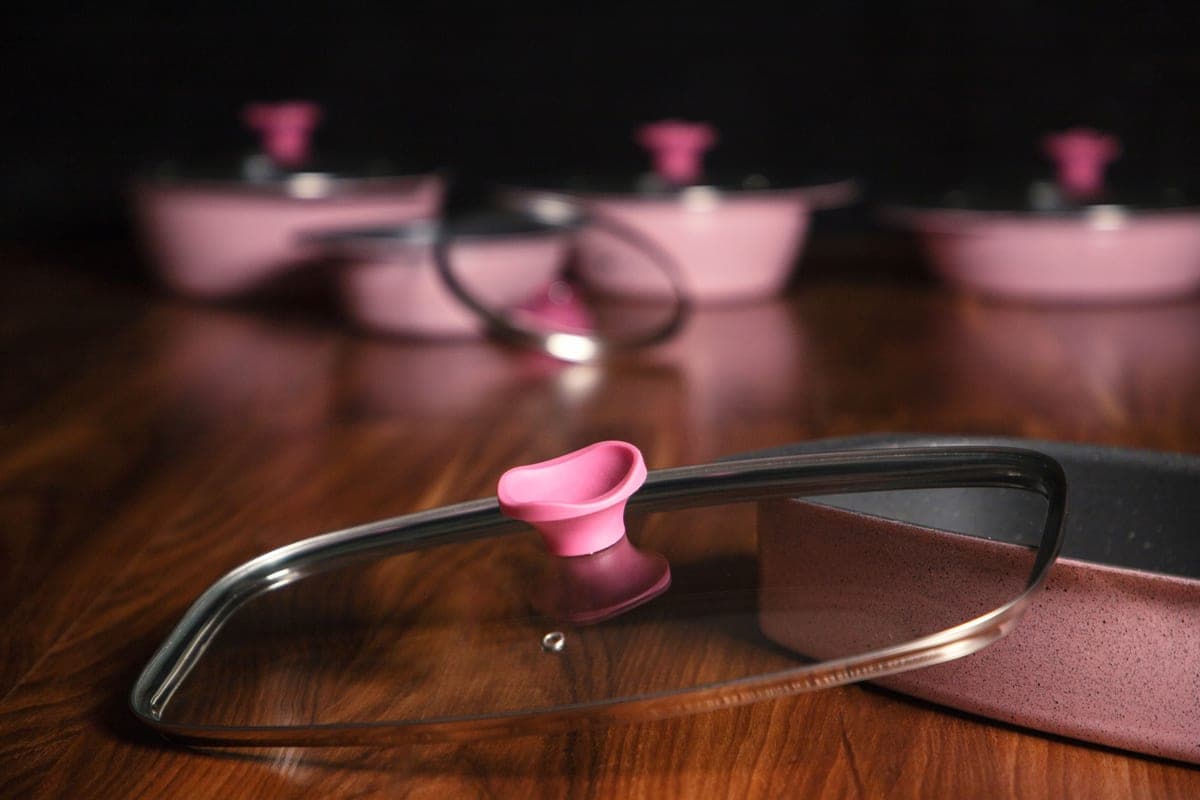 Tramontina Tri-Ply Clad SetFull tri-ply clad construction, 18/10 surface, a fraction of the price. | Best value | 3-ply clad: 18/10 stainless interior | |
| 3 | 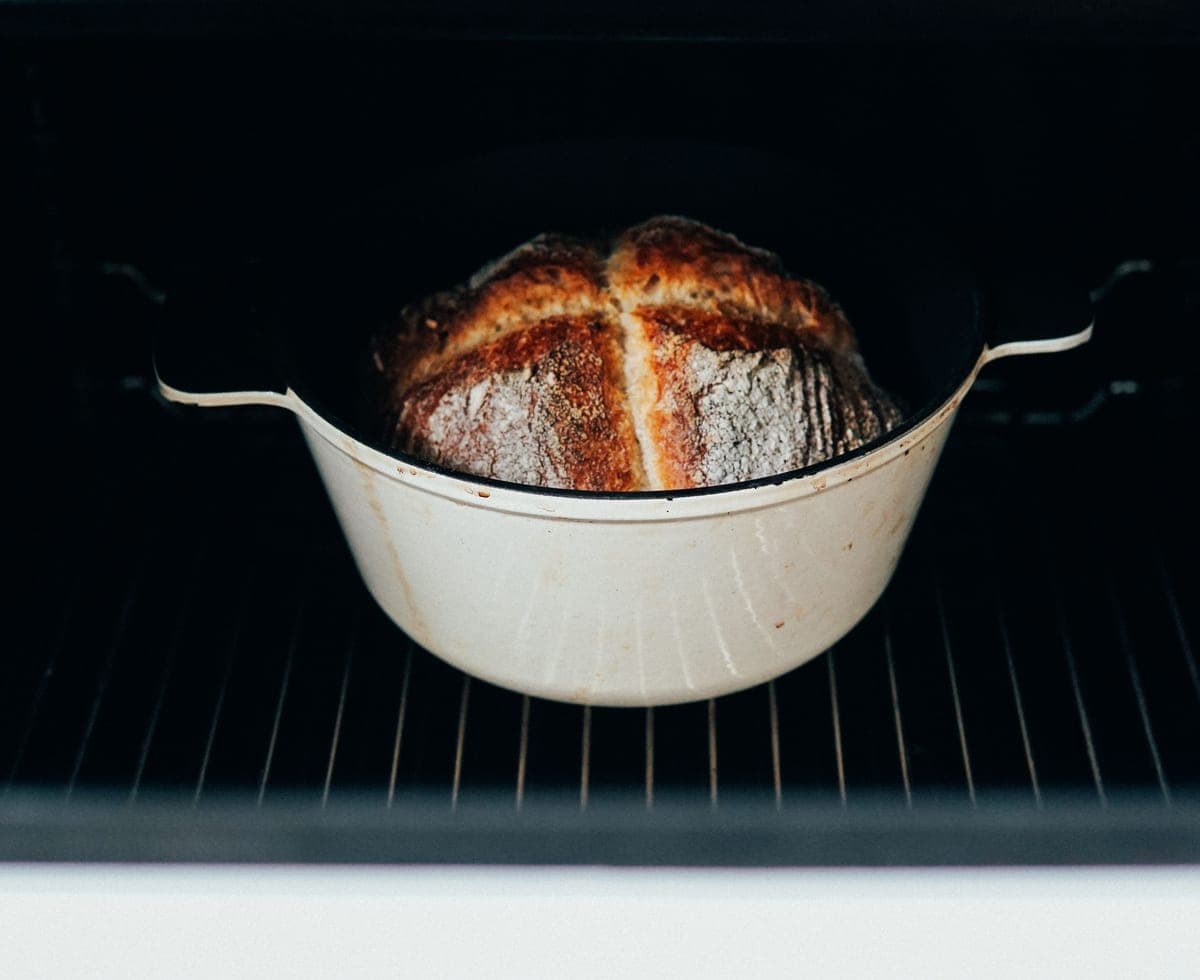 Le Creuset Enameled Dutch OvenIf you cook a lot of tomato, this is the material that removes the question. | Acidic cooking instead | Cast iron core with a fired vitreous enamel interior and exterior |
Tap a row to jump to that write-up. Prices are not shown on this site because they change — the button sends you to the live Amazon listing.
What it actually is
Stainless steel is iron alloyed with chromium — the chromium is what forms the passive oxide layer that makes it "stainless" — plus nickel in the grades used for cookware. 304 and 18/10 are overlapping descriptions of the same kind of steel: roughly 18% chromium and 8 to 10% nickel.
Good cookware is clad: a layer of aluminum (or several) bonded between stainless skins so heat spreads sideways instead of pooling over the burner. That construction is what separates a pan that cooks evenly from one that scorches in a ring, and it is unrelated to safety.
What the research measured
Three honest readings. The effect is real and was measured in a peer-reviewed journal, not inferred. The quantities are micrograms from a long acidic cook. And the effect shrinks as a pan ages, which means the worst case is a brand-new pan simmering tomato sauce all afternoon.
Separately, research on stainless utensils exposed to citric, tartaric and lactic acids found that leaching depends largely on the availability of free organic-acid anions to complex the metal ions — which is the mechanism behind why acid, specifically, is what drives this.
| Condition | Result |
|---|---|
| Tomato sauce, 6 hours | Nickel up to 26-fold higher, chromium up to 7-fold, varying by steel grade |
| Longer cooking times | Further increases: nickel up to 34-fold, chromium around 35-fold versus sauce cooked without stainless |
| Repeated cooking cycles | Leaching fell with each cycle, stabilizing after about the sixth |
| Tenth cycle, 126 g serving | An average of 88 micrograms nickel and 86 micrograms chromium |
Who should actually act on it
- People with diagnosed nickel sensitivity or allergy. This is the group for whom the finding is practically relevant; enameled cast iron is the direct substitute for long acidic cooking.
- Anyone who simmers tomato sauce for hours in a new stainless pot, where you can simply use enamel or glass instead.
- Everyone else: the numbers are small against dietary nickel generally, which comes mostly from food itself — nuts, legumes, chocolate, whole grains.
Heat limits and how it fails
There is no practical upper temperature. Stainless does not have a coating to degrade, and domestic cooking cannot damage the metal. What it does instead is discolor: the rainbow tinting people worry about is a thin oxide layer from heat and is cosmetic, and the white chalky spots are mineral deposits from hard water, removable with vinegar.
The genuine failure modes are mechanical: a warped base from thermal shock (never run cold water into a screaming-hot pan), and delamination at the bonded base on cheap disc-bottom pans, which is a construction defect rather than a material one.
Care that extends its life
- Preheat on medium until a water droplet skitters, then add fat, then food. This is the entire technique for stopping food sticking.
- Deglaze while hot. Liquid lifts the browned layer in seconds and cleans the pan at the same time.
- Use baking soda or a stainless scrubber on burnt-on residue. There is no coating to protect, so be as aggressive as you like.
- Vinegar for mineral spots, never for a long soak on the exterior if the pan has an aluminum-exposed rim.
- Do not shock it. Let a hot pan cool before it meets cold water, or it will warp.
What to buy
Two clad stainless options at different price points, plus the enamel alternative for anyone whose main cooking is acidic.
The picks in full
1. Best for Best construction
Made In Stainless Clad Set
5-ply clad, 304 stainless cooking surface, published specifications.
- Made of
- 5-ply stainless clad: 304 stainless cooking surface, aluminum core layers
- Certified to
- Manufacturer claimManufacturer claim; no third-party certification published.
- Construction
- 5-ply clad
- Cooking surface
- 304 stainless steel
- Coating
- None
More aluminum between the stainless skins means heat spreads better, which is the only meaningful quality difference in uncoated stainless. Construction and steel grade are published per line.
What you give up
Premium price and real technique.
Who it's for
A buy-once set.
Who should skip it
Budget buyers.
2. Best for Best value
Tramontina Tri-Ply Clad Set
Full tri-ply clad construction, 18/10 surface, a fraction of the price.
- Made of
- 3-ply clad: 18/10 stainless interior, aluminum core, magnetic stainless exterior
- Certified to
- Manufacturer claimManufacturer claim; no third-party certification published.
- Construction
- 3-ply clad
- Cooking surface
- 18/10 stainless steel
- Coating
- None
The construction that matters at a third of the premium cost. Cooking performance is close; what you give up is handle comfort and finish.
What you give up
Glass lids, less comfortable handles, scratches show sooner.
Who it's for
Equipping a kitchen with nothing that expires.
Who should skip it
Anyone wanting premium feel.
3. Best for Acidic cooking instead
Le Creuset Enameled Dutch Oven
If you cook a lot of tomato, this is the material that removes the question.
- Made of
- Cast iron core with a fired vitreous enamel interior and exterior
- Certified to
- Manufacturer claimManufacturer claim; no third-party certification published.
- Interior
- Sand-colored vitreous enamel
- Seasoning needed
- No
- Induction
- Yes
Fired enamel is inert against acid indefinitely, which is the one thing stainless does least well. For nickel-sensitive households doing long braises, this is the substitute.
What you give up
Weight, price, chip risk.
Who it's for
Braises, stews, nickel sensitivity.
Who should skip it
High-heat searing.
How we chose, and what we did not do
Every product on this page was checked against its published material composition and its third-party certifications, with each claim labeled as certified, manufacturer-stated or independently tested by a named party. We do not run a lab and we do not claim to have used these products — the full method is here.
Questions people actually ask
Does stainless steel cookware leach nickel?
Yes, in microgram quantities, driven by acid and prolonged contact. Kamerud et al. (2013) measured up to a 26-fold increase in nickel in tomato sauce after six hours of cooking, with leaching declining across repeated cooking cycles and stabilizing after about the sixth.
Is stainless steel safe for people with nickel allergy?
This is the group for whom the research is practically relevant. For long acidic cooking, enameled cast iron or glass avoids the transfer entirely. For brief cooking of non-acidic food the exposure is much smaller.
Is 304 stainless better than 18/10?
They describe very similar steels — 18/10 refers to the chromium and nickel percentages, 304 is an alloy designation with comparable composition. Neither is meaningfully safer; construction matters far more.
Why did my stainless pan turn rainbow-colored?
A thin oxide layer formed by heat. It is cosmetic and harmless, and a wipe with vinegar removes it. White chalky patches are mineral deposits from hard water, also harmless.
Can stainless steel cookware go in the dishwasher?
Yes. There is no coating to degrade. Detergent may dull the exterior polish over time but the cooking surface is unaffected.
Sources
- Kamerud, Hobbie and Anderson (2013), Stainless Steel Leaches Nickel and Chromium into Foods During Cooking, Journal of Agricultural and Food Chemistry
- Oregon State University Superfund Research Program — publication record for Kamerud et al. (2013)
- Made In Cookware (manufacturer)
- Le Creuset (manufacturer)
Read next
Kitchen & Cookware
Best stainless steel cookware sets
Clad stainless sets compared on ply construction and steel grade, with the nickel leaching evidence stated plainly.
Kitchen & Cookware
Ceramic vs stainless steel cookware: which is actually safer?
The category's central decision: a consumable coating against a measured trace metal transfer.
Kitchen & Cookware
The safest cookware materials, in one table
The flagship comparison table: every cookware material on PFAS status, heat limit, leaching concern and lifespan.

Kitchen & Cookware
Cast iron cookware, bare and enameled
Bare versus enameled cast iron: iron transfer, acidic cooking limits, seasoning chemistry and who should avoid it.
Written by Selena H., owner of Glass & Cotton.