Kitchen & Cookware
Cast iron cookware, bare and enameled
The only cookware surface you build yourself, and the only one that improves with age. It also puts iron in your food, which is not a side effect to ignore.
Last reviewed October 13, 2026 — Selena H.

Bare cast iron has no synthetic coating of any kind: the non-stick surface is cooking oil polymerized onto the iron by heat, which you create and can rebuild indefinitely. That makes it the only cookware surface on this site that is repairable rather than consumable, and it is why a hundred-year-old skillet is still a good pan.
It transfers iron into food, more so with acidic ingredients. For most people that is a mild nutritional benefit. For anyone with hemochromatosis or another iron-overload condition it is a genuine reason to avoid bare iron, and enameled cast iron is the version that does not do it.
Quick picks
| # | Product | Best for | Material | Price |
|---|---|---|---|---|
| 1 | Lodge Cast Iron Skillet (10.25 in)Domestically cast, vegetable-oil seasoned, under thirty dollars. | Bare cast iron | Bare cast iron | |
| 2 | 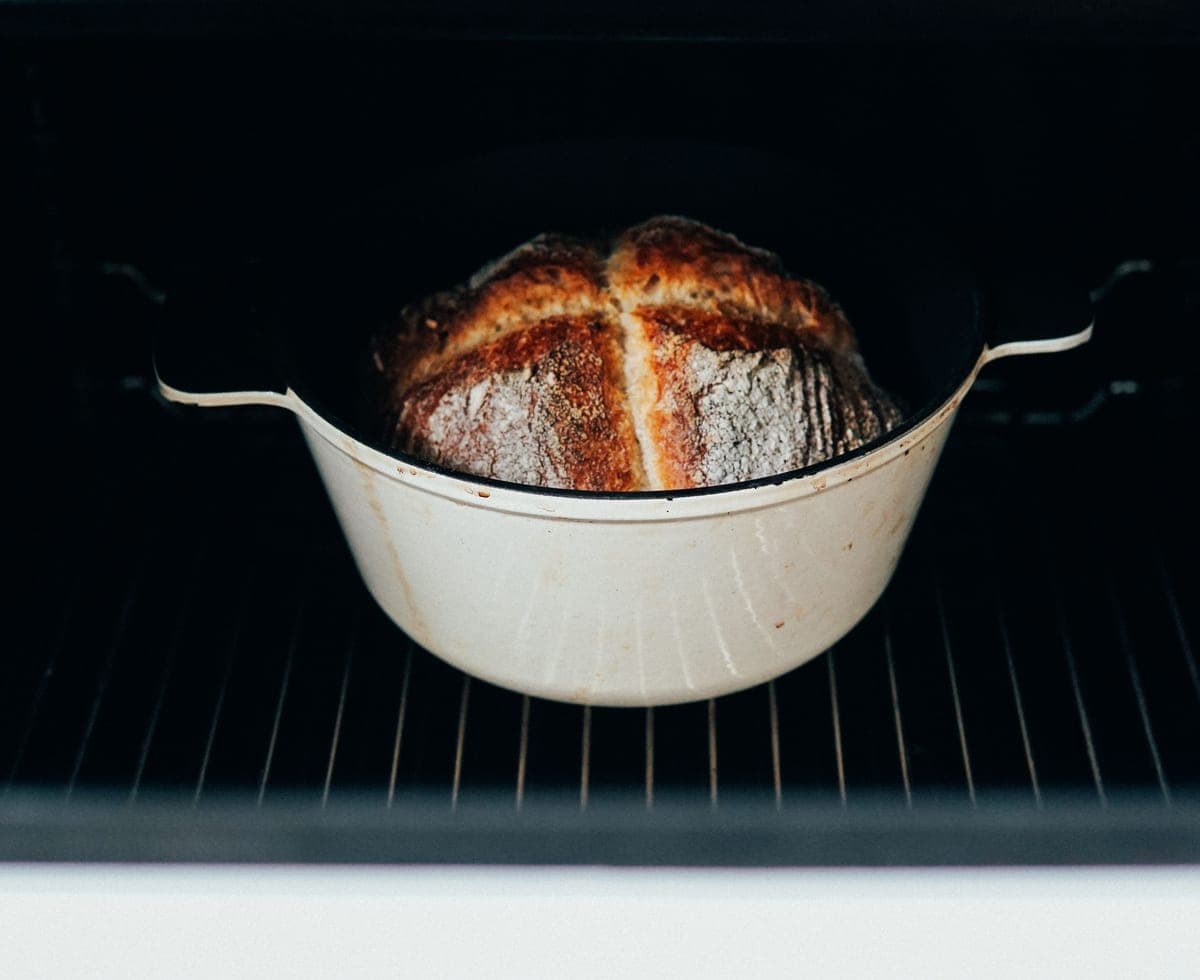 Le Creuset Enameled Dutch OvenFired enamel over iron. No seasoning, no iron transfer, unlimited acid. | Enameled cast iron | Cast iron core with a fired vitreous enamel interior and exterior | |
| 3 | 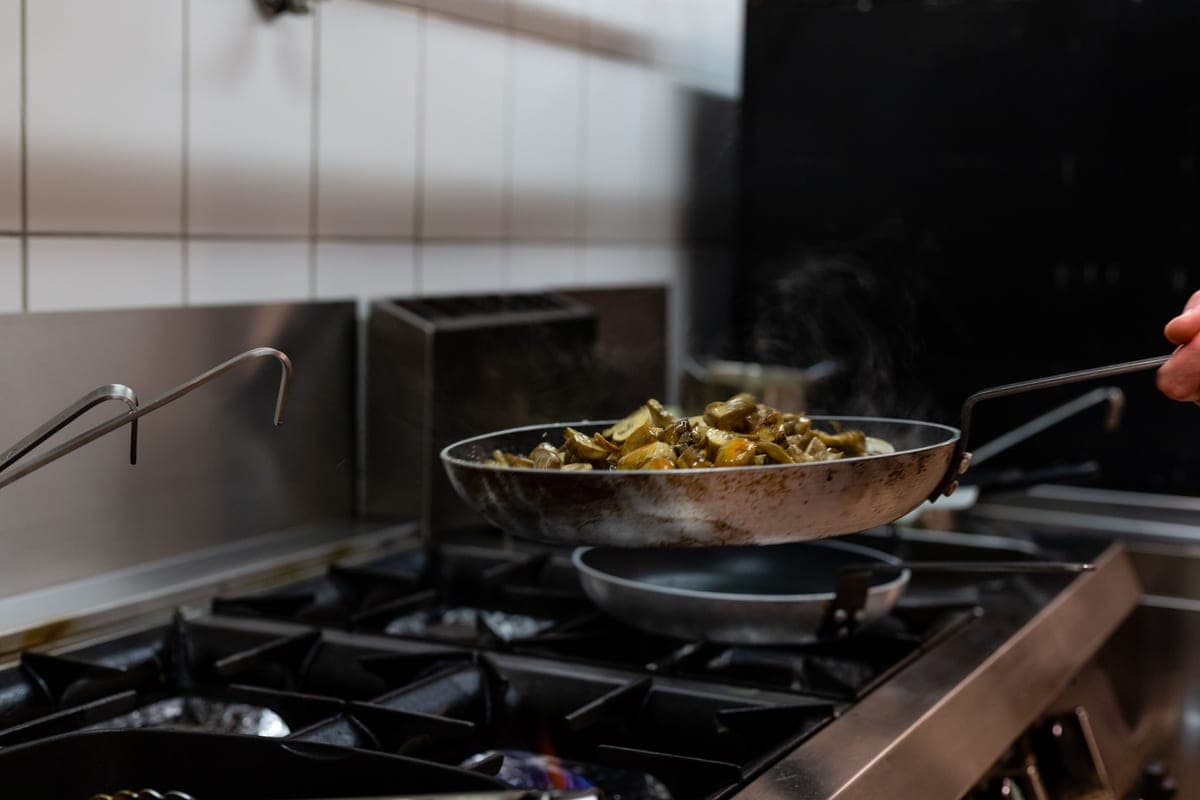 Lodge Carbon Steel SkilletSame seasoning chemistry, about a third less weight. | A lighter version | Pressed carbon steel |
Tap a row to jump to that write-up. Prices are not shown on this site because they change — the button sends you to the live Amazon listing.
What it actually is
Cast iron is iron with a carbon content of around 2 to 4%, poured into a mold. Bare cast iron is sold pre-seasoned — a factory layer of vegetable oil baked on — and the surface improves as you add to it. Enameled cast iron is the same iron body with vitreous enamel, essentially glass, fired onto it at high temperature.
Seasoning is not oil sitting on metal. Heated past its smoke point, oil polymerizes into a hard, plastic-like layer chemically bonded to the iron, which is why a well-seasoned pan is slick rather than greasy and why it survives scrubbing.
Iron transfer: the honest version
Cooking in bare cast iron adds iron to food, and the amount rises with acidity and cooking time. For most people this is either neutral or mildly beneficial — iron deficiency is far more common in the general population than iron overload.
The exception matters. People with hereditary hemochromatosis or another iron-overload condition should not use bare cast iron, and this is one of the few places on this site where we would give a flat instruction rather than a trade-off. Enameled cast iron has an inert glass surface and no iron transfer, so it is the straight substitute.
Heat limits and how it fails
There is no upper cooking temperature for bare cast iron: it will take a broiler, a grill and a campfire. Enameled cast iron is also high-heat tolerant, but should not be preheated empty at high heat, which can craze the enamel.
Failure modes differ. Bare iron's surface strips when it meets long acidic cooking or harsh dishwasher detergent, which is annoying but fully repairable. Rust forms if it is left wet, and also scrubs off and re-seasons. Enamel chips when knocked, and a chipped interior is the end of its useful life — the exposed iron rusts and the chip edge keeps spalling.
Acidic cooking: the one real limit on bare iron
A short tomato deglaze is fine. A two-hour tomato braise will strip seasoning, taste metallic and add considerably more iron than you wanted. This is not a safety emergency; it is a bad outcome for the food and for the pan.
So the division of labour in a cast-iron kitchen is simple: bare iron for searing, roasting, baking and frying; enameled cast iron, glass or stoneware for anything acidic and long.
Care, briefly, because it is simpler than the internet suggests
- Wash it. Hot water, a brush, and yes, soap is fine — modern dish soap does not strip polymerized seasoning. The myth predates detergent chemistry by decades.
- Dry it immediately, on a warm hob for a minute if you like.
- Wipe a very thin film of oil on while warm. Thin. A visible oily layer goes sticky.
- Cook in it. Frying and roasting build seasoning faster than any deliberate re-seasoning session.
- If it rusts or strips, rebuild it: scrub to bare metal, thin oil, 450F oven for an hour, repeat two or three times.
Where each version is right
| Bare cast iron | Enameled cast iron | |
|---|---|---|
| Surface | Polymerized oil you maintain | Fired vitreous enamel |
| Iron transfer | Yes, more with acid | None |
| Acidic cooking | Short contact only | Unlimited |
| Maintenance | Dry and oil after washing | None beyond normal washing |
| Failure mode | Rust or stripped seasoning — repairable | Chipped enamel — not repairable |
| Price | Lowest in cookware | Among the highest |
| Best for | Searing, baking, frying | Braises, stews, bread, acidic food |
What to buy
One of each, plus the lighter alternative for anyone who finds cast iron too heavy.
The picks in full
1. Best for Bare cast iron
Lodge Cast Iron Skillet (10.25 in)
Domestically cast, vegetable-oil seasoned, under thirty dollars.
- Made of
- Bare cast iron, factory-seasoned with vegetable oil
- Certified to
- Manufacturer claimManufacturer claim; no third-party certification published.
- Coating
- None. Polymerized oil seasoning only
- Oven safe
- Manufacturer states oven, grill and campfire safe
- Induction
- Yes
The standard against which cast iron is judged, at a price that makes the whole category accessible. Iron and polymerized oil, nothing else, works on every heat source.
What you give up
Factory seasoning needs building up. Weight, upkeep, no long acidic cooks.
Who it's for
Searing, baking, anyone starting out.
Who should skip it
Iron-overload conditions, limited grip strength.
2. Best for Enameled cast iron
Le Creuset Enameled Dutch Oven
Fired enamel over iron. No seasoning, no iron transfer, unlimited acid.
- Made of
- Cast iron core with a fired vitreous enamel interior and exterior
- Certified to
- Manufacturer claimManufacturer claim; no third-party certification published.
- Interior
- Sand-colored vitreous enamel
- Seasoning needed
- No
- Induction
- Yes
The version for everything bare iron cannot do: tomato, wine, vinegar, long braises, and no maintenance beyond washing.
What you give up
Price, weight, and chip risk that ends its life.
Who it's for
Braising and anyone avoiding iron transfer.
Who should skip it
High-heat dry searing.
3. Best for A lighter version
Lodge Carbon Steel Skillet
Same seasoning chemistry, about a third less weight.
- Made of
- Pressed carbon steel, factory-seasoned with vegetable oil
- Certified to
- Manufacturer claimManufacturer claim; no third-party certification published.
- Coating
- None. Seasoning only
- Weight
- Lighter than cast iron at the same diameter
- Oven safe
- Yes
Carbon steel seasons identically and has the same no-synthetic-coating story, with faster heat response and much less weight — the usual answer for people who wanted cast iron and could not lift it.
What you give up
Less heat retention, same maintenance.
Who it's for
Anyone who found cast iron too heavy.
Who should skip it
Acidic cooking, dishwashers.
How we chose, and what we did not do
Every product on this page was checked against its published material composition and its third-party certifications, with each claim labeled as certified, manufacturer-stated or independently tested by a named party. We do not run a lab and we do not claim to have used these products — the full method is here.
Questions people actually ask
Is cast iron cookware safe?
Yes. There is no synthetic coating — the surface is cooking oil polymerized onto iron. The one genuine exception is people with hemochromatosis or another iron-overload condition, who should use enameled cast iron instead because bare iron transfers iron into food.
Can you use soap on cast iron?
Yes. Modern dish soap does not strip polymerized seasoning; the myth dates from when soaps contained lye. What actually damages seasoning is long soaking, dishwashers and acidic cooking.
Can you cook tomatoes in cast iron?
Briefly, yes. A long acidic braise will strip seasoning, taste metallic and add substantially more iron to the food. Use enameled cast iron, glass or stoneware for those dishes.
Is enameled cast iron better than bare?
For acidic cooking and for anyone avoiding iron transfer, yes. For searing, high heat and value, bare iron wins — and its surface is repairable, whereas chipped enamel is not.
Does rusty cast iron need to be thrown out?
No. Scrub the rust back to bare metal, apply a very thin coat of oil, bake at around 450F for an hour, and repeat two or three times. Cast iron is effectively impossible to ruin.
Sources
Read next
Kitchen & Cookware
Carbon steel cookware
Carbon steel explained: seasoning, heat response, weight, and what it is wrong for.
Kitchen & Cookware
Enameled vs bare cast iron
Bare versus enameled cast iron: iron transfer, acidic cooking, searing and maintenance.
Kitchen & Cookware
The safest non-toxic frying pans, by what you cook in them
Five frying pans compared on cooking surface, heat limit and lifespan — the highest-value single swap in the kitchen.

Kitchen & Cookware
The safest cookware materials, in one table
The flagship comparison table: every cookware material on PFAS status, heat limit, leaching concern and lifespan.
Written by Selena H., owner of Glass & Cotton.