Kitchen & Cookware
Caraway cookware review: what it is made of, and what it is certified to
The best-documented coated cookware in the category, and still a product with a two-year horizon. Both of those are the review.
Last reviewed October 13, 2026 — Selena H.
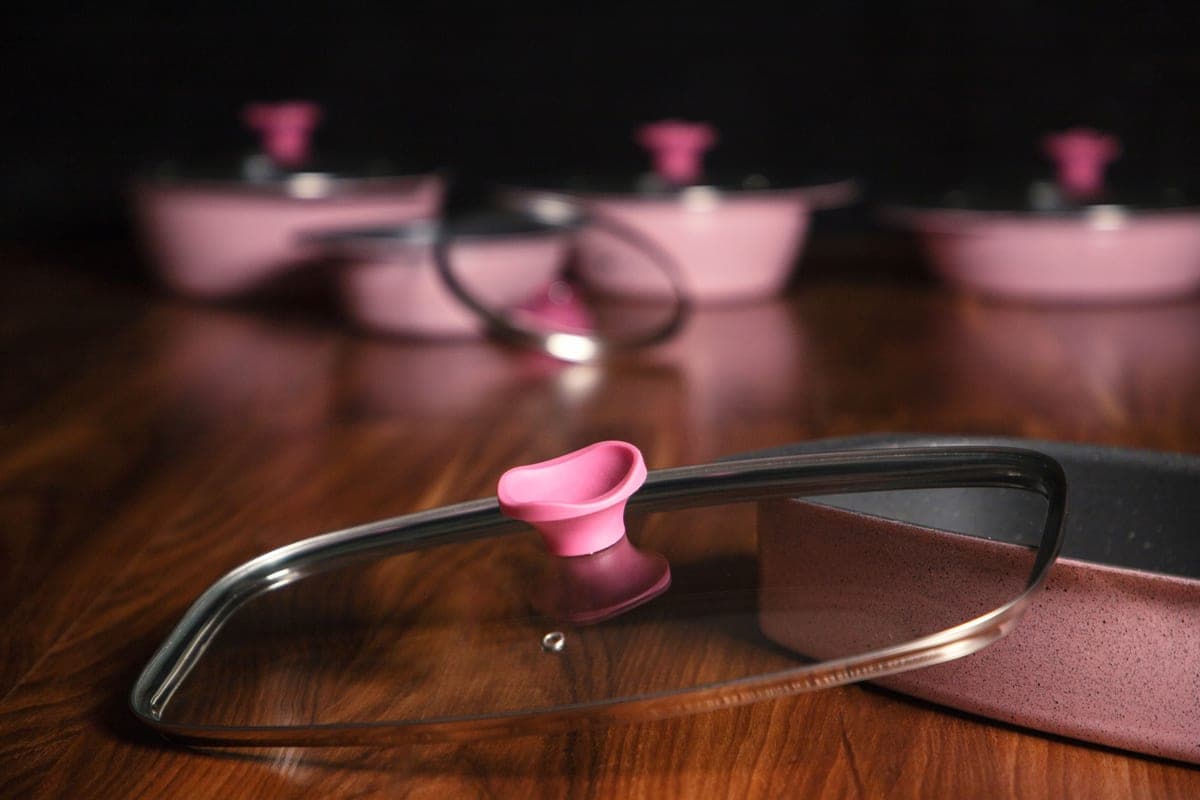
Caraway is the most-searched brand in non-toxic cookware and, to its credit, among the most forthcoming: it publishes the body material, the coating type, the handle and base-plate materials and the oven rating, which is more than most of this category manages.
What it does not publish — and nor does anyone else selling a coated pan — is how long the non-stick lasts. That omission is the center of this review, because for a consumable product it is the most important number there is.
Quick picks
| # | Product | Best for | Material | Price |
|---|---|---|---|---|
| 1 | Caraway Cookware SetBest-documented coated set in the category, with a consumable coating. | The product reviewed | Aluminum body | |
| 2 |  GreenPan Valencia ProA ceramic coating rated to 600F, from the longest-standing brand in the category. | More thermal headroom | Hard-anodized aluminum body with the brand's diamond-reinforced ceramic coating | |
| 3 |  Made In Stainless Clad Set5-ply clad stainless. Nothing in it expires, including the non-stick you never had. | The permanent alternative | 5-ply stainless clad: 304 stainless cooking surface | |
| 4 | 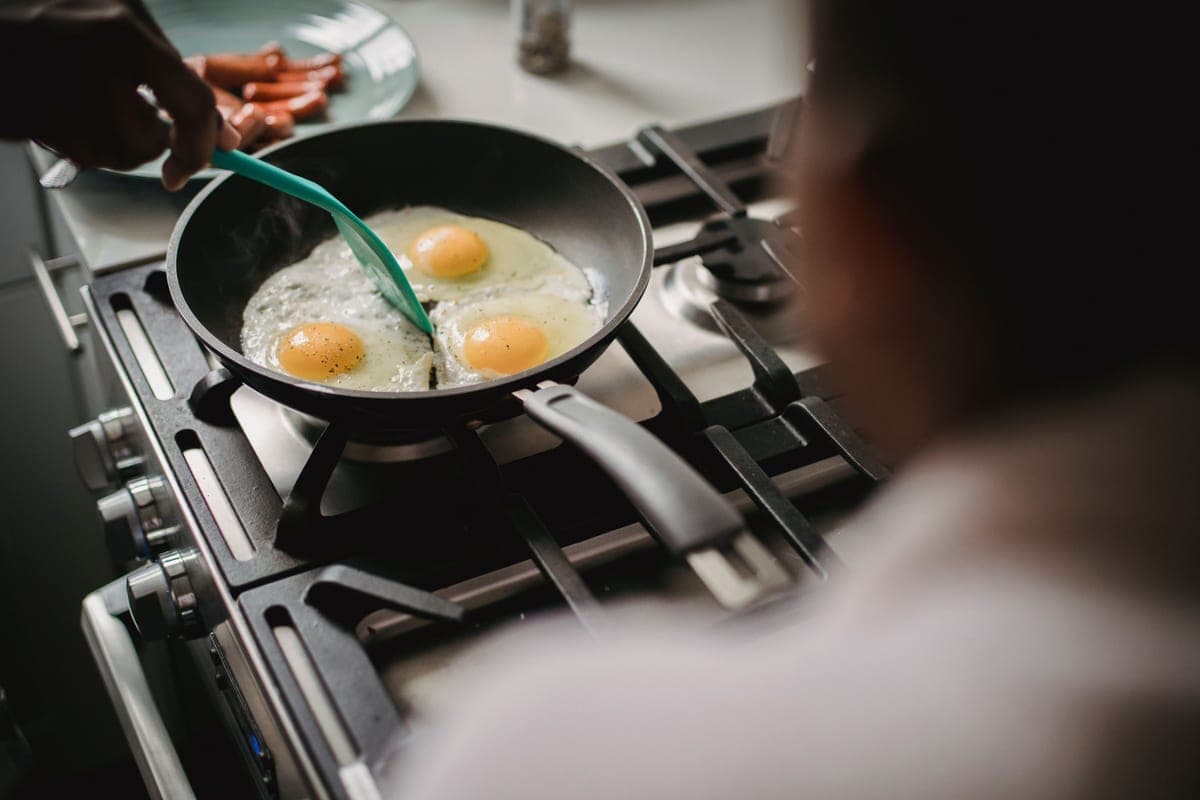 Xtrema Versa SkilletSolid ceramic through the body — the thing some Caraway buyers think they are getting. | No coating at all | 100% ceramic through-body (no metal core |
Tap a row to jump to that write-up. Prices are not shown on this site because they change — the button sends you to the live Amazon listing.
What it is actually made of
Caraway's ceramic-coated cookware is an aluminum body with a sol-gel mineral ceramic interior, stainless steel handles and a stainless base plate that makes it induction-compatible. The coating is described as a ceramic non-stick made with inorganic mineral ingredients, and the brand states the cookware is made without PTFE, PFOA, PFAS, lead and cadmium, with an oven rating of 550F.
That is a genuinely useful specification. It tells you the pan is a coated aluminum pan — not solid ceramic, which the category name leads some buyers to assume — and it tells you which coating family you are getting. Both facts are necessary to assess the product and both are frequently missing elsewhere.
What it is certified to
No named third-party certification for the cookware itself. The brand states its products are third-party tested for over 600 types of forever chemicals, which is a reasonable thing to do and a reasonable thing to say — but a claim about testing is not a published test, and we have not found a lab report to read.
So the honest label for this product is manufacturer claim; no third-party certification published. That is not an accusation. Cookware has very few applicable third-party marks, unlike textiles or water filters, so the absence is normal for the category rather than specific to this brand. What we will not do is upgrade a company's statement about its own testing into a verification.
What owners complain about
The recurring, substantive complaint across this category and this brand is loss of non-stick performance within one to three years, with no way to restore it. The pattern described is consistent: excellent release for the first year, gradual decline, then a pan that sticks and cannot be rescued by oiling, polishing or any of the circulating remedies.
The second recurring complaint is that the coating is intolerant of high heat and metal utensils in ways the marketing does not foreground. Both complaints are about the category rather than this brand specifically, and both are things we would rather tell you before you buy than after.
What you give up
Permanence, and a meaningful amount of money per year of use. A premium coated set is a repeat purchase on a two-to-three-year cycle, so the honest way to price it is the box price divided by those years — at which point an uncoated clad stainless set that lasts decades looks very different.
You also give up high-heat cooking. This is not a searing pan and treating it as one will end it early.
Who it is for, and who should skip it
- For households cooking eggs, fish and pancakes daily who want non-stick without a fluoropolymer, and who accept a replacement cycle.
- For people who want a matched set that looks good on a hob, which is a legitimate thing to buy.
- Skip it if you want to buy cookware once. Uncoated stainless, cast iron or carbon steel is the answer there.
- Skip it if you sear regularly, or if you are the kind of cook who preheats a pan empty on high.
- Skip it if you specifically need a verifiable third-party certificate, which this product does not have.
Alternatives we would pick instead
Depending on which part of the Caraway proposition you actually want: a higher heat rating in the same coated category, a permanent uncoated set, or the solid-ceramic route with no coating at all.
The picks in full
1. Best for The product reviewed
Caraway Cookware Set
Best-documented coated set in the category, with a consumable coating.
- Made of
- Aluminum body, sol-gel mineral ceramic coating, stainless steel handles and base plate
- Certified to
- Manufacturer claimManufacturer claim; no third-party certification published.
- Oven safe
- Manufacturer states 550F
- Coating type
- Ceramic (sol-gel), no PTFE
- Induction
- Yes, stainless base plate
Published aluminum body, sol-gel ceramic interior, stainless handles and base plate, 550F rating, and a stated third-party testing program we report as the brand's claim. If you want a coated set with the most available disclosure, this is it.
What you give up
One to three years of good non-stick, and no way to restore it. Premium pricing for a product with that horizon.
Who it's for
Egg-heavy households that want no fluoropolymer and accept replacing the set.
Who should skip it
Anyone who wants the purchase to be permanent, or who cooks on high heat.
2. Best for More thermal headroom
GreenPan Valencia Pro
A ceramic coating rated to 600F, from the longest-standing brand in the category.
- Made of
- Hard-anodized aluminum body with the brand's diamond-reinforced ceramic coating
- Certified to
- Manufacturer claimManufacturer claim; no third-party certification published.
- Coating type
- Ceramic (Thermolon), no PTFE
- Oven safe
- Manufacturer states 600F
- Dishwasher
- Manufacturer states safe
If the coating's enemy is heat, buy the one with more margin. GreenPan rates this line higher than most of the category and has been making ceramic coatings longer than anyone currently selling into it.
What you give up
Still consumable, and hard-anodized aluminum wants hand washing.
Who it's for
Ceramic non-stick for cooks who sometimes run the pan hotter than they should.
Who should skip it
Regular searing.
3. Best for The permanent alternative
Made In Stainless Clad Set
5-ply clad stainless. Nothing in it expires, including the non-stick you never had.
- Made of
- 5-ply stainless clad: 304 stainless cooking surface, aluminum core layers
- Certified to
- Manufacturer claimManufacturer claim; no third-party certification published.
- Construction
- 5-ply clad
- Cooking surface
- 304 stainless steel
- Coating
- None
The honest comparison for anyone weighing a premium coated set: the same money in uncoated clad stainless buys cookware with no consumable surface at all. You pay in technique rather than in replacement cycles.
What you give up
Eggs need preheat and fat, and cleaning is scrubbing.
Who it's for
Buy-once kitchens.
Who should skip it
Fat-free egg cooking.
4. Best for No coating at all
Xtrema Versa Skillet
Solid ceramic through the body — the thing some Caraway buyers think they are getting.
- Made of
- 100% ceramic through-body (no metal core, no surface coating)
- Certified to
- Manufacturer claimManufacturer claim; no third-party certification published.
- Construction
- Solid ceramic, not a coated metal pan
- Oven and broiler
- Manufacturer states oven, broiler and grill safe
- Induction
- No
Worth naming because the confusion is common: this is cookware made of ceramic rather than coated with it, so there is no coating to lose and no aluminum underneath.
What you give up
Slow, breakable, not induction compatible, and not actually non-stick.
Who it's for
Low-and-slow cooking with the fewest unknowns.
Who should skip it
Induction cooktops and fast weeknight cooking.
How we chose, and what we did not do
Every product on this page was checked against its published material composition and its third-party certifications, with each claim labeled as certified, manufacturer-stated or independently tested by a named party. We do not run a lab and we do not claim to have used these products — the full method is here.
Questions people actually ask
Is Caraway cookware actually non-toxic?
Its coating is a sol-gel ceramic with no PTFE, which is what most buyers mean by the question, and the brand states its products are made without PFOA, PFAS, lead and cadmium. Those are manufacturer claims; we have not found a published lab report to verify them against.
How long does Caraway cookware last?
The pans last for years; the non-stick lasts one to three. No coated-cookware brand publishes a figure, and nothing restores a sol-gel coating once its release is gone.
Is Caraway worth the price?
It depends on whether you divide the price by the coating's life. As a two-to-three-year purchase it is expensive; as the best-documented coated set available it is defensible. If permanence matters more than release, uncoated stainless is the better use of the same money.
Can you use metal utensils on Caraway pans?
You can, and it will shorten the coating's life substantially. Wood or platinum-cured silicone costs very little and roughly doubles how long any coated pan stays useful.
Is Caraway oven safe?
The brand states 550F for its ceramic cookware, which is higher than much of the coated category. Treat a stated rating as a limit rather than a target, and never preheat a coated pan empty.
Sources
- Caraway Home (manufacturer)
- US EPA — Our Current Understanding of the Human Health and Environmental Risks of PFAS — Regulator overview of PFAS persistence and health endpoints
- US FDA — Authorized Uses of PFAS in Food Contact Applications
- Science News — Sticky situation: nonstick surfaces can turn toxic at high heat
Read next
Kitchen & Cookware
Caraway vs Our Place: which is actually the safer buy?
Caraway's set versus the Always Pan: oven rating, disclosure and how many vessels you actually want.
Kitchen & Cookware
Caraway vs GreenPan: disclosure or heat tolerance?
Caraway versus GreenPan on coating, heat rating and track record — and which difference actually matters.
Kitchen & Cookware
Caraway vs Carote: what does the premium actually buy?
Premium versus budget ceramic coating, and whether the disclosure gap justifies the price gap.
Kitchen & Cookware
Is ceramic cookware safe?
What a sol-gel ceramic coating is, how it fails, and the one-to-three-year lifespan nobody publishes.
Written by Selena H., owner of Glass & Cotton.