Pets & Fitness
TPE vs natural rubber yoga mats
Rubber wins on grip and disclosure. TPE wins on weight and latex. Neither is the clean answer the marketing claims.
Last reviewed October 13, 2026 — Selena H.
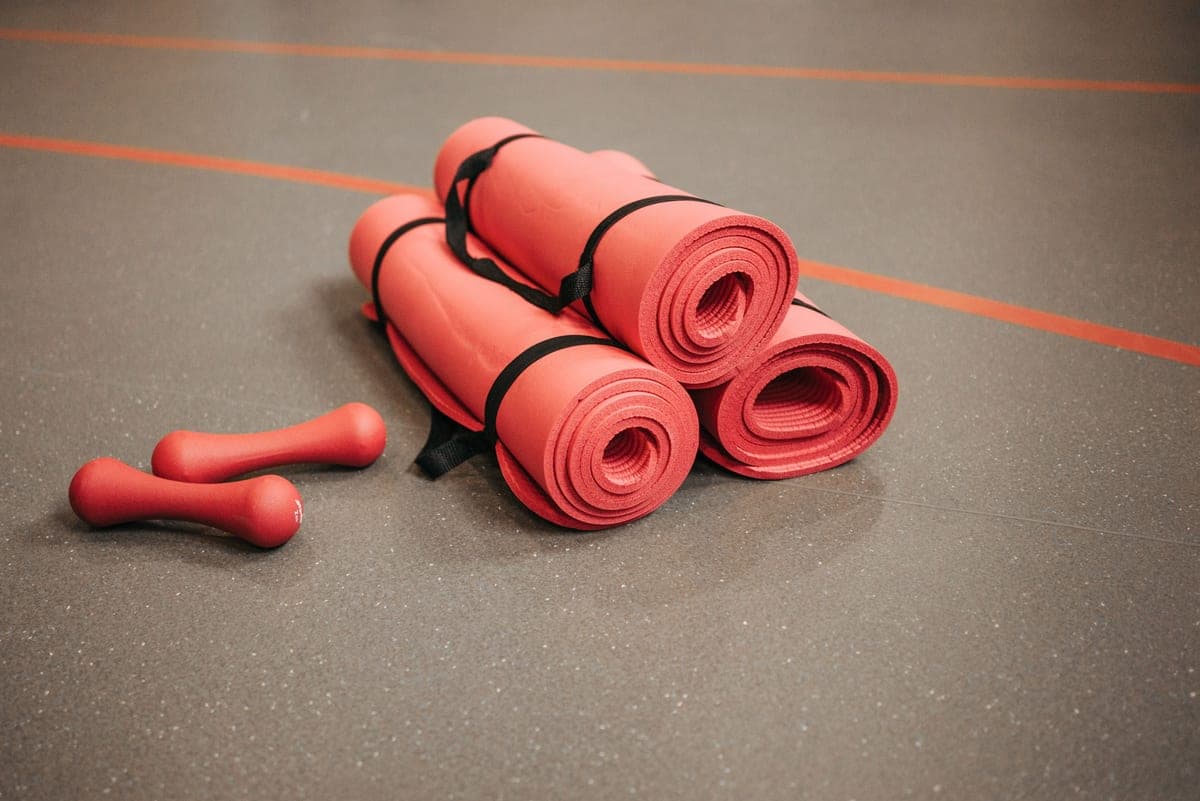
The verdict. Buy natural rubber if you sweat, because nothing grips better when wet and the composition is a single disclosed material. Buy TPE if you have a latex sensitivity, need a light mat to carry, or cannot tolerate rubber's initial smell — accepting that TPE is a polymer blend whose exact composition is often not published.
And the thing neither camp mentions: the longest-lasting mats in this category are PVC, and a mat that survives a decade has a real argument against replacing a perfectly good one. We would rather name that than pretend it away.
Quick picks
| # | Product | Best for | Material | Price |
|---|---|---|---|---|
| 1 | Manduka eKO Natural Rubber MatNatural tree rubber with a polyester scrim. The grip benchmark. | Natural rubber | Natural tree rubber with a polyester scrim | |
| 2 | JadeYoga Harmony MatOpen-cell natural rubber — the grippiest mat here when wet. | Best wet grip | Open-cell natural rubber | |
| 3 | Manduka PRO Yoga MatClosed-cell PVC made without phthalates per the brand. Lasts a decade. | Longevity, with the PVC caveat | Closed-cell PVC made without phthalates per the brand |
Tap a row to jump to that write-up. Prices are not shown on this site because they change — the button sends you to the live Amazon listing.
The specification, side by side
| Natural rubber | TPE | |
|---|---|---|
| What it is | Tree rubber, a single named material | Thermoplastic elastomer — a blend, composition often undisclosed |
| Wet grip | Best in the category | Moderate; gets slippery |
| Latex | Yes — not for latex allergies | None |
| Weight | Heavy | Light |
| Smell when new | Strong, fades over weeks | Mild |
| UV | Degrades in sunlight | More tolerant |
| Lifespan | Good | Fair — compresses and tears sooner |
| Disclosure | Simple to state | Usually vague |
The disclosure problem with TPE
TPE is not a material; it is a family of blends. A mat described as TPE could be any of several polymer combinations, and most brands do not publish which. That does not make it harmful — it makes it unassessable, which on this site is a different and still-significant criticism.
Natural rubber has the opposite property. It is one named material from a tree, which makes its composition trivially easy to state, and the one real limitation — latex — is obvious and declared.
Grip is the thing that actually matters
For any vigorous or heated practice, wet grip is the difference between a mat you can use and one you cannot. Natural rubber is clearly best here, which is why it dominates among people who sweat on purpose.
TPE's grip is acceptable dry and degrades noticeably when wet. If your practice is gentle and your hands stay dry, that may not matter at all, and the weight saving is a genuine daily benefit if you carry a mat.
The PVC point, made honestly
PVC mats last longer than anything else in this category — ten years of hard use is normal, and the premium PVC mats carry lifetime guarantees. PVC is also the material most people in this category are trying to avoid.
Both of those are true at once, and there is a real environmental argument that a decade-long PVC mat beats three TPE mats in the same period. If you already own a good PVC mat, the most defensible thing to do is keep using it until it wears out.
Choose natural rubber if...
- You sweat, or practice heated yoga.
- You want a single disclosed material.
- The mat lives at home rather than being carried daily.
Choose TPE if...
- You have a latex sensitivity, which is a sufficient reason on its own.
- You carry your mat and weight matters.
- You cannot tolerate rubber's initial smell.
A third option worth knowing
Cork over a rubber backing: excellent wet grip, a naturally antimicrobial surface, and a pleasant feel. It is heavy and the backing is still rubber, so it does not solve the latex question — but for grip plus a non-plastic top surface it is the best of both.
The picks in full
1. Best for Natural rubber
Manduka eKO Natural Rubber Mat
Natural tree rubber with a polyester scrim. The grip benchmark.
- Made of
- Natural tree rubber with a polyester scrim
- Certified to
- Manufacturer claimManufacturer claim; no third-party certification published.
- Material
- Natural rubber
- Latex
- Yes. Not for latex allergies
- Smell
- Strong at first, fades
A single named primary material with the best wet grip in the category, from a brand that publishes what it is.
What you give up
Latex, a strong initial smell, real weight, and UV degradation if left in the sun.
Who it's for
Sweaty and heated practice.
Who should skip it
Latex allergies and daily carrying.
2. Best for Best wet grip
JadeYoga Harmony Mat
Open-cell natural rubber — the grippiest mat here when wet.
- Made of
- Open-cell natural rubber
- Certified to
- Manufacturer claimManufacturer claim; no third-party certification published.
- Material
- Natural rubber
- Grip
- Best wet grip of the three
- Wear
- Open cell. It sheds over time
Open-cell construction means it grips even better than closed-cell rubber when damp, which is the single most useful property in a hot class.
What you give up
Open cell absorbs sweat and sheds over time, so it wears faster. Latex.
Who it's for
Hot yoga.
Who should skip it
Latex allergies, and anyone who wants a mat to last a decade.
3. Best for Longevity, with the PVC caveat
Manduka PRO Yoga Mat
Closed-cell PVC made without phthalates per the brand. Lasts a decade.
- Made of
- Closed-cell PVC made without phthalates per the brand
- Certified to
- Manufacturer claimManufacturer claim; no third-party certification published.
- Material
- PVC, phthalate-free per the brand
- Lifespan
- Very long. Lifetime guarantee on the PRO
- Note
- PVC is the trade-off. Say so out loud
Named here because honesty requires it: this is the longest-lasting mat in the category and carries a lifetime guarantee, which is a real environmental argument against three shorter-lived mats.
What you give up
It is PVC, which is the material most readers of this page are avoiding. Moderate wet grip.
Who it's for
Anyone prioritizing lifespan, or already owning one.
Who should skip it
Anyone avoiding PVC, which is a legitimate position.
How we chose, and what we did not do
Every product on this page was checked against its published material composition and its third-party certifications, with each claim labeled as certified, manufacturer-stated or independently tested by a named party. We do not run a lab and we do not claim to have used these products — the full method is here.
Questions people actually ask
Is TPE or natural rubber better for a yoga mat?
Natural rubber for grip and for having a single disclosed composition; TPE for weight and for latex sensitivity. TPE's weakness is that it is a blend whose exact composition most brands do not publish, which makes it hard to assess rather than harmful.
Are natural rubber mats safe for latex allergies?
No. Natural rubber is a latex product and should be avoided by anyone with a latex allergy. TPE or cork over a non-rubber backing is the alternative.
Why does my rubber mat smell?
Natural rubber has a strong odor when new that fades over a few weeks. Airing it out of direct sunlight speeds it up; sunlight itself degrades the rubber.
Should I replace a PVC mat I already own?
Probably not until it wears out. PVC mats last around a decade, and replacing a functioning one with three shorter-lived mats over the same period is a worse outcome on most measures.
Sources
- US EPA — Our Current Understanding of the Human Health and Environmental Risks of PFAS — Regulator overview of PFAS persistence and health endpoints
- MADE SAFE — certified companies directory
- California OEHHA — Proposition 65 guidance for businesses — Safe-harbour levels, and when a warning is and is not required
Read next
Pets & Fitness
Best non-toxic yoga mats
Natural rubber, cork and TPE compared on grip, disclosure and lifespan — with the PVC point named.
Pets & Fitness
PFAS in activewear: the shell, not the leggings
Which activewear categories carry fluorinated finishes, what PFC-free DWR actually means, and how to check.
Pets & Fitness
Best non-toxic water bottles
Stainless and glass bottles with cap options that are not plastic — the part most buyers overlook.

Kitchen & Cookware
Is silicone safe for cooking?
Platinum versus peroxide-cured silicone, what temperature ratings mean, and when to retire a tool.
Written by Selena H., owner of Glass & Cotton.