Pets & Fitness
PFAS in activewear: the shell, not the leggings
This one is narrower than the internet suggests. The finish is the issue, and most gym clothes do not have one.
Last reviewed October 13, 2026 — Selena H.
The honest version of this topic is narrower than the headline version. Polyester and nylon are not PFAS. The fluorinated chemistry in textiles is in the finishes applied to repel water, oil and stains — which means a rain shell or a stain-resistant fabric raises the question and a pair of plain leggings largely does not.
EPA describes PFAS as a family of synthetic chemicals, many of which break down very slowly and can build up in people, animals and the environment over time. That is the reason a durable surface treatment is worth asking about; it is not a reason to replace a gym wardrobe.
Quick picks
| # | Product | Best for | Material | Price |
|---|---|---|---|---|
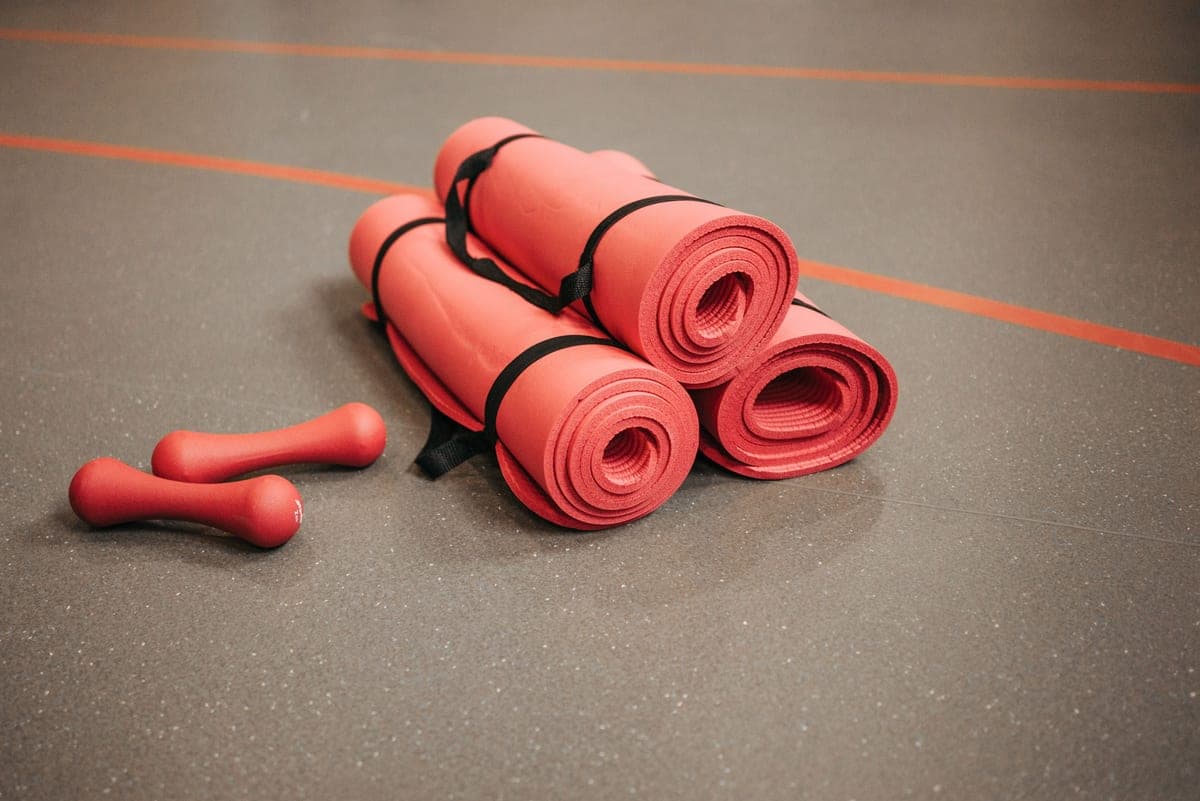
| 1 | Manduka eKO Natural Rubber MatNatural rubber with a disclosed composition and no repellent finish. | The equipment, not the clothing | Natural tree rubber with a polyester scrim | |
| 2 | 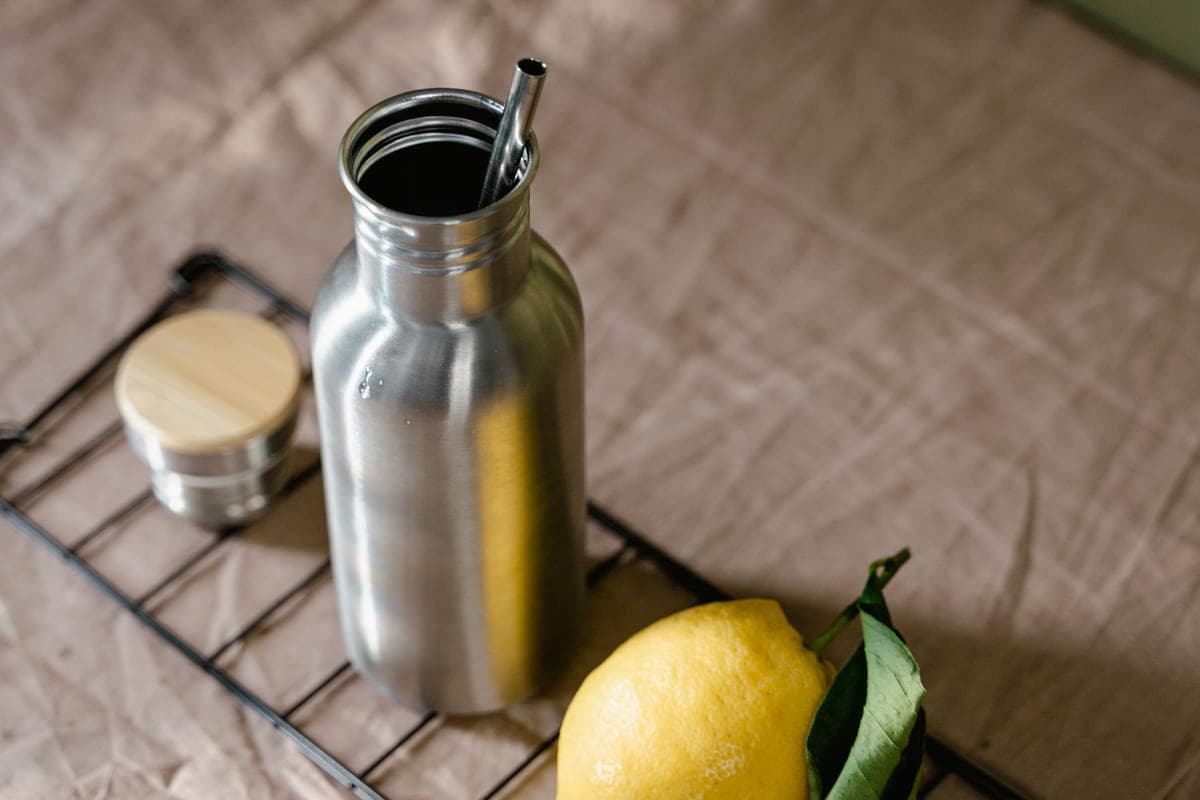 Klean Kanteen Classic Insulated Bottle18/8 stainless with cap options that are not plastic. | The other gym purchase | 18/8 stainless steel interior |
Tap a row to jump to that write-up. Prices are not shown on this site because they change — the button sends you to the live Amazon listing.
The 45-second answer
Fluorinated finishes are used for water and oil repellency, so they live in rain shells, water-resistant layers and stain-treated fabrics. Plain performance synthetics, sweat-wicking fabrics and most gym clothing have no functional reason to carry them. The check is to look for DWR or water-repellent claims and ask whether the treatment is PFC-free.
Where the finishes actually are
| Item | Likelihood | Why |
|---|---|---|
| Rain shell / hardshell jacket | High historically | DWR is the function of the garment |
| Water-resistant running jacket | Moderate to high | Same mechanism, lighter treatment |
| Stain-treated or wipe-clean fabric | Moderate | Oil repellency specifically |
| Waterproof membrane (PTFE-based) | By definition | Some membranes are expanded PTFE |
| Plain leggings, shorts, tees | Low | No repellency function |
| Sweat-wicking base layers | Low | Wicking is a fiber and knit property, not a finish |
| Compression wear | Low | No repellency function |
What PFC-free DWR means
Durable water repellent is the finish that makes rain bead up and roll off a shell. The traditional chemistry for it is fluorinated, because nothing else repels both water and oil as effectively.
Many outdoor brands have moved to non-fluorinated alternatives, usually silicone or paraffin based, and market them as PFC-free. Those work well on water and poorly on oil — which is a genuine functional trade-off, honestly stated by the better brands. A PFC-free shell will shrug off rain and will mark more easily from sunscreen or skin oils, and will need reproofing sooner.
What to check, and what to ignore
- Does the garment claim water repellency? If not, there is probably no finish to ask about.
- If it does, ask whether the DWR is PFC-free. Brands that have switched say so prominently.
- Check the membrane on a hardshell. Some waterproof membranes are expanded PTFE; alternatives exist and are advertised.
- Search the care label for "stain" and "repellent".
- Ignore "PFAS-free" as a standalone claim — unregulated and uncertified. Ask what the treatment is instead.
Proportion, honestly
Your gym leggings are not the problem this topic describes, and replacing a wardrobe over it would be an expensive response to a small exposure. The finish is designed to stay on the fabric rather than migrate off it, and regulators have prioritized drinking water and food contact for good reasons.
What is worth doing: when you next buy a rain shell, ask about the DWR; wash performance fabrics in a full load rather than constantly; and if you want to reduce microfibre shedding generally, wash less often and at lower temperatures. None of that requires buying anything.
What to buy instead
There is no honest product pick for this page. We do not cover apparel, we have not assessed any garment's finish, and recommending a jacket we have not verified would be exactly the kind of tenuous pick this site tells other sites off for. The gear below is the adjacent equipment we have actually assessed.
The picks in full
1. Best for The equipment, not the clothing
Manduka eKO Natural Rubber Mat
Natural rubber with a disclosed composition and no repellent finish.
- Made of
- Natural tree rubber with a polyester scrim
- Certified to
- Manufacturer claimManufacturer claim; no third-party certification published.
- Material
- Natural rubber
- Latex
- Yes. Not for latex allergies
- Smell
- Strong at first, fades
A mat is the piece of fitness equipment with the most skin contact, and natural rubber is a single named material with no applied finish to ask about — which is the same logic this guide applies to fabric, in a product we can actually assess.
What you give up
Latex, a strong initial smell, and real weight.
Who it's for
Anyone applying this guide's logic to gear they can verify.
Who should skip it
Latex allergies.
2. Best for The other gym purchase
Klean Kanteen Classic Insulated Bottle
18/8 stainless with cap options that are not plastic.
- Made of
- 18/8 stainless steel interior, stainless or bamboo cap
- Certified to
- Manufacturer claimManufacturer claim; no third-party certification published.
- Water contact
- 18/8 stainless, uncoated
- Cap
- Stainless or bamboo options
- Note
- Avoid the plastic-lined sport caps if that matters to you
The bottle is where materials actually meet your mouth during exercise, and this is the version with a non-plastic cap option. A verifiable swap, unlike a jacket finish.
What you give up
Heavier than plastic, and sport caps are polymer.
Who it's for
Everyone who exercises.
Who should skip it
Anyone wanting the lightest possible bottle.
How we chose, and what we did not do
Every product on this page was checked against its published material composition and its third-party certifications, with each claim labeled as certified, manufacturer-stated or independently tested by a named party. We do not run a lab and we do not claim to have used these products — the full method is here.
Questions people actually ask
Does activewear contain PFAS?
The fluorinated chemistry is in water- and stain-repellent finishes, so it is found mainly in rain shells and treated fabrics. Plain leggings, shorts and wicking base layers have no repellency function and generally no finish.
What does PFC-free DWR mean?
A durable water repellent made without fluorinated compounds, usually silicone or paraffin based. It repels water well and oil poorly, needs reproofing sooner, and marks more easily from sunscreen and skin oils.
Should I replace my workout clothes?
No. This is a finish question rather than a fiber question, and most gym clothing carries no repellent finish. Ask about the DWR when you next buy a shell.
Are waterproof jackets all PTFE?
Some waterproof membranes are expanded PTFE, and non-fluorinated membrane alternatives exist and are advertised as such. The membrane and the surface DWR are two separate things to ask about.
Sources
- US EPA — Our Current Understanding of the Human Health and Environmental Risks of PFAS — Regulator overview of PFAS persistence and health endpoints
- US FDA — PFAS used as grease-proofing agents in food packaging are no longer sold in the US — February 2024 update confirming the completed phase-out
- Global Organic Textile Standard (GOTS) — the standard — Whole-supply-chain certification: fiber, chemical inputs, wastewater, social criteria
- OEKO-TEX — STANDARD 100 — Harmful-substance testing by product class. Not an organic-content claim
Read next

Bedding & Home
PFAS in textiles: the finish, not the fiber
Where fluorinated finishes appear in household textiles, the label words to search for, and what regulators have done.

Kitchen & Cookware
What PFAS actually means in cookware
PFAS, PFOA and PTFE separated with sources, plus what the labels can and cannot promise.
Pets & Fitness
Best non-toxic yoga mats
Natural rubber, cork and TPE compared on grip, disclosure and lifespan — with the PVC point named.
Pets & Fitness
Best non-toxic water bottles
Stainless and glass bottles with cap options that are not plastic — the part most buyers overlook.
Written by Selena H., owner of Glass & Cotton.