Baby & Kids
BPA, BPS and BPF: the substitution problem
Removing a named chemical and replacing it with its less-studied cousin is the most common pattern in this entire market.
Last reviewed October 13, 2026 — Selena H.
BPA — bisphenol A — became the most publicly recognized chemical name in consumer plastics, and the market responded by removing it. What it generally did not do was replace it with nothing. The common substitutes are bisphenol S and bisphenol F, which are structurally related compounds in the same family.
That is the substitution problem, and it recurs throughout this site: a named ingredient with a known profile gets replaced by a newer one with a thinner evidence base, and the label celebrates the absence rather than disclosing the replacement.
Quick picks
| # | Product | Best for | Material | Price |
|---|---|---|---|---|
| 1 | Pyrex Glass Storage SetTempered glass bodies. No bisphenols anywhere in the food contact path. | Heated food | Tempered glass bodies with polypropylene lids | |
| 2 | 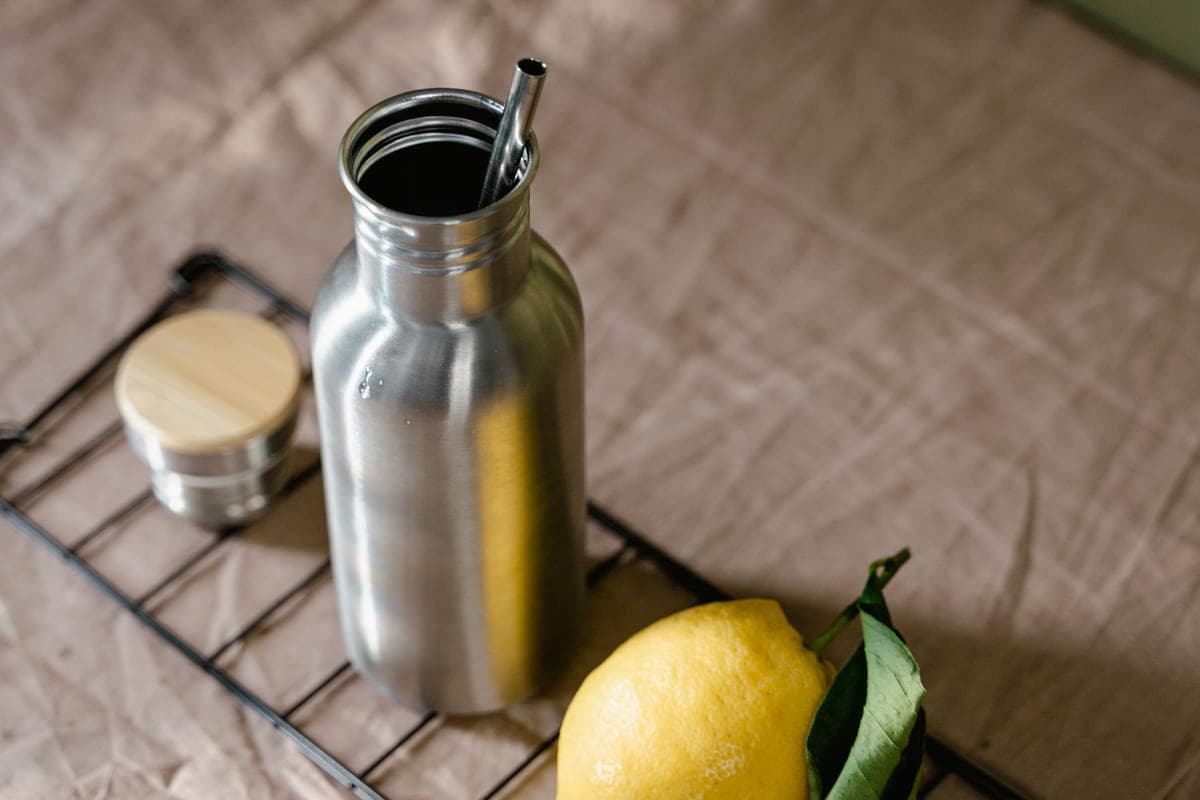 Klean Kanteen Classic Insulated Bottle18/8 stainless with cap options that are not plastic. | Drinking | 18/8 stainless steel interior | |
| 3 |  Pura Kiki Stainless Baby Bottle304 stainless with a silicone nipple. No plastic in the milk path. | Infant feeding | 304 stainless steel bottle with a silicone nipple and sleeve |
Tap a row to jump to that write-up. Prices are not shown on this site because they change — the button sends you to the live Amazon listing.
The 45-second answer
"BPA-free" means bisphenol A specifically is absent. It does not mean no bisphenols, and the usual replacements — BPS and BPF — are structurally similar. They are less studied, which is not the same as being safer; it means there is less to know about them. The way to avoid the whole question is to avoid the application: use glass, stainless or ceramic where heat, fat or acid are involved.
What each one is
| Compound | Where it was or is used | Evidence base |
|---|---|---|
| BPA (bisphenol A) | Polycarbonate plastics, some can linings, thermal receipt paper | The most studied; extensive literature |
| BPS (bisphenol S) | A common BPA replacement, including in receipts | Thinner — a newer substitution |
| BPF (bisphenol F) | Another replacement, in coatings and plastics | Thinner |
| Tritan copolyester | Hard reusable bottles and blender jars; not a bisphenol | Limited independent literature |
| Glass, stainless, ceramic | The alternative to the whole question | Not applicable — no bisphenols involved |
Why less-studied is not the same as safer
This is the point of the page. BPA has an extensive literature precisely because it was identified early and investigated intensively. BPS and BPF have thinner literatures because they are more recent — which tells you about research history rather than about the compounds.
The honest position: we do not know that the replacements are better, and the available structural similarity is a reason for caution rather than reassurance. What we will not do is assert that they are worse, because that claim is not supported either.
Where bisphenols actually turn up
- Hard polycarbonate plastics — older water bottles, older blender jars, some food containers. Cloudy, scratched polycarbonate is worth replacing.
- Can linings, where epoxy coatings have historically used bisphenols. Brands using alternative linings often say so.
- Thermal receipt paper, where free BPA or BPS sits on the surface and transfers readily to hands — a genuinely under-discussed route.
- Not in glass, stainless steel, ceramic, silicone, polypropylene or polyethylene, none of which are bisphenol-based.
What to do instead of chasing the label
- Use glass, stainless or ceramic where heat is involved. Heat is the variable that matters, and this removes the question rather than substituting it.
- Retire cloudy, scratched hard plastics, which are degrading regardless of which bisphenol they contain.
- Do not microwave in plastic. Free, easy, and it addresses the highest-temperature plastic contact in most kitchens.
- Decline unnecessary receipts, or at least do not handle them while eating. This is the exposure route most people have never considered.
- Read "BPA-free" as a prompt to ask what replaced it, not as an answer.
What to buy
Three products that avoid the question rather than substituting within it.
The picks in full
1. Best for Heated food
Pyrex Glass Storage Set
Tempered glass bodies. No bisphenols anywhere in the food contact path.
- Made of
- Tempered glass bodies with polypropylene lids
- Certified to
- Manufacturer claimManufacturer claim; no third-party certification published.
- Food contact
- Glass, except the lid rim
- Lids
- Plastic. Food touches them when full
- Oven
- Glass body only, lids off
The direct way out of this question for the application that matters most: glass has no bisphenol chemistry to discuss, and the bodies take oven and microwave heat with the lids off.
What you give up
The lids are plastic, and glass is heavy and breakable.
Who it's for
Anyone replacing microwaved plastic containers.
Who should skip it
Light, unbreakable packed lunches.
2. Best for Drinking
Klean Kanteen Classic Insulated Bottle
18/8 stainless with cap options that are not plastic.
- Made of
- 18/8 stainless steel interior, stainless or bamboo cap
- Certified to
- Manufacturer claimManufacturer claim; no third-party certification published.
- Water contact
- 18/8 stainless, uncoated
- Cap
- Stainless or bamboo options
- Note
- Avoid the plastic-lined sport caps if that matters to you
Replaces a hard plastic bottle with a material that has no bisphenol chemistry at all — and with cap choices that avoid putting a polymer where your mouth goes.
What you give up
Heavier than plastic, and the sport caps are polymer if you choose those.
Who it's for
Replacing a polycarbonate or cloudy plastic bottle.
Who should skip it
Anyone who needs the lightest possible bottle.
3. Best for Infant feeding
Pura Kiki Stainless Baby Bottle
304 stainless with a silicone nipple. No plastic in the milk path.
- Made of
- 304 stainless steel bottle with a silicone nipple and sleeve
- Certified to
- Manufacturer claimManufacturer claim; no third-party certification published.
- Milk contact
- Stainless steel and silicone
- Plastic
- None
- Trade-off
- You cannot see the fill level
For the application where caution is most clearly justified, stainless sidesteps both the bisphenol question and the polypropylene microplastics finding in one purchase.
What you give up
You cannot see the fill level, and it costs more than plastic.
Who it's for
Bottle feeding.
Who should skip it
Parents who need to measure visually.
How we chose, and what we did not do
Every product on this page was checked against its published material composition and its third-party certifications, with each claim labeled as certified, manufacturer-stated or independently tested by a named party. We do not run a lab and we do not claim to have used these products — the full method is here.
Questions people actually ask
Is BPA-free plastic safe?
BPA-free means bisphenol A specifically is absent. Common replacements such as BPS and BPF are structurally related and less studied, which reflects research history rather than demonstrated safety. Using glass or stainless where heat is involved avoids the question.
What is BPS?
Bisphenol S, a common replacement for BPA in plastics and thermal receipt paper. It is in the same chemical family as BPA and has a thinner evidence base because it is a newer substitution.
Is Tritan safe?
Tritan is a copolyester and not a bisphenol, which is why it replaced polycarbonate in bottles and blender jars. The independent literature on it is limited, so it is better characterized as not-a-bisphenol than as fully studied.
Are receipts really a source?
Thermal receipt paper carries free bisphenol on the surface, which transfers readily to hands — an under-discussed route compared with food packaging. Declining receipts, or not handling them while eating, is a free change.
Which plastics do not contain bisphenols?
Polypropylene, polyethylene and silicone are not bisphenol-based. Bisphenols are associated with polycarbonate and with some epoxy can linings.
Sources
- Li et al. (2020), Microplastic release from the degradation of polypropylene feeding bottles during infant formula preparation, Nature Food — Trinity College Dublin record
- US EPA — Our Current Understanding of the Human Health and Environmental Risks of PFAS — Regulator overview of PFAS persistence and health endpoints
- California OEHHA — Proposition 65 guidance for businesses — Safe-harbour levels, and when a warning is and is not required
- US FDA — Authorized Uses of PFAS in Food Contact Applications
Read next
Baby & Kids
Microplastics in baby feeding: what was measured
The Trinity College Dublin bottle study, what it measured, what it did not, and the four practical responses.
Kitchen & Cookware
Best non-toxic food storage
Glass, silicone and stainless storage compared, with the cheapest route out of plastic.
Baby & Kids
Best non-toxic baby bottles
Glass and stainless bottles that avoid the polypropylene microplastics route, with the study explained.
Baby & Kids
Wooden vs plastic toys
Wood against plastic on materials and finishes, and why the age label outranks both.
Written by Selena H., owner of Glass & Cotton.