Baby & Kids
Wooden vs plastic toys
The chemistry comparison favors wood. The hazard that actually sends children to hospital is mechanical, and it does not care which material you chose.
Last reviewed October 13, 2026 — Selena H.
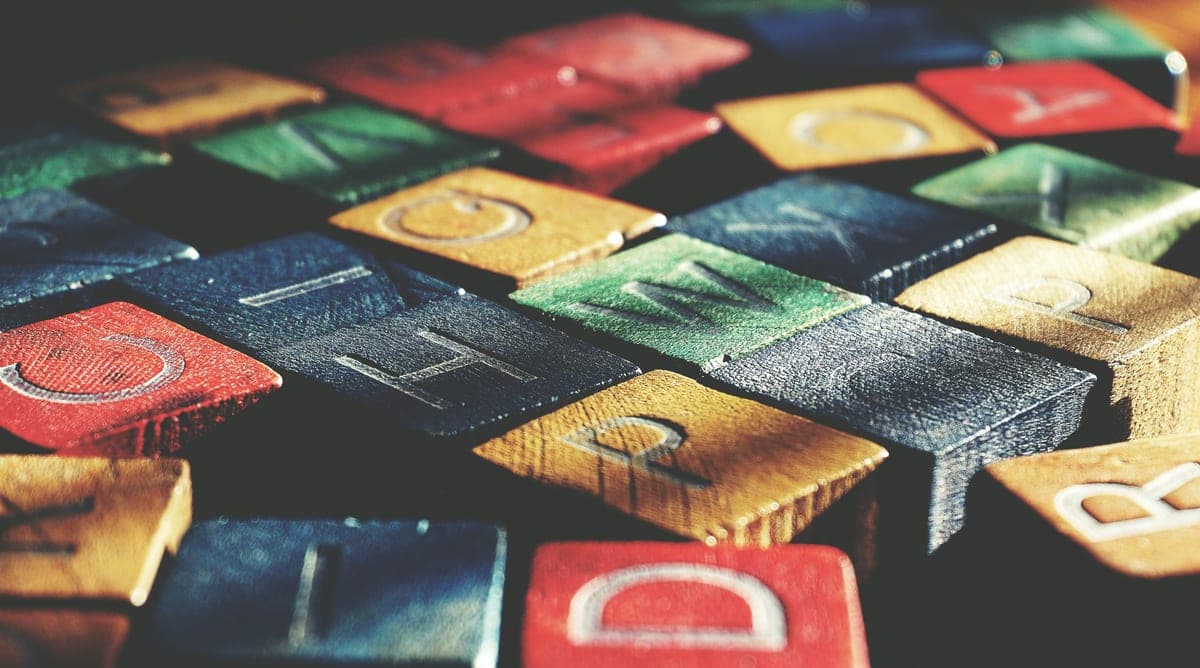
The verdict. Buy solid wood with a water-based or plant-oil finish when you have the choice: the material list is short, there is no softener to migrate, and good brands publish exactly what the stain and glue are. Buy plastic where plastic is the only sensible answer — bath toys, ride-ons, anything that needs to survive a garden — and choose brands that state the polymer.
The important caveat, and we would rather lead with it than bury it: the hazard that actually harms small children is mechanical. Small parts, cords and button batteries send children to hospital; toy polymer composition does not. Follow the age label before you follow any material instinct.
Quick picks
| # | Product | Best for | Material | Price |
|---|---|---|---|---|
| 1 | Grimm's Wooden Building BlocksSolid lime or alder with water-based stains and plant-oil finishes, per the brand. | Open-ended wooden play | Solid lime or alder wood with water-based | |
| 2 | PlanToys Rubberwood ToysReclaimed rubberwood with water-based dyes and formaldehyde-free glue, per the brand. | Published materials | Reclaimed rubberwood with water-based dyes and a formaldehyde-free glue per the brand |
Tap a row to jump to that write-up. Prices are not shown on this site because they change — the button sends you to the live Amazon listing.
The specification, side by side
| Solid wood | Plastic | |
|---|---|---|
| Core material | One material, usually stated | Varies by polymer; often unstated |
| Softeners | None | Possible in flexible plastics |
| Finish to check | Stain, paint, oil, glue | Colourant, softener, coating |
| Durability | Decades; chips and dents | Years; cracks and shatters |
| Washable | Wipe only | Fully washable, including bath toys |
| Weight | Heavier — a thrown block hurts | Light |
| Resale and hand-down | Excellent | Poor once scratched |
| Mechanical hazard | Same as any toy — follow the age label | Same as any toy |
What to check on a wooden toy
- The finish. Water-based stains and plant-oil finishes are what good brands use and publish. "Non-toxic paint" with no further detail is not an answer.
- The adhesive. Laminated or glued components raise the question; solid one-piece wood does not. Brands that use formaldehyde-free glues say so.
- Splinters and cracks. A cracked wooden toy is a splinter hazard and should be retired.
- Weight. Wooden blocks genuinely hurt when thrown, which matters with siblings.
What to check on a plastic toy
- The named polymer. Hard polypropylene or HDPE is a different proposition from a soft flexible plastic that needs a plasticizer.
- Flexibility. Soft and squeezable implies a softener. Rigid generally does not.
- "BPA-free" is a claim about one molecule. Common replacements such as BPS and BPF are structurally related — see BPA, BPS and BPF.
- Bath toys specifically. Squeeze toys that take on water grow mold internally and cannot be cleaned. Retire them rather than inspecting them hopefully.
- Scratches and cracks, which is where plastic sheds.
Choose wood if...
- You want the shortest material list and a brand that publishes its finishes.
- You want toys that hand down to a second or third child.
- The toy does not need to be washed or live outdoors.
Choose plastic if...
- It needs full washing, which bath and feeding toys do.
- It needs to survive weather, which wooden ride-ons do not.
- The alternative is no toy, because a well-made plastic toy is better than an unaffordable wooden one.
A third option worth knowing
Fewer toys. It is not a glib answer: the evidence on play quality favors a small number of open-ended toys over a large number of single-purpose ones, and it is the only option on this page that costs nothing and has no material question at all.
The picks in full
1. Best for Open-ended wooden play
Grimm's Wooden Building Blocks
Solid lime or alder with water-based stains and plant-oil finishes, per the brand.
- Made of
- Solid lime or alder wood with water-based, plant-oil finishes
- Certified to
- Manufacturer claimManufacturer claim; no third-party certification published.
- Material
- Solid wood
- Finish
- Water-based stain and oil per the brand
- Note
- Small pieces in some sets
Solid wood, published finishes, and the kind of open-ended set that gets used for years rather than weeks. No softeners, no coatings to flake.
What you give up
Expensive, heavy enough to hurt when thrown, and some sets contain small parts — check the age marking.
Who it's for
Toddlers upward, and households buying fewer, better toys.
Who should skip it
Bath play, outdoor use, and under-threes with small-part sets.
2. Best for Published materials
PlanToys Rubberwood Toys
Reclaimed rubberwood with water-based dyes and formaldehyde-free glue, per the brand.
- Made of
- Reclaimed rubberwood with water-based dyes and a formaldehyde-free glue per the brand
- Certified to
- Manufacturer claimManufacturer claim; no third-party certification published.
- Material
- Reclaimed rubberwood
- Dyes
- Water-based per the brand
- Age range
- Marked per toy
A brand that publishes the specifics this page says to look for: the wood, the dye type and the adhesive. Age markings are clear on each toy.
What you give up
Painted details can chip with heavy use, and it is pricier than mass-market plastic.
Who it's for
Parents who want the finish and glue stated.
Who should skip it
Bath toys and outdoor equipment.
How we chose, and what we did not do
Every product on this page was checked against its published material composition and its third-party certifications, with each claim labeled as certified, manufacturer-stated or independently tested by a named party. We do not run a lab and we do not claim to have used these products — the full method is here.
Questions people actually ask
Are wooden toys safer than plastic?
On materials, usually: solid wood with a water-based finish has no softener to migrate and a short, publishable material list. On actual injury risk, the determining factor is mechanical — small parts, cords and batteries — and that applies equally to both.
What should I check on a wooden toy?
The finish (water-based stain or plant oil), the adhesive if it is laminated, and whether it has cracked or splintered. Brands that use formaldehyde-free glues and water-based dyes generally say so.
Are BPA-free plastic toys safe?
BPA-free means one specific molecule is absent. Replacements such as BPS and BPF are structurally related with a thinner evidence base. Rigid plastics are a simpler proposition than soft flexible ones, which may contain a plasticizer.
Should I throw out squeezy bath toys?
The ones that take on water internally, yes — they grow mold inside and cannot be cleaned. That is a straightforward hygiene problem rather than a chemistry one.
Sources
- US EPA — Our Current Understanding of the Human Health and Environmental Risks of PFAS — Regulator overview of PFAS persistence and health endpoints
- California OEHHA — Proposition 65 guidance for businesses — Safe-harbour levels, and when a warning is and is not required
- MADE SAFE — certified companies directory
Read next
Baby & Kids
Best non-toxic toys
Solid-wood toys with published finishes, and why the age label outranks every material question.
Baby & Kids
BPA, BPS and BPF: the substitution problem
Why BPA-free is a claim about one molecule, what replaced it, and how to avoid the whole question.

Baby & Kids
The non-toxic nursery checklist, in evidence order
Nursery priorities in evidence order, with the sleep-safety rules that outrank every material question.
Baby & Kids
Best non-toxic sippy cups
Glass and stainless toddler cups, plus the straw and valve hygiene problem nobody mentions.
Written by Selena H., owner of Glass & Cotton.