Kitchen & Cookware
Is parchment paper safe?
Parchment is coated with silicone, not a fluoropolymer. The paper that was PFAS-treated was a different product, and it is gone.
Last reviewed October 17, 2026 — Selena H.
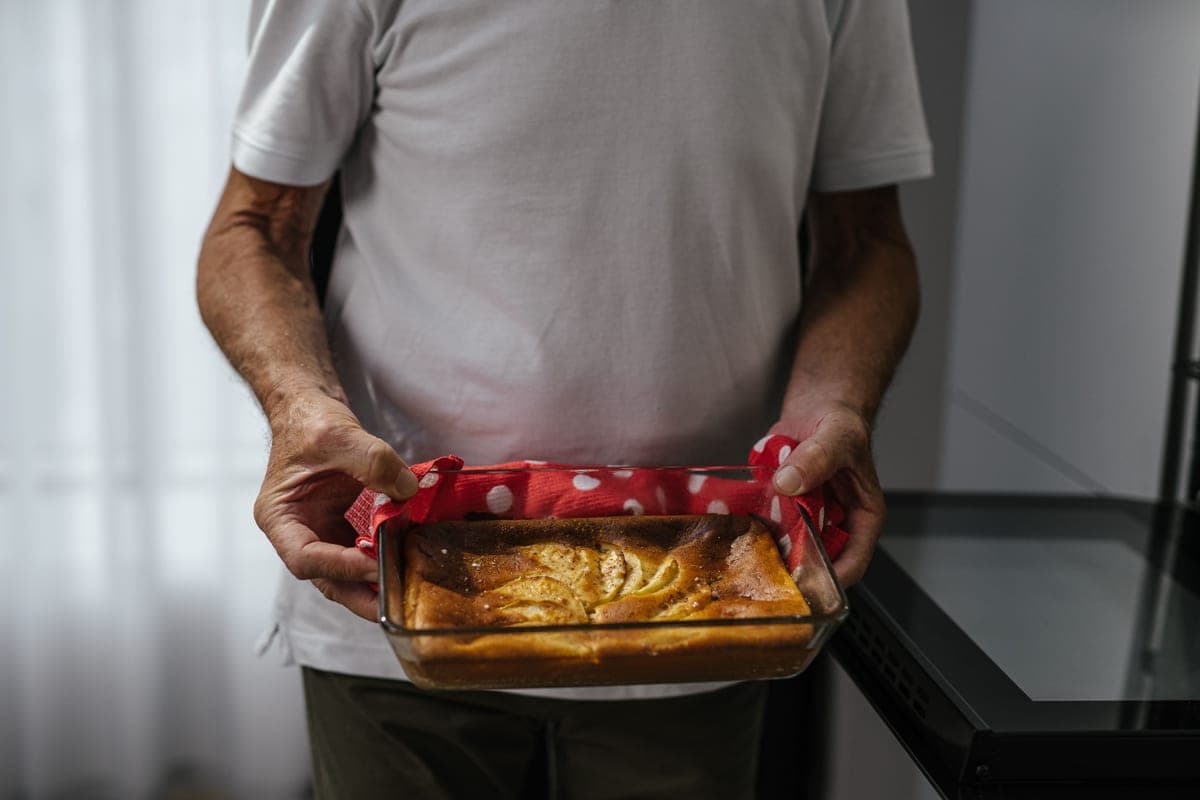
Yes — standard baking parchment is safe for its intended use. It is paper treated with silicone to make it release, not with a fluoropolymer, and silicone is a different chemistry from PFAS entirely. The PFAS concern in paper was about grease-proofing agents in food packaging — fast food wrappers, microwave popcorn bags, molded fiber bowls — and FDA confirmed in February 2024 that those are no longer being sold in the US.
Two practical caveats remain. Stay within the box's stated temperature, usually around 420F to 450F, because above it parchment scorches and eventually ignites. And treat unbleached versus bleached as a cosmetic choice rather than a safety one — the bleaching question is about the pulp process, not about anything that transfers to a cookie.
Quick picks
| # | Product | Best for | Material | Price |
|---|---|---|---|---|
| 1 | Nordic Ware Naturals Baking SheetUncoated aluminum — the pan professional bakeries use, and parchment is optional on it. | Sheet baking with or without a liner | Uncoated pure aluminum with a reinforced steel rim | |
| 2 | Pyrex Glass Baking DishTempered glass with no coating, and nothing parchment would add. | Anything wet, acidic or long | Tempered soda-lime silicate glass | |
| 3 | Emile Henry Stoneware BakerGlazed stoneware the maker rates to 520F — past the point parchment should be used. | High-heat baking above parchment's rating | Burgundy clay stoneware with a fired glaze |
Tap a row to jump to that write-up. Prices are not shown on this site because they change — the button sends you to the live Amazon listing.
What parchment is actually coated with
Baking parchment is cellulose paper that has been treated to be non-absorbent and then coated with silicone. The silicone is what makes a cookie lift off cleanly, and it is a cured polymer rather than an applied fluoropolymer film. That is the single fact that settles most of the worry about this product: the release mechanism has nothing in common with the release mechanism on a non-stick pan.
Wax paper is a different product with a different coating — paraffin or soybean wax — and it is not oven safe. The wax melts and smokes. Wax paper is for wrapping, rolling and separating; parchment is for the oven. Mixing them up is the most common actual problem with this category, and the one most likely to set off a smoke alarm.
The PFAS story, and which product it was about
PFAS were used as grease-proofing agents in food contact paper: the treatment that stops oil soaking through a burger wrapper or a popcorn bag. FDA announced in February 2024 that PFAS used as grease-proofing agents in food packaging are no longer being sold in the US, completing a voluntary phase-out, and separately determined that 35 food contact notifications related to PFAS are no longer effective.
Baking parchment was not the target of that action because it was not the product using those agents — its release comes from silicone. Two things follow. First, the parchment in a supermarket today is not a PFAS exposure route. Second, the paper products that were a route — takeout wrappers, molded fiber bowls, microwave popcorn bags — were a genuine one, and that is worth knowing even now, because imported stock and older inventory are not covered by a US phase-out. Our what is PFAS page explains the class.
What to check before you buy a box
- A stated maximum temperature. Reputable parchment prints one, typically 420F to 450F. No number is a reason to pick another box.
- "Silicone coated" or "silicone treated" on the pack. That is the normal and expected description.
- Not labeled wax paper. Different product, not oven safe, and often shelved next to parchment.
- No quaternary ammonium or "grease-resistant" treatment claim on any paper you will heat food on.
- Bleached or unbleached is your preference. Unbleached is browner; neither changes what touches the food.
Where parchment is the wrong tool
Above its rated temperature. Anything broiled, or roasted above 450F, should go on bare metal or in glass or stoneware — parchment browns, then scorches, then burns, and an overhanging edge near an element is a fire risk rather than a chemistry one. Air fryers deserve the same caution for a different reason: loose parchment can lift into the heating element in the airflow, which is why perforated liners weighed down by food are the only sensible version.
The other case is anything long and wet. Parchment under a braise turns to pulp and does nothing useful. For that, and for roasting above 450F, the simplest answer is a pan or dish that needs no liner at all.
What to use instead when you want no liner at all
The uncoated bakeware on this site needs nothing between the pan and the food beyond a film of fat: glass and stoneware release baked dishes cleanly, and bare aluminum sheet pans are what commercial bakeries use. Each of the three below is on our best non-toxic bakeware roundup for that reason. None has an applied non-stick layer, so none needs parchment to protect a coating — only to make cleanup easier, which is a convenience choice rather than a safety one.
The picks in full
1. Best for Sheet baking with or without a liner
Nordic Ware Naturals Baking Sheet
Uncoated aluminum — the pan professional bakeries use, and parchment is optional on it.
- Made of
- Uncoated pure aluminum with a reinforced steel rim
- Certified to
- Manufacturer claimManufacturer claim; no third-party certification published.
- Coating
- None
- Material
- Uncoated aluminum
- Note
- Will react with very acidic foods over long bakes
A bare aluminum half-sheet has no coating to protect, so parchment on it is purely about washing up. It conducts better than any coated tray and there is nothing on the surface that heat can degrade, which is why this is the pan to own if the parchment question bothers you.
What you give up
Not non-stick at all, so greased or lined is the realistic choice. It discolors permanently, and long acidic bakes react with bare aluminum.
Who it's for
Cookies, roasted vegetables, sheet-pan dinners.
Who should skip it
Baking with no fat and no liner, and long tomato or citrus bakes.
2. Best for Anything wet, acidic or long
Pyrex Glass Baking Dish
Tempered glass with no coating, and nothing parchment would add.
- Made of
- Tempered soda-lime silicate glass, no coating
- Certified to
- Manufacturer claimManufacturer claim; no third-party certification published.
- Coating
- None. Glass is the cooking surface
- Thermal shock
- Avoid cold liquid into a hot dish
- Dishwasher
- Yes
For braises, gratins and anything with tomato in it, glass is the right dish and a liner is pointless. The surface is inert, it takes acid indefinitely, and you can watch the base brown. This is the answer when parchment would turn to pulp anyway.
What you give up
Thermal shock is real — no cold liquid into a hot dish, no hot dish onto a wet counter. Browns bases less than metal.
Who it's for
Casseroles, roasting, acidic dishes.
Who should skip it
Thin sheet baking and anything needing an aggressively browned base.
3. Best for High-heat baking above parchment's rating
Emile Henry Stoneware Baker
Glazed stoneware the maker rates to 520F — past the point parchment should be used.
- Made of
- Burgundy clay stoneware with a fired glaze
- Certified to
- Manufacturer claimManufacturer claim; no third-party certification published.
- Material
- Glazed stoneware
- Oven safe
- Manufacturer states to 520F
- Coating
- Fired glaze, not a non-stick layer
Where you want 500F, parchment is out and stoneware is in. The glaze is a fired glass surface rather than an applied coating, the manufacturer rates it to 520F, and the thermal mass is what gives bread its crust. It also goes straight to the table.
What you give up
Heavy, expensive, and thermal shock will crack it. Not for stovetop use.
Who it's for
Bread, gratins, oven-to-table baking.
Who should skip it
Thin sheet baking and tight storage.
How we chose, and what we did not do
Every product on this page was checked against its published material composition and its third-party certifications, with each claim labeled as certified, manufacturer-stated or independently tested by a named party. We do not run a lab and we do not claim to have used these products — the full method is here.
Questions people actually ask
Is parchment paper toxic?
No. Standard baking parchment is paper coated with silicone, not with a fluoropolymer, and used within its stated temperature it is not a known exposure route. The PFAS concern in paper was about grease-proofing agents in packaging such as wrappers and popcorn bags, which FDA confirmed in 2024 are no longer sold in the US.
Does parchment paper contain PFAS?
Baking parchment's release coating is silicone. PFAS were used as grease-proofing agents in other food contact papers, and that use has been phased out in the US. If a paper product advertises grease resistance rather than silicone release, that is the one worth questioning.
What temperature is parchment paper safe to?
Check the box — most state 420F to 450F. Above that it scorches and can ignite, especially where an edge overhangs the pan near an element. For higher heat use bare metal, glass or stoneware instead.
Is bleached or unbleached parchment better?
It is a cosmetic difference. Both are silicone-coated paper; unbleached simply skips the pulp whitening step and looks browner. Neither changes what contacts the food.
Can I use parchment in an air fryer?
Only weighed down by food, and only perforated liners. In an air fryer's airflow a loose sheet can lift into the element, which is a fire risk. Never preheat an air fryer with an empty liner in the basket.
Can I reuse parchment paper?
Yes, until it is brittle or heavily browned. Reuse is limited by the paper scorching rather than by the silicone wearing off.
Sources
- US FDA — PFAS used as grease-proofing agents in food packaging are no longer sold in the US — February 2024 update confirming the completed phase-out
- US FDA — 35 food contact notifications related to PFAS are no longer effective
- US FDA — Authorized Uses of PFAS in Food Contact Applications
- US FDA — Food Packaging & Other Substances that Come in Contact with Food: Information for Consumers — How food contact substances are authorized, and what migration review covers
- Nordic Ware (manufacturer)
- Emile Henry USA (manufacturer)
Read next
Kitchen & Cookware
Best non-toxic bakeware
Glass, stoneware, bare aluminum and cast iron bakeware — the category where uncoated is also the better product.
Kitchen & Cookware
What PFAS actually means in cookware
PFAS, PFOA and PTFE separated with sources, plus what the labels can and cannot promise.
Kitchen & Cookware
Glass and stoneware: the inert options
Glass and glazed stoneware: inertness, thermal shock, and the lead question on handmade and vintage pieces.
Kitchen & Cookware
Is aluminum foil safe to cook with?
What makes foil transfer aluminum, what ATSDR says about dietary intake, and three inert alternatives.
Written by Selena H., owner of Glass & Cotton.