Kitchen & Cookware
Glass and stoneware: the inert options
Nothing comes out of fired glass or a properly made glaze. The limits here are mechanical, not chemical.
Last reviewed October 13, 2026 — Selena H.
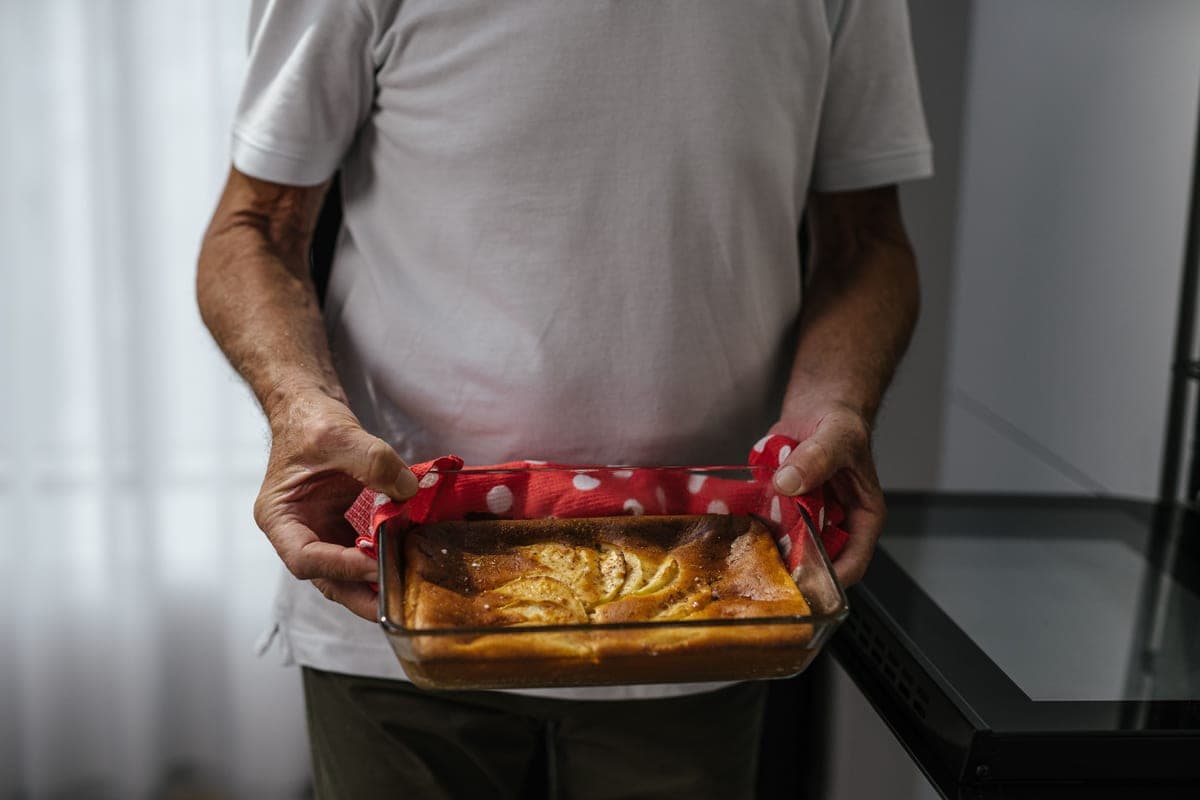
Tempered glass and properly glazed stoneware are the most inert food-contact materials in a kitchen. There is no coating, no metal transfer and no reaction with acid, which makes them the right answer for exactly the dishes that trouble every other material: long tomato braises, lemon bakes, vinegar-heavy marinades, and storing those things afterwards.
Their limits are physical. Glass shatters under thermal shock, stoneware cracks and chips, and both are heavy. And glaze is the one place a chemical question remains — which FDA addresses with a leach test that covers new US-market ceramicware and says nothing about the bowl someone brought back from holiday.
Quick picks
| # | Product | Best for | Material | Price |
|---|---|---|---|---|
| 1 | Pyrex Glass Baking DishTempered glass, inert, and you can watch the base brown. | The default glass dish | Tempered soda-lime silicate glass | |
| 2 | Emile Henry Stoneware BakerGlazed burgundy clay rated to 520F, oven to table. | Stoneware | Burgundy clay stoneware with a fired glaze | |
| 3 | 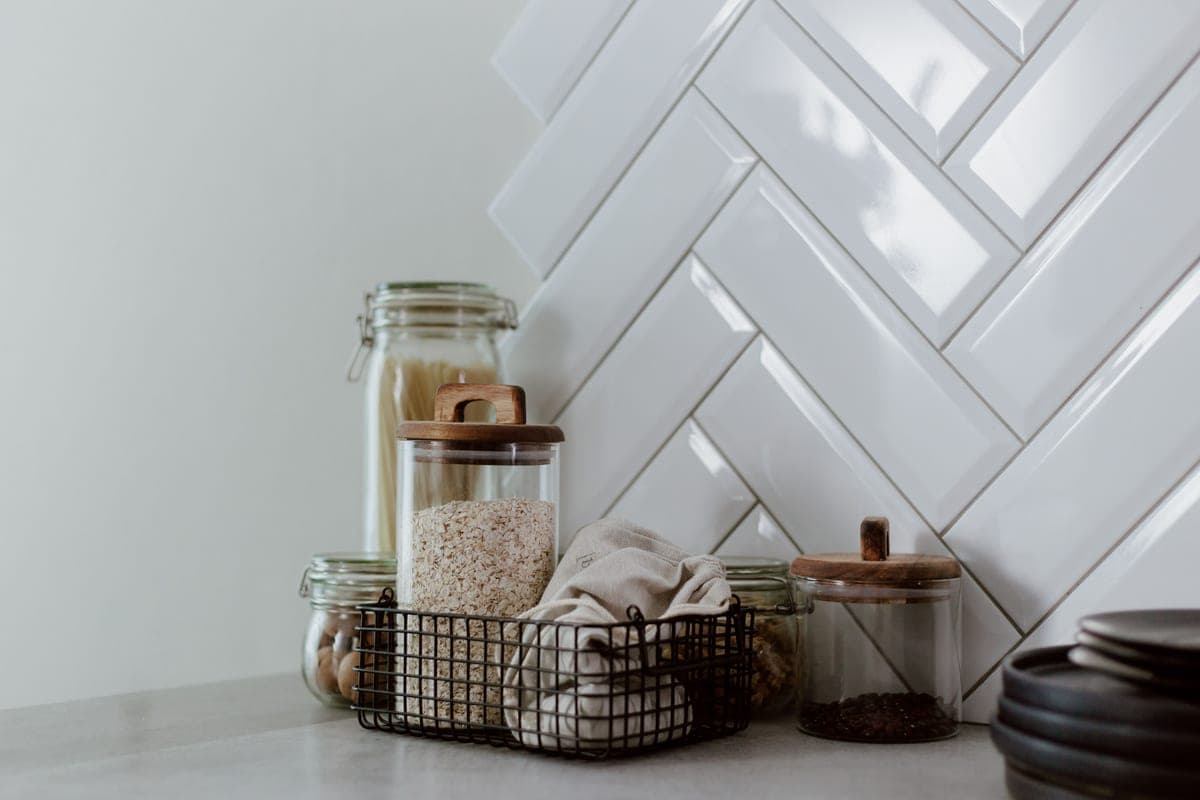 Ball Wide Mouth Mason JarsAbout a dollar a jar, and the food touches only glass. | Cheapest glass storage | Soda-lime glass with a two-piece steel lid (plastisol-lined) |
Tap a row to jump to that write-up. Prices are not shown on this site because they change — the button sends you to the live Amazon listing.
What each one is
Kitchen glass is usually tempered soda-lime silicate, heat-treated so that it is stronger and fails into blunt fragments rather than shards. Borosilicate glass, used in lab glassware and some kettles and coffee brewers, tolerates thermal shock better but is less common in US bakeware than it once was.
Stoneware is clay fired at high temperature until vitrified, then glazed — the glaze is a glass layer fused onto the body, not a coating applied over it. Porcelain is the same idea at a higher firing temperature with a whiter, denser body.
The glaze question, and what FDA's test covers
Lead in ceramic glazes is a real historical problem. FDA assesses lead release from ceramicware using ASTM C738 — a 24-hour leach in 4% acetic acid — with a limit of 3 micrograms per milliliter for dinnerware, and tableware exceeding those limits cannot legally be sold in the US. That test is close to a worst-case kitchen scenario, which is the point of it.
What it covers: new ceramicware sold through regulated channels, imported or domestic. What it does not cover: handmade pottery sold directly by the maker, pieces bought abroad outside regulated import, and pre-1950s dishes — where measurements of some mid-century glazes, particularly bright oranges containing uranium, have found lead concentrations high enough to be a genuine hazard. Decorative ceramics are a separate case: FDA requires them to be permanently marked as unsuitable for food or made incapable of holding liquid.
The practical rule: a new piece from a mainstream manufacturer is covered; a beautiful old or handmade piece is unknown, and "unknown" is the correct word rather than "dangerous".
Thermal shock, which is the actual risk
These are not fussy precautions; thermal shock is the single most common way glass bakeware fails, and it fails suddenly.
- Never pour cold liquid into a hot glass dish, or hot liquid into a cold one.
- Never put a hot dish on a wet or cold surface — a damp countertop is enough.
- Do not take glass from fridge to a hot oven. Let it come up toward room temperature first.
- Do not use glass bakeware under a broiler unless the maker specifically rates it for that.
- Retire chipped or deeply scratched glass, since the damage concentrates stress.
Where they are the right choice
| Job | Material | Why |
|---|---|---|
| Acidic bakes and braises | Glass or stoneware | Fully inert; no reaction at any duration |
| Food storage | Glass | Does not absorb, stain or shed; dishwasher-indifferent |
| Bread and gratins | Stoneware | Thermal mass builds crust |
| Slow cooking | Glazed stoneware | The standard insert material for the format |
| Reheating | Glass or ceramic | The direct replacement for microwaving in plastic |
| Searing | Neither | Use cast iron or carbon steel |
What to buy
One glass dish, one stoneware baker, and the cheapest glass storage there is.
The picks in full
1. Best for The default glass dish
Pyrex Glass Baking Dish
Tempered glass, inert, and you can watch the base brown.
- Made of
- Tempered soda-lime silicate glass, no coating
- Certified to
- Manufacturer claimManufacturer claim; no third-party certification published.
- Coating
- None. Glass is the cooking surface
- Thermal shock
- Avoid cold liquid into a hot dish
- Dishwasher
- Yes
One dish covers casseroles, roasting, gratins and acidic bakes, with no coating and nothing to react. It also goes straight into the fridge afterwards.
What you give up
Thermal shock sensitivity and paler base browning than metal.
Who it's for
Everyday oven cooking.
Who should skip it
Broiling, unless the model is rated for it.
2. Best for Stoneware
Emile Henry Stoneware Baker
Glazed burgundy clay rated to 520F, oven to table.
- Made of
- Burgundy clay stoneware with a fired glaze
- Certified to
- Manufacturer claimManufacturer claim; no third-party certification published.
- Material
- Glazed stoneware
- Oven safe
- Manufacturer states to 520F
- Coating
- Fired glaze, not a non-stick layer
Thermal mass for crust, a fired glaze rather than a coating, and a vessel that looks right on a table. For bread and gratins it outperforms glass.
What you give up
Heavy, expensive, and thermal shock cracks it.
Who it's for
Bread, gratins, oven-to-table serving.
Who should skip it
Stovetop use.
3. Best for Cheapest glass storage
Ball Wide Mouth Mason Jars
About a dollar a jar, and the food touches only glass.
- Made of
- Soda-lime glass with a two-piece steel lid (plastisol-lined)
- Certified to
- Manufacturer claimManufacturer claim; no third-party certification published.
- Food contact
- Glass, plus the lid liner at the rim
- Cost per liter
- Lowest of any glass option
- Note
- Metal lids rust if left wet
The lowest-cost way to get hot food out of plastic, and the one piece of glassware every kitchen can afford immediately.
What you give up
Round shapes waste fridge space; metal lids rust if stored wet.
Who it's for
Dry goods, soups, batch cooking.
Who should skip it
Rectangular stacking needs.
How we chose, and what we did not do
Every product on this page was checked against its published material composition and its third-party certifications, with each claim labeled as certified, manufacturer-stated or independently tested by a named party. We do not run a lab and we do not claim to have used these products — the full method is here.
Questions people actually ask
Is glass cookware the safest option?
It is the most inert: no coating, no metal transfer, no reaction with acid. Its limitation is mechanical rather than chemical — thermal shock and breakage — which makes it ideal for baking and storage and useless for searing.
Is there lead in stoneware and ceramic dishes?
Not in new US-market ceramicware meeting FDA limits, which are enforced with a 24-hour acetic acid leach test. The uncertainty is with handmade pieces sold directly, items bought abroad outside regulated import, and pre-1950s glazes, some of which measured high enough to be a real hazard.
Can Pyrex go in the oven and the fridge?
Both, but not in quick succession. Thermal shock is what breaks tempered glass, so let a cold dish warm toward room temperature before it goes into a hot oven, and never set a hot dish on a wet surface.
Is borosilicate better than tempered soda-lime glass?
It handles thermal shock better, which is why it is used in lab glassware, kettles and coffee brewers. Most US bakeware is tempered soda-lime, which is strong and fails into blunt pieces rather than shards.
Sources
- US FDA — compliance policy guidance on lead in ceramicware (ASTM C738 leach test)
- Pyrex (manufacturer)
- California OEHHA — Proposition 65 guidance for businesses — Safe-harbour levels, and when a warning is and is not required
Read next
Kitchen & Cookware
Best non-toxic bakeware
Glass, stoneware, bare aluminum and cast iron bakeware — the category where uncoated is also the better product.
Kitchen & Cookware
Best non-toxic food storage
Glass, silicone and stainless storage compared, with the cheapest route out of plastic.
Kitchen & Cookware
Best non-toxic slow cookers
Slow cookers compared on insert material — glazed stoneware, clay and stainless — for the longest hot contact in the kitchen.

Kitchen & Cookware
The safest cookware materials, in one table
The flagship comparison table: every cookware material on PFAS status, heat limit, leaching concern and lifespan.
Written by Selena H., owner of Glass & Cotton.