Kitchen & Cookware
Which plastics are safe for food storage?
The number in the triangle identifies the resin for recyclers. It was never a safety rating, which is why it answers the question so badly.
Last reviewed October 17, 2026 — Selena H.
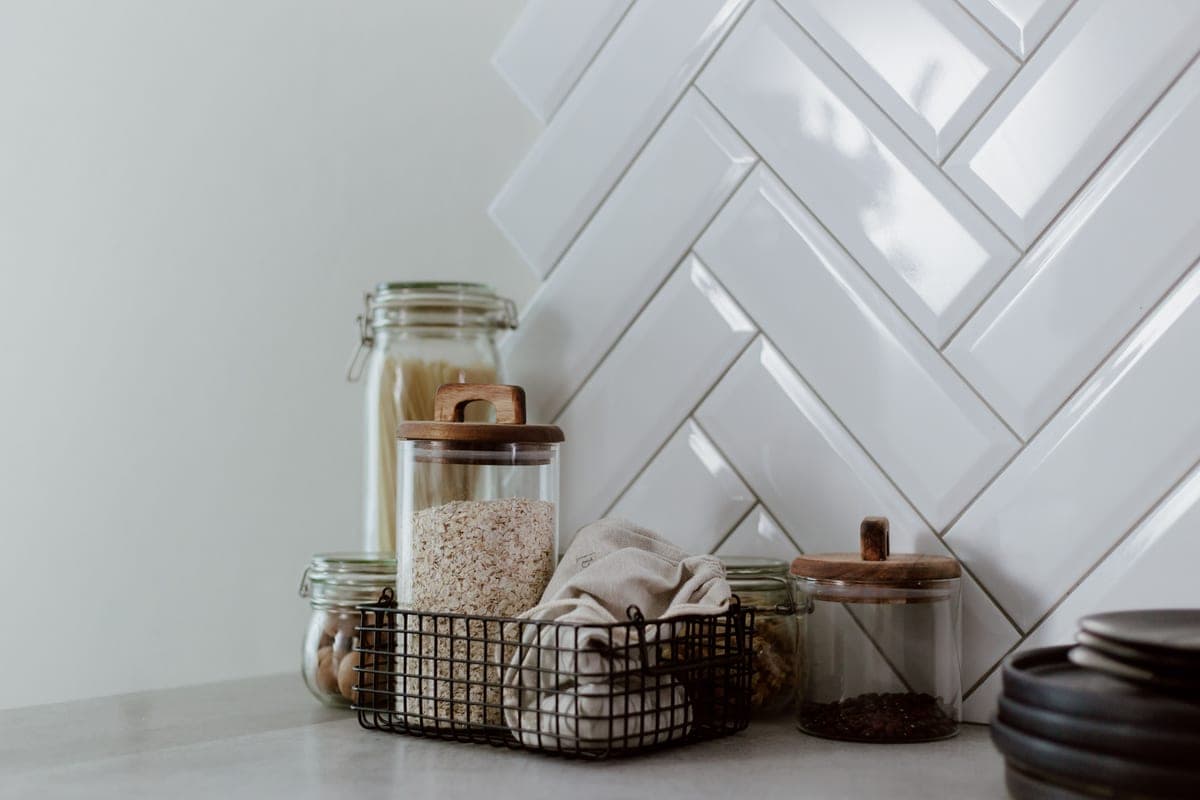
The short answer: for food storage, codes 2 (HDPE), 4 (LDPE) and 5 (polypropylene) are the conventional choices, code 1 (PET) is designed for single use, and 3 (PVC), 6 (polystyrene) and 7 (other, which includes polycarbonate) are the ones to avoid for food. But the number in the triangle is a resin identification code for sorting at a recycling facility — it was never designed as a safety rating, and treating it as one is why this question keeps getting muddled.
What matters more than the code is the condition the plastic is used in. Heat, fat and time drive migration from any polymer, which is why the same container can be unremarkable holding cold salad and a bad idea holding hot soup. FDA authorizes food contact substances after reviewing migration and toxicology data for an intended use — and "intended use" is the part consumers skip when a takeout container becomes a microwave dish.
Quick picks
| # | Product | Best for | Material | Price |
|---|---|---|---|---|
| 1 | Pyrex Glass Storage SetTempered glass bodies with sealing lids — the practical default for a fridge. | Everyday leftovers | Tempered glass bodies with polypropylene lids | |
| 2 | Weck Glass JarsGlass body, glass lid, rubber gasket — the only food contact is glass. | No plastic in contact at all | Glass body | |
| 3 | Stasher Silicone Storage BagsPlatinum-cured silicone, one material throughout, dishwasher and freezer rated. | Replacing single-use bags | Platinum-cured silicone |
Tap a row to jump to that write-up. Prices are not shown on this site because they change — the button sends you to the live Amazon listing.
What each number actually is
Note what code 7 is: everything that does not fit the other six. A compostable PLA cup and a polycarbonate bottle are both 7. That is the clearest illustration that the code is a sorting system rather than a safety scale.
| Code | Resin | Typical use | For food storage |
|---|---|---|---|
| 1 | PET or PETE | Water and soda bottles, berry clamshells | Designed for single use. Do not reuse for hot or oily food |
| 2 | HDPE | Milk jugs, yogurt tubs, detergent bottles | A conventional choice. Opaque, stable, no plasticizers |
| 3 | PVC or V | Cling film, some packaging, pipe | Avoid for food. Plasticizers, including phthalates |
| 4 | LDPE | Bread bags, squeeze bottles, film | Generally fine for cold and dry food |
| 5 | PP | Yogurt pots, reusable containers, bottle caps | The usual pick for reusable containers |
| 6 | PS | Foam cups, takeout clamshells, cutlery | Avoid, especially with heat or fat |
| 7 | Other | Polycarbonate, bioplastics, multilayer | A catch-all. 7 tells you nothing — read the label |
The three conditions that matter more than the number
Those three explain nearly every real-world case: hot food in a takeout container, oily leftovers stored for a week, a decade-old container run through the dishwasher four hundred times. Change the conditions and the material question mostly resolves itself.
- Heat. Migration rises with temperature. Research published in Nature Food measured microplastic release from polypropylene baby bottles during formula preparation, with release scaling with water temperature — and polypropylene is the well-regarded plastic on the list above.
- Fat. Oils pull fat-soluble compounds out of polymers far more effectively than water does. A container that is fine for rice is a different proposition holding curry.
- Time and wear. A scratched, cloudy, repeatedly dishwashed container has far more surface area and a degraded surface. Age is a condition, not a cosmetic issue.
BPA-free is a narrower claim than it sounds
BPA-free tells you that one compound — bisphenol A, used in polycarbonate, which is code 7 — is not present. It does not tell you what replaced it. The common substitutes are BPS and BPF, which are structurally similar and considerably less studied, which makes BPA-free a statement about what was removed rather than a demonstration that the replacement is better. BPA, BPS and BPF covers what is and is not known.
The same logic applies to "phthalate-free" on a code 3 film: the plasticizer class was changed, and the replacement may be well characterized or may not be. These claims are useful information, not conclusions, and they are the reason this site's default answer for food storage is a material with no plasticizers and no additives at all.
Practical rules that do not require memorizing codes
- Never microwave in plastic, including containers marked microwave safe — that marking means the container will not warp, not that nothing migrates. Transfer to glass or ceramic.
- Never put hot food into a plastic container. Let it cool, or cool it in a metal or glass bowl first.
- Do not reuse single-use bottles and trays for hot or oily food. Code 1 is built for one fill.
- Retire scratched and cloudy containers. The surface is degraded and the scratches hold bacteria regardless.
- Keep oily and acidic food in glass. That is the case where plastic is at its weakest and glass costs you nothing but weight.
- Skip cling film in direct contact with fatty food. Use a lid, or a plate over a bowl.
The containers that end the question
Glass and platinum-cured silicone take heat, fat, acid and time without the migration conversation, which is why the three picks below are on our best non-toxic food storage roundup. None of them requires reading a code, checking a temperature or deciding whether this particular leftover is oily enough to matter.
The picks in full
1. Best for Everyday leftovers
Pyrex Glass Storage Set
Tempered glass bodies with sealing lids — the practical default for a fridge.
- Made of
- Tempered glass bodies with polypropylene lids
- Certified to
- Manufacturer claimManufacturer claim; no third-party certification published.
- Food contact
- Glass, except the lid rim
- Lids
- Plastic. Food touches them when full
- Oven
- Glass body only, lids off
Glass is inert, takes acidic and oily food indefinitely, goes in the oven without the lid, and does not stain or hold smells. This is the set that replaces a cupboard of plastic containers with one that needs no rules attached to it.
What you give up
The lids are polypropylene, and food touches them when a container is filled to the brim. Glass is heavy and breaks.
Who it's for
Batch cooking, leftovers, anything acidic or oily.
Who should skip it
Children's packed lunches, and anyone short on cupboard strength.
2. Best for No plastic in contact at all
Weck Glass Jars
Glass body, glass lid, rubber gasket — the only food contact is glass.
- Made of
- Glass body, glass lid, rubber gasket and steel clamps
- Certified to
- Manufacturer claimManufacturer claim; no third-party certification published.
- Food contact
- Glass only
- Seal
- Natural rubber gasket
- Freezer
- Leave headspace
For the person whose answer to "which plastic" is "none", this is it. The lid is glass too, so there is no plastic contact even with a full jar, and the only other material is a natural rubber gasket at the rim. Best in class for sauces and anything stored for days.
What you give up
Clamps and gaskets are fiddly, the shapes do not stack, and gaskets perish and need replacing. Leave headspace when freezing.
Who it's for
Sauces, pickles, long storage, strict plastic avoidance.
Who should skip it
Cramped fridges and fast weekday use.
3. Best for Replacing single-use bags
Stasher Silicone Storage Bags
Platinum-cured silicone, one material throughout, dishwasher and freezer rated.
- Made of
- Platinum-cured silicone, single material
- Certified to
- Manufacturer claimManufacturer claim; no third-party certification published.
- Material
- Platinum-cured silicone
- Dishwasher
- Yes
- Oven and freezer
- Manufacturer states both
Freezer bags and sandwich bags are the plastic use glass cannot replace, and platinum-cured silicone is the honest substitute: a single material with no plasticizers, rated by the maker for oven and freezer, and dishwasher safe. Platinum curing matters because it leaves fewer residual byproducts than peroxide curing.
What you give up
Expensive per bag, they hold onto strong smells like garlic, and they are awkward to dry inside. Not a glass-level answer for hot oily food.
Who it's for
Freezing, lunches, marinating, sous vide.
Who should skip it
Anyone wanting the cheapest storage, or who dislikes washing by hand.
How we chose, and what we did not do
Every product on this page was checked against its published material composition and its third-party certifications, with each claim labeled as certified, manufacturer-stated or independently tested by a named party. We do not run a lab and we do not claim to have used these products — the full method is here.
Questions people actually ask
Which plastic numbers are safe for food?
Codes 2 (HDPE), 4 (LDPE) and 5 (polypropylene) are the conventional choices for food storage. Code 1 (PET) is designed for single use. Avoid 3 (PVC), 6 (polystyrene) and 7 (other, which includes polycarbonate) for food contact.
Does the recycling number tell you if a plastic is food safe?
No. It is a resin identification code for sorting at recycling facilities. Code 7 in particular is a catch-all that covers both polycarbonate and compostable bioplastics, so the number alone cannot answer a safety question.
Is it safe to microwave plastic containers?
Use glass or ceramic instead. A microwave-safe marking means the container will not warp or melt, not that nothing migrates into the food — and heat is the single biggest driver of migration from any polymer.
Is polypropylene safe for food?
It is the usual choice for reusable containers and has no plasticizers. It is not immune to the conditions: research on polypropylene baby bottles measured microplastic release during formula preparation that scaled with water temperature, which is why hot liquids in any plastic are the case to avoid.
Is BPA-free plastic safe?
BPA-free says one compound is absent, not what replaced it. The usual substitutes, BPS and BPF, are structurally similar and much less studied — less data rather than better data.
Can I reuse a plastic water bottle?
For cold water, briefly, yes. Code 1 PET bottles are designed for a single fill, scratch easily and are hard to clean properly, so they are a poor long-term container. A stainless or glass bottle is the straightforward fix.
Sources
- US FDA — Food Packaging & Other Substances that Come in Contact with Food: Information for Consumers — How food contact substances are authorized, and what migration review covers
- Li et al. (2020), Microplastic release from the degradation of polypropylene feeding bottles during infant formula preparation, Nature Food — Trinity College Dublin record
- Food Packaging Forum — study summary: microplastics release from baby bottles
- Pyrex (manufacturer)
- Stasher (manufacturer)
Read next
Kitchen & Cookware
Best non-toxic food storage
Glass, silicone and stainless storage compared, with the cheapest route out of plastic.
Baby & Kids
BPA, BPS and BPF: the substitution problem
Why BPA-free is a claim about one molecule, what replaced it, and how to avoid the whole question.
Kitchen & Cookware
Is silicone safe for cooking?
Platinum versus peroxide-cured silicone, what temperature ratings mean, and when to retire a tool.
Kitchen & Cookware
Is aluminum foil safe to cook with?
What makes foil transfer aluminum, what ATSDR says about dietary intake, and three inert alternatives.
Written by Selena H., owner of Glass & Cotton.