Bedding & Home
Best non-toxic mattress protectors
Any waterproof protector is a plastic film. The useful question is which plastic, and brands will usually tell you if you ask.
Last reviewed October 13, 2026 — Selena H.
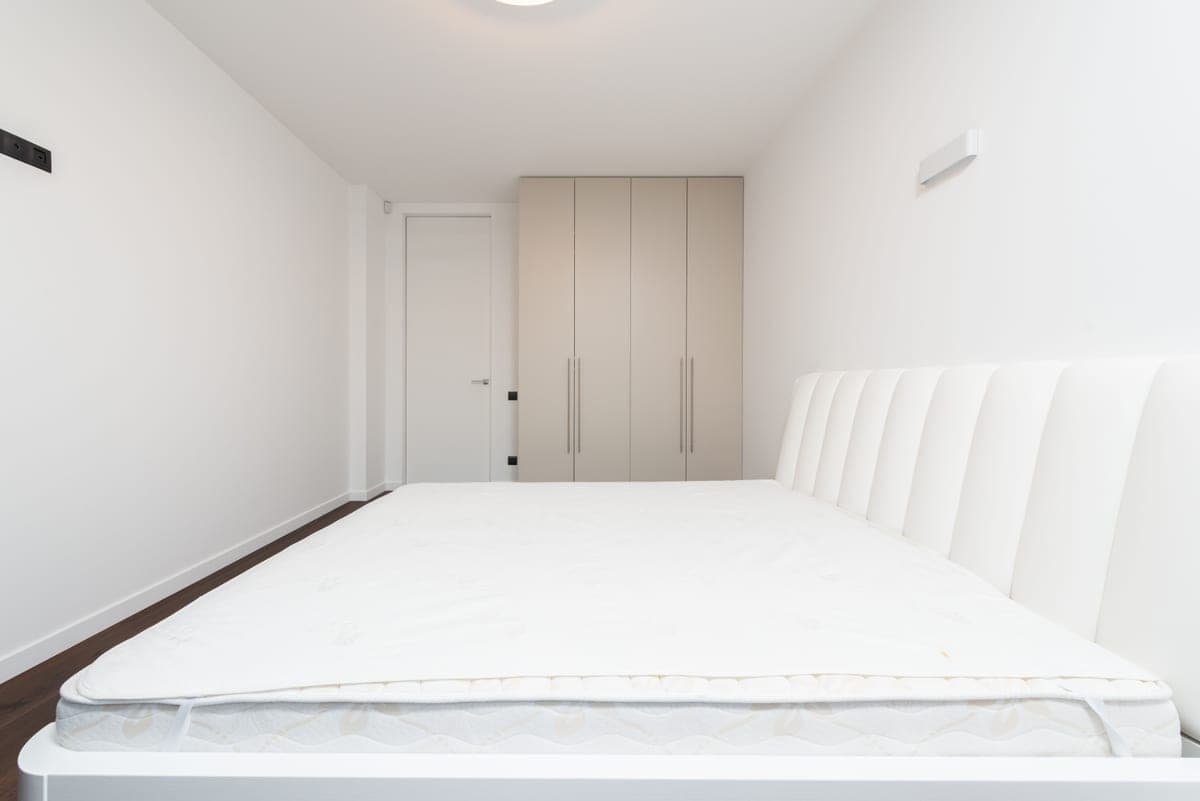
There is no waterproof mattress protector without a plastic film in it. Anything that stops liquid is a membrane, and pretending otherwise is the main dishonesty in this small category.
So the question is which film. Polyethylene is the simplest and the one certified products tend to use. Polyurethane laminate is more breathable and a more complex polymer. Vinyl (PVC) is the cheap default and the one most people are trying to leave. And a stain-resistant *finish* rather than a membrane has historically meant fluorinated chemistry — see PFAS in textiles.
Quick picks
| # | Product | Best for | Material | Price |
|---|---|---|---|---|
| 1 | Naturepedic Organic Cotton Mattress ProtectorOrganic cotton face over a polyethylene barrier, MADE SAFE certified. | Certified waterproof | Organic cotton face with a polyethylene waterproof barrier | |
| 2 | Organic Wool Mattress PadWool batting in an organic cotton shell. Moisture-managing, not waterproof. | No membrane at all | US-grown wool batting in an organic cotton shell | |
| 3 | 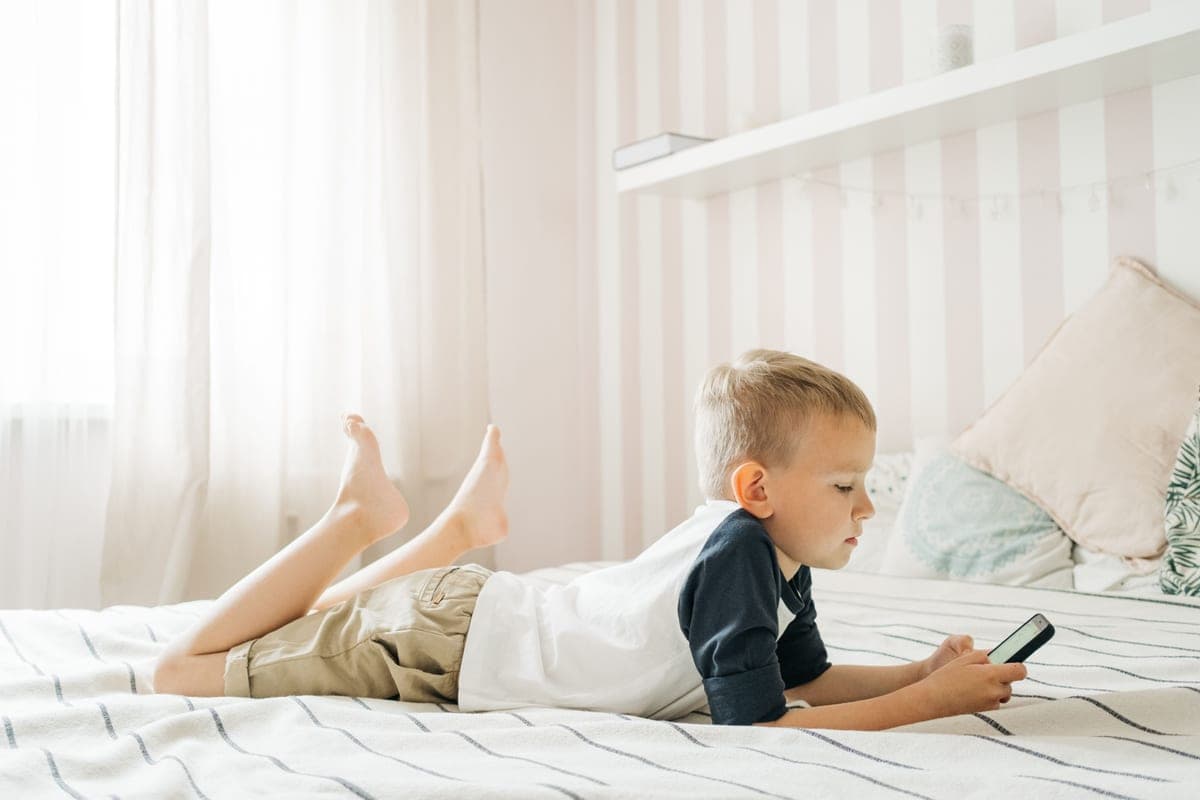 Naturepedic Organic Crib MattressA crib mattress with the polyethylene barrier integrated, so no separate protector is needed. | Where waterproofing is built in | Organic cotton surface with a food-grade polyethylene waterproof layer |
Tap a row to jump to that write-up. Prices are not shown on this site because they change — the button sends you to the live Amazon listing.
The four barrier types
| Barrier | Breathability | Noise | Notes |
|---|---|---|---|
| Polyethylene (PE) | Low | Quiet | The simplest polymer; used by certified products |
| Polyurethane laminate (PUL) | Moderate | Quiet | More breathable, more complex polymer |
| Vinyl (PVC) | Very low | Crinkly | Cheap default; the one most buyers want to avoid |
| Fluorinated finish | High | Silent | Not a membrane — a stain-repellent treatment. Avoid |
| Wool or cotton only | Highest | Silent | Not waterproof at all. A comfort layer |
How we chose these
We required the barrier type to be stated. That single criterion eliminates most of the category, because a protector described only as "waterproof" with no membrane disclosure cannot be assessed — and the difference between polyethylene and a fluorinated finish is the whole point of the page.
Certification where available, cotton rather than polyester on the skin side, and current availability did the rest.
What to look for yourself
- Ask what the barrier is. Polyethylene, polyurethane or vinyl. A brand that will not say is telling you something.
- Avoid "stain-resistant" without a membrane. A repellent finish rather than a barrier means a surface treatment, historically fluorinated.
- Check the skin side. Cotton against your body is more comfortable and more breathable than polyester.
- Decide if you need waterproofing at all. Adults without pets or incontinence often do not, and a wool pad is a better product for them.
- Listen to it. Crinkle in the shop means crinkle at 2am. Vinyl is the loudest.
What we ruled out
Vinyl protectors, which are the cheap default and the material most buyers in this category are trying to avoid. Anything whose barrier type is unstated. Stain-resistant protectors relying on a repellent finish rather than a membrane. And "cooling" protectors where the cooling comes from a treatment nobody will name.
The picks in full
1. Best for Certified waterproof
Naturepedic Organic Cotton Mattress Protector
Organic cotton face over a polyethylene barrier, MADE SAFE certified.
- Made of
- Organic cotton face with a polyethylene waterproof barrier
- Certified to
- Certified: MADE SAFEThird-party certified to MADE SAFE.
- Barrier
- Polyethylene, not PVC and not PFAS-treated per the brand
- Face
- Organic cotton
- Noise
- Quieter than vinyl
The configuration to look for: a simple polyethylene membrane rather than vinyl or a fluorinated finish, an organic cotton face against the skin, and MADE SAFE certification on the finished product. It is also noticeably quieter than a vinyl protector, which matters at 2am.
What you give up
A membrane is a membrane: less breathable than no protector, and warmer. Quieter than vinyl but not silent.
Who it's for
Children's beds, anyone with a mattress to protect, and households that want a certified barrier.
Who should skip it
Hot sleepers who find any waterproof layer too warm — the wool pad below is the alternative.
2. Best for No membrane at all
Organic Wool Mattress Pad
Wool batting in an organic cotton shell. Moisture-managing, not waterproof.
- Made of
- US-grown wool batting in an organic cotton shell
- Certified to
- Manufacturer claimManufacturer claim; no third-party certification published.
- Fill
- Wool
- Waterproof
- No. This is a comfort and moisture layer
- Care
- Spot clean or air
The honest answer for anyone who does not actually need waterproofing. Wool absorbs and releases moisture, adds a comfort layer, and contains no film of any kind — so there is nothing to trap heat and nothing plastic between you and the bed.
What you give up
It is not waterproof. A spill or an accident reaches the mattress, so this is the wrong product for a child's bed or for incontinence.
Who it's for
Adults who want a protective comfort layer and no plastic film.
Who should skip it
Children, pets on the bed, and anyone who needs actual liquid protection.
3. Best for Where waterproofing is built in
Naturepedic Organic Crib Mattress
A crib mattress with the polyethylene barrier integrated, so no separate protector is needed.
- Made of
- Organic cotton surface with a food-grade polyethylene waterproof layer
- Certified to
- Certified: MADE SAFE, GREENGUARD GoldThird-party certified to MADE SAFE, GREENGUARD Gold.
- Waterproofing
- Polyethylene, not vinyl
- Flame retardants
- None added per the brand
- Firmness
- Firm, as infant guidance requires
Worth knowing because a separate protector on a crib mattress adds a loose layer, and loose bedding in a crib is a safety issue. A mattress with the waterproof surface built in solves the problem the right way round.
What you give up
Expensive, and it only applies if you are buying the mattress anyway.
Who it's for
Cribs.
Who should skip it
Adult beds.
How we chose, and what we did not do
Every product on this page was checked against its published material composition and its third-party certifications, with each claim labeled as certified, manufacturer-stated or independently tested by a named party. We do not run a lab and we do not claim to have used these products — the full method is here.
Questions people actually ask
Is there a waterproof mattress protector without plastic?
No. Waterproofing requires a membrane, and every membrane is a polymer. The honest choice is which polymer — polyethylene is the simplest — or to use a wool pad instead and accept that it is not waterproof.
Is polyethylene safer than vinyl in a mattress protector?
It is the simpler polymer and the one certified products tend to use, with no plasticizers of the kind vinyl requires to stay flexible. It is also quieter, which is a real practical benefit.
Do mattress protectors make you sleep hot?
Any membrane reduces breathability to some degree, which is why polyurethane laminate is marketed as more breathable than polyethylene. If you do not need liquid protection, a wool pad avoids the trade-off entirely.
Should a crib have a separate mattress protector?
Prefer a crib mattress with the waterproof surface built in. Loose bedding layers in a crib are a safety concern, so integrating the barrier into the mattress is the better solution.
Sources
- MADE SAFE — Naturepedic certified bedding
- US EPA — Our Current Understanding of the Human Health and Environmental Risks of PFAS — Regulator overview of PFAS persistence and health endpoints
- California Bureau of Household Goods and Services — SB 1019 flame-retardant labeling advisory — The TB117-2013 label that states whether flame retardants were added
- MADE SAFE — certification
Read next
Bedding & Home
Best non-toxic mattresses
Mattresses with stacked finished-product certifications, and how to read the TB117-2013 flame-retardant tag.
Bedding & Home
PFAS in textiles: the finish, not the fiber
Where fluorinated finishes appear in household textiles, the label words to search for, and what regulators have done.
Bedding & Home
Best non-toxic sheets
Certified organic cotton and linen sheets, plus the wrinkle-resist and stain-resist finishes to avoid.
Baby & Kids
Best non-toxic kids and crib mattresses
Certified crib and children's mattresses, with the firmness rule and the flame-retardant tag explained.
Written by Selena H., owner of Glass & Cotton.