Kitchen & Cookware
HexClad vs All-Clad
The names rhyme and the pans do not. One is a coated pan with stainless ridges; the other has no coating at all.
Last reviewed October 17, 2026 — Selena H.
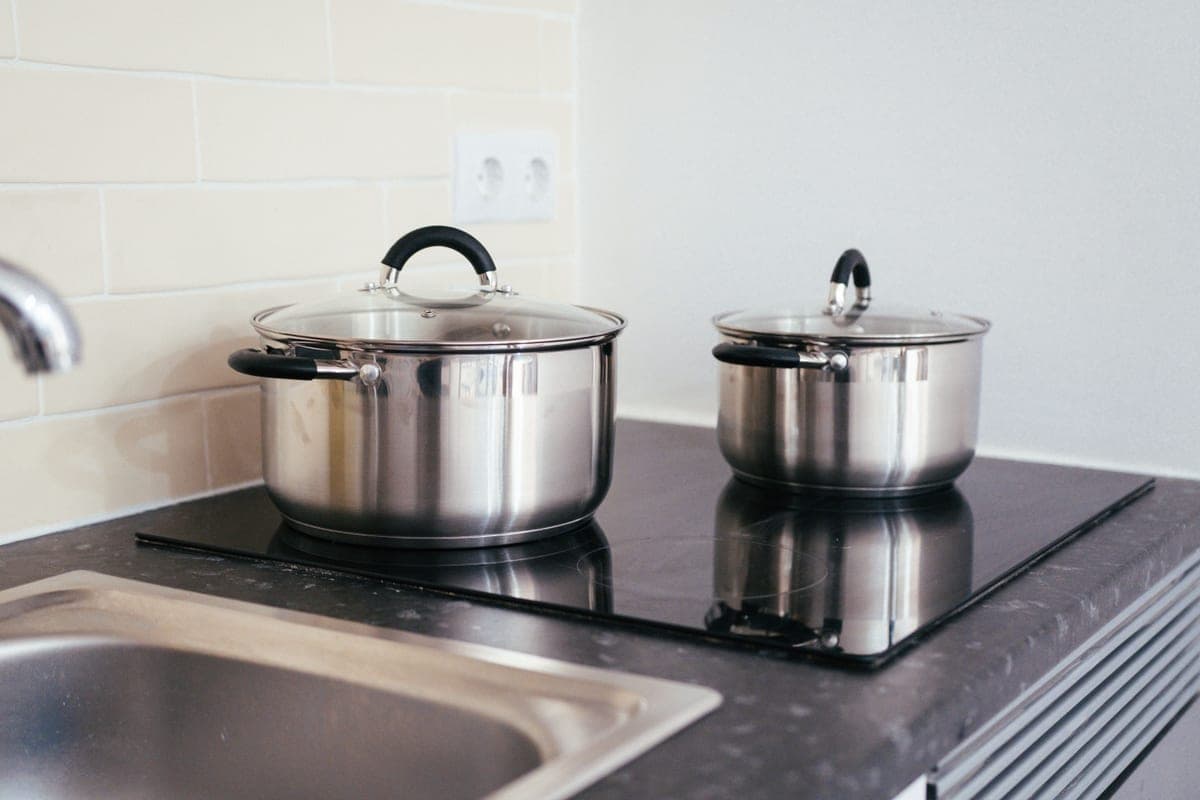
If the deciding factor is avoiding a fluoropolymer, this comparison is already over: All-Clad D3 has no coating of any kind, and HexClad's hybrid surface is a PTFE-based non-stick layer sitting in the valleys between laser-etched stainless ridges. The ridges are real stainless and they do protect the coating from utensils — but the pan still contains PTFE, and HexClad states it is PFOA-free, which is a claim about one compound rather than about the class.
If the deciding factor is cooking behavior, it is a closer call than the marketing on either side suggests. HexClad gives you partial release and tolerates metal utensils. All-Clad gives you a pan with no temperature ceiling and no end date, and asks you to learn to preheat. The names being one syllable apart is a coincidence; the two companies are unrelated.
Quick picks
| # | Product | Best for | Material | Price |
|---|---|---|---|---|
| 1 | All-Clad D3 Stainless3-ply bonded stainless. Nothing applied, oven and broiler safe, and no replacement schedule. | No coating, no ceiling | 3-ply bonded stainless: 18/10 stainless interior | |
| 2 | 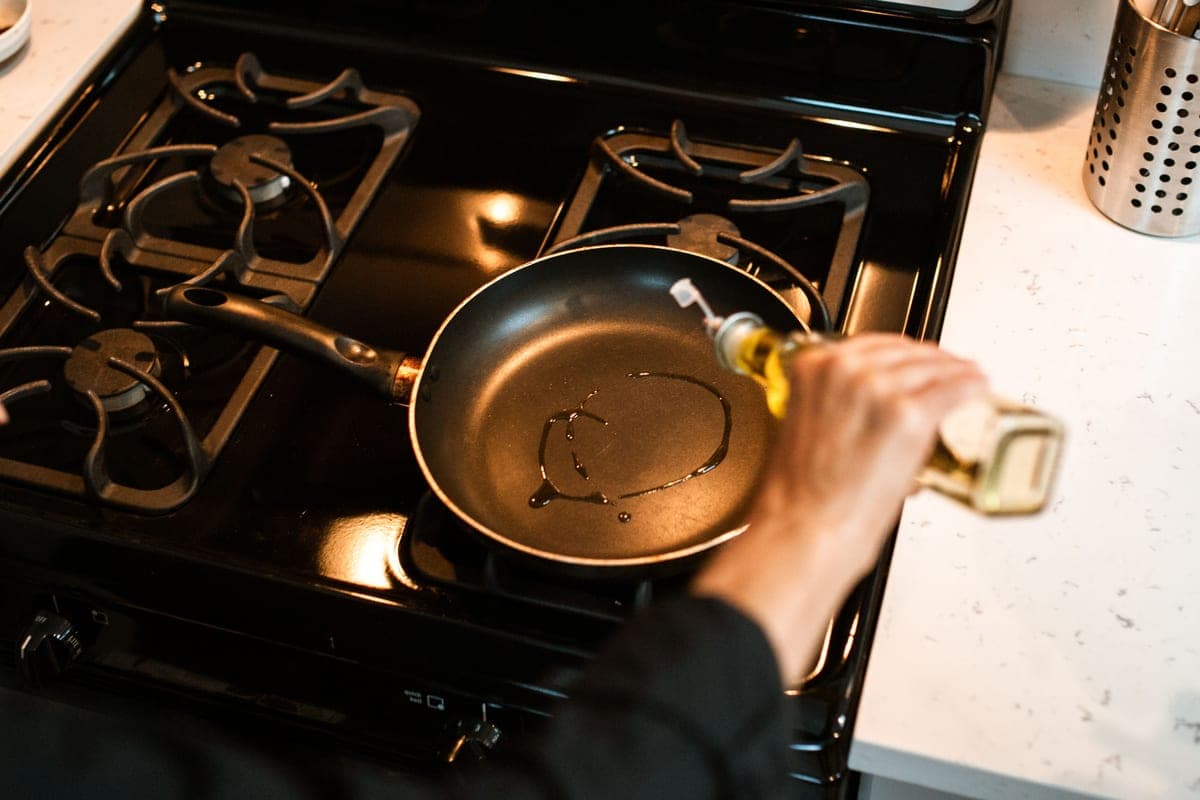 HexClad Hybrid PanTri-ply stainless with a PTFE-based layer between raised stainless ridges, rated to 500F. | Partial release with metal-utensil tolerance | Tri-ply stainless with a laser-etched hexagon pattern over a PTFE-based non-stick layer | |
| 3 | 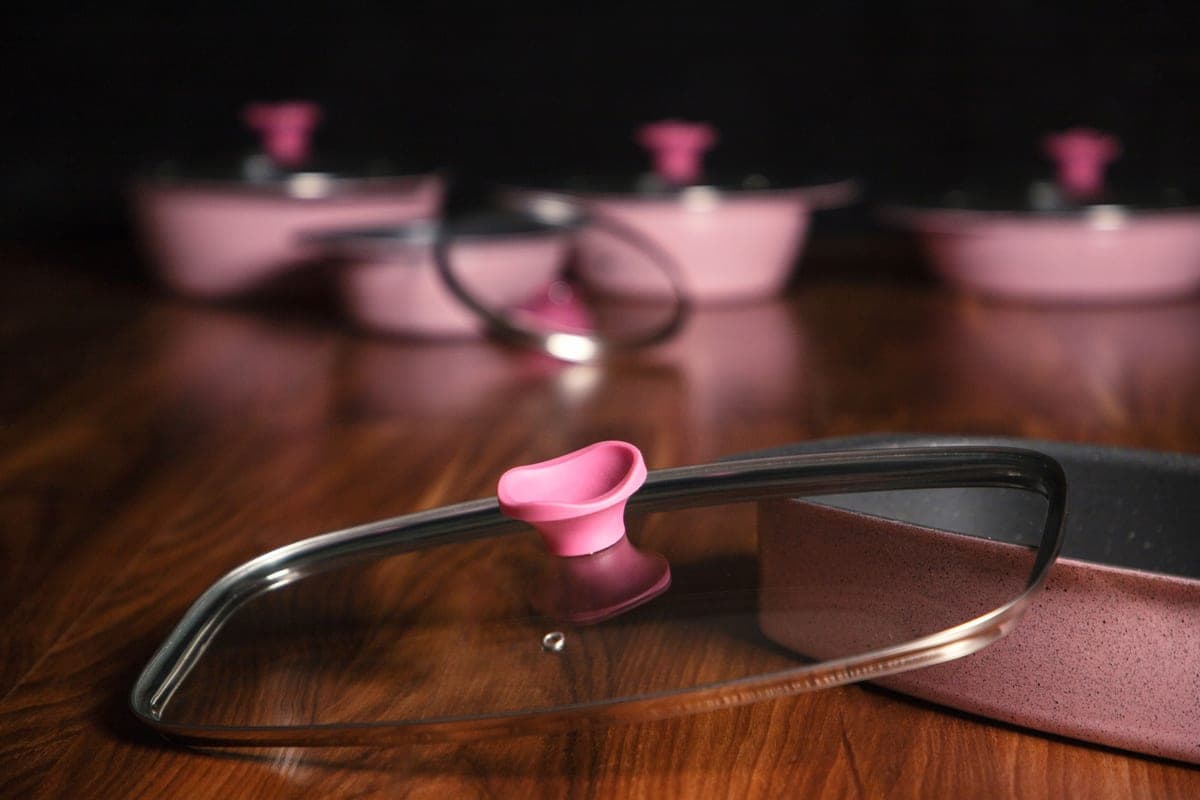 Tramontina Tri-Ply Clad SetThe same no-coating argument as All-Clad, at a fraction of the price. | The uncoated answer, much cheaper | 3-ply clad: 18/10 stainless interior | |
| 4 | 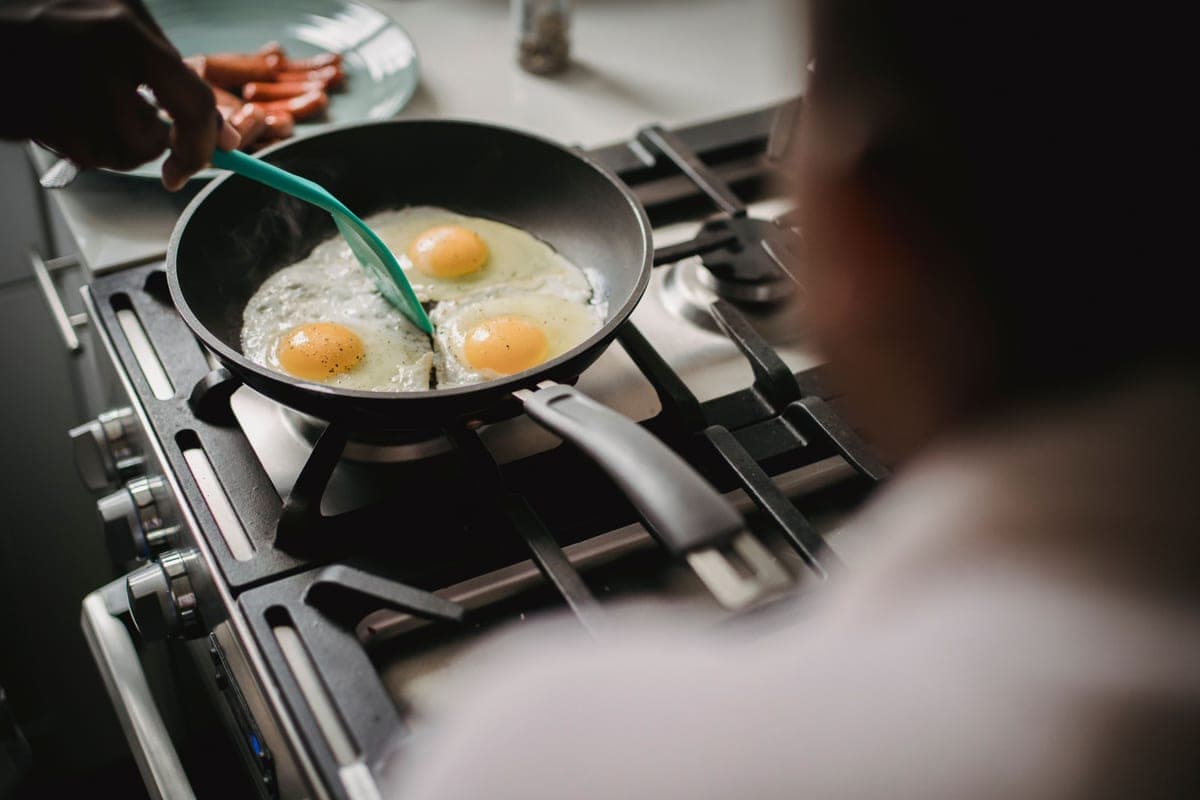 Our Place Always Pan 2.0If the goal is a pan that releases eggs and no fluoropolymer, this is the coating to pick. | Release without PTFE | Cast aluminum body with a ceramic non-stick coating |
Tap a row to jump to that write-up. Prices are not shown on this site because they change — the button sends you to the live Amazon listing.
Side by side
| HexClad Hybrid | All-Clad D3 | |
|---|---|---|
| Cooking surface | PTFE-based coating between stainless ridges | 18/10 stainless, no coating |
| Fluoropolymer present | Yes. Brand states PFOA-free | No |
| Published max temperature | 500F per the maker | No coating ceiling |
| Metal utensils | Tolerated — ridges take the contact | Fine |
| Release when new | Partial | None without technique |
| Release in year five | Declining | Unchanged — there is nothing to decline |
| Empty preheating | No | Standard practice |
| Dishwasher | Permitted, shortens coating life | Fine |
| Service life | Limited by the coating | Indefinite |
| Induction | Yes | Yes |
| Price | High | High |
What "PFOA-free" does and does not tell you
PFOA was a processing aid used in making fluoropolymer coatings, and it was phased out of US production years ago — which means PFOA-free describes essentially every non-stick pan sold today rather than distinguishing one. It is accurate and it is not informative. The question a buyer is usually asking is whether the pan contains a fluoropolymer at all, and for any PTFE-based coating the answer is yes.
This matters because the regulatory picture is about the class, not the single compound: EPA documents PFAS persistence and health endpoints, and FDA has determined that a set of food contact notifications related to PFAS are no longer effective. Our what is PFAS page separates PFAS, PFOA and PTFE, which is the distinction most product pages blur.
Does the hybrid design actually work
Partly, and the honest version is worth stating. The raised stainless ridges do take utensil contact, so the coating in the valleys lasts longer than it would on a flat pan — that is a real engineering answer to a real failure mode. What the ridges cannot do is hold the coating when heat degrades it, and heat is what kills coated pans. A 500F rating is decent headroom, but it is a ceiling where All-Clad has none.
The second honest point is about the cooking experience. Because the surface is part stainless and part coating, it sears better than a coated pan and releases worse than one. People who bought it as a non-stick pan find it sticky; people who bought it as a stainless pan find it slick. It genuinely is in between, which is either the appeal or the problem depending on what you wanted.
How to decide
- Avoiding fluoropolymers is the priority → All-Clad D3, or Tramontina for the same construction cheaper.
- You want release and no PTFE → a ceramic-coated pan for eggs plus uncoated stainless for everything else.
- You will not stop using metal utensils → the hybrid is a reasonable fit, knowing it contains PTFE.
- You want a pan to hand on to someone → All-Clad. A coated pan cannot be that, at any price.
- You cook mostly eggs → neither. See best non-toxic pans for eggs.
The picks in full
1. Best for No coating, no ceiling
All-Clad D3 Stainless
3-ply bonded stainless. Nothing applied, oven and broiler safe, and no replacement schedule.
- Made of
- 3-ply bonded stainless: 18/10 stainless interior, aluminum core, magnetic exterior
- Certified to
- Manufacturer claimManufacturer claim; no third-party certification published.
- Construction
- 3-ply bonded
- Cooking surface
- 18/10 stainless steel
- Made in
- Manufacturer states USA for the D3 line
The construction is the product: 18/10 stainless cooking surface, aluminum core bonded all the way up the sides, magnetic exterior for induction. Because nothing is applied, there is no published maximum temperature to respect, metal utensils are a non-issue, and the pan has no service life. The maker states US manufacture for the D3 line.
What you give up
Price, and the preheat technique. It will never release an egg the way a coated pan does, and it shows heat marks permanently.
Who it's for
Searing, pan sauces, acidic cooking, oven finishing, and anyone avoiding coatings entirely.
Who should skip it
Cooks who want release without technique, and tight budgets.
2. Best for Partial release with metal-utensil tolerance
HexClad Hybrid Pan
Tri-ply stainless with a PTFE-based layer between raised stainless ridges, rated to 500F.
- Made of
- Tri-ply stainless with a laser-etched hexagon pattern over a PTFE-based non-stick layer
- Certified to
- Manufacturer claimManufacturer claim; no third-party certification published.
- Coating type
- PTFE-based non-stick between raised stainless ridges
- PFOA
- Manufacturer states PFOA-free
- Oven safe
- Manufacturer states 500F
The design does solve a real problem: on a conventional coated pan, a metal spatula is how the coating dies, and here the raised stainless hexagons take that contact instead. The result is a pan with meaningful release that survives utensils better than a flat coated pan, rated by the maker to 500F.
What you give up
It is still a PTFE-based coated pan — the ridges protect the coating, they do not replace it, and PFOA-free is a statement about one compound. Release is partial rather than non-stick, so it disappoints people expecting a coated pan and people expecting bare stainless alike. Expensive for a pan with a service life.
Who it's for
Cooks who want some release and will not change their utensil habits.
Who should skip it
Anyone avoiding fluoropolymers, and anyone who wants either full release or no coating.
3. Best for The uncoated answer, much cheaper
Tramontina Tri-Ply Clad Set
The same no-coating argument as All-Clad, at a fraction of the price.
- Made of
- 3-ply clad: 18/10 stainless interior, aluminum core, magnetic stainless exterior
- Certified to
- Manufacturer claimManufacturer claim; no third-party certification published.
- Construction
- 3-ply clad
- Cooking surface
- 18/10 stainless steel
- Coating
- None
If the HexClad price is in play, so is a full clad stainless set with no coating at all. Tramontina publishes its 18/10 cooking surface and 3-ply clad construction, which is the same structural answer as the All-Clad in a lighter gauge. It is the value route to owning nothing with a service life.
What you give up
Thinner gauge and simpler handles than All-Clad, and the same preheat curve as any uncoated pan.
Who it's for
Replacing coated pans across a whole kitchen on a budget.
Who should skip it
Eggs, and anyone who wants a heirloom-gauge pan.
4. Best for Release without PTFE
Our Place Always Pan 2.0
If the goal is a pan that releases eggs and no fluoropolymer, this is the coating to pick.
- Made of
- Cast aluminum body with a ceramic non-stick coating, stainless steel handle
- Certified to
- Manufacturer claimManufacturer claim; no third-party certification published.
- Pieces replaced
- Marketed as replacing 8 pans
- Coating type
- Ceramic, no PTFE
- Oven safe
- Manufacturer states 450F
Most people shopping HexClad want release. The version of that without PTFE is a ceramic coating: the Always Pan 2.0 is a sol-gel ceramic layer rated to 450F with no fluoropolymer anywhere, and it releases better than a hybrid pan does. Pair it with uncoated stainless and you have both halves of what the hybrid is trying to be.
What you give up
Ceramic coatings lose release over a few years, faster than PTFE did, and metal utensils are not allowed. Medium heat only.
Who it's for
Eggs, fish and pancakes, with no fluoropolymer involved.
Who should skip it
Searing, and anyone who wants one pan to do everything.
How we chose, and what we did not do
Every product on this page was checked against its published material composition and its third-party certifications, with each claim labeled as certified, manufacturer-stated or independently tested by a named party. We do not run a lab and we do not claim to have used these products — the full method is here.
Questions people actually ask
Is HexClad non-toxic?
It contains a PTFE-based non-stick layer between its stainless ridges, so it is a fluoropolymer-coated pan. The brand states it is PFOA-free, which is true of essentially all non-stick made today and is a claim about one compound rather than the class. If the requirement is no fluoropolymer, it does not meet it.
Are HexClad and All-Clad related?
No. They are unrelated companies with similar names and opposite designs — HexClad is a hybrid coated pan, All-Clad makes bonded stainless with no coating.
Does HexClad really work with metal utensils?
Better than a flat coated pan, because the raised stainless hexagons take the contact. It does not make the coating permanent — heat, not utensils, is what ends most coated pans.
Is All-Clad worth the price over cheaper clad stainless?
For construction, the gap is smaller than the price gap: 3-ply clad is 3-ply clad. The extra cost buys heavier gauge, better handles and US manufacture for the D3 line. It does not buy a different safety answer.
Which lasts longer?
All-Clad, by a wide margin and not as a close call. An uncoated pan has nothing to wear out; a coated pan's useful life ends when the coating stops releasing, whatever protects it.
Sources
- HexClad (manufacturer)
- All-Clad (manufacturer)
- US EPA — Our Current Understanding of the Human Health and Environmental Risks of PFAS — Regulator overview of PFAS persistence and health endpoints
- US FDA — 35 food contact notifications related to PFAS are no longer effective
- US FDA — Authorized Uses of PFAS in Food Contact Applications
Read next
Kitchen & Cookware
HexClad review: good pan, wrong aisle
HexClad's hybrid construction, the PTFE layer under the hexagons, and who it is actually right for.
Kitchen & Cookware
All-Clad review: what D3 is made of, and the claim it had to answer for
All-Clad's published construction and US bonding claim, and the dishwasher-safe class action that changed the care advice.
Kitchen & Cookware
All-Clad vs Made In: three plies or five?
Tri-ply versus 5-ply uncoated stainless — track record against construction, with neither having a coating.
Kitchen & Cookware
Stainless steel vs nonstick cookware
Release, heat limits, leaching and cost per year compared — and the two-pan answer most kitchens land on.
Kitchen & Cookware
What PFAS actually means in cookware
PFAS, PFOA and PTFE separated with sources, plus what the labels can and cannot promise.
Written by Selena H., owner of Glass & Cotton.