Kitchen & Cookware
All-Clad review: what D3 is made of, and the claim it had to answer for
An uncoated pan is the easy case for this site. The interesting part of All-Clad is what happened when the care instructions met the marketing.
Last reviewed October 20, 2026 — Selena H.
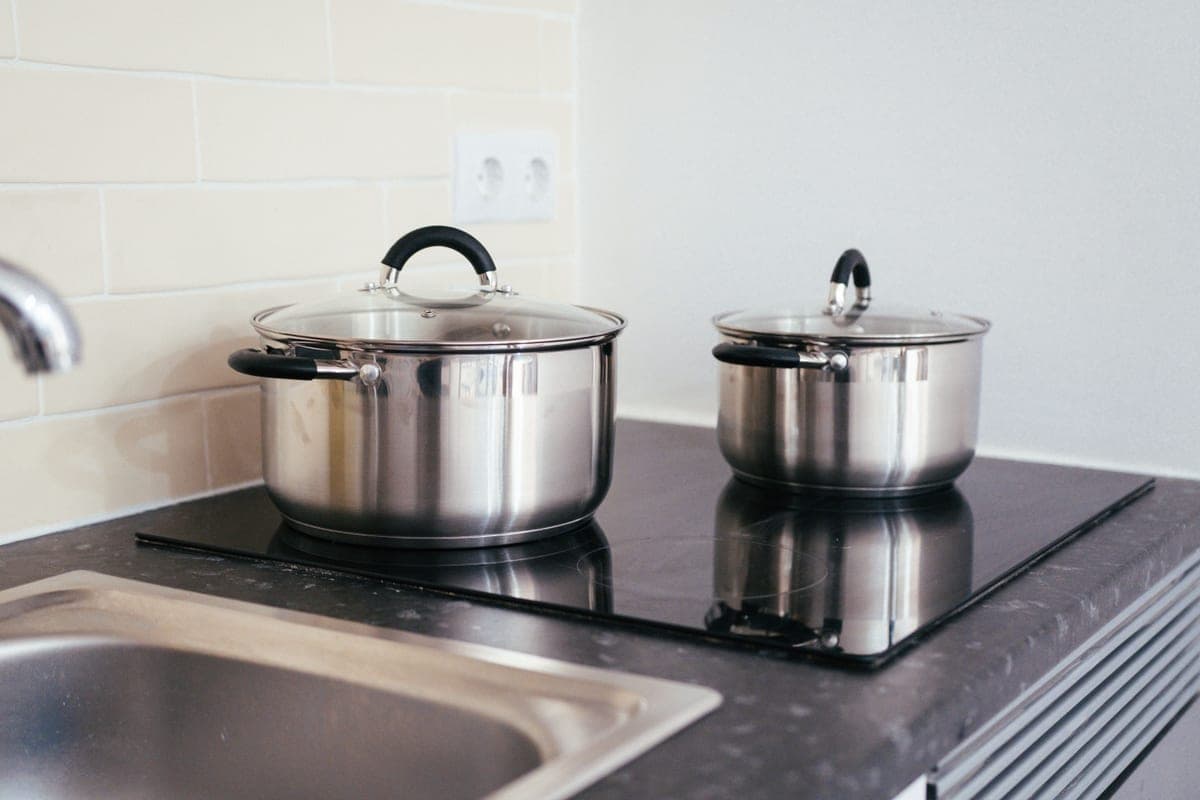
All-Clad is the brand two of this site's comparison pages keep measuring other cookware against, and it has never had a page of its own here. This is that page. The short version: D3 is uncoated bonded stainless, which means the question this site usually asks — what is the coating, and how long does it last — has no answer, because there is no coating.
That makes All-Clad an unusually easy product to assess on materials and an unusually interesting one to assess on honesty. The company publishes its construction clearly. It also spent several years defending a consolidated class action about whether its pans were really dishwasher safe, and the current retail care guidance is noticeably more conservative than the marketing that preceded it. Both of those belong in a review.
Quick picks
| # | Product | Best for | Material | Price |
|---|---|---|---|---|
| 1 | All-Clad D3 StainlessFully bonded tri-ply stainless, uncoated, bonded and assembled in Pennsylvania. | The product reviewed | 3-ply bonded stainless: 18/10 stainless interior | |
| 2 | 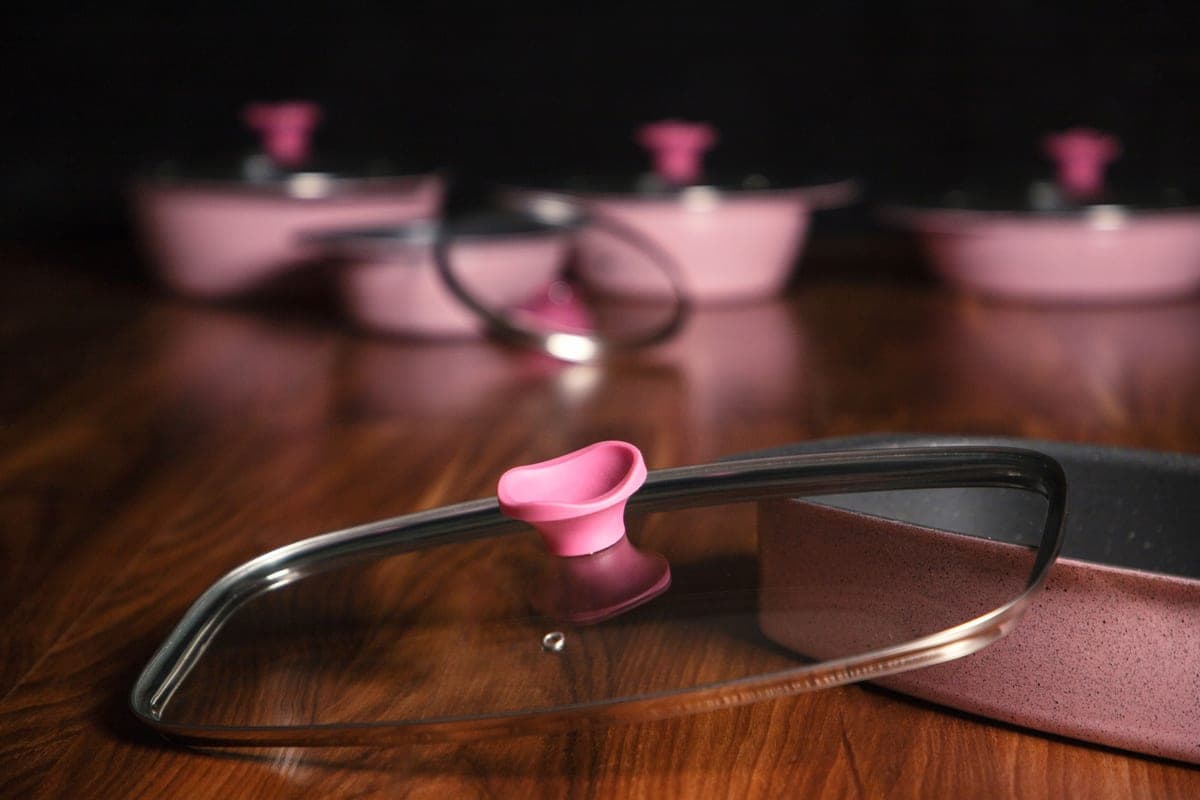 Tramontina Tri-Ply Clad Set3-ply clad stainless with an 18/10 surface, at a fraction of the price. | The same construction for much less | 3-ply clad: 18/10 stainless interior | |
| 3 | Made In Stainless Clad Set5-ply clad stainless from a smaller American brand. | A heavier clad alternative | 5-ply stainless clad: 304 stainless cooking surface | |
| 4 | 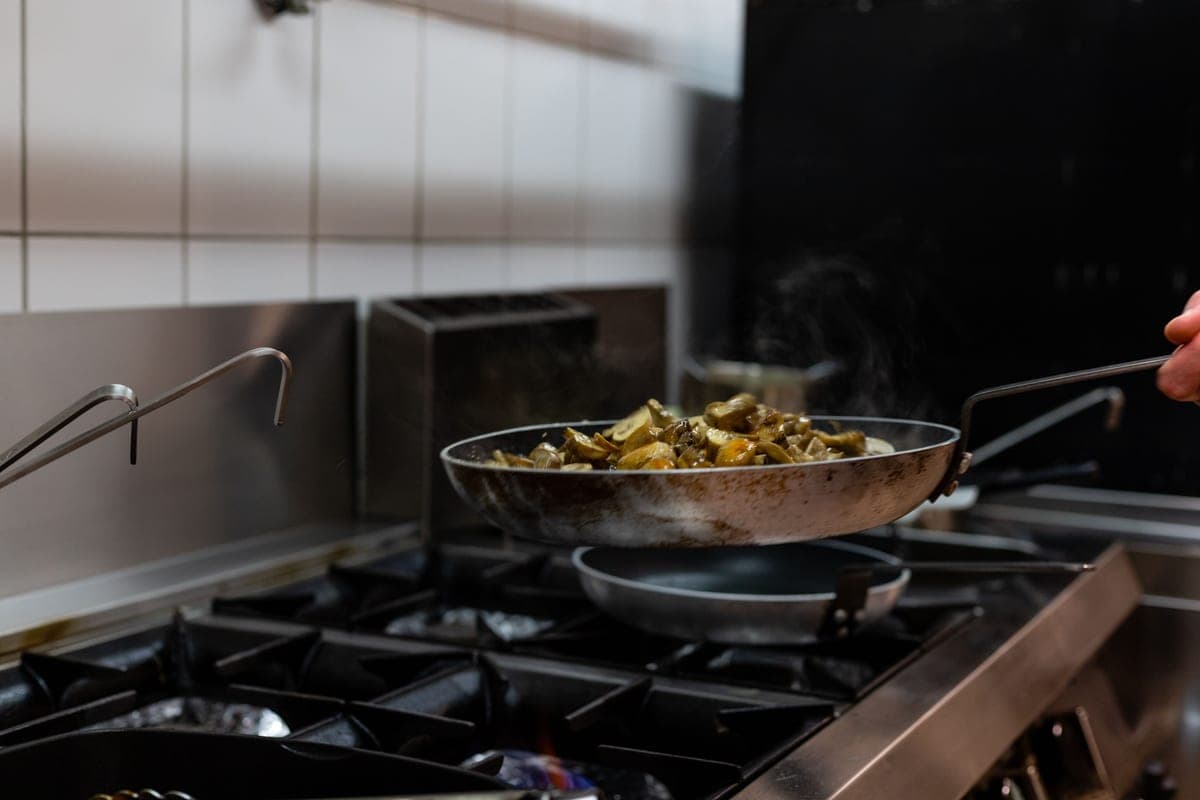 de Buyer Mineral B Carbon Steel PanCarbon steel: the uncoated pan that does release eggs, once seasoned. | The job clad stainless cannot do | Carbon steel with a beeswax finish applied at the factory |
Tap a row to jump to that write-up. Prices are not shown on this site because they change — the button sends you to the live Amazon listing.
What D3 is actually made of
Three bonded layers: an 18/10 stainless steel cooking surface, an aluminum core, and a magnetic stainless exterior that makes the pan induction-compatible. All-Clad's own product pages describe D3 Stainless as the original fully bonded tri-ply collection. "Fully bonded" is the load-bearing phrase — it means the aluminum runs up the sides of the pan rather than sitting as a disc in the base, which is the difference between even heat to the rim and a hot ring at the bottom.
For a site that asks what touches food, the answer here is a single, named, uncoated alloy. There is no sol-gel ceramic layer, no fluoropolymer, no applied surface of any kind, and therefore nothing with a service life. A D3 pan does not degrade into a worse pan; it gets scratched and stained and keeps cooking identically. That is a materially different ownership proposition from anything in our best non-toxic nonstick pans roundup, and it is the entire argument for buying clad stainless.
The relevant exposure question for uncoated stainless is not coating degradation but metal migration — small amounts of nickel and chromium moving into acidic food, more from a new pan than an aged one. It is a real and measured phenomenon, it is the reason the question comes up at all for people with a nickel sensitivity, and the fuller treatment is on our stainless steel cookware material page.
What it is certified to
Nothing third-party, and that is normal rather than suspicious. Cookware has almost no applicable independent certification marks — unlike textiles with GOTS or water filters with NSF — so the honest label for All-Clad, exactly as for every other pan brand reviewed on this site, is manufacturer claim; no third-party certification published.
What All-Clad does publish is a construction specification and an origin claim, and those are checkable in a way a safety slogan is not. The D3 line is described as bonded, engineered and assembled in Canonsburg, Pennsylvania. That claim is narrower than "made in the USA" and the narrowness is the point: bonding and assembly happen there, while handles, lids and accessory pieces in some sets are sourced elsewhere. A set that includes a steamer insert, for instance, may say so on the box.
The dishwasher claim, and what happened to it
This is the part of the All-Clad story worth knowing before you buy. Consolidated class actions against All-Clad Metalcrafters, handled as MDL 2988 in the Western District of Pennsylvania, alleged that the company marketed cookware containing aluminum layers as dishwasher safe when regular dishwasher use caused the exposed aluminum at the rim to corrode and pit. The case settled, with a claims deadline of March 27, 2023.
We are not going to characterize the merits — a settlement is a settlement, not a finding. What is useful to a buyer is the practical consequence, which is visible on retail listings today: current care guidance for D3 is routinely stated as hand wash only. If you were buying this cookware specifically because you wanted a dishwasher-proof pan, that is the thing to know, and it is not something the pan's appearance will tell you.
In fairness, hand washing is what every manufacturer of bonded cookware quietly prefers, and the pans are not hard to wash — stainless tolerates abrasive pads, scouring powder and boiling-water deglazing in a way no coated pan does. The gap here is between a marketing word and a care instruction, not between a product and its job.
What owners complain about
What is notably absent from that list is the complaint that dominates every coated-cookware review on this site: the pan stopped working. Uncoated clad stainless does not have that failure mode, which is the single best thing about it.
- Food sticking, which is the uncoated-stainless learning curve rather than a defect. Preheat properly, add fat, wait for the shimmer.
- Rim corrosion after dishwasher cycles — the issue at the center of the litigation above.
- Handles. The classic D3 handle is a narrow stainless V-channel that a lot of people find uncomfortable, and it gets hot. This is a genuine ergonomic complaint, not a quality one.
- Price. The construction is 3-ply clad, which several brands sell for a third of the money.
- Discolored interiors. Cosmetic. Bar Keepers Friend removes it, and it does not affect cooking.
What you give up
Money, mostly. D3's construction is tri-ply clad with an 18/10 cooking surface, and that specification is available from Tramontina and Cuisinart at a fraction of the price with very similar everyday results. What the extra money buys is heavier gauge, US bonding, better long-run fit and finish, and a brand with genuine resale value. Whether that is worth the difference is a budget question, not a safety one, and our best budget non-toxic cookware page takes the other side of it honestly.
You also give up effortless release. This is not an egg pan and buying it as one will disappoint you — keep one coated or carbon steel pan for that job, as described in best non-toxic pans for eggs.
Who it is for, and who should skip it
- For buy-once kitchens that want uncoated cookware with nothing to replace and no coating to assess.
- For cooks who sear, deglaze and finish in the oven — D3 is widely listed as oven and broiler safe to 600F.
- For people who specifically want US bonding and assembly and are willing to pay for it.
- Skip it if your budget is the deciding factor. The same construction costs far less elsewhere.
- Skip it if you want a dishwasher-proof pan, given the care guidance above.
- Skip it if you have a known nickel sensitivity and cook acidic food daily, where the material question is real.
Alternatives we would pick instead
Depending on which part of the All-Clad proposition you want: the same tri-ply construction for much less money, a heavier 5-ply American-made alternative, or a coated pan for the one job clad stainless cannot do.
The picks in full
1. Best for The product reviewed
All-Clad D3 Stainless
Fully bonded tri-ply stainless, uncoated, bonded and assembled in Pennsylvania.
- Made of
- 3-ply bonded stainless: 18/10 stainless interior, aluminum core, magnetic exterior
- Certified to
- Manufacturer claimManufacturer claim; no third-party certification published.
- Construction
- 3-ply bonded
- Cooking surface
- 18/10 stainless steel
- Made in
- Manufacturer states USA for the D3 line
18/10 stainless cooking surface, aluminum core running up the sides, magnetic exterior for induction, widely listed as oven and broiler safe to 600F. Nothing applied, nothing to wear out, and a published origin claim that is narrower and more honest than most.
What you give up
Price against identical construction elsewhere, a handle a lot of people dislike, and hand-wash-only care guidance after the dishwasher-safe litigation.
Who it's for
Buy-once kitchens that sear, deglaze and finish in the oven.
Who should skip it
Egg cooking, tight budgets, and dishwasher households.
2. Best for The same construction for much less
Tramontina Tri-Ply Clad Set
3-ply clad stainless with an 18/10 surface, at a fraction of the price.
- Made of
- 3-ply clad: 18/10 stainless interior, aluminum core, magnetic stainless exterior
- Certified to
- Manufacturer claimManufacturer claim; no third-party certification published.
- Construction
- 3-ply clad
- Cooking surface
- 18/10 stainless steel
- Coating
- None
If what you want from All-Clad is fully clad uncoated stainless, this is that specification without the brand premium. The everyday cooking difference is far smaller than the price difference, which is the honest comparison most reviews of this brand avoid making.
What you give up
Lighter gauge, less refined fit and finish, and no resale value to speak of.
Who it's for
First kitchens and anyone pricing construction rather than badge.
Who should skip it
Buyers who want US bonding specifically.
3. Best for A heavier clad alternative
Made In Stainless Clad Set
5-ply clad stainless from a smaller American brand.
- Made of
- 5-ply stainless clad: 304 stainless cooking surface, aluminum core layers
- Certified to
- Manufacturer claimManufacturer claim; no third-party certification published.
- Construction
- 5-ply clad
- Cooking surface
- 304 stainless steel
- Coating
- None
The step up rather than the step down: more layers, more thermal mass, and a company whose whole proposition is published construction. Worth a look if you were buying All-Clad for the materials rather than the name.
What you give up
Weight, and a price in the same bracket rather than below it.
Who it's for
Cooks who want maximum thermal stability in an uncoated pan.
Who should skip it
Anyone who finds heavy pans hard to handle.
4. Best for The job clad stainless cannot do
de Buyer Mineral B Carbon Steel Pan
Carbon steel: the uncoated pan that does release eggs, once seasoned.
- Made of
- Carbon steel with a beeswax finish applied at the factory
- Certified to
- Manufacturer claimManufacturer claim; no third-party certification published.
- Coating
- None. Beeswax shipping finish, then user seasoning
- Handle
- Riveted iron, not oven-limited
- Induction
- Yes
No amount of technique makes clad stainless an egg pan. A seasoned carbon steel skillet is the uncoated answer to that specific job, and it belongs alongside an All-Clad set rather than instead of one.
What you give up
Seasoning, keeping it dry, and no acidic simmering.
Who it's for
Daily eggs, fish and pancakes without a coating.
Who should skip it
Dishwasher kitchens and zero-maintenance cooks.
How we chose, and what we did not do
Every product on this page was checked against its published material composition and its third-party certifications, with each claim labeled as certified, manufacturer-stated or independently tested by a named party. We do not run a lab and we do not claim to have used these products — the full method is here.
Questions people actually ask
Is All-Clad non-toxic?
D3 is uncoated bonded stainless, so there is no non-stick coating to assess and no PTFE, PFOA or sol-gel ceramic layer involved. The relevant material question for any uncoated stainless pan is small amounts of nickel and chromium migrating into acidic food, which is measurable and matters most to people with a nickel sensitivity. As with every cookware brand on this site, the label is manufacturer claim with no third-party certification published.
Is All-Clad made in the USA?
The D3 line is published as bonded, engineered and assembled in Canonsburg, Pennsylvania. That phrasing is deliberately narrower than "made in the USA" — handles, lids and accessory pieces in some sets are sourced elsewhere, and certain set components such as steamer inserts are noted as made in China on retail listings. Check the specific set.
Is All-Clad dishwasher safe?
Current retail care guidance for D3 is routinely stated as hand wash only. Consolidated class actions in the Western District of Pennsylvania (MDL 2988) alleged that All-Clad marketed aluminum-containing cookware as dishwasher safe while dishwasher use corroded the exposed aluminum at the rim; the case settled with a claims deadline of March 27, 2023. Hand wash it.
Is All-Clad worth the price over Tramontina?
Not on construction alone. Both are fully clad tri-ply with an 18/10 cooking surface, and for everyday cooking the difference is smaller than the price gap. All-Clad buys you heavier gauge, US bonding and assembly, better long-run finish and real resale value. Those are legitimate things to pay for and they are not safety things.
Why does food stick to my All-Clad pan?
Because it is uncoated, which is the point of it. Protein bonds to bare metal below searing temperature, so the fix is technique rather than product: preheat the dry pan until a water drop beads and skitters, add fat, wait for it to shimmer, then add food and leave it alone until it releases on its own. Keep a separate pan for eggs.
How hot can All-Clad D3 go?
Retail listings and the manufacturer's set pages routinely state oven and broiler safe up to 600F for D3. There is no coating to degrade, so the limit is about the metal and the handle rather than about a surface breaking down — which is the fundamental difference between an uncoated pan and a coated one.
Sources
- All-Clad (manufacturer)
- All-Clad — D3 Stainless 3-ply bonded stockpot (manufacturer product page) — Describes D3 as the original fully bonded tri-ply collection, bonded, engineered and assembled in Canonsburg, PA
- Consumer Action — In re All-Clad Metalcrafters cookware marketing and sales practices litigation — Consolidated class action (MDL 2988, W.D. Pa.) over 'dishwasher safe' labeling; claims deadline March 27, 2023
- Kamerud, Hobbie and Anderson (2013), Stainless Steel Leaches Nickel and Chromium into Foods During Cooking, Journal of Agricultural and Food Chemistry
- US FDA — Food Packaging & Other Substances that Come in Contact with Food: Information for Consumers — How food contact substances are authorized, and what migration review covers
Read next
Kitchen & Cookware
All-Clad vs Made In: three plies or five?
Tri-ply versus 5-ply uncoated stainless — track record against construction, with neither having a coating.
Kitchen & Cookware
HexClad vs All-Clad
A hybrid PTFE pan against fully bonded uncoated stainless — construction, heat limits and service life.
Kitchen & Cookware
Is stainless steel cookware safe?
The nickel and chromium leaching evidence stated with actual numbers, plus who should act on it.
Kitchen & Cookware
Best stainless steel cookware sets
Clad stainless sets compared on ply construction and steel grade, with the nickel leaching evidence stated plainly.
Written by Selena H., owner of Glass & Cotton.