Kitchen & Cookware
Stainless steel vs nonstick cookware
This is not a safety argument with a villain. It is a trade between release today and a pan that has no end date.
Last reviewed October 17, 2026 — Selena H.
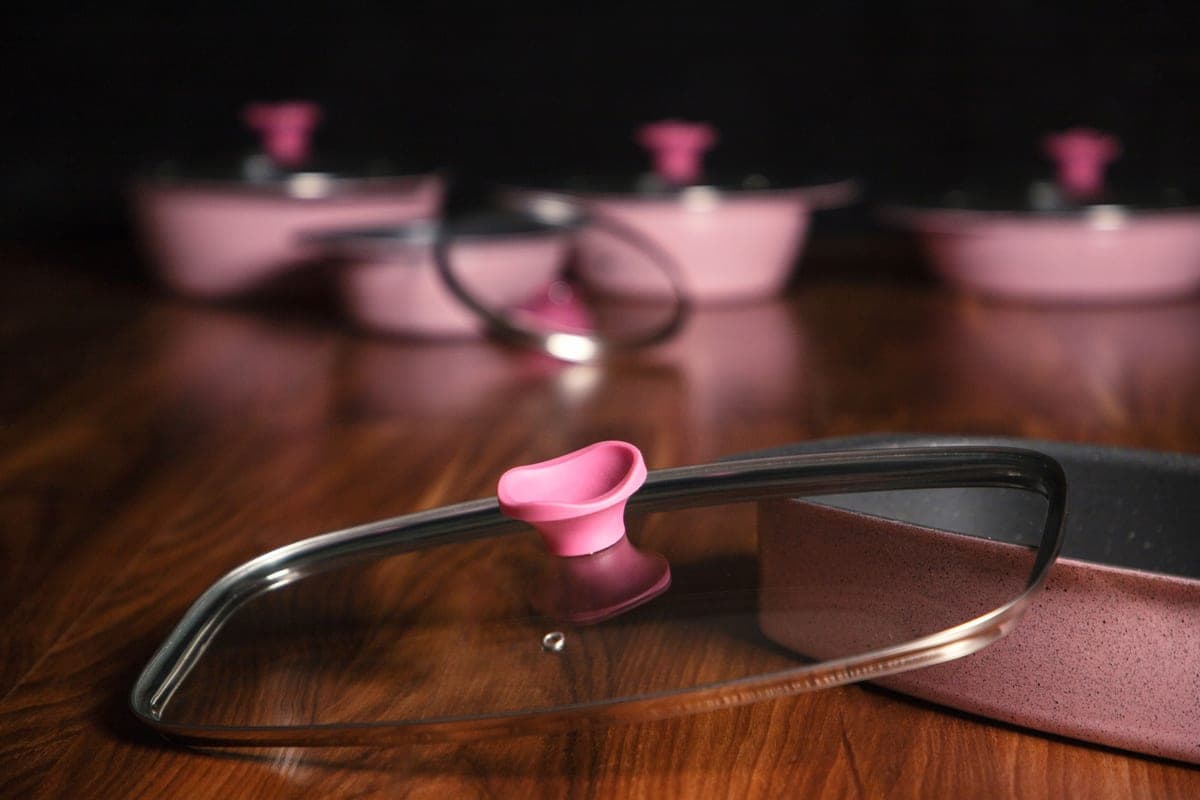
Stainless steel is the better pan for almost everything and the worse pan for eggs. That is the honest summary: clad stainless has no coating, so it has no temperature ceiling and no service life, while a coated pan releases food effortlessly and then stops doing so in a few years. The answer most kitchens arrive at is both — clad stainless for the cooking, one coated pan kept for eggs and fish.
What makes the choice feel more loaded than it is: coated pans are where the PFAS conversation sits. PTFE-based coatings are fluoropolymers, and FDA has withdrawn authorizations for a set of PFAS food contact uses while EPA documents the health and persistence concerns for the class. Ceramic coatings sidestep that chemistry but not the fact of being a consumable layer. Stainless sidesteps both and asks you to learn to preheat.
Quick picks
| # | Product | Best for | Material | Price |
|---|---|---|---|---|
| 1 | Tramontina Tri-Ply Clad Set3-ply clad with an 18/10 cooking surface and no coating, at the lowest honest price. | The stainless answer, affordably | 3-ply clad: 18/10 stainless interior | |
| 2 | 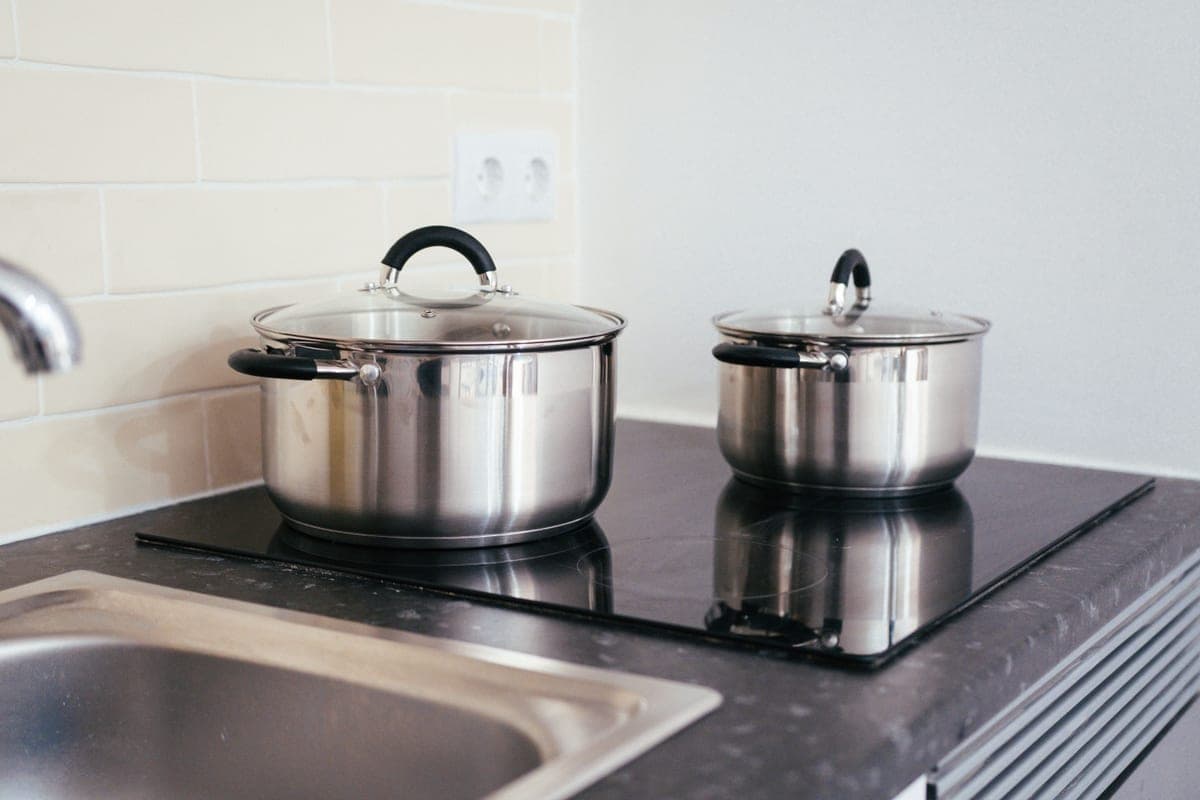 All-Clad D3 Stainless3-ply bonded stainless rated for oven and broiler, with the D3 line stated as US-made. | Stainless, built to last decades | 3-ply bonded stainless: 18/10 stainless interior | |
| 3 | 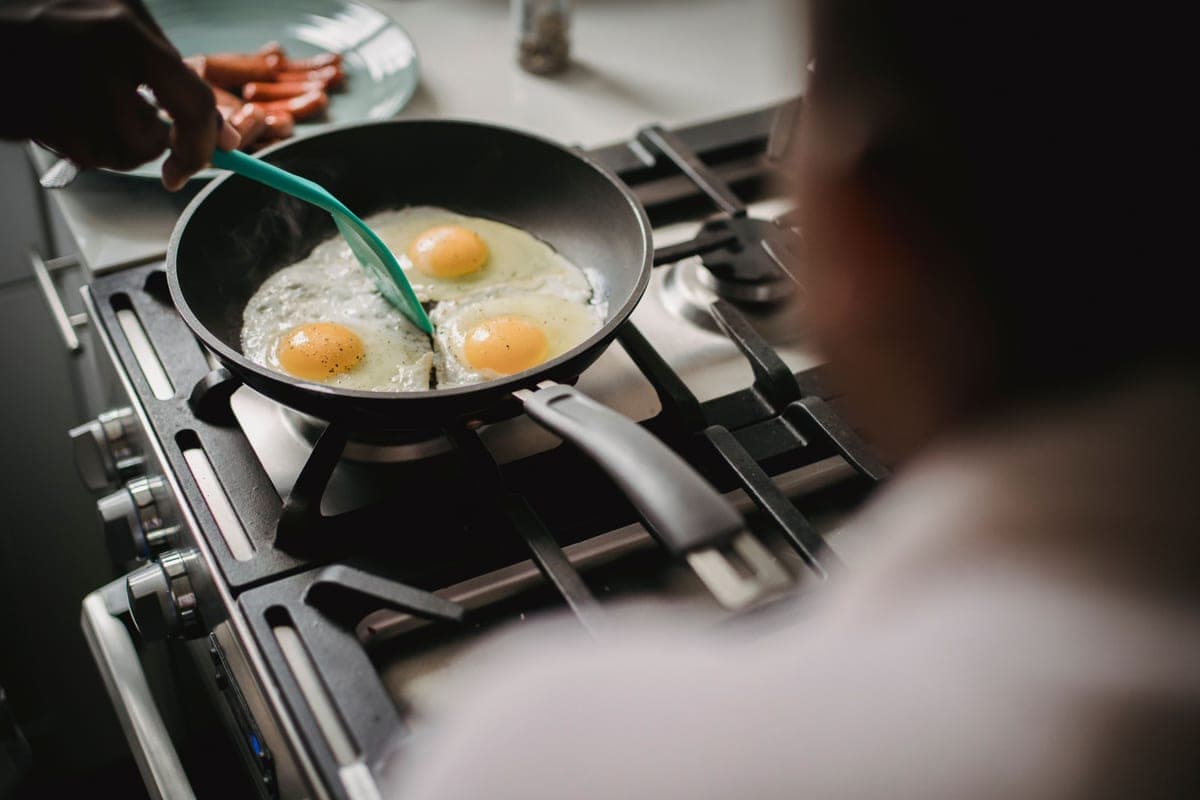 Our Place Always Pan 2.0Ceramic coating with no PTFE, rated to 450F, and it releases eggs on day one. | The coated pan to own, if you own one | Cast aluminum body with a ceramic non-stick coating | |
| 4 | 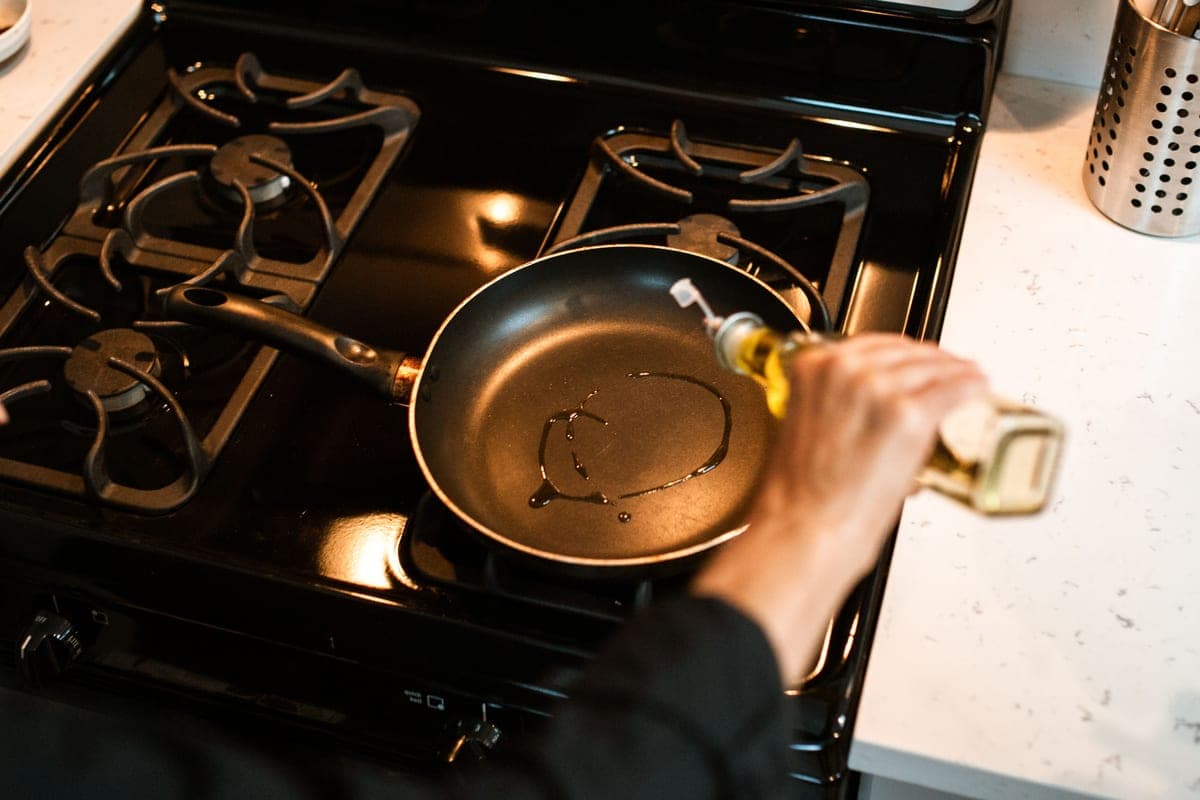 GreenPan Valencia ProCeramic on hard-anodized aluminum, rated to 600F — the most heat headroom in the coated category. | A coated pan with more margin | Hard-anodized aluminum body with the brand's diamond-reinforced ceramic coating |
Tap a row to jump to that write-up. Prices are not shown on this site because they change — the button sends you to the live Amazon listing.
The comparison, specification by specification
| Clad stainless | Coated non-stick | |
|---|---|---|
| Service life | Indefinite. Nothing applied | 3 to 5 years of good release, typically |
| Egg release | Poor without real technique | Excellent, while new |
| Max usable heat | No practical ceiling | Published rating, 450F to 600F |
| Empty preheating | Standard practice | Ruins the pan |
| Metal utensils | Fine | No |
| Dishwasher | Fine | Shortens coating life |
| Acidic cooking | Fine | Fine, but heat limits still apply |
| Oven and broiler | Yes | To the published rating only |
| What leaches | Trace nickel and chromium, more with acid | Nothing measurable while intact |
| Cost per year of use | Very low | Purchase price every few years |
What stainless actually leaches
Stainless steel is not inert, and pretending otherwise would be the mirror image of the mistake coated-pan marketing makes. Kamerud, Hobbie and Anderson measured nickel and chromium migrating into tomato sauce during cooking, with the amounts rising with cooking time and falling as a pan aged — new pans released more than well-used ones.
The practical reading: for most people the quantities are small against dietary intake from food itself, and the first several uses of a brand-new pan are when transfer is highest. For someone with a diagnosed nickel allergy it is a real consideration, and the alternatives are enameled cast iron, glass or solid ceramic rather than a coated pan. Stainless steel cookware sets out the full evidence.
What the coating question actually is
For PTFE-based coatings, two things are true at once: an intact coating at normal cooking temperatures is not understood to transfer meaningfully into food, and the coating is a fluoropolymer from a chemical class EPA documents for persistence and health endpoints, with FDA having withdrawn a set of PFAS food contact authorizations. The exposure route people actually encounter is heat — coatings degrade above roughly 500F, which is the scenario covered in when to replace a non-stick pan.
Ceramic coatings are a different chemistry — a sol-gel mineral layer, no PTFE — but they are still an applied surface that wears. So the choice between ceramic and PTFE is a chemistry question, and the choice between coated and uncoated is a durability question. They are not the same question, and conflating them is how people end up buying a coated pan every two years in the belief that they are solving something.
The answer most kitchens land on
Two clad stainless pieces and one coated pan, used for different jobs. The stainless does searing, braising, pan sauces, anything acidic, anything that goes in the oven. The coated pan does eggs, fish and pancakes on medium heat and never sees a sear. Split that way the coated pan lasts years rather than months, and nothing you cook daily is sitting on a surface with a service life.
If you would rather own no coating at all, the honest substitute for the egg pan is seasoned carbon steel — see carbon steel vs cast iron — which releases eggs as well once established and never needs replacing. It just asks for the seasoning habit in exchange.
The picks in full
1. Best for The stainless answer, affordably
Tramontina Tri-Ply Clad Set
3-ply clad with an 18/10 cooking surface and no coating, at the lowest honest price.
- Made of
- 3-ply clad: 18/10 stainless interior, aluminum core, magnetic stainless exterior
- Certified to
- Manufacturer claimManufacturer claim; no third-party certification published.
- Construction
- 3-ply clad
- Cooking surface
- 18/10 stainless steel
- Coating
- None
Clad construction is the whole point — aluminum core running up the sides, not a disc under the base — and Tramontina is the cheapest version of it that publishes its cooking-surface alloy. Nothing applied means nothing to degrade, which is why this pan has no replacement schedule.
What you give up
Food sticks until you learn the preheat, and that takes a few weeks. Stainless also shows every heat mark, which is cosmetic but irritating.
Who it's for
A first uncoated set, and anyone replacing worn coated pans.
Who should skip it
Eggs, and cooks who want release with no technique.
2. Best for Stainless, built to last decades
All-Clad D3 Stainless
3-ply bonded stainless rated for oven and broiler, with the D3 line stated as US-made.
- Made of
- 3-ply bonded stainless: 18/10 stainless interior, aluminum core, magnetic exterior
- Certified to
- Manufacturer claimManufacturer claim; no third-party certification published.
- Construction
- 3-ply bonded
- Cooking surface
- 18/10 stainless steel
- Made in
- Manufacturer states USA for the D3 line
The same construction argument executed in a heavier gauge with better handles: it browns evenly, takes a broiler, tolerates acid and a dishwasher, and the manufacturer states US manufacture for the D3 line. For a pan you expect to hand on, the extra cost buys gauge and fit rather than a different safety story.
What you give up
Expensive, and still unforgiving about preheating. Heavier than thin stainless, which some cooks dislike for sauté work.
Who it's for
Searing then deglazing, oven-to-broiler finishing, acidic cooking.
Who should skip it
Budget buyers and anyone who wants non-stick behavior.
3. Best for The coated pan to own, if you own one
Our Place Always Pan 2.0
Ceramic coating with no PTFE, rated to 450F, and it releases eggs on day one.
- Made of
- Cast aluminum body with a ceramic non-stick coating, stainless steel handle
- Certified to
- Manufacturer claimManufacturer claim; no third-party certification published.
- Pieces replaced
- Marketed as replacing 8 pans
- Coating type
- Ceramic, no PTFE
- Oven safe
- Manufacturer states 450F
If you are keeping one coated pan, a ceramic coating is the version that avoids fluoropolymer chemistry entirely. It releases immediately, the sloped sides suit omelettes, and 450F is far more headroom than eggs need. Treat it as the specialist and the stainless as the generalist.
What you give up
A consumable. Expect three to five years of good release with daily egg use, less if it ever gets used for searing. Medium heat only.
Who it's for
Eggs, fish, pancakes, crepes.
Who should skip it
Searing, high heat, oven work, and anyone unwilling to rebuy.
4. Best for A coated pan with more margin
GreenPan Valencia Pro
Ceramic on hard-anodized aluminum, rated to 600F — the most heat headroom in the coated category.
- Made of
- Hard-anodized aluminum body with the brand's diamond-reinforced ceramic coating
- Certified to
- Manufacturer claimManufacturer claim; no third-party certification published.
- Coating type
- Ceramic (Thermolon), no PTFE
- Oven safe
- Manufacturer states 600F
- Dishwasher
- Manufacturer states safe
Coated pans die from heat, so the published rating is the specification that matters most. 600F gives real margin for the moment the pan is left on a hot burner, and the hard-anodized body conducts more evenly than thin stamped aluminum, which shows in an omelette.
What you give up
More margin slows the decline rather than removing it. Still a layer with an end date, and the maker's own advice is to stay off maximum heat.
Who it's for
Households where the dial gets cranked.
Who should skip it
Anyone looking for a pan with no replacement schedule.
How we chose, and what we did not do
Every product on this page was checked against its published material composition and its third-party certifications, with each claim labeled as certified, manufacturer-stated or independently tested by a named party. We do not run a lab and we do not claim to have used these products — the full method is here.
Questions people actually ask
Is stainless steel cookware safer than non-stick?
It avoids the coating question entirely, which is why it is the default recommendation here. It is not inert, though — stainless transfers trace nickel and chromium, more with acidic cooking and from new pans. For a nickel allergy, enameled cast iron or glass is the better answer than either.
Why does food stick to my stainless pan?
The pan was not hot enough when the food went in. Preheat until a drop of water balls up and skates across the surface, then add fat and wait for it to shimmer. Protein releases once it sears; adding food to a lukewarm pan bonds it to the metal.
How long does non-stick cookware last?
Three to five years of good release with careful use, often less. Heat is what ends it, not time — a coated pan used for searing can lose release inside a year, and one kept on medium for eggs can outlast its warranty.
Is ceramic non-stick better than PTFE?
It avoids fluoropolymer chemistry, which is the reason to prefer it. It does not avoid being a consumable layer, and ceramic coatings typically lose release faster than PTFE did. Better chemistry, not better durability.
Can I just use stainless for everything?
Yes, except eggs, where it will be a daily annoyance. Most people who try end up with either one coated pan or a seasoned carbon steel pan for that job.
Sources
- Kamerud, Hobbie and Anderson (2013), Stainless Steel Leaches Nickel and Chromium into Foods During Cooking, Journal of Agricultural and Food Chemistry
- Oregon State University Superfund Research Program — publication record for Kamerud et al. (2013)
- US EPA — Our Current Understanding of the Human Health and Environmental Risks of PFAS — Regulator overview of PFAS persistence and health endpoints
- US FDA — 35 food contact notifications related to PFAS are no longer effective
- Science News — Sticky situation: nonstick surfaces can turn toxic at high heat
- All-Clad (manufacturer)
Read next
Kitchen & Cookware
Is stainless steel cookware safe?
The nickel and chromium leaching evidence stated with actual numbers, plus who should act on it.
Kitchen & Cookware
Ceramic vs stainless steel cookware: which is actually safer?
The category's central decision: a consumable coating against a measured trace metal transfer.
Kitchen & Cookware
When to replace a non-stick pan
Five signals a coated pan is finished, why heat ends most of them, and three replacements with no service life.
Kitchen & Cookware
Best non-toxic nonstick pans, without a fluoropolymer
PTFE-free nonstick pans compared on heat rating, disclosure and realistic coating life.
Written by Selena H., owner of Glass & Cotton.