Kitchen & Cookware
Best non-toxic pan for eggs
Eggs are the only reason most kitchens still own a coated pan. Here is what releases them without a fluoropolymer.
Last reviewed October 17, 2026 — Selena H.
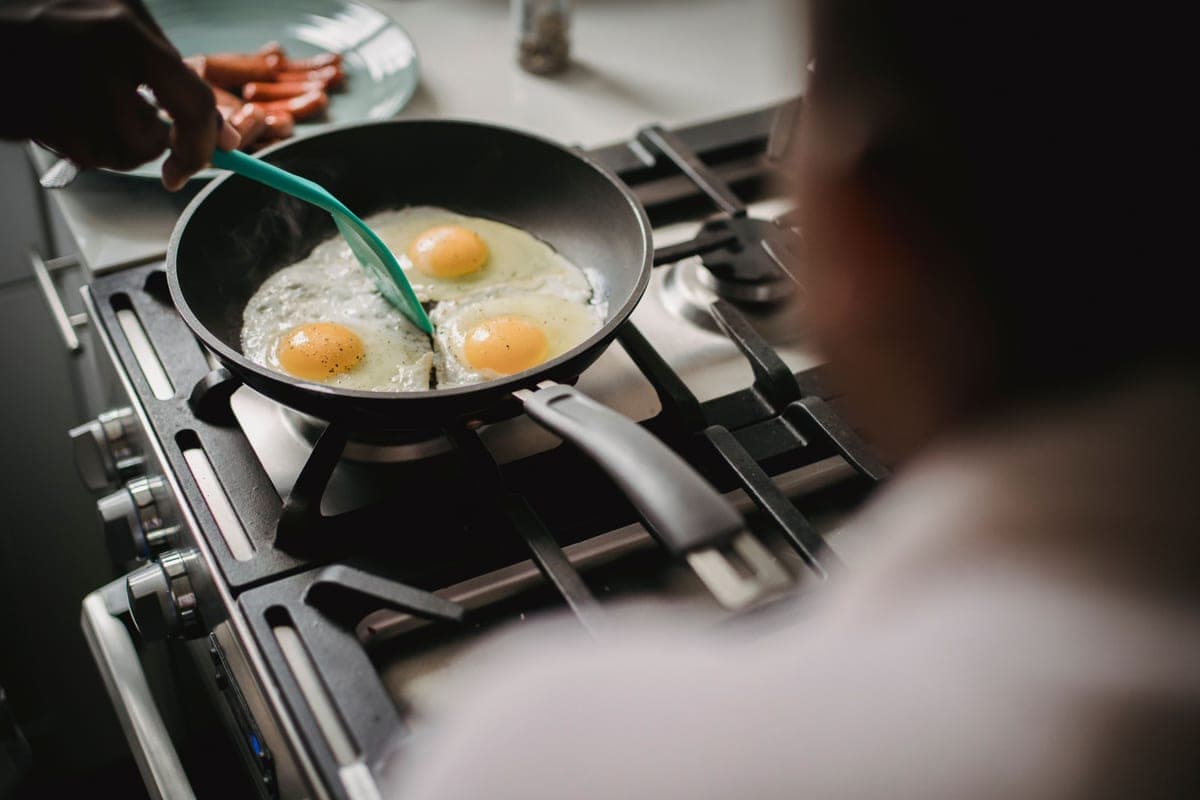
The best non-toxic pan for eggs is the Our Place Always Pan 2.0 for most people — a ceramic coating with no PTFE, which releases a fried egg from day one and asks nothing of your technique. If you would rather own a pan that never needs replacing, the answer is a de Buyer Mineral B carbon steel pan, which releases eggs just as well once it is seasoned and will outlive the kitchen.
Those are the two real answers, and they are a straight trade between convenience now and convenience forever. Everything else on this page is a variation on one of them. What none of the four is: a pan that releases eggs effortlessly, lasts decades and needs no seasoning. That pan does not exist without a fluoropolymer.
Quick picks
| # | Product | Best for | Material | Price |
|---|---|---|---|---|
| 1 | Our Place Always Pan 2.0Ceramic coating, no PTFE, and it releases a fried egg the day it arrives. | Eggs with no learning curve | Cast aluminum body with a ceramic non-stick coating | |
| 2 | 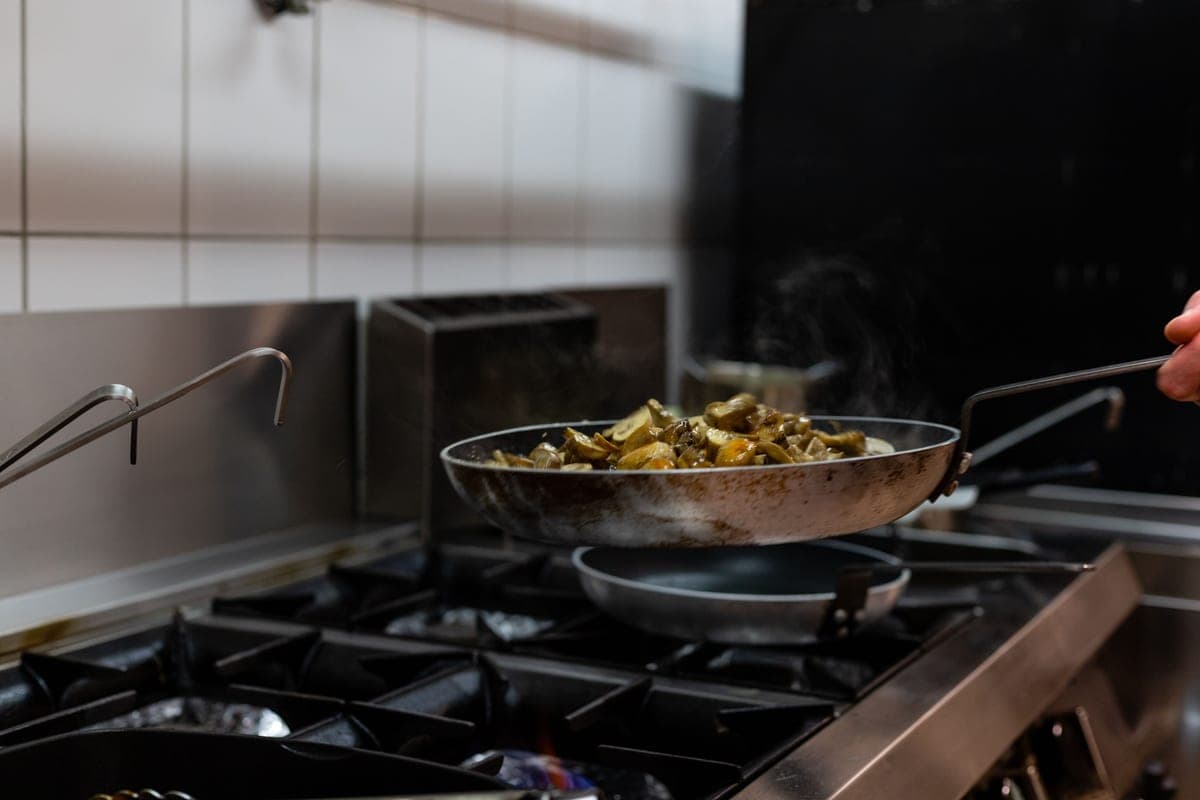 de Buyer Mineral B Carbon Steel PanCarbon steel: a seasoned surface that releases eggs and is repairable forever. | Eggs, permanently | Carbon steel with a beeswax finish applied at the factory | |
| 3 | 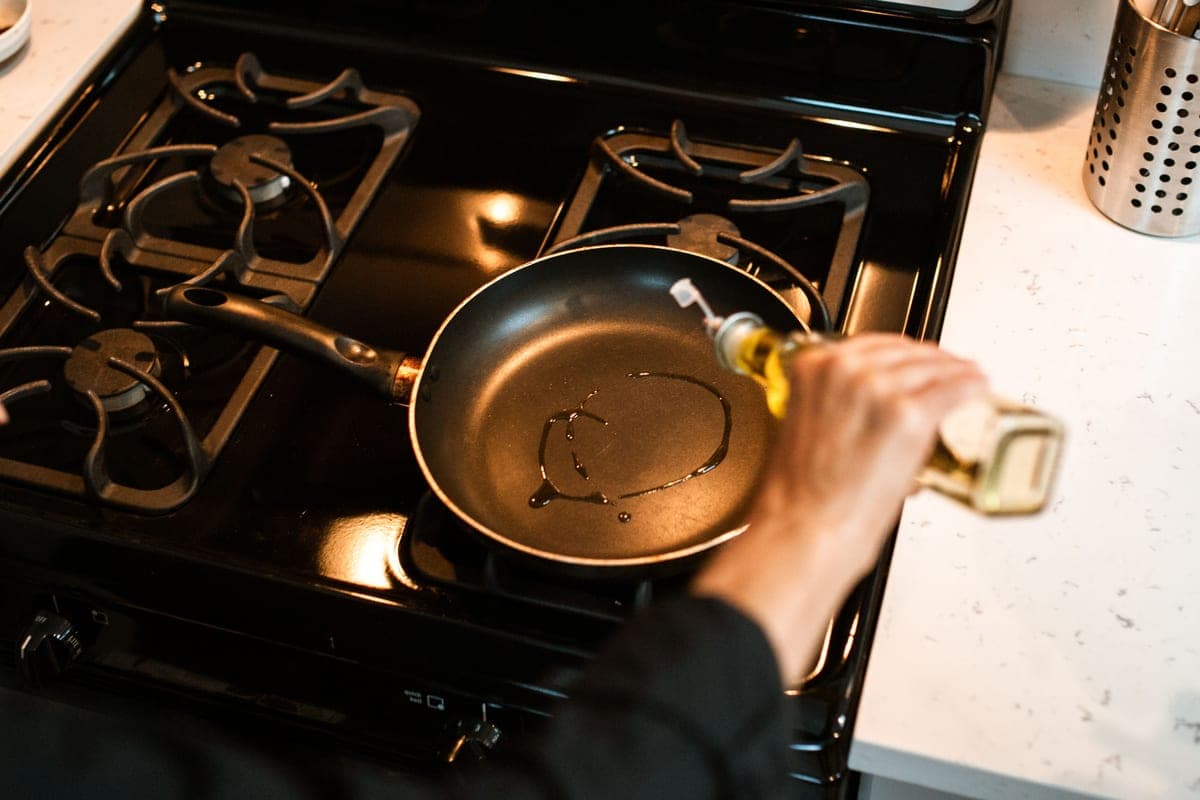 GreenPan Valencia ProCeramic on hard-anodized aluminum, rated to 600F — the most headroom in the coated category. | A coated pan with more heat margin | Hard-anodized aluminum body with the brand's diamond-reinforced ceramic coating | |
| 4 | Lodge Carbon Steel SkilletFactory-seasoned carbon steel at a fraction of the price, lighter than cast iron. | Carbon steel, cheaply | Pressed carbon steel | |
| 5 | Xtrema Versa SkilletSolid ceramic through the body. Nothing applied, nothing to flake, and not very non-stick. | No metal and no coating at all | 100% ceramic through-body (no metal core |
Tap a row to jump to that write-up. Prices are not shown on this site because they change — the button sends you to the live Amazon listing.
Why eggs are the hard case
Egg white is mostly protein, and protein bonds chemically to bare metal when it hits it below the temperature at which it sets. That is the whole problem: a steak releases because it sears, and an egg sticks because it does not. Coated pans solve it by putting a low-surface-energy layer between the protein and the metal; seasoned pans solve it by putting polymerized oil there instead.
Everything else follows from that. It is why uncoated stainless is the wrong tool for eggs no matter how good the pan is, and why the real choice on this page is only ever between a coating someone applied and a coating you build. The underlying chemistry concern with the first kind is covered in what PFAS actually means.
Release versus service life
Read that table as a question about you rather than about the pans. If you will genuinely season a pan, the carbon steel column is the better deal by a wide margin. If you will not, a ceramic-coated pan replaced every few years is an honest choice and this site is not going to pretend otherwise.
| Pan | Release on day one | Release in year five | Maintenance |
|---|---|---|---|
| Ceramic-coated (Always Pan, Valencia Pro) | Excellent | Declining to poor | None, then replace |
| Carbon steel (Mineral B, Lodge) | Fair | Excellent | Season, keep dry |
| Cast iron | Fair | Very good | Season, keep dry |
| Solid ceramic (Xtrema) | Poor | Poor | Avoid thermal shock |
| Uncoated stainless | Poor | Poor | None |
The three things that kill an egg pan
- Heat. Eggs cook at medium. Every coated egg pan that failed early was used for searing at some point.
- Metal utensils on a coating. A scratch in a ceramic layer spreads. Wood or silicone only — see non-toxic cooking utensils.
- Cooking spray. Aerosol lecithin polymerizes into a sticky varnish on a coated surface that detergent will not remove, and it is the single most common cause of a "the coating stopped working" complaint. Use butter or oil from a bottle.
What we ruled out
PTFE-based pans generally, including hybrid stainless-and-PTFE designs, since the point of this page is egg release without a fluoropolymer. Thin stamped aluminum egg pans, which warp and then cook unevenly forever. Pans with a coating but no published temperature rating. And copper egg pans lined with tin, which release beautifully and are genuinely lovely, but where the lining is soft enough that the practical answer for most kitchens is no.
The picks in full
1. Best for Eggs with no learning curve
Our Place Always Pan 2.0
Ceramic coating, no PTFE, and it releases a fried egg the day it arrives.
- Made of
- Cast aluminum body with a ceramic non-stick coating, stainless steel handle
- Certified to
- Manufacturer claimManufacturer claim; no third-party certification published.
- Pieces replaced
- Marketed as replacing 8 pans
- Coating type
- Ceramic, no PTFE
- Oven safe
- Manufacturer states 450F
For the specific job of eggs, a ceramic-coated pan is the lowest-effort honest answer: release is immediate, the coating contains no PTFE, and the manufacturer rates it to 450F — far more headroom than eggs need, since eggs are a medium-heat food. The shallow sloped sides also make an omelette slide out rather than need lifting.
What you give up
It is a consumable. Ceramic coatings lose release gradually over a few years of daily use, faster if the pan ever gets used for searing. Budget for replacement rather than expecting a lifetime pan.
Who it's for
Daily eggs, pancakes, delicate fish, and anyone who wants this solved tonight.
Who should skip it
Searing, high heat, and anyone who refuses to buy the same pan twice.
2. Best for Eggs, permanently
de Buyer Mineral B Carbon Steel Pan
Carbon steel: a seasoned surface that releases eggs and is repairable forever.
- Made of
- Carbon steel with a beeswax finish applied at the factory
- Certified to
- Manufacturer claimManufacturer claim; no third-party certification published.
- Coating
- None. Beeswax shipping finish, then user seasoning
- Handle
- Riveted iron, not oven-limited
- Induction
- Yes
A well-seasoned carbon steel pan is as slick as a coated pan for eggs, and the seasoning is polymerized oil you built rather than a layer the factory applied — which means wear is reversible. The Mineral B ships with a beeswax finish you remove, then you build the surface over a few cooks. After that it is an egg pan with no service life.
What you give up
You have to season it, keep it dry, and not cook tomato sauce in it. The first two weeks are worse than a coated pan; year ten is incomparably better.
Who it's for
Daily egg cooks who want to buy one pan once, and anyone already comfortable with cast iron.
Who should skip it
Dishwasher kitchens, acidic cooking, and anyone who wants zero maintenance.
3. Best for A coated pan with more heat margin
GreenPan Valencia Pro
Ceramic on hard-anodized aluminum, rated to 600F — the most headroom in the coated category.
- Made of
- Hard-anodized aluminum body with the brand's diamond-reinforced ceramic coating
- Certified to
- Manufacturer claimManufacturer claim; no third-party certification published.
- Coating type
- Ceramic (Thermolon), no PTFE
- Oven safe
- Manufacturer states 600F
- Dishwasher
- Manufacturer states safe
Coated pans die from heat, so a coating the maker rates to 600F has more margin for the moment you forget the pan is on the burner. The hard-anodized aluminum body also conducts more evenly than a thin stamped pan, which matters for an omelette where one hot spot shows. Still ceramic, still no PTFE.
What you give up
A higher rating slows the decline, it does not remove it. This is still a pan with an end date, and the brand's own guidance is to keep it off maximum heat.
Who it's for
Households where someone will inevitably crank the dial.
Who should skip it
Anyone looking for a lifetime pan.
4. Best for Carbon steel, cheaply
Lodge Carbon Steel Skillet
Factory-seasoned carbon steel at a fraction of the price, lighter than cast iron.
- Made of
- Pressed carbon steel, factory-seasoned with vegetable oil
- Certified to
- Manufacturer claimManufacturer claim; no third-party certification published.
- Coating
- None. Seasoning only
- Weight
- Lighter than cast iron at the same diameter
- Oven safe
- Yes
If carbon steel is the right answer but the price is not, Lodge's pressed carbon steel skillet arrives already seasoned with vegetable oil, so it releases reasonably well on the first cook and improves from there. It is lighter than cast iron at the same diameter, which matters for a pan you flip an omelette in.
What you give up
Factory seasoning is a starting point, not a finished surface — the first months involve re-seasoning. Thinner steel also means more warping risk on a fierce burner.
Who it's for
Trying carbon steel without committing to the price of a French pan.
Who should skip it
People who want release to be perfect immediately.
5. Best for No metal and no coating at all
Xtrema Versa Skillet
Solid ceramic through the body. Nothing applied, nothing to flake, and not very non-stick.
- Made of
- 100% ceramic through-body (no metal core, no surface coating)
- Certified to
- Manufacturer claimManufacturer claim; no third-party certification published.
- Construction
- Solid ceramic, not a coated metal pan
- Oven and broiler
- Manufacturer states oven, broiler and grill safe
- Induction
- No
This is here for the person whose requirement is the absence of coatings and metal rather than egg release specifically. The pan is ceramic all the way through, so there is no layer that can wear off and no alloy in contact with food. With enough fat and patience it cooks an egg; without them it does not.
What you give up
It is the weakest performer on this page for the actual job. Slow to heat, slow to cool, breakable, and genuinely not non-stick — use real butter and low heat.
Who it's for
Specific coating or metal avoidance, low-and-slow cooking.
Who should skip it
A fast weekday fried egg, induction hobs, and anything you might drop.
How we chose, and what we did not do
Every product on this page was checked against its published material composition and its third-party certifications, with each claim labeled as certified, manufacturer-stated or independently tested by a named party. We do not run a lab and we do not claim to have used these products — the full method is here.
Questions people actually ask
What is the best non-toxic pan for eggs?
A ceramic-coated pan if you want release immediately and accept replacing it every few years — the Our Place Always Pan 2.0 is the standard version. A seasoned carbon steel pan if you want a pan that releases eggs for decades and are willing to maintain it.
Can you cook eggs in stainless steel?
Yes, but it is the hardest option. Preheat until a drop of water balls up and skates, add enough fat to coat, then add the eggs and do not move them until the white sets. It works, and it is still more effort than either option above.
Does carbon steel really release eggs as well as non-stick?
Once the seasoning is established, close enough that most people stop noticing the difference. Before that it does not, and the first few weeks are genuinely worse than a coated pan. The trade is a few frustrating weeks for a pan with no end date.
How long does a ceramic egg pan last?
With eggs only, medium heat and no aerosol spray, several years. Used for searing, sometimes under a year. The variable is heat, not price.
Sources
Read next
Kitchen & Cookware
The safest non-toxic frying pans, by what you cook in them
Five frying pans compared on cooking surface, heat limit and lifespan — the highest-value single swap in the kitchen.
Kitchen & Cookware
Carbon steel cookware
Carbon steel explained: seasoning, heat response, weight, and what it is wrong for.
Kitchen & Cookware
When to replace a non-stick pan
Five signals a coated pan is finished, why heat ends most of them, and three replacements with no service life.
Kitchen & Cookware
Best non-toxic nonstick pans, without a fluoropolymer
PTFE-free nonstick pans compared on heat rating, disclosure and realistic coating life.
Written by Selena H., owner of Glass & Cotton.