Cleaning & Laundry
Vinegar vs commercial cleaners
Vinegar genuinely does a large share of household cleaning for almost nothing. It also cannot do the one thing people most often use it for.
Last reviewed October 13, 2026 — Selena H.
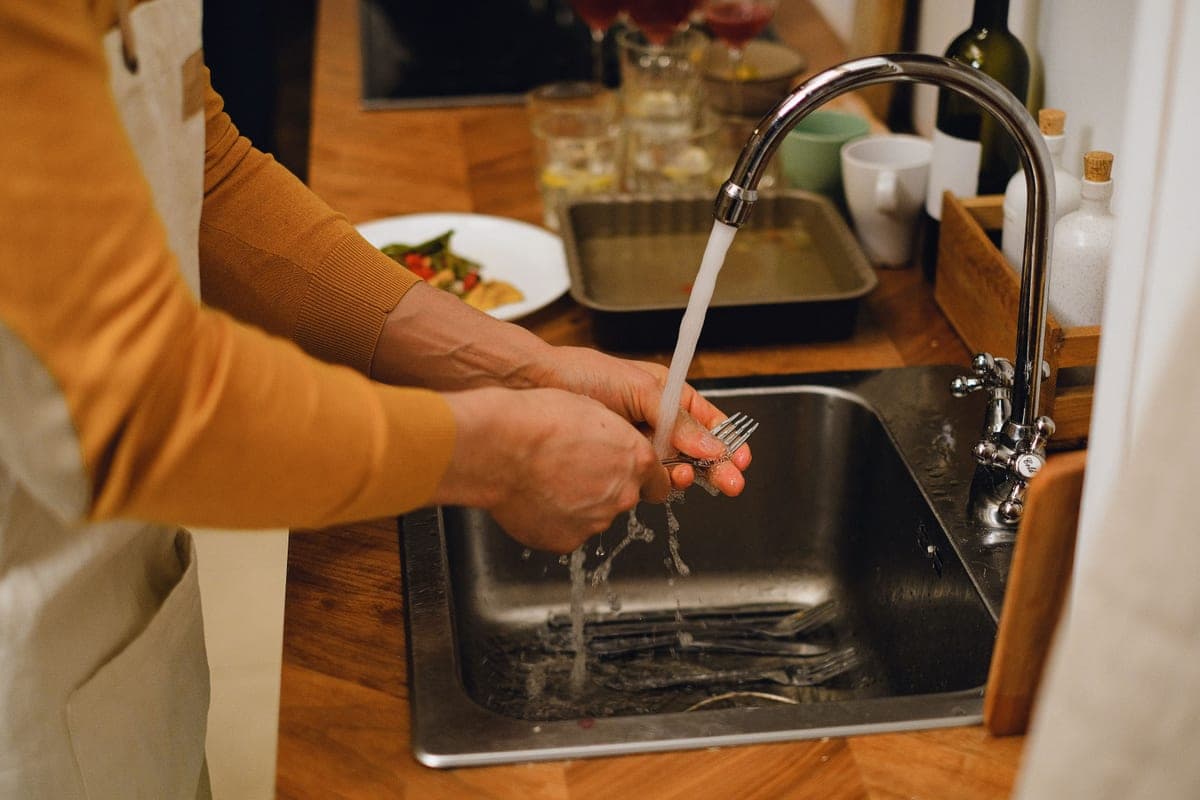
The verdict. Use vinegar for limescale, glass, kettles, showerheads and general grease-cutting, where it is effective and costs almost nothing. Use a formulated cleaner for degreasing at scale, for anything you need to disinfect, and on surfaces vinegar damages — natural stone, unsealed grout and cast iron.
The single most important point: vinegar is not a disinfectant. It is not EPA-registered as one, and using it where disinfection matters — after illness, after raw meat — is the one genuine mistake in this comparison.
Quick picks
| # | Product | Best for | Material | Price |
|---|---|---|---|---|
| 1 | Distilled White Vinegar (cleaning strength)Acetic acid, one ingredient, pennies per use. Not a disinfectant. | Scale and glass | Diluted acetic acid | |
| 2 | 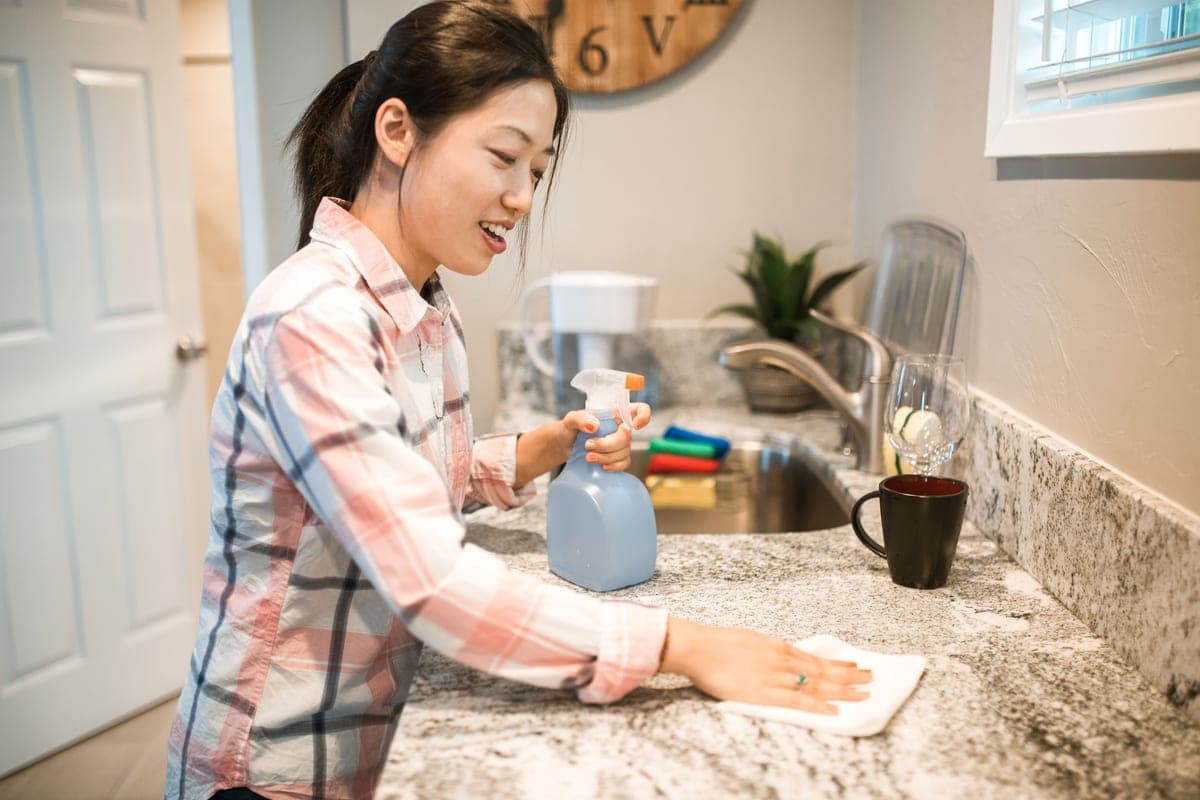 Branch Basics ConcentrateMADE SAFE certified concentrate, diluted into several cleaners. | One formulated bottle | Plant- and mineral-derived surfactant concentrate | |
| 3 | 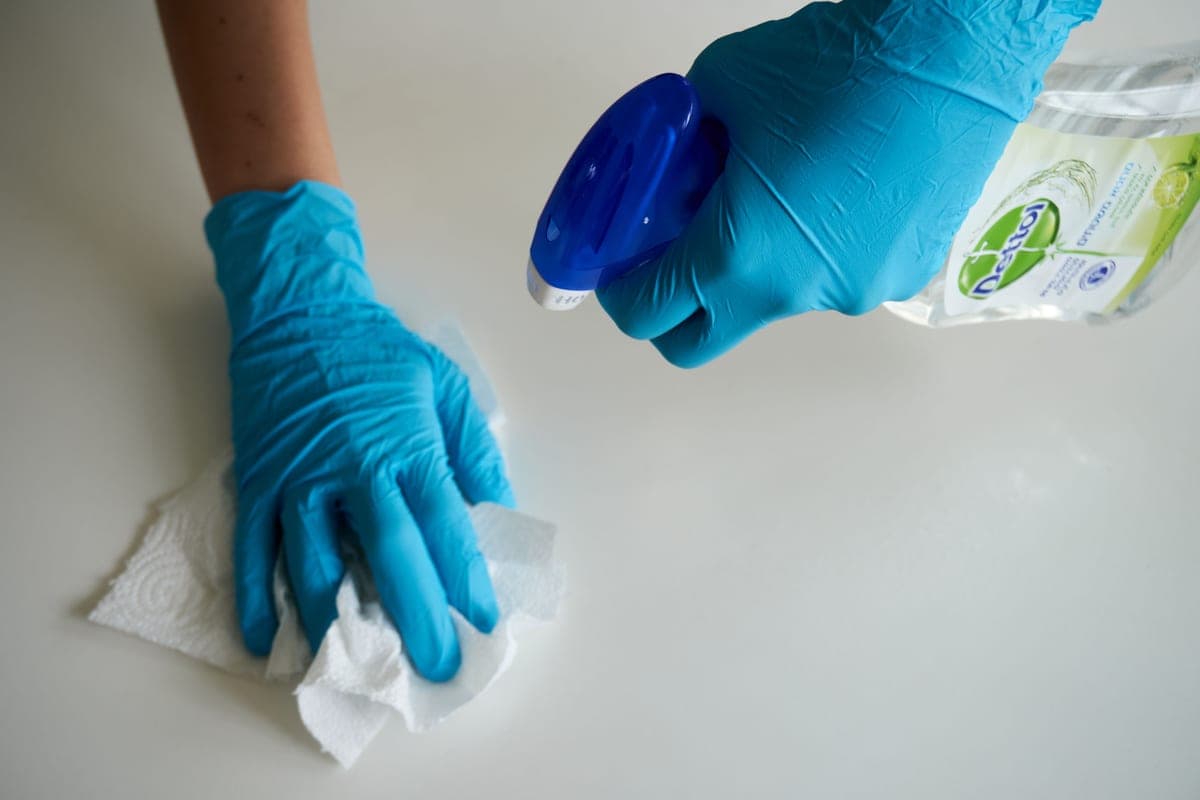 Hydrogen Peroxide Disinfectant CleanerA hydrogen peroxide disinfectant, which is a registered claim vinegar cannot make. | When you do need to disinfect | Hydrogen peroxide in a surfactant base |
Tap a row to jump to that write-up. Prices are not shown on this site because they change — the button sends you to the live Amazon listing.
The specification, side by side
| Distilled white vinegar | Formulated cleaner | |
|---|---|---|
| Active | Acetic acid, typically 5-6% | Surfactants, sometimes enzymes or solvents |
| Limescale | Excellent | Varies; many do not touch it |
| Grease | Moderate | Better, especially heavy grease |
| Glass | Excellent | Good |
| Disinfection | None. Not EPA-registered | Only if EPA-registered, with a dwell time |
| Ingredient transparency | Total — it is one ingredient | Varies enormously |
| Damages | Stone, unsealed grout, cast iron, waxed wood | Check the label per surface |
| Cost | Pennies per use | Several dollars per bottle |
What vinegar genuinely does
Acetic acid dissolves mineral scale, which makes it the best thing in the house for kettles, showerheads, taps and the inside of a dishwasher. It cuts light grease, cleans glass without streaking, and deodorizes. For those jobs it is not a compromise; it is the correct product.
Baking soda is its usual partner, as a mild abrasive and deodorizer. The two should not be mixed, though: combine an acid and a base and you get carbon dioxide, water and a sodium acetate solution weaker than either input. Use them in sequence, not in the same bottle.
What vinegar cannot do
Disinfect. In the US a product only makes a disinfection claim if it is registered as a pesticide under FIFRA and carries an EPA registration number, with a specified dwell time. Vinegar has neither, and no amount of internet confidence changes that.
Where disinfection genuinely matters — a bathroom after illness, a surface after raw chicken — use a registered product and respect its dwell time. Hydrogen peroxide and hypochlorous acid formulations exist as registered options that avoid quats, which carry documented occupational asthma risk. The disinfectant picks cover them.
Where vinegar does damage
- Natural stone — marble, limestone, travertine. The acid etches it permanently.
- Unsealed grout and cement. Same mechanism.
- Cast iron. It strips seasoning and will start on the iron itself.
- Waxed or oiled wood, where it cuts the finish.
- Aluminum, over long contact.
- Rubber gaskets and seals, with repeated undiluted use.
Choose vinegar if...
- The job is limescale, glass, a kettle or a showerhead.
- You want total ingredient transparency, which one ingredient gives you.
- Cost is the constraint.
Choose a formulated cleaner if...
- The job is heavy grease, or a large area.
- You need an actual disinfection claim.
- The surface is stone, grout or seasoned iron.
- You want one bottle that is safe on everything, which vinegar is not.
A third option worth knowing
A certified concentrate you dilute yourself sits between them on cost and beats both on versatility: one bottle makes several cleaners, the formula is screened, and there is nothing acidic to damage stone. The all-purpose picks start there.
The picks in full
1. Best for Scale and glass
Distilled White Vinegar (cleaning strength)
Acetic acid, one ingredient, pennies per use. Not a disinfectant.
- Made of
- Diluted acetic acid, typically 5 to 6%
- Certified to
- Manufacturer claimManufacturer claim; no third-party certification published.
- Active
- Acetic acid
- Disinfectant
- No. It is a cleaner, not a registered disinfectant
- Avoid on
- Stone, grout, cast iron
For limescale, kettles, showerheads, glass and light grease it is the right product and the cheapest one. Cleaning-strength vinegar at 6% acidity works faster than kitchen vinegar.
What you give up
No disinfection claim at all, and it damages stone, unsealed grout, cast iron and waxed wood.
Who it's for
Descaling and glass.
Who should skip it
Disinfection, stone surfaces, and heavy grease.
2. Best for One formulated bottle
Branch Basics Concentrate
MADE SAFE certified concentrate, diluted into several cleaners.
- Made of
- Plant- and mineral-derived surfactant concentrate, diluted at home
- Certified to
- Certified: MADE SAFEThird-party certified to MADE SAFE.
- Certification
- MADE SAFE certified concentrate
- Format
- One concentrate, several dilutions
- Fragrance
- None
The formulated side of this comparison at its best: a screened formula, one concentrate covering several dilutions, and nothing acidic to damage stone or grout.
What you give up
You mix it yourself, it is not a disinfectant either, and it costs more per bottle before dilution.
Who it's for
Everyday cleaning across mixed surfaces.
Who should skip it
Anyone who needs a registered disinfectant.
3. Best for When you do need to disinfect
Hydrogen Peroxide Disinfectant Cleaner
A hydrogen peroxide disinfectant, which is a registered claim vinegar cannot make.
- Made of
- Hydrogen peroxide in a surfactant base
- Certified to
- Manufacturer claimManufacturer claim; no third-party certification published.
- Active
- Hydrogen peroxide
- Dwell time
- Check the label. It matters
- Quats
- None
For the jobs where disinfection genuinely matters, this is the route that avoids quats — which the occupational evidence links to rhinitis and asthma.
What you give up
Dwell time matters and most people do not wait. Check the label and use the minutes.
Who it's for
After illness, after raw meat.
Who should skip it
Everyday wiping, where soap is the right answer.
How we chose, and what we did not do
Every product on this page was checked against its published material composition and its third-party certifications, with each claim labeled as certified, manufacturer-stated or independently tested by a named party. We do not run a lab and we do not claim to have used these products — the full method is here.
Questions people actually ask
Does vinegar disinfect?
No. It is not EPA-registered as a disinfectant, so it should not be relied on where disinfection matters. It is an effective cleaner and descaler, which is a different job.
Can I mix vinegar and baking soda?
You can, and you should not expect much. An acid plus a base gives you carbon dioxide, water and a weak sodium acetate solution — less effective than either ingredient used on its own. Use them in sequence.
What surfaces should vinegar never touch?
Natural stone such as marble and limestone, unsealed grout and cement, cast iron, waxed or oiled wood, and aluminum over long contact. The acid etches or strips all of them.
Is cleaning vinegar different from kitchen vinegar?
Slightly stronger — typically 6% acetic acid against 5% — and sold in larger containers. Functionally similar, and the stronger version works faster on scale.
Sources
- US EPA — Learn About the Safer Choice Label — Every ingredient reviewed regardless of its percentage, plus a performance standard
- Safer Disinfectants — quaternary ammonium compounds (quats) in disinfectants — Occupational asthma and respiratory evidence for quats
- US FDA — Fragrances in Cosmetics — The rule that lets an entire fragrance mixture be listed as one word
Read next
Cleaning & Laundry
Best non-toxic all-purpose cleaners
All-purpose cleaners with disclosed formulas and real certifications, plus what the marks actually cover.
Cleaning & Laundry
Best non-toxic disinfectants
EPA-registered disinfectants that avoid quats, plus why dwell time is the whole product.
Cleaning & Laundry
Quats, asthma, and when to disinfect at all
What the occupational evidence on quats shows, and the registered alternatives that avoid them.
Cleaning & Laundry
How to read a cleaning product label
Six label checks for cleaning products, including the only number on the bottle that is regulated.
Written by Selena H., owner of Glass & Cotton.