Baby & Kids
The non-toxic nursery checklist, in evidence order
Ranked by contact hours and actual evidence, not by what the lower-tox internet sells hardest.
Last reviewed October 13, 2026 — Selena H.
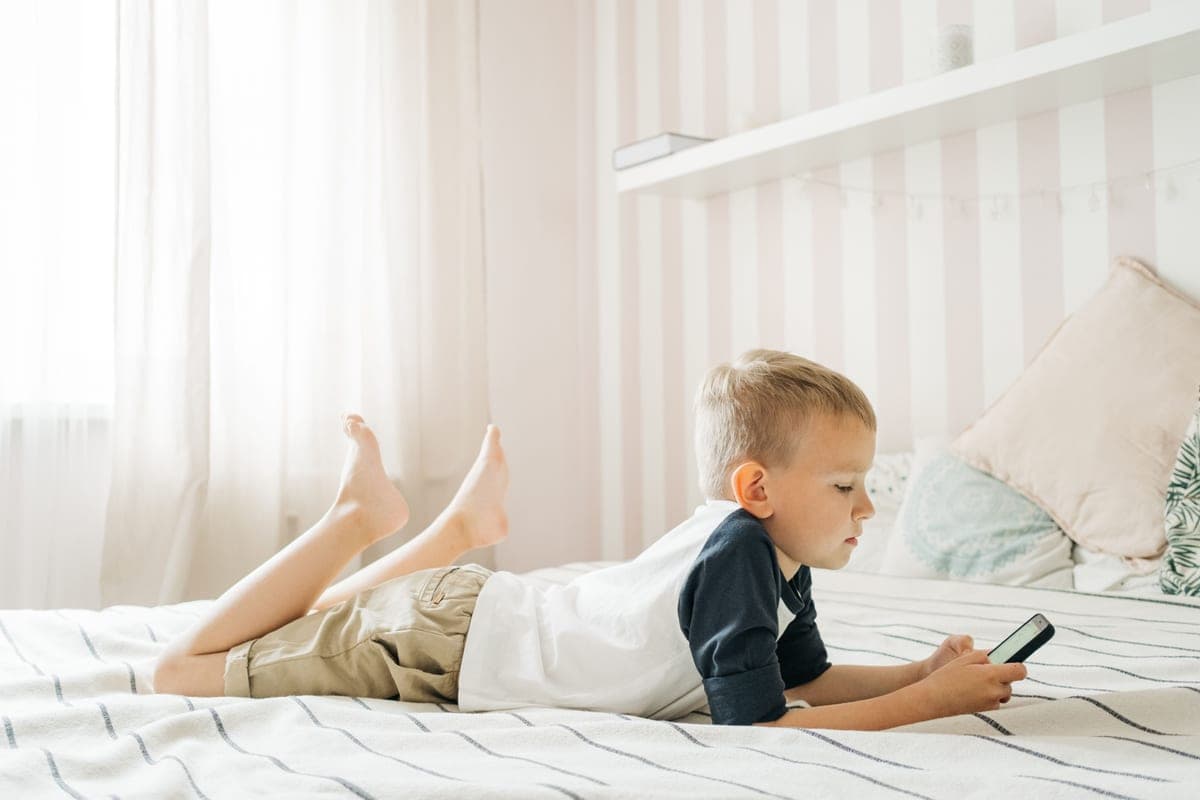
Nursery advice in this niche is usually sorted by how alarming it sounds. This list is sorted by contact hours and by what is actually documented, which produces a different and much shorter order.
Before any of it: the sleep-safety rules. A firm, flat mattress that fits the crib with no gap, a fitted sheet and nothing else in the crib — no pillows, bumpers, blankets or toys. Those rules outrank every material consideration on this page and on this site, and no amount of organic cotton compensates for breaking them.
Quick picks
| # | Product | Best for | Material | Price |
|---|---|---|---|---|
| 1 | Naturepedic Organic Crib MattressFirm, polyethylene waterproofing, MADE SAFE and GREENGUARD Gold, no added flame retardants. | Priority one | Organic cotton surface with a food-grade polyethylene waterproof layer | |
| 2 | 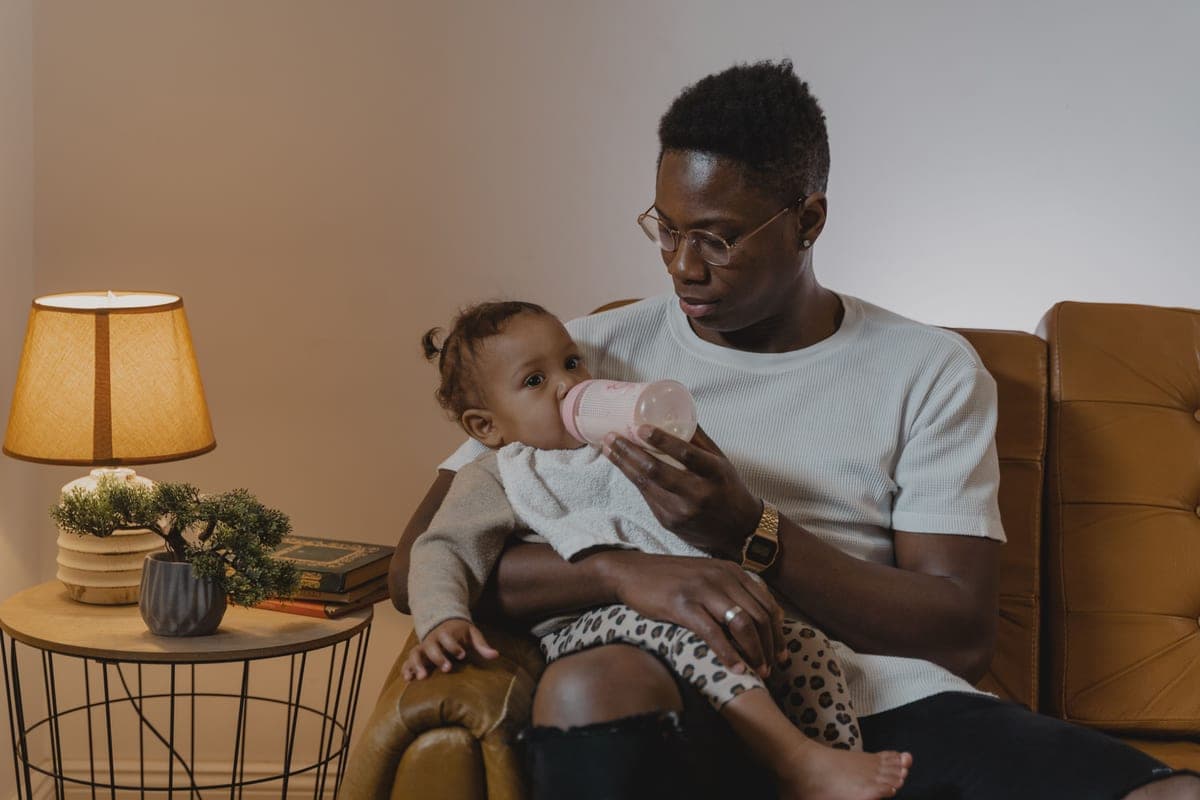 Philips Avent Natural Glass BottleGlass with a silicone nipple, removing the polypropylene route. | Priority two | Borosilicate glass bottle with a silicone nipple | |
| 3 | 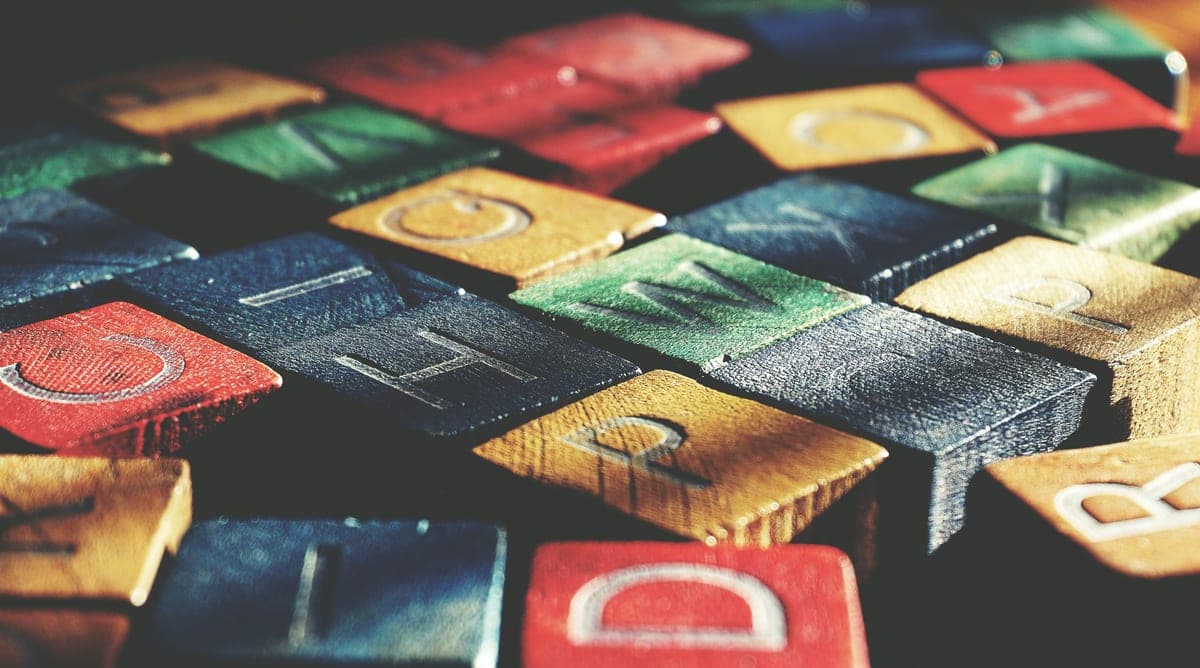 Grimm's Wooden Building BlocksSolid wood with published water-based stains and plant-oil finishes. | Later, and for years | Solid lime or alder wood with water-based |
Tap a row to jump to that write-up. Prices are not shown on this site because they change — the button sends you to the live Amazon listing.
1. The crib mattress
Eight to sixteen hours a day of contact, which is more than everything else in the room combined. It is also the nursery item where real certification exists: MADE SAFE screens full formulas, GREENGUARD Gold tests emissions, and both appear on actual products.
What to look for: firm and flat, a snug fit to the frame, polyethylene rather than vinyl waterproofing, built-in rather than a separate protector, and the TB117-2013 tag stating no added flame retardants. The mattress picks go through it.
2. Feeding gear
This is the item with the most specific evidence behind it. The Trinity College Dublin study published in Nature Food measured microplastic release from polypropylene feeding bottles at up to 16.2 million particles per liter, with sterilization and high-temperature water driving the numbers up — and no established health effect from that exposure.
The swap is cheap and the route is removed entirely by glass or stainless. Also: never mix formula with boiling water in a plastic bottle, and retire scratched or cloudy bottles. The bottle picks.
3. Bedding
A fitted sheet, and nothing else in the crib. Since that is the only textile against the baby, it is a cheap place for certification to matter: GOTS covers organic fiber plus processing chemistry, and OEKO-TEX STANDARD 100 Class 1 is the strictest product class, set specifically for babies and children under three.
Skip anything advertised as wrinkle-free or stain-resistant, which indicates a finish — the same rule as adult bedding.
4. Furniture, paint and time
New furniture and fresh paint off-gas, and the remedy is time and ventilation rather than a product. Assemble furniture weeks before the baby arrives, paint early, and keep a window open. This costs nothing and is more effective than anything you can buy.
On upholstered items, the TB117-2013 tag applies here too: it states whether flame retardant chemicals were added. Flame retardants explained.
5. Toys
Mostly a mechanical-safety question with a chemistry footnote. Follow the age label — small parts, magnets and button batteries are what actually injure children, and a wooden small part is exactly as dangerous as a plastic one.
On materials: solid wood with a published water-based or plant-oil finish has very little to go wrong. Toy picks.
6. Air and dust, which nobody sells
- Ventilate. An open window is the cheapest air-quality intervention available and better than most purifiers.
- Vacuum and damp-dust regularly. Household dust is a meaningful exposure route for many substances, including flame retardants from older foam.
- Skip air fresheners and plug-ins entirely. They emit fragrance continuously and have no other function.
- Do not smoke or vape indoors, which dwarfs every other item on this page.
What we would not bother with
- Replacing everything at once. Expensive, and it replaces things that were fine.
- Organic soft toys, which cannot go in a crib with an infant anyway.
- "Non-toxic" nursery decor, where contact is near zero.
- Air purifiers as a first purchase, where ventilation does more for less.
- Any product sold on the claim that your home is poisoning your baby. That is a sales technique, not a finding.
What to buy
The three items from the top of the list, which is where the evidence is.
The picks in full
1. Best for Priority one
Naturepedic Organic Crib Mattress
Firm, polyethylene waterproofing, MADE SAFE and GREENGUARD Gold, no added flame retardants.
- Made of
- Organic cotton surface with a food-grade polyethylene waterproof layer
- Certified to
- Certified: MADE SAFE, GREENGUARD GoldThird-party certified to MADE SAFE, GREENGUARD Gold.
- Waterproofing
- Polyethylene, not vinyl
- Flame retardants
- None added per the brand
- Firmness
- Firm, as infant guidance requires
Highest contact hours in the room and the item with real certification available. Built-in waterproofing avoids a loose protector layer, which is also the safer configuration.
What you give up
Expensive for a few years of use, and correctly firm rather than comfortable to an adult hand.
Who it's for
Every crib.
Who should skip it
Toddler beds, which need the next size.
2. Best for Priority two
Philips Avent Natural Glass Bottle
Glass with a silicone nipple, removing the polypropylene route.
- Made of
- Borosilicate glass bottle with a silicone nipple
- Certified to
- Manufacturer claimManufacturer claim; no third-party certification published.
- Milk contact
- Glass and silicone
- Plastic
- Collar ring only
- Risk
- Breakable. Use a sleeve
The swap with the most specific measured evidence behind it, and an inexpensive one. Glass does not degrade with repeated sterilization.
What you give up
Breakable and heavy when full.
Who it's for
Bottle feeding.
Who should skip it
Self-feeding babies.
3. Best for Later, and for years
Grimm's Wooden Building Blocks
Solid wood with published water-based stains and plant-oil finishes.
- Made of
- Solid lime or alder wood with water-based, plant-oil finishes
- Certified to
- Manufacturer claimManufacturer claim; no third-party certification published.
- Material
- Solid wood
- Finish
- Water-based stain and oil per the brand
- Note
- Small pieces in some sets
The toy that is still in use when the child is eight, with the finish and adhesive questions answered. Check the age marking on the specific set.
What you give up
Not used in the first year, and some sets contain small parts.
Who it's for
Toddlers onward.
Who should skip it
Newborns, and bath play.
How we chose, and what we did not do
Every product on this page was checked against its published material composition and its third-party certifications, with each claim labeled as certified, manufacturer-stated or independently tested by a named party. We do not run a lab and we do not claim to have used these products — the full method is here.
Questions people actually ask
What is the most important non-toxic nursery purchase?
The crib mattress, on contact hours alone — a baby spends more time on it than on everything else in the room combined, and it is the item where MADE SAFE and GREENGUARD Gold certification is genuinely available.
Do I need to replace everything before the baby arrives?
No. The mattress and feeding gear are where the evidence is. Everything else can be done as items wear out, and assembling furniture early with a window open does more than most purchases.
How long should I air out a new nursery?
Weeks rather than days, with ventilation. Assemble furniture and paint as early as you can before the baby arrives — time and an open window are the whole intervention.
Are organic crib sheets worth it?
A fitted sheet is the only textile against an infant, which makes it a cheap place for certification to matter. OEKO-TEX STANDARD 100 Class 1 is the product class set specifically for children under three.
What about air purifiers?
Ventilation does more for less. A purifier is reasonable in a home with specific air-quality issues, but an open window and regular vacuuming are the higher-value first steps.
Sources
- MADE SAFE — Naturepedic certified bedding
- Li et al. (2020), Microplastic release from the degradation of polypropylene feeding bottles during infant formula preparation, Nature Food — Trinity College Dublin record
- California Bureau of Household Goods and Services — SB 1019 flame-retardant labeling advisory — The TB117-2013 label that states whether flame retardants were added
- Global Organic Textile Standard (GOTS) — the standard — Whole-supply-chain certification: fiber, chemical inputs, wastewater, social criteria
- OEKO-TEX — STANDARD 100 — Harmful-substance testing by product class. Not an organic-content claim
Read next
Baby & Kids
Best non-toxic kids and crib mattresses
Certified crib and children's mattresses, with the firmness rule and the flame-retardant tag explained.
Baby & Kids
Best non-toxic baby bottles
Glass and stainless bottles that avoid the polypropylene microplastics route, with the study explained.
Baby & Kids
Best non-toxic baby shower gifts
Baby gifts that work without knowing the nursery or the registry, and which ones to avoid entirely.
Baby & Kids
Best non-toxic toys
Solid-wood toys with published finishes, and why the age label outranks every material question.
Written by Selena H., owner of Glass & Cotton.