Baby & Kids
Best non-toxic toys
The materials question has a good answer. The hazard that actually sends children to hospital is a different one, and it comes first.
Last reviewed October 13, 2026 — Selena H.
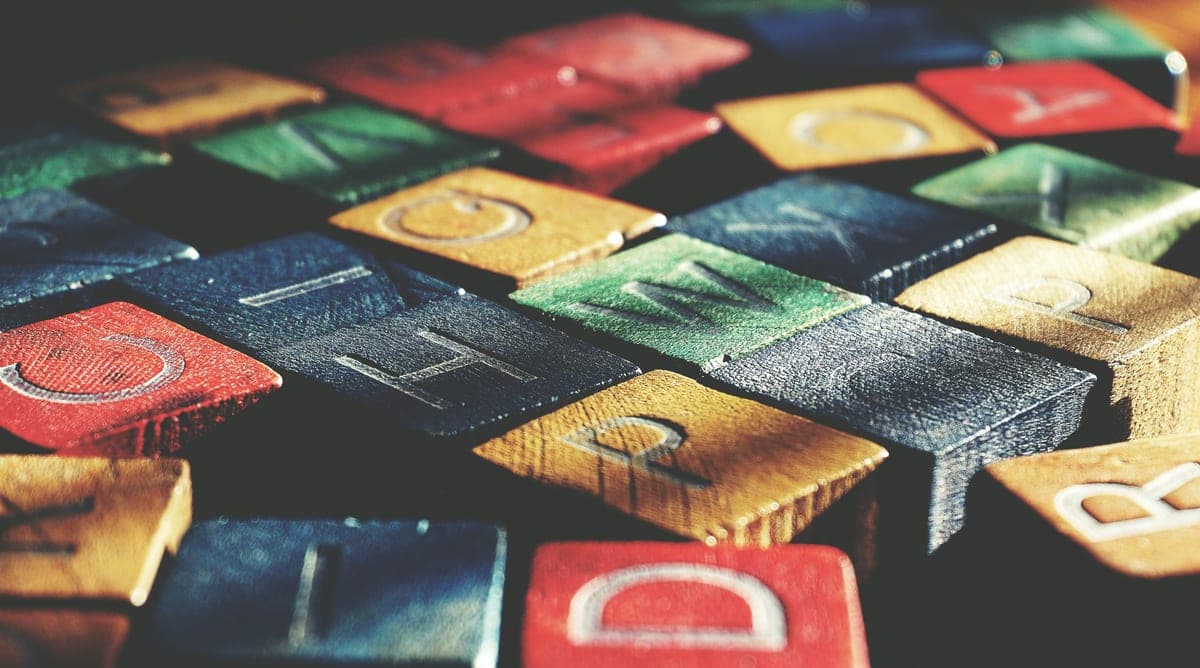
Before the materials: the hazard that actually harms small children with toys is mechanical. Small parts, cords, magnets and button batteries are what cause injuries, and they do not care what the toy is made of. Follow the age label before you follow any instinct about polymers — that is the single most protective thing on this page.
With that established, the materials question does have a clean answer. Solid wood with a water-based or plant-oil finish has very little to go wrong, and the better brands publish the stain, the paint and the glue. Painted or stained wood is only as good as what was used, and plastic varies from inert to unknowable depending on the polymer and whether a softener was needed.
Quick picks
| # | Product | Best for | Material | Price |
|---|---|---|---|---|
| 1 | Grimm's Wooden Building BlocksSolid lime or alder with water-based stains and plant-oil finishes, per the brand. | Open-ended play that lasts years | Solid lime or alder wood with water-based | |
| 2 | PlanToys Rubberwood ToysReclaimed rubberwood with water-based dyes and formaldehyde-free glue, per the brand. | Published materials | Reclaimed rubberwood with water-based dyes and a formaldehyde-free glue per the brand | |
| 3 | 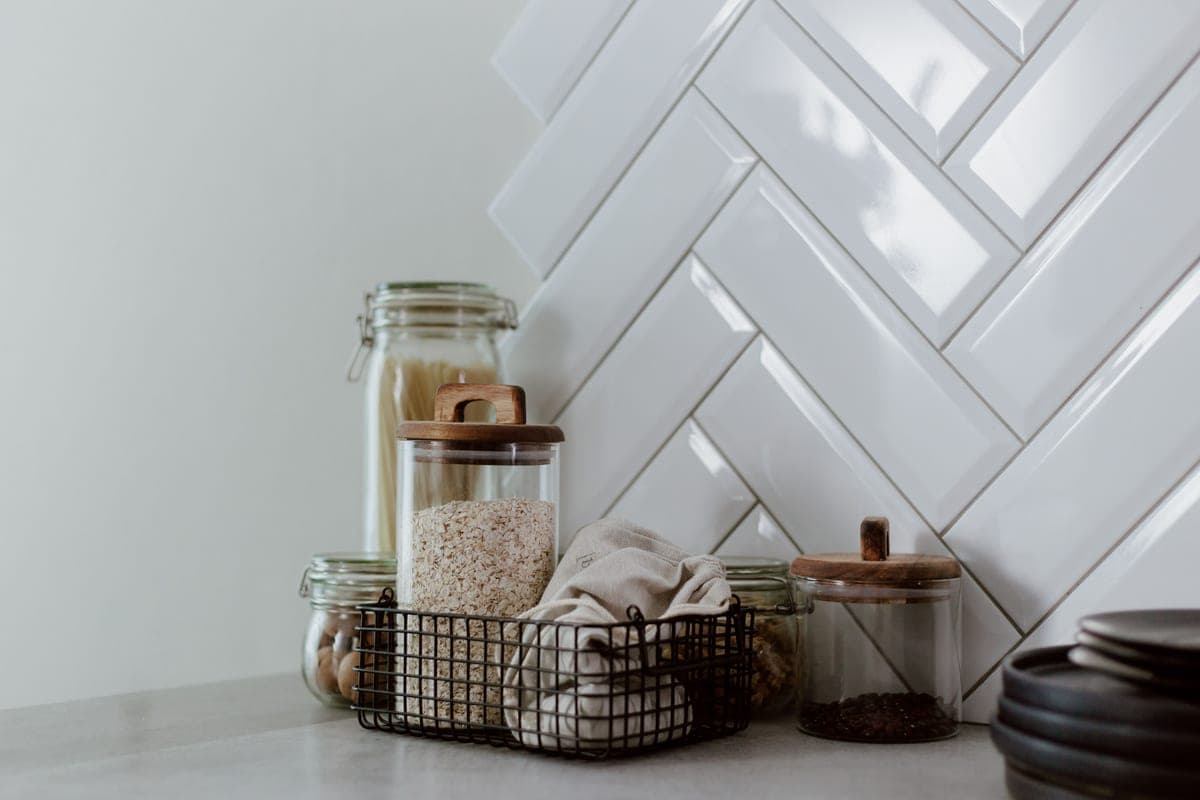 Stasher Silicone Storage BagsPlatinum-cured silicone, washable, nothing to grow mold inside. | Teething and bath, where wood fails | Platinum-cured silicone |
Tap a row to jump to that write-up. Prices are not shown on this site because they change — the button sends you to the live Amazon listing.
How we chose these
Solid wood rather than laminated, a published finish and adhesive, and a clear age marking. The finish requirement is what separates the brands on this page from most of the wooden-toy market, where "non-toxic paint" is asserted and never specified.
We have not given these to a child. Durability under real toddler use is something only time tells you, and the resale market is a better guide to it than any review.
The mechanical hazards, first
- Small parts. The age label exists for this reason and it is not a suggestion. A wooden small part is exactly as dangerous as a plastic one.
- Button batteries. The most serious toy hazard there is. Check that any battery compartment needs a screwdriver to open.
- Magnets. Small strong magnets swallowed in pairs cause severe internal injury. Avoid loose magnetic parts for young children entirely.
- Cords and strings longer than a few inches on anything used in a crib or playpen.
- Cracked or splintered wood, which is a splinter hazard and means the toy is finished.
What to check on a wooden toy
- The finish. Water-based stains and plant-oil finishes are what good brands use and publish. "Non-toxic paint" with nothing further is not an answer.
- The adhesive, if the toy is laminated or glued. Brands using formaldehyde-free glues say so.
- Solid versus plywood. Solid wood has no adhesive layers to ask about.
- Weight, which is a genuine consideration where there are siblings.
What to check on a plastic toy
The polymer, if it is named: a rigid polypropylene or HDPE toy is a simpler proposition than a soft flexible one, because flexibility usually means a plasticizer. "BPA-free" is a claim about one specific molecule, and common replacements such as BPS and BPF are structurally related with a thinner evidence base — see BPA, BPS and BPF.
And squeezy bath toys with a hole: these take on water internally, grow mold that cannot be cleaned out, and should simply be retired. That is a hygiene problem rather than a chemistry one, and it is the most common genuinely objectionable toy in most homes.
What we ruled out
Toys whose finish or adhesive is unstated, which is most of the wooden-toy market. Soft flexible plastics where the softener is undisclosed. Squeezy bath toys with internal cavities. Loose small magnets for any young child. And "natural" toys with undisclosed coatings, where the word is doing the work a specification should.
The picks in full
1. Best for Open-ended play that lasts years
Grimm's Wooden Building Blocks
Solid lime or alder with water-based stains and plant-oil finishes, per the brand.
- Made of
- Solid lime or alder wood with water-based, plant-oil finishes
- Certified to
- Manufacturer claimManufacturer claim; no third-party certification published.
- Material
- Solid wood
- Finish
- Water-based stain and oil per the brand
- Note
- Small pieces in some sets
Solid wood, published finishes, and the kind of open-ended set that gets used for a decade rather than a fortnight — which is both the play argument and the material one, since there is no coating to flake and no softener to migrate. It hands down to siblings intact.
What you give up
Expensive, and wooden blocks genuinely hurt when thrown, which matters with older siblings in the room. Some sets contain small parts, so read the age marking rather than assuming wood means baby-safe.
Who it's for
Toddlers upward, and households buying fewer, better toys.
Who should skip it
Bath play, outdoor use, and under-threes with small-part sets.
2. Best for Published materials
PlanToys Rubberwood Toys
Reclaimed rubberwood with water-based dyes and formaldehyde-free glue, per the brand.
- Made of
- Reclaimed rubberwood with water-based dyes and a formaldehyde-free glue per the brand
- Certified to
- Manufacturer claimManufacturer claim; no third-party certification published.
- Material
- Reclaimed rubberwood
- Dyes
- Water-based per the brand
- Age range
- Marked per toy
This brand publishes exactly what this page says to look for: the wood species, the dye type and the adhesive. Clear age markings on each toy, and a range that covers the first three years rather than only the photogenic blocks.
What you give up
Painted details chip with heavy use, and it costs considerably more than mass-market plastic.
Who it's for
Parents who want the finish and the glue named.
Who should skip it
Bath toys and anything that lives outdoors.
3. Best for Teething and bath, where wood fails
Stasher Silicone Storage Bags
Platinum-cured silicone, washable, nothing to grow mold inside.
- Made of
- Platinum-cured silicone, single material
- Certified to
- Manufacturer claimManufacturer claim; no third-party certification published.
- Material
- Platinum-cured silicone
- Dishwasher
- Yes
- Oven and freezer
- Manufacturer states both
Wood is the wrong material for anything that goes in a mouth constantly or lives in water. Platinum-cured silicone is a single declared material, fully washable, and has no internal cavity to grow mold — which is the real problem with squeezy bath toys.
What you give up
It is a storage bag rather than a toy, so this is a materials pointer: for teething and bath, look for platinum-cured silicone products with the cure type stated.
Who it's for
The categories where wood does not work.
Who should skip it
Anyone looking for an actual toy — the two above are the toys.
How we chose, and what we did not do
Every product on this page was checked against its published material composition and its third-party certifications, with each claim labeled as certified, manufacturer-stated or independently tested by a named party. We do not run a lab and we do not claim to have used these products — the full method is here.
Questions people actually ask
Are wooden toys safer than plastic?
On materials, usually: solid wood with a water-based finish has no softener to migrate and a short, publishable material list. On actual injury risk the determining factor is mechanical — small parts, magnets and batteries — which applies equally to both.
What finish should a wooden toy have?
A water-based stain or a plant-oil finish, stated by the brand. If the only claim is "non-toxic paint" with no further detail, that is a marketing phrase rather than a specification.
Are BPA-free plastic toys safe?
BPA-free means one molecule is absent; common replacements such as BPS and BPF are structurally related with a thinner evidence base. Rigid plastics are a simpler proposition than soft flexible ones, which usually need a plasticizer.
Should I throw out squeezy bath toys?
The ones with a hole that take on water, yes. They grow mold internally and cannot be cleaned out. Solid silicone or sealed bath toys avoid the problem.
Does a wooden toy still need an age label check?
Absolutely. A small wooden part is exactly as much of a choking hazard as a plastic one, and several beautiful wooden sets are marked for three and up for that reason.
Sources
- MADE SAFE — certified companies directory
- California OEHHA — Proposition 65 guidance for businesses — Safe-harbour levels, and when a warning is and is not required
- US EPA — Our Current Understanding of the Human Health and Environmental Risks of PFAS — Regulator overview of PFAS persistence and health endpoints
- Stasher (manufacturer)
Read next
Baby & Kids
Wooden vs plastic toys
Wood against plastic on materials and finishes, and why the age label outranks both.
Baby & Kids
BPA, BPS and BPF: the substitution problem
Why BPA-free is a claim about one molecule, what replaced it, and how to avoid the whole question.

Baby & Kids
The non-toxic nursery checklist, in evidence order
Nursery priorities in evidence order, with the sleep-safety rules that outrank every material question.
Baby & Kids
Best non-toxic sippy cups
Glass and stainless toddler cups, plus the straw and valve hygiene problem nobody mentions.
Written by Selena H., owner of Glass & Cotton.