Pets & Fitness
The non-toxic pet gear checklist
One genuine emergency, one easy win, and a short list of things that matter less than the internet suggests.
Last reviewed October 13, 2026 — Selena H.
Pet gear advice in this niche is usually a long list of equivalent-sounding items. In reality there is one genuine emergency, one easy win, and then a tail of things that matter considerably less — and knowing the order saves both money and worry.
The emergency is for bird owners and it is not negotiable. Everything else is ordinary good practice.
Quick picks
| # | Product | Best for | Material | Price |
|---|---|---|---|---|
| 1 | YETI Boomer Stainless Dog Bowl18/8 stainless with a non-slip ring. Dishwasher, indestructible. | Priority two | 18/8 stainless steel with a non-slip ring | |
| 2 |  Lodge Cast Iron Skillet (10.25 in)Iron and polymerized oil, no coating, under thirty dollars. | Priority one, for bird owners | Bare cast iron | |
| 3 | 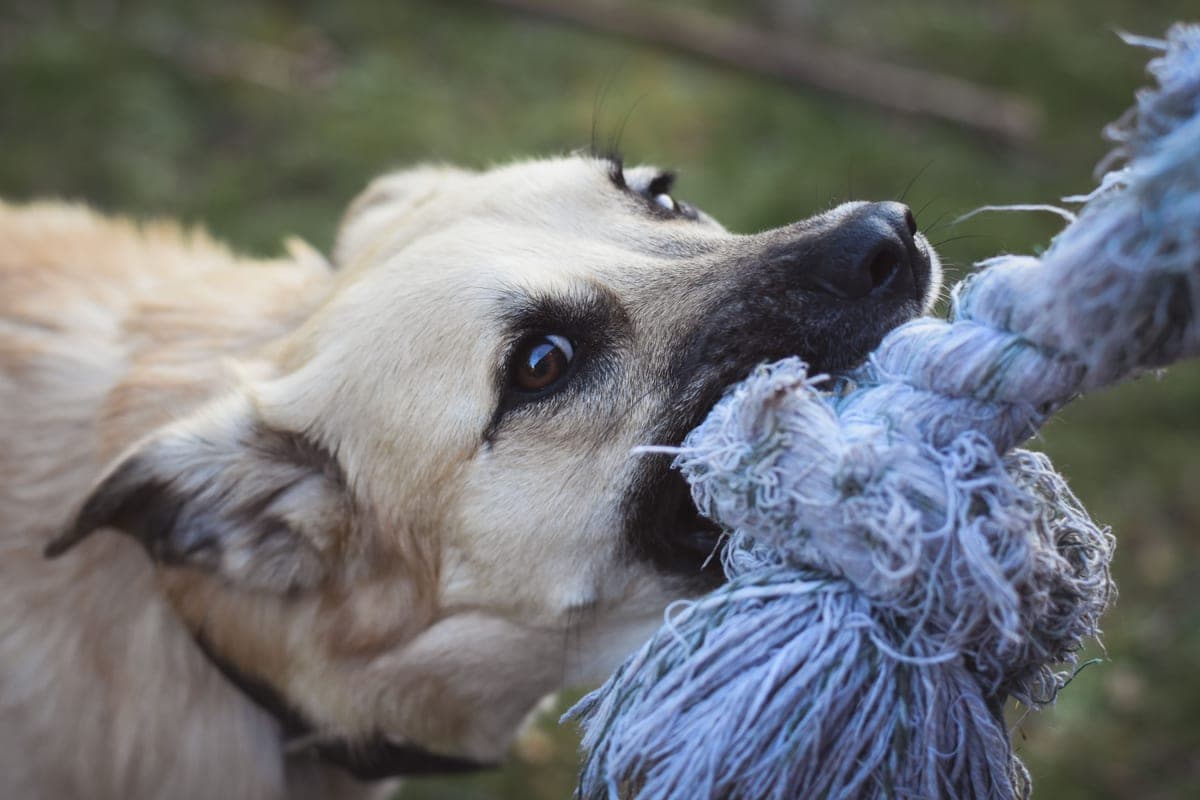 KONG Classic Natural Rubber ToyNatural rubber, one material, sized to chew strength. | Toys, done simply | Natural rubber |
Tap a row to jump to that write-up. Prices are not shown on this site because they change — the button sends you to the live Amazon listing.
1. If you keep birds: remove PTFE from the house
This is the only item on this page that is urgent. Overheated PTFE non-stick cookware kills pet birds, often within minutes — the published veterinary literature attributes most PTFE toxicosis cases in pet birds to overheated frying pans, with emissions above roughly 280C. The same fumes give people a transient polymer-fume fever.
Ventilation is a mitigation, not a solution, and a closed door is not a separate airspace. The reliable answers are no PTFE in the home, or the bird genuinely elsewhere. The full explanation.
2. Bowls: the easy win
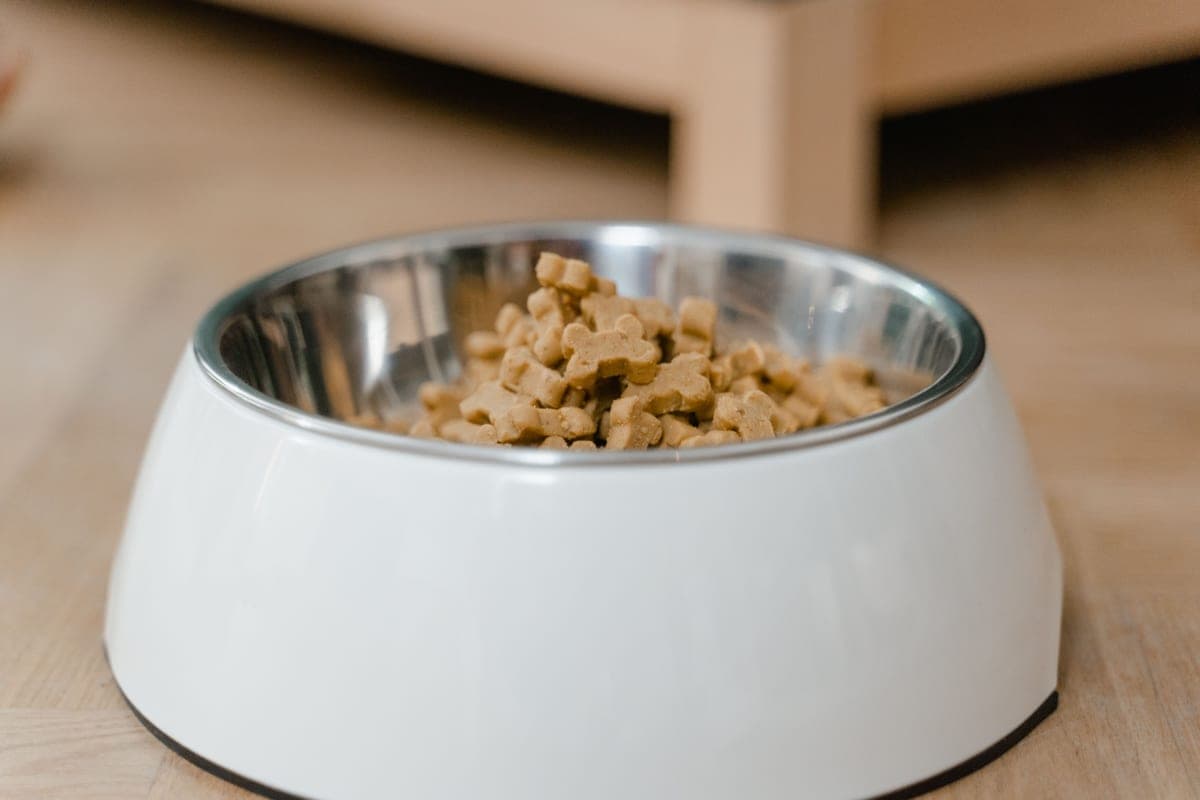
Used several times a day, with an unambiguous right answer: 18/8 stainless, dishwasher, done. No coating, no glaze, nothing to chip, nothing to leach into standing water.
Plastic bowls are the one material with a real case against them — scratches hold biofilm that cannot be cleaned out, and contact dermatitis around the muzzle is a recognized issue in some dogs. Glazed stoneware is a fine alternative when the maker can confirm the glaze meets FDA lead and cadmium leach limits. Bowl picks.
3. Bedding: wash it, mostly
A dog bed is a textile a pet sleeps on for most of the day, which makes the same logic as human bedding apply at a lower intensity: avoid stain-resistant treatments, which historically meant fluorinated finishes, and prefer a removable washable cover over a sealed cushion you can never clean.
The bigger practical issue is hygiene rather than chemistry. A bed that cannot be washed becomes a problem long before its fabric finish does.
4. Toys: a mechanical question with a chemistry footnote
Swallowed pieces and rope strands cause intestinal obstruction, which is a surgical emergency and far more likely to harm your animal than any polymer. Size to chew strength, inspect weekly, retire damaged toys, and supervise rope and plush.
On materials: natural rubber is a single disclosed material and published-composition TPE is a reasonable durable alternative. Avoid antlers and hard nylon bones, which fracture teeth. Toy picks.
5. Cleaning products, with the cat exception
Pets walk on cleaned floors and then groom their paws, which makes residue the route that matters — so prefer products that rinse away rather than leaving a film, and keep animals off until surfaces are dry.
The counter-intuitive part: most "natural" cleaners are scented with essential oils, and cats lack some metabolic pathways other species use for certain plant compounds. In a cat household an unscented cleaner is the safer choice than an essential-oil-scented natural one. Pet-safe cleaner picks.
What we would not bother with
- Organic pet beds, where the cost is high and the contact is through a washable cover anyway.
- "Non-toxic" collars and leads, where contact is brief and through fur.
- Premium filtered pet water fountains before fixing a plastic bowl, which is the cheaper and larger improvement.
- Replacing functional gear, which costs money and achieves little. Replace as things wear out.
The hazards that outrank all of this
Every item on that list is more likely to hurt your animal than the material of its bowl. We would rather put them on the page than leave you with the impression that polymer choice is the main risk in a pet household.
- Toxic foods — chocolate, xylitol, grapes, onion, garlic, and for birds avocado and caffeine.
- Human medication left within reach, which is a leading cause of pet poisoning.
- Antifreeze and rodenticide, both of which are lethal and attractive to animals.
- Houseplants — lilies for cats especially, which cause acute kidney injury.
- Swallowed objects, including toy fragments, socks and string.
What to buy
The two items from the top of the list, plus the pan swap if you keep birds.
The picks in full
1. Best for Priority two
YETI Boomer Stainless Dog Bowl
18/8 stainless with a non-slip ring. Dishwasher, indestructible.
- Made of
- 18/8 stainless steel with a non-slip ring
- Certified to
- Manufacturer claimManufacturer claim; no third-party certification published.
- Food contact
- 18/8 stainless
- Dishwasher
- Yes
- Note
- Heavy enough that it stays put
The easy win: used several times a day, no coating or glaze to ask about, and full dishwasher cleaning. Heavy enough to stay put.
What you give up
Expensive for a bowl; a cheaper stainless bowl does the same materials job.
Who it's for
Almost every dog.
Who should skip it
Dogs put off by the noise of tags on metal.
2. Best for Priority one, for bird owners
Lodge Cast Iron Skillet (10.25 in)
Iron and polymerized oil, no coating, under thirty dollars.
- Made of
- Bare cast iron, factory-seasoned with vegetable oil
- Certified to
- Manufacturer claimManufacturer claim; no third-party certification published.
- Coating
- None. Polymerized oil seasoning only
- Oven safe
- Manufacturer states oven, grill and campfire safe
- Induction
- Yes
If you keep birds and own PTFE pans, this is the fastest and cheapest route out — there is no fluoropolymer to degrade at any temperature a burner reaches.
What you give up
Weight, upkeep, no long acidic cooking.
Who it's for
Bird owners replacing non-stick today.
Who should skip it
Iron-overload conditions in the human household.
3. Best for Toys, done simply
KONG Classic Natural Rubber Toy
Natural rubber, one material, sized to chew strength.
- Made of
- Natural rubber
- Certified to
- Manufacturer claimManufacturer claim; no third-party certification published.
- Material
- Natural rubber
- Latex
- Yes
- Note
- Size up or down by chewer strength
A simple material story and a shape with a long track record, with the sizing system that matters more than the material. Inspect it weekly and retire it when pieces come away.
What you give up
Latex, and size must match chew strength or pieces come off.
Who it's for
Most dogs.
Who should skip it
Latex-allergic households.
How we chose, and what we did not do
Every product on this page was checked against its published material composition and its third-party certifications, with each claim labeled as certified, manufacturer-stated or independently tested by a named party. We do not run a lab and we do not claim to have used these products — the full method is here.
Questions people actually ask
What is the most important non-toxic change for a pet household?
If you keep birds, removing PTFE cookware — overheated non-stick kills birds within minutes. Otherwise, replacing a plastic food or water bowl with stainless steel, which is used several times a day and has an unambiguous right answer.
Are essential oils safe around pets?
Not reliably for cats, which lack some metabolic pathways other species use for certain plant compounds. In a cat household an unscented cleaner is safer than an essential-oil-scented natural one.
Do I need an organic pet bed?
It is low on this list. A washable removable cover matters more than the fiber, because hygiene becomes a problem long before a fabric finish does. Avoid stain-resistant treatments if you have the choice.
What actually poisons pets most often?
Human medication, toxic foods such as chocolate and xylitol, antifreeze and rodenticide, and certain houseplants — lilies for cats especially. All of them outrank materials questions by a wide margin.
Sources
- PTFE toxicosis in pet birds (review, NIH PubMed Central)
- US FDA — compliance policy guidance on lead in ceramicware (ASTM C738 leach test)
- Safer Disinfectants — quaternary ammonium compounds (quats) in disinfectants — Occupational asthma and respiratory evidence for quats
- US EPA — Our Current Understanding of the Human Health and Environmental Risks of PFAS — Regulator overview of PFAS persistence and health endpoints
Read next
Pets & Fitness
Why non-stick cookware kills birds
The mechanism, temperature and clinical signs of PTFE toxicosis in birds, and the only reliable prevention.
Pets & Fitness
Best non-toxic dog bowls
Stainless and glazed stoneware bowls, what to ask about a glaze, and why plastic bowls are worth replacing.
Cleaning & Laundry
Best pet-safe cleaners
Cleaners chosen for animals that groom their paws, including why essential oils are the wrong answer for cats.
Pets & Fitness
Best non-toxic dog toys
Natural rubber and disclosed-TPE toys, with the ingestion hazard ranked ahead of the materials question.
Written by Selena H., owner of Glass & Cotton.