Cleaning & Laundry
Best pet-safe cleaners
Your pet walks on the floor you cleaned and then licks its paws. That changes which product is the right one.
Last reviewed October 13, 2026 — Selena H.
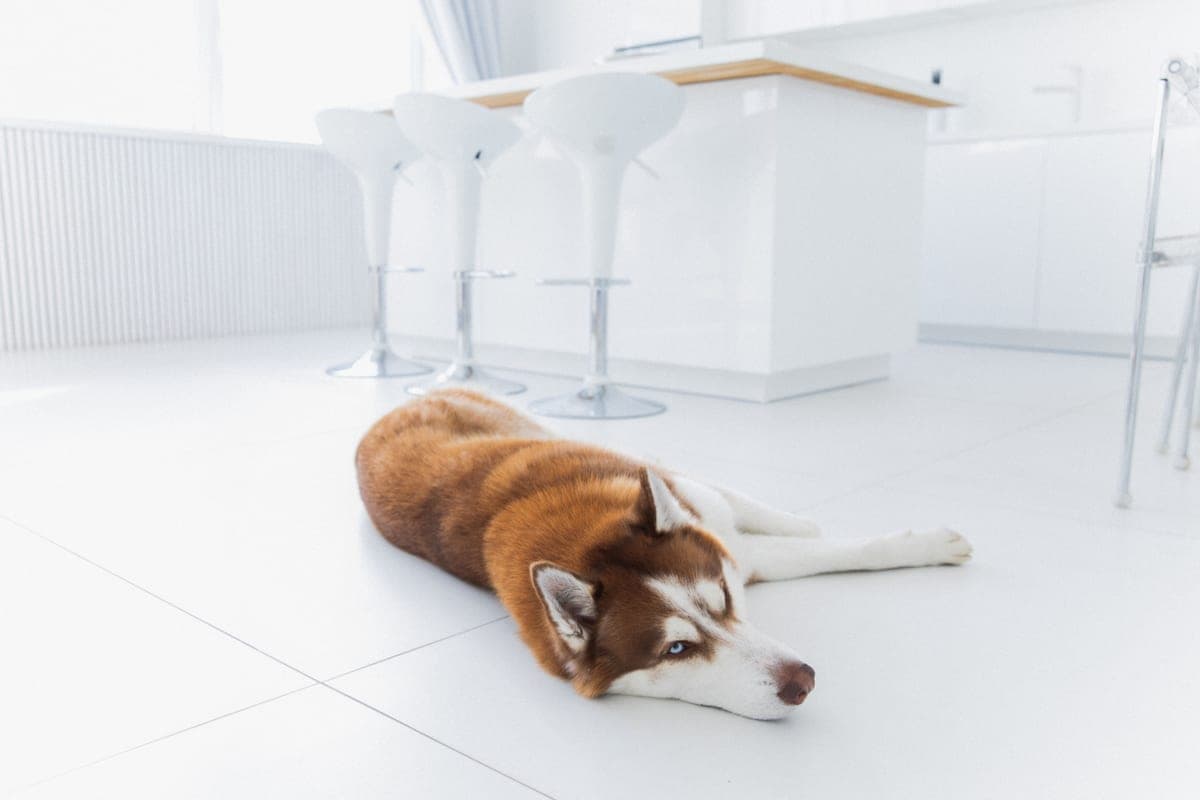
Pets interact with cleaned surfaces in a way people do not: they walk on the floor, lie on it, and then groom their paws and fur. That makes residue, rather than airborne exposure, the main route — and it means the right product is one that rinses clean and does not need to stay behind to work.
There is also a species-specific point that most "natural" pet cleaning advice gets backwards. Cats metabolize certain compounds differently from dogs, and essential oils — the default active in a great deal of natural cleaning — are the specific thing to avoid in a cat household. A fragrance-free plant-surfactant cleaner is safer for cats than an essential-oil-scented "natural" one.
Quick picks
| # | Product | Best for | Material | Price |
|---|---|---|---|---|
| 1 | Puracy Multi-Surface CleanerPlant-derived surfactants, water and sea salt, fully listed. | Floors in a pet household | Plant-derived surfactants | |
| 2 |  Branch Basics ConcentrateMADE SAFE certified concentrate with no fragrance at all. | Fragrance-free by default | Plant- and mineral-derived surfactant concentrate | |
| 3 |  Hydrogen Peroxide Disinfectant CleanerHydrogen peroxide with registered claims, no quats. | Accidents that need disinfecting | Hydrogen peroxide in a surfactant base | |
| 4 |  Distilled White Vinegar (cleaning strength)Acetic acid: cheap, effective on urine salts, not a disinfectant. | Urine and hard water | Diluted acetic acid |
Tap a row to jump to that write-up. Prices are not shown on this site because they change — the button sends you to the live Amazon listing.
Why essential oils are the wrong default for cats
Most "natural" cleaning products are scented with essential oils, and cats lack some of the metabolic pathways that other species use to process certain plant compounds. Veterinary guidance consistently advises caution with concentrated essential oils around cats, particularly tea tree, citrus, pine and eucalyptus.
The practical consequence is counter-intuitive and worth stating plainly: in a cat household an unscented synthetic-surfactant cleaner is a better choice than an essential-oil-scented natural one. "Natural" does not mean species-appropriate, and this is the clearest example of that in the house.
Residue is the route that matters
- Choose products that rinse. Anything designed to leave a protective film is the wrong product for a floor an animal lies on.
- Rinse or damp-mop after cleaning, especially on floors where a dog or cat sleeps.
- Keep animals off until dry. The simplest and most effective step, and it costs nothing.
- Ventilate. Birds in particular are extremely sensitive to airborne irritants — see the bird guide.
- Store products where they cannot be knocked over. The most common real poisoning route in pet households is a chewed bottle, not residue.
What "pet-safe" means on a label
Nothing regulated. There is no definition and no certification behind it, and the phrase appears on products with undisclosed formulas as readily as on disclosed ones.
What is checkable: a full ingredient list, the absence of essential oils if you have cats, an EPA registration number if a disinfection claim is being made, and whether the product is designed to rinse away or to leave a film. Those four questions do more than the phrase on the front of the bottle ever will.
What we ruled out
Essential-oil-heavy "natural" cleaners, for cat households specifically. Quat-based disinfectants used as routine floor cleaners, given the alternatives. Anything marketed as pet-safe with an undisclosed formula. And carpet treatments that leave a deliberate residue, which is the opposite of what you want where an animal sleeps.
The picks in full
1. Best for Floors in a pet household
Puracy Multi-Surface Cleaner
Plant-derived surfactants, water and sea salt, fully listed.
- Made of
- Plant-derived surfactants, water, sea salt
- Certified to
- Manufacturer claimManufacturer claim; no third-party certification published.
- Ingredients
- Fully listed
- Fragrance
- Light, from essential oils in scented SKUs
- Note
- Keep essential-oil scents away from cats
A short, fully disclosed surfactant formula is what you want for floors a pet lies on: it lifts soil, rinses away and leaves little behind. Full ingredient disclosure is the baseline here, because residue is the exposure route that matters for animals.
What you give up
Scented versions use essential oils, which is precisely what to avoid in a cat household — choose the unscented SKU if you have cats. It is not a disinfectant.
Who it's for
Dog and cat households cleaning floors and hard surfaces regularly.
Who should skip it
Anyone needing a disinfection claim, and cat owners buying the scented version.
2. Best for Fragrance-free by default
Branch Basics Concentrate
MADE SAFE certified concentrate with no fragrance at all.
- Made of
- Plant- and mineral-derived surfactant concentrate, diluted at home
- Certified to
- Certified: MADE SAFEThird-party certified to MADE SAFE.
- Certification
- MADE SAFE certified concentrate
- Format
- One concentrate, several dilutions
- Fragrance
- None
The fragrance-free formula is the relevant feature for pets: no essential oils, no scent mixture, and a MADE SAFE certified formula screened against a health-hazard list. Diluted for floors it rinses clean, which is what matters for an animal that grooms its paws.
What you give up
You mix it yourself, and it makes no disinfection claim.
Who it's for
Cat households especially, and anyone wanting a certified fragrance-free formula.
Who should skip it
People who want a ready-to-use bottle.
3. Best for Accidents that need disinfecting
Hydrogen Peroxide Disinfectant Cleaner
Hydrogen peroxide with registered claims, no quats.
- Made of
- Hydrogen peroxide in a surfactant base
- Certified to
- Manufacturer claimManufacturer claim; no third-party certification published.
- Active
- Hydrogen peroxide
- Dwell time
- Check the label. It matters
- Quats
- None
Pet accidents sometimes do warrant disinfection, and hydrogen peroxide is the sensible active for it: a registered claim, no quats, and it breaks down to water and oxygen so there is less to leave behind on a floor an animal will lie on.
What you give up
Dwell time applies, and keep the animal off the surface until it has dried. Peroxide can lighten some fabrics and carpets — test first.
Who it's for
Vomit, urine and anything that genuinely needs a kill claim.
Who should skip it
Routine floor cleaning, where a plain cleaner is better.
4. Best for Urine and hard water
Distilled White Vinegar (cleaning strength)
Acetic acid: cheap, effective on urine salts, not a disinfectant.
- Made of
- Diluted acetic acid, typically 5 to 6%
- Certified to
- Manufacturer claimManufacturer claim; no third-party certification published.
- Active
- Acetic acid
- Disinfectant
- No. It is a cleaner, not a registered disinfectant
- Avoid on
- Stone, grout, cast iron
Diluted vinegar is genuinely useful on urine deposits because it dissolves the mineral salts that hold odor, and it is cheap enough to use generously. For a pet household that is a real benefit.
What you give up
No disinfection claim, and it will etch stone floors and damage unsealed grout — which rules it out in a lot of homes. Some animals dislike the smell intensely, which cuts both ways.
Who it's for
Urine on tile or sealed surfaces, and descaling pet bowls.
Who should skip it
Stone floors, and homes where disinfection is the actual need.
How we chose, and what we did not do
Every product on this page was checked against its published material composition and its third-party certifications, with each claim labeled as certified, manufacturer-stated or independently tested by a named party. We do not run a lab and we do not claim to have used these products — the full method is here.
Questions people actually ask
Are essential oils safe for pets?
Not reliably for cats, which lack some metabolic pathways other species use for certain plant compounds — tea tree, citrus, pine and eucalyptus are the usual cautions. In a cat household an unscented cleaner is the safer choice than an essential-oil-scented natural one.
What does pet-safe mean on a cleaning product?
Nothing regulated. Check instead for a full ingredient list, no essential oils if you have cats, an EPA registration number if a disinfection claim is made, and whether the product rinses away rather than leaving a film.
How do I clean pet urine properly?
Blot, then an enzymatic or surfactant cleaner to break down the organic matter, then diluted vinegar on sealed surfaces to dissolve the mineral salts that hold odor. Avoid vinegar on stone and unsealed grout.
Should I disinfect after a pet accident?
For vomit, diarrhoea or an unwell animal, yes — with a registered product and its stated dwell time, keeping the animal off until dry. Routine accidents need cleaning rather than disinfecting.
Sources
- Safer Disinfectants — quaternary ammonium compounds (quats) in disinfectants — Occupational asthma and respiratory evidence for quats
- US EPA — Learn About the Safer Choice Label — Every ingredient reviewed regardless of its percentage, plus a performance standard
- MADE SAFE — Branch Basics certified products
- PTFE toxicosis in pet birds (review, NIH PubMed Central)
Read next
Cleaning & Laundry
Best non-toxic disinfectants
EPA-registered disinfectants that avoid quats, plus why dwell time is the whole product.
Pets & Fitness
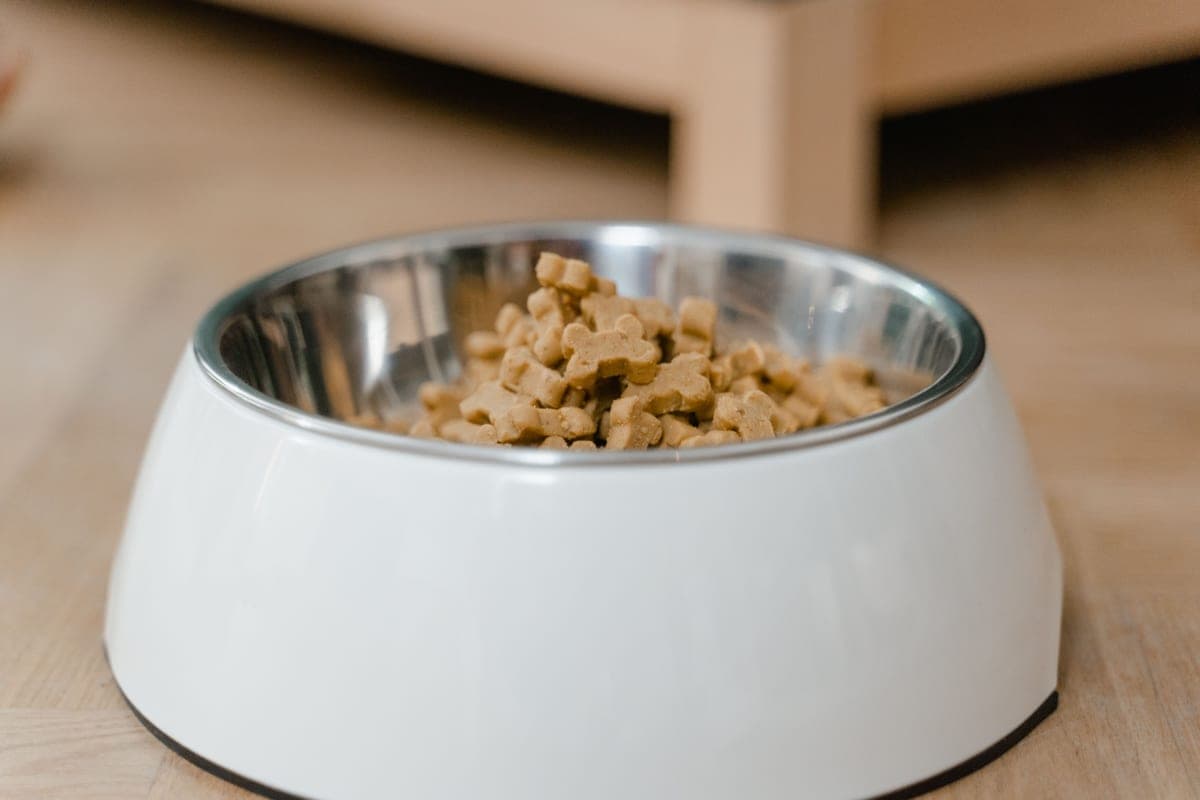
Best non-toxic dog bowls
Stainless and glazed stoneware bowls, what to ask about a glaze, and why plastic bowls are worth replacing.
Pets & Fitness
The non-toxic pet gear checklist
Pet gear in evidence order: the PTFE bird warning, bowls, bedding, toys, and the hazards that outrank materials.

Pets & Fitness
Why non-stick cookware kills birds
The mechanism, temperature and clinical signs of PTFE toxicosis in birds, and the only reliable prevention.
Written by Selena H., owner of Glass & Cotton.