Pets & Fitness
Best non-toxic dog bowls
The easiest page on this site. Stainless steel, in the dishwasher, finished.
Last reviewed October 13, 2026 — Selena H.
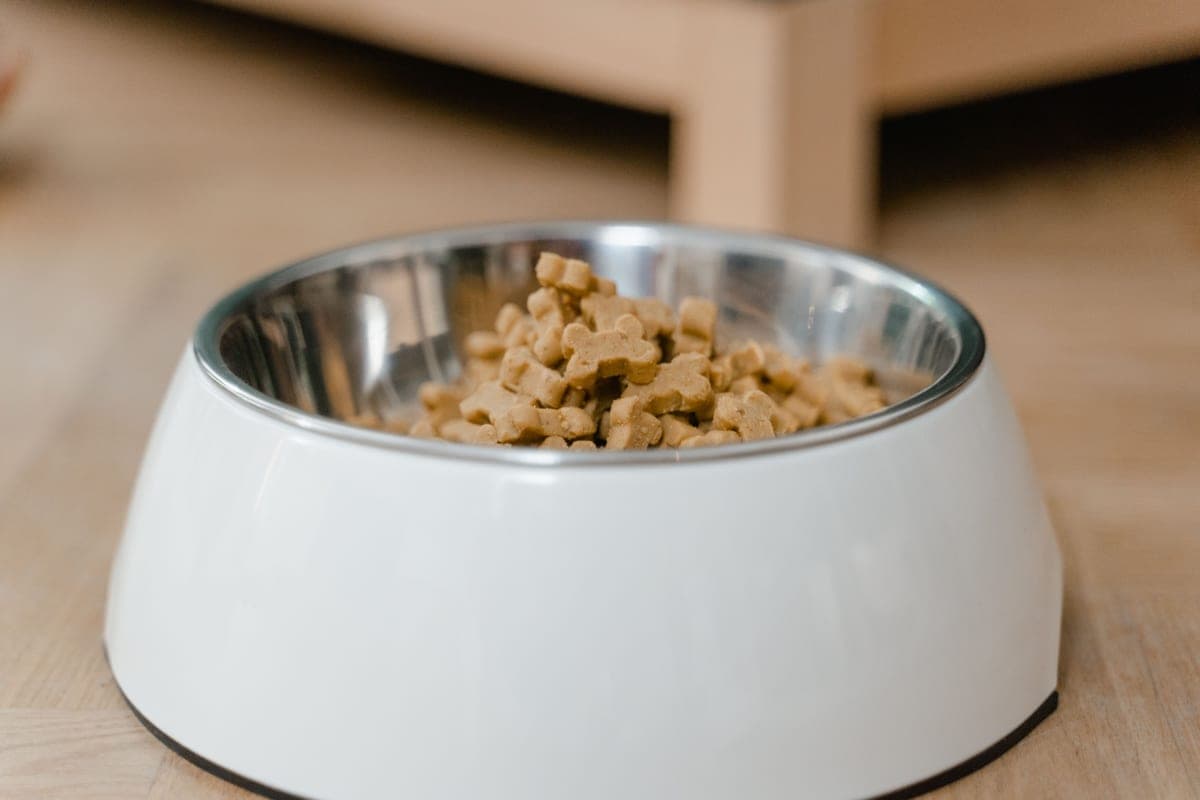
This is the simplest decision in the whole lower-tox house. An 18/8 stainless bowl has nothing to chip, nothing to craze, nothing to leach into water, and it cleans completely in a dishwasher. It costs very little and it lasts indefinitely.
There are two things worth knowing beyond that. Glazed ceramic is a fine alternative when the maker can confirm lead and cadmium leach testing — FDA assesses lead release from ceramicware with a 24-hour acetic acid test and enforces limits on US-market items — and a chipped ceramic bowl should be retired rather than inspected hopefully. And plastic bowls are the one genuinely worth replacing, because they scratch and hold biofilm in the scratches.
Quick picks
| # | Product | Best for | Material | Price |
|---|---|---|---|---|
| 1 | YETI Boomer Stainless Dog Bowl18/8 stainless with a non-slip ring. Dishwasher, indestructible, done. | The default answer | 18/8 stainless steel with a non-slip ring | |
| 2 | Glazed Stoneware Dog BowlGlazed stoneware. Quieter than metal, and the glaze is a question to ask. | Quiet and heavy | Glazed stoneware | |
| 3 | 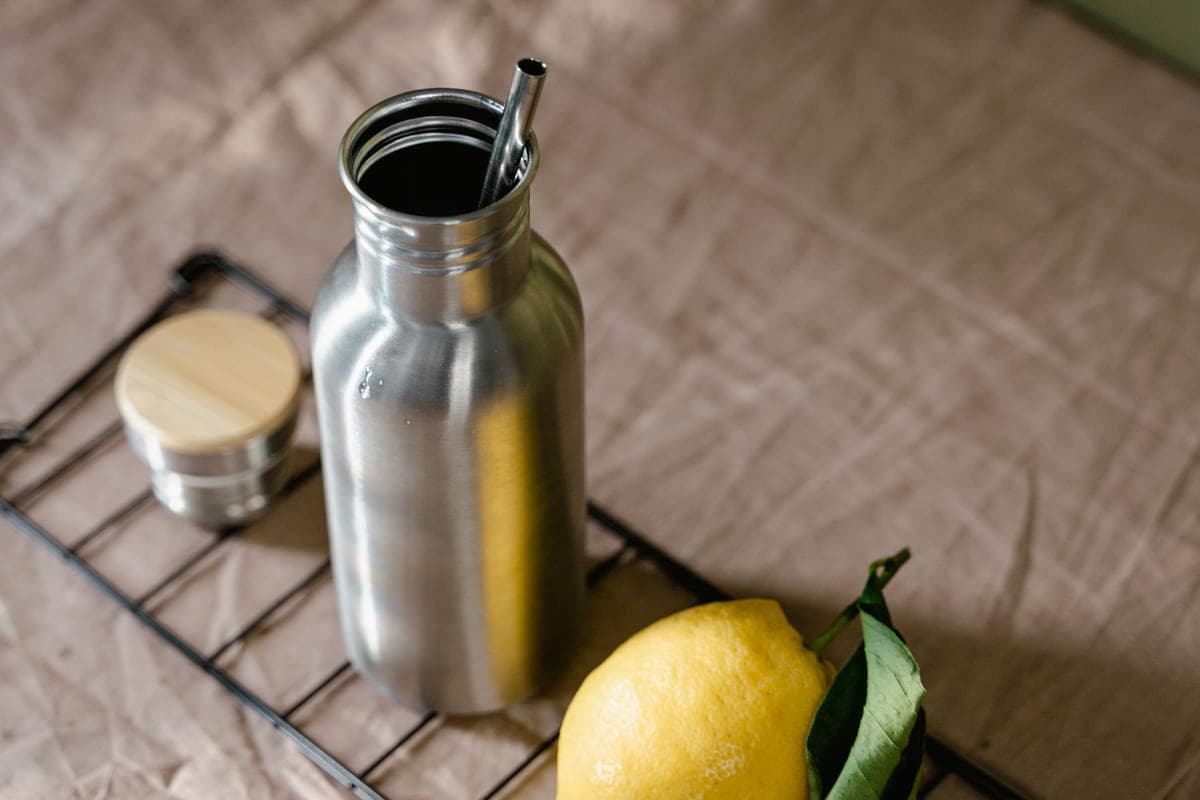 Klean Kanteen Classic Insulated Bottle18/8 stainless with cap options that are not plastic. | Water on walks | 18/8 stainless steel interior |
Tap a row to jump to that write-up. Prices are not shown on this site because they change — the button sends you to the live Amazon listing.
How we chose these
Uncoated food-contact surface, full cleanability, and enough weight to stay in place. That is the whole specification for a bowl, and it rules out most of the category immediately — which is why this is a short page.
We have not used these. Whether a particular dog tolerates a particular bowl is a question about the dog.
Why plastic bowls are the one to replace
Plastic bowls scratch, and the scratches hold biofilm that cannot be fully cleaned out — which is a straightforward hygiene problem rather than a chemistry theory. They also absorb odors over time, and in sunny rooms they degrade.
There is a second, better-documented reason specific to some dogs: contact dermatitis around the muzzle is a recognized issue associated with plastic bowls in some animals, and switching to stainless is the standard first response. Between hygiene and dermatitis, plastic is the one bowl material with a real case against it.
The glaze question, answered
Lead in ceramic glazes is a genuine historical issue and a current one for handmade, imported and vintage pieces. FDA assesses lead release from ceramicware using ASTM C738 — a 24-hour leach in 4% acetic acid, with a limit of 3 micrograms per milliliter for dinnerware — and items above those limits cannot legally be sold in the US.
For a mainstream manufacturer, asking whether the glaze meets FDA lead and cadmium limits is a reasonable question with an available answer. For a handmade bowl from a market stall, there is no such paperwork — which does not make it dangerous, but does make it unknown. And either way: a chipped bowl goes in the bin.
Keeping bowls clean
- Wash the water bowl daily. Biofilm forms in water bowls faster than people expect, and it is slimy rather than invisible.
- Dishwasher the food bowl. Stainless is indifferent to it; stoneware usually is too.
- Replace any scratched plastic bowl rather than scrubbing it harder.
- Retire chipped ceramic. The chip edge keeps breaking down into the food.
- Use a mat rather than a heavier bowl if a dog pushes it around — cheaper and it protects the floor.
What we ruled out
Plastic bowls, for hygiene and dermatitis reasons. Bowls with painted exteriors where the paint runs over the rim into food contact. Glazed bowls whose maker will not answer the leach-testing question. And automatic plastic water dispensers, which combine a plastic reservoir with standing water — the worst configuration in this category.
The picks in full
1. Best for The default answer
YETI Boomer Stainless Dog Bowl
18/8 stainless with a non-slip ring. Dishwasher, indestructible, done.
- Made of
- 18/8 stainless steel with a non-slip ring
- Certified to
- Manufacturer claimManufacturer claim; no third-party certification published.
- Food contact
- 18/8 stainless
- Dishwasher
- Yes
- Note
- Heavy enough that it stays put
Everything a bowl needs and nothing it does not: an uncoated 18/8 stainless food surface, enough weight that it stays put rather than being pushed around a kitchen, and full dishwasher cleaning. There is no coating, no glaze and no question to ask the manufacturer.
What you give up
It is expensive for a bowl, and a cheaper stainless bowl does the same materials job — you are paying for weight, finish and the non-slip ring rather than for safety.
Who it's for
Almost every dog.
Who should skip it
Nervous dogs that dislike the noise of tags against metal, where stoneware is quieter.
2. Best for Quiet and heavy
Glazed Stoneware Dog Bowl
Glazed stoneware. Quieter than metal, and the glaze is a question to ask.
- Made of
- Glazed stoneware
- Certified to
- Manufacturer claimManufacturer claim; no third-party certification published.
- Food contact
- Fired glaze
- Check
- Ask the maker about lead and cadmium leach testing
- Note
- Chips. Retire a chipped bowl
Stoneware is the sensible alternative for dogs that are put off by the clang of tags on steel, and its weight keeps it in place. The food contact surface is a fired glaze rather than a coating, which is a genuinely inert surface when the glaze meets leach limits.
What you give up
Ask the maker directly whether the glaze meets FDA lead and cadmium leach limits — this is the one real homework item on the page. And retire it when it chips, because a chip keeps spalling.
Who it's for
Dogs that dislike metal bowls, and anyone who wants a quieter kitchen.
Who should skip it
Households where bowls get knocked around, and anyone unwilling to ask the glaze question.
3. Best for Water on walks
Klean Kanteen Classic Insulated Bottle
18/8 stainless with cap options that are not plastic.
- Made of
- 18/8 stainless steel interior, stainless or bamboo cap
- Certified to
- Manufacturer claimManufacturer claim; no third-party certification published.
- Water contact
- 18/8 stainless, uncoated
- Cap
- Stainless or bamboo options
- Note
- Avoid the plastic-lined sport caps if that matters to you
The same materials logic applied to water away from home: a stainless bottle plus a collapsible bowl beats the plastic sports bottle most people carry, and it works for both of you.
What you give up
It is a human bottle rather than a pet product, and it is heavier than plastic.
Who it's for
Walks and travel.
Who should skip it
Home feeding — the two bowls above are the products.
How we chose, and what we did not do
Every product on this page was checked against its published material composition and its third-party certifications, with each claim labeled as certified, manufacturer-stated or independently tested by a named party. We do not run a lab and we do not claim to have used these products — the full method is here.
Questions people actually ask
What is the safest material for a dog bowl?
18/8 stainless steel. There is no coating to wear, no glaze to craze, nothing to chip, and it cleans completely in a dishwasher. Glazed stoneware is a good alternative when the maker can confirm lead and cadmium leach testing.
Are plastic dog bowls bad?
They are the one material with a real case against them: scratches hold biofilm that cannot be cleaned out, and contact dermatitis around the muzzle is a recognized issue in some dogs. Switching to stainless is the standard response.
Is there lead in ceramic dog bowls?
Not in new US-market ceramicware meeting FDA limits, which are enforced with a 24-hour acetic acid leach test. The uncertainty is with handmade, imported and vintage bowls that have never been tested — and a chipped bowl should be retired regardless.
How often should I wash a dog's water bowl?
Daily. Biofilm forms quickly in standing water, and it is the slimy layer you can feel on the inside of a neglected bowl.
Sources
- US FDA — compliance policy guidance on lead in ceramicware (ASTM C738 leach test)
- Kamerud, Hobbie and Anderson (2013), Stainless Steel Leaches Nickel and Chromium into Foods During Cooking, Journal of Agricultural and Food Chemistry
- California OEHHA — Proposition 65 guidance for businesses — Safe-harbour levels, and when a warning is and is not required
- Safer Disinfectants — quaternary ammonium compounds (quats) in disinfectants — Occupational asthma and respiratory evidence for quats
Read next
Pets & Fitness
Best non-toxic dog toys
Natural rubber and disclosed-TPE toys, with the ingestion hazard ranked ahead of the materials question.
Pets & Fitness
The non-toxic pet gear checklist
Pet gear in evidence order: the PTFE bird warning, bowls, bedding, toys, and the hazards that outrank materials.
Cleaning & Laundry
Best pet-safe cleaners
Cleaners chosen for animals that groom their paws, including why essential oils are the wrong answer for cats.
Kitchen & Cookware
Glass and stoneware: the inert options
Glass and glazed stoneware: inertness, thermal shock, and the lead question on handmade and vintage pieces.
Written by Selena H., owner of Glass & Cotton.