Beauty & Grooming
PFAS in cosmetics: the names to search for
Fluorinated ingredients are used for slip, wear and water resistance. They are disclosed — just under names nobody recognizes.
Last reviewed October 13, 2026 — Selena H.
Unlike the fragrance question, this one is answerable by reading. Fluorinated ingredients in cosmetics are disclosed on the INCI list — they are simply listed under names most shoppers have never seen, which has the same practical effect as not disclosing them.
They are used because they deliver properties nothing else does as well: slip, long wear, water and oil resistance, and a particular silky feel. EPA describes PFAS as a family of synthetic chemicals, many of which break down very slowly and can build up in people, animals and the environment over time, which is the reason to care about them in a product you reapply daily.
Quick picks
| # | Product | Best for | Material | Price |
|---|---|---|---|---|
| 1 | Dental Lace Silk FlossSilk with candelilla wax. Not a fluoropolymer, unlike glide floss. | The easiest win | Mulberry silk with a candelilla wax coating | |
| 2 | Cocofloss Woven FlossWoven polyester with coconut oil and wax. A plastic, but not a fluoropolymer. | Woven, not fluorinated | Woven polyester filaments with coconut oil and wax | |
| 3 | 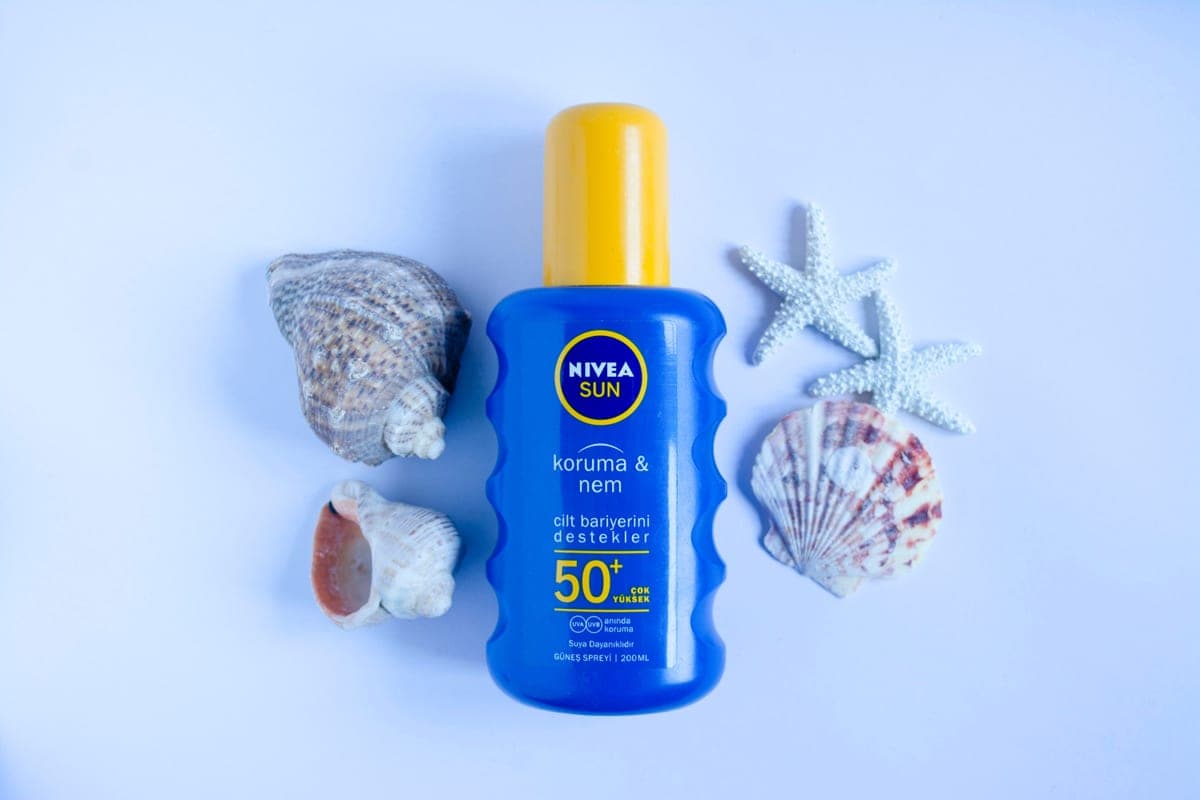 Thinksport Mineral Sunscreen SPF 5020% zinc oxide with a short list and no fluorinated ingredients. | Water resistance without fluorochemistry | 20% non-nano zinc oxide in a mineral base |
Tap a row to jump to that write-up. Prices are not shown on this site because they change — the button sends you to the live Amazon listing.
The names to search for
- PTFE and polytetrafluoroethylene — the same fluoropolymer as non-stick coatings, used for slip.
- Anything starting "perfluoro" — perfluorodecalin, perfluorononyl dimethicone, perfluorohexane and relatives.
- Anything starting "polyperfluoro" or "polyfluoro".
- C9-15 fluoroalcohol phosphate and similar phosphate esters.
- Octafluoropentyl methacrylate and other fluorinated methacrylates.
- Any ingredient containing "fluoro" as a syllable — it is a reliable screen, and it is faster than memorizing the list.
Where they actually appear
The pattern is consistent: the fluorinated ingredients turn up where a product promises to stay put. Plain, non-performance cosmetics have no reason to contain them.
| Category | Why they are used | Likelihood |
|---|---|---|
| Long-wear foundation | Wear time and transfer resistance | Moderate |
| Waterproof mascara | Water resistance | Moderate |
| Long-wear or liquid lipstick | Transfer resistance | Moderate |
| Primers and "blurring" products | Slip and silky feel | Moderate |
| Sunscreens marketed as very water-resistant | Water resistance | Lower, but check |
| Dental floss (glide type) | Slipperiness — it is PTFE | High historically |
| Plain moisturizer, cleanser, shampoo | No functional reason | Low |
How to check a product in thirty seconds
- Open the ingredient list on the pack or the brand's site.
- Search it for "fluoro" — on a phone, use the browser find function. One search covers almost the whole class.
- Also search for "PTFE" and "Teflon", which do not contain the "fluoro" string as spelled.
- Treat "PFAS-free" on the front of the pack as a prompt rather than proof — it is unregulated and uncertified, so the list is the better evidence.
- If no list is published anywhere, that is your answer about the product and the brand.
What regulators have done
The clearest completed federal action concerns food packaging, not cosmetics. FDA announced in February 2024 that PFAS used as grease-proofing agents on paper and paperboard food packaging were no longer being sold into the US market, and in January 2025 determined that 35 related food contact notifications were no longer effective because the uses had been abandoned.
Cosmetics are a separate track, with activity at state level and voluntary reformulation by brands rather than a completed federal restriction. So this remains a label-reading exercise rather than something a regulator has settled for you.
Proportion, honestly
Compared with the rest of this site, cosmetic PFAS is a small exposure for most people: a thin film on skin, in a subset of products, for part of the day. Drinking water and food contact are the routes regulators have prioritized, and they are prioritizing them for a reason.
So this page is not a reason to bin a makeup bag. It is a thirty-second check worth running on the products you use daily and reapply often — and the easiest win in the category is not a cosmetic at all, it is switching glide floss, which is PTFE and goes between your teeth twice a day.
What to buy
Products where the category gives fluorinated ingredients no reason to be present.
The picks in full
1. Best for The easiest win
Dental Lace Silk Floss
Silk with candelilla wax. Not a fluoropolymer, unlike glide floss.
- Made of
- Mulberry silk with a candelilla wax coating, refillable glass dispenser
- Certified to
- Manufacturer claimManufacturer claim; no third-party certification published.
- Fiber
- Silk, not PTFE
- Coating
- Candelilla wax
- Strength
- Shreds on tight contacts
The single most actionable item on this page: traditional glide floss is PTFE, you use it twice a day, and a silk alternative costs about the same and names its fiber on the box.
What you give up
Shreds on tight contacts, and not vegan.
Who it's for
Anyone acting on this guide today.
Who should skip it
Very tight contacts, where a woven floss slides better.
2. Best for Woven, not fluorinated
Cocofloss Woven Floss
Woven polyester with coconut oil and wax. A plastic, but not a fluoropolymer.
- Made of
- Woven polyester filaments with coconut oil and wax
- Certified to
- Manufacturer claimManufacturer claim; no third-party certification published.
- Fiber
- Polyester, not PTFE
- Texture
- Thick and scrubby
- Note
- Still a plastic fiber, just not a fluoropolymer
The tougher alternative for people whose contacts shred silk, and still outside the fluoropolymer class that this page is about.
What you give up
Still a synthetic fiber, and thick on tight contacts.
Who it's for
People who found silk floss too fragile.
Who should skip it
Anyone avoiding all synthetic fibers.
3. Best for Water resistance without fluorochemistry
Thinksport Mineral Sunscreen SPF 50
20% zinc oxide with a short list and no fluorinated ingredients.
- Made of
- 20% non-nano zinc oxide in a mineral base
- Certified to
- Manufacturer claimManufacturer claim; no third-party certification published.
- Active
- Zinc oxide 20%
- FDA status
- Zinc oxide proposed as GRASE in the 2021 order
- White cast
- Yes, like every real mineral formula
Water resistance is one of the properties fluorinated ingredients are used for, so a mineral sunscreen with a short readable list is the version of that product worth buying.
What you give up
White cast and a thick texture.
Who it's for
Daily sun protection.
Who should skip it
Invisible finish under makeup.
How we chose, and what we did not do
Every product on this page was checked against its published material composition and its third-party certifications, with each claim labeled as certified, manufacturer-stated or independently tested by a named party. We do not run a lab and we do not claim to have used these products — the full method is here.
Questions people actually ask
How do I know if my makeup contains PFAS?
Search the ingredient list for "fluoro", which catches almost the whole class, and separately for "PTFE" and "Teflon". They appear most often in long-wear, waterproof and high-slip products.
Which cosmetics are most likely to contain fluorinated ingredients?
Long-wear foundation, waterproof mascara, liquid and long-wear lipstick, and blurring primers — anything that promises to stay put. Plain cleansers and moisturizers have no functional reason to contain them.
Is PFAS banned in cosmetics?
Not federally. FDA's completed action covered PFAS grease-proofing agents on paper and paperboard food packaging. Cosmetics are being addressed at state level and through voluntary brand reformulation.
Is this a big exposure compared with other routes?
Generally no — a thin film on skin in a subset of products is small next to drinking water and food contact, which is where regulators have focused. The thirty-second label check is still worth running on daily products.
Sources
- US EPA — Our Current Understanding of the Human Health and Environmental Risks of PFAS — Regulator overview of PFAS persistence and health endpoints
- US FDA — PFAS used as grease-proofing agents in food packaging are no longer sold in the US — February 2024 update confirming the completed phase-out
- US FDA — 35 food contact notifications related to PFAS are no longer effective
- US FDA — Sunscreen: How to Help Protect Your Skin from the Sun
Read next
Beauty & Grooming
Best PFAS-free dental floss
Silk and woven floss alternatives to PTFE glide floss, with the fiber stated for each.

Kitchen & Cookware
What PFAS actually means in cookware
PFAS, PFOA and PTFE separated with sources, plus what the labels can and cannot promise.
Beauty & Grooming
How to read a cosmetics ingredient list
How INCI ordering works, what one word can conceal, and the five checks worth making.

Bedding & Home
PFAS in textiles: the finish, not the fiber
Where fluorinated finishes appear in household textiles, the label words to search for, and what regulators have done.
Written by Selena H., owner of Glass & Cotton.