Beauty & Grooming
How to read a cosmetics ingredient list
US cosmetics are not pre-approved, but the ingredient list is required and genuinely useful. Here is how to use it.
Last reviewed October 13, 2026 — Selena H.
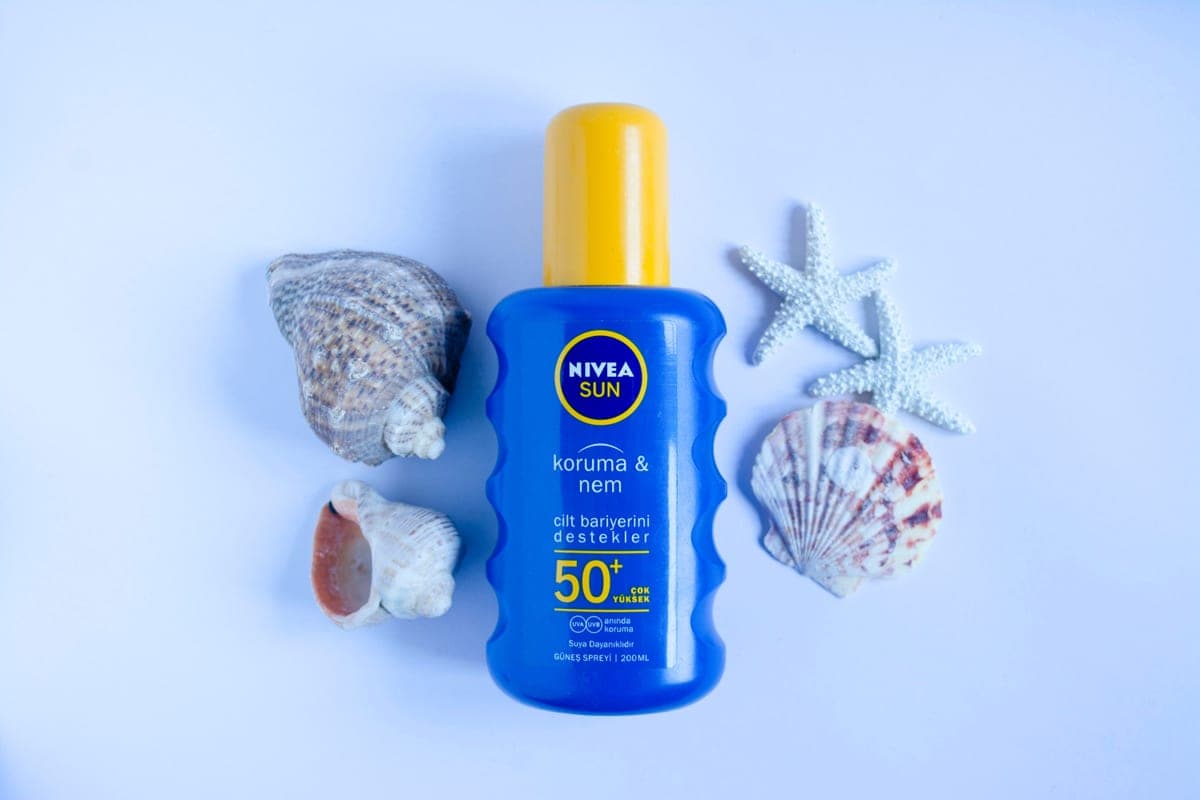
US cosmetics are not pre-approved before sale, which means the ingredient list is the main piece of real information you get — and it is more useful than it looks once you know how it is ordered.
INCI lists run in descending order of concentration down to 1%, after which ingredients may appear in any order. So position tells you something at the top of the list and nothing at the bottom, which is the first thing to understand.
Quick picks
| # | Product | Best for | Material | Price |
|---|---|---|---|---|
| 1 | Badger Mineral Sunscreen CreamZinc oxide in sunflower oil and beeswax. A list you can read in one glance. | Shortest list | Non-nano zinc oxide in sunflower oil and beeswax | |
| 2 | 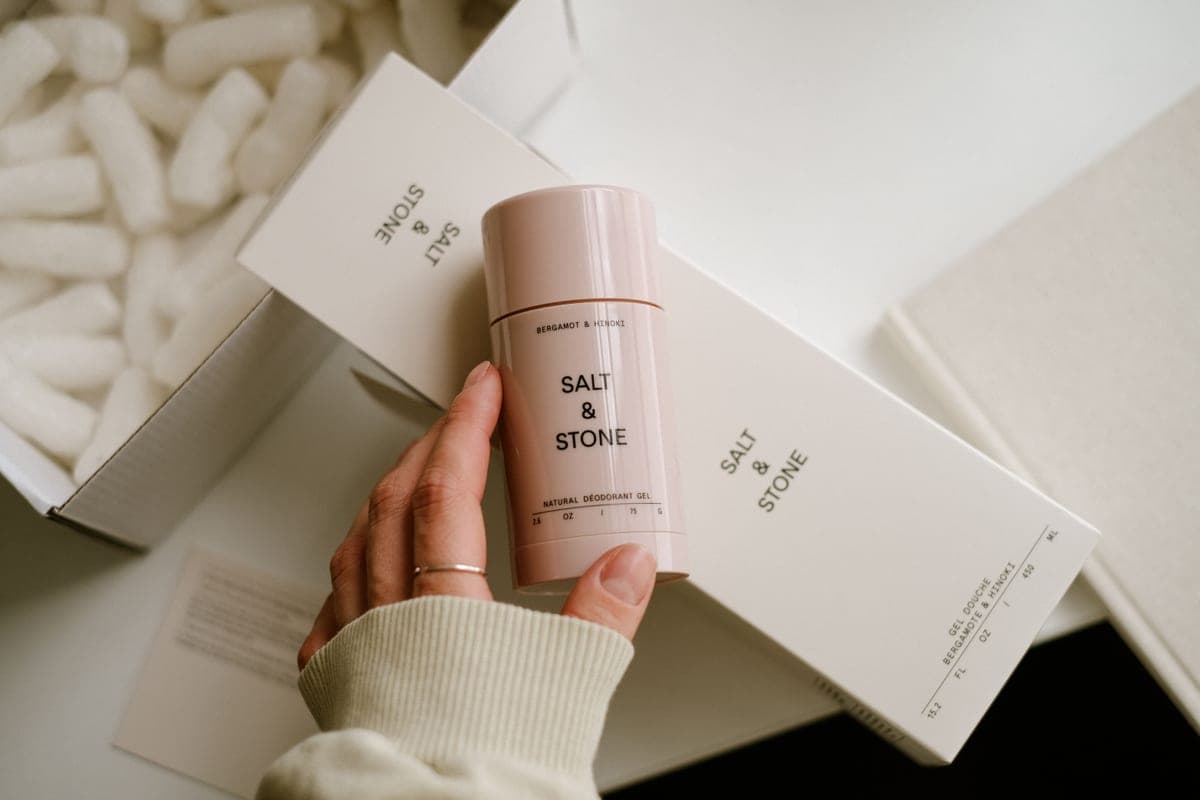 Attitude Natural DeodorantA published plant-derived formula with an unscented version. | Disclosed and unscented | Plant-derived stick base | |
| 3 | 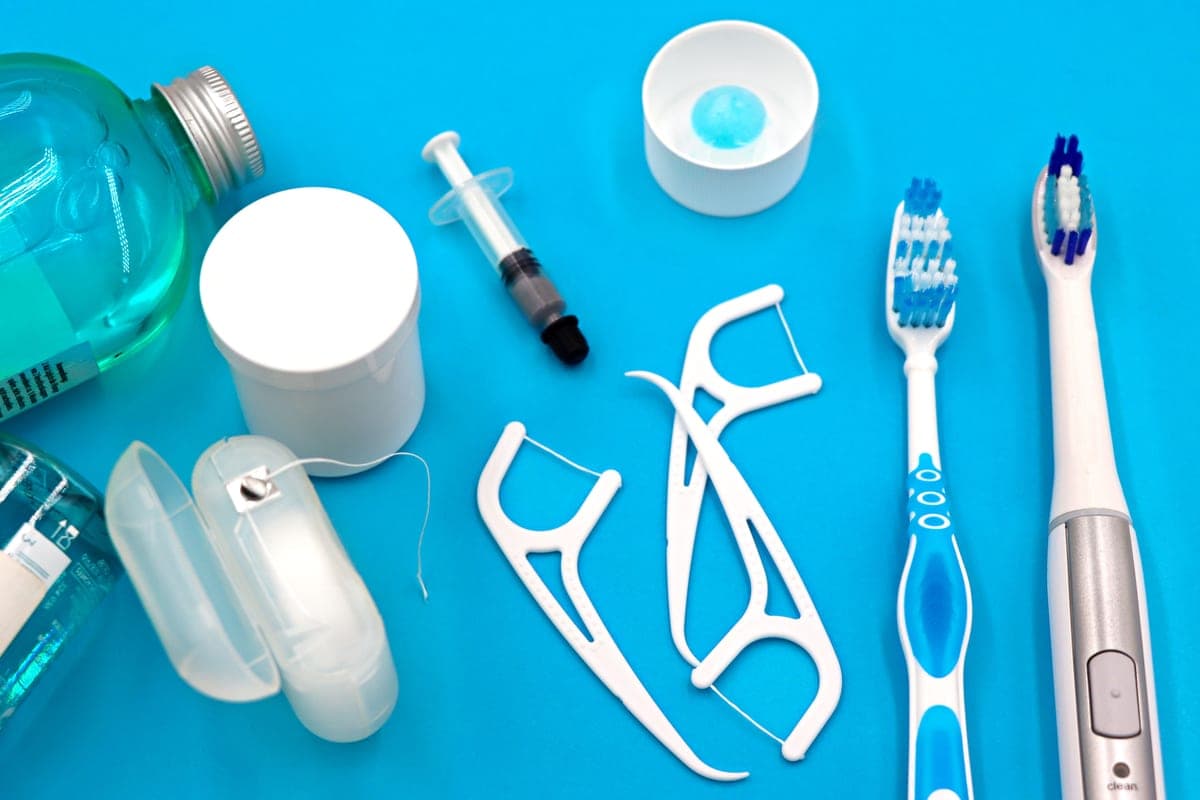 Dental Lace Silk FlossSilk and candelilla wax. The whole ingredient list is two items. | A single-material product | Mulberry silk with a candelilla wax coating |
Tap a row to jump to that write-up. Prices are not shown on this site because they change — the button sends you to the live Amazon listing.
The 45-second answer
Read the first five ingredients: they are most of the product. Then scan for "fragrance" or "parfum", which can legally stand for a mixture of dozens of components because fragrance formulas are treated as trade secrets. Then look for the actives if it is a drug product — sunscreen and antiperspirant list theirs with percentages. Everything after the 1% line is in no particular order, so do not read meaning into position down there.
What the ordering actually tells you
| Position | What it means |
|---|---|
| First ingredient | Usually water, or the main oil or butter in an anhydrous product |
| First five | The bulk of the formula — this is the product |
| Down to the 1% line | Descending concentration order, so position is informative |
| After 1% | Any order permitted. Preservatives, actives at low dose, fragrance, colourants |
| Drug actives | Listed separately with percentages, in an Active Ingredients panel |
The five checks worth making
- Count the list. Shorter is not automatically better, but it does mean fewer unknowns — and on a daily-contact product that is worth something.
- Find "fragrance" or "parfum". One word, potentially dozens of components, permitted because the FDA's ingredient-listing requirement cannot compel disclosure of trade secrets. Unscented removes it.
- Check the actives panel on drug products. Sunscreens and antiperspirants state their actives with percentages, which is the most precise information on any cosmetic package.
- Scan for fluorinated ingredients — anything starting "perfluoro" or "polyfluoro", plus PTFE and polytetrafluoroethylene. They appear most in long-wear and waterproof products. PFAS in cosmetics lists the terms.
- Look for the preservative. Every water-containing product needs one; a product that appears to have none either contains no water or is not telling you something. A named preservative is a good sign, not a bad one.
Words that mean nothing on a cosmetic
Clean, non-toxic, natural, pure, chemical-free and dermatologist-approved have no regulatory definition in cosmetics. "Hypoallergenic" has no standardized test behind it. "Dermatologist-tested" means a dermatologist was involved somehow, with no requirement to say what was tested, on how many people, or with what result.
None of that makes products using them bad. It makes the phrases uninformative, which is why the ingredient list is where to look instead.
Where preservatives fit
Preservatives have a terrible reputation in this market and they are doing a necessary job: any product containing water will grow bacteria and mold without one, and a contaminated cream applied to skin or near eyes is a real and immediate problem rather than a theoretical one.
So "preservative-free" on a water-containing product is a warning sign rather than a selling point. What is reasonable is to prefer a named, well-characterized preservative system — and to buy small sizes you will finish, which is the simplest way to reduce how long any preserved product sits open.
What to buy
Three products whose lists are short enough to read in full.
The picks in full
1. Best for Shortest list
Badger Mineral Sunscreen Cream
Zinc oxide in sunflower oil and beeswax. A list you can read in one glance.
- Made of
- Non-nano zinc oxide in sunflower oil and beeswax
- Certified to
- Manufacturer claimManufacturer claim; no third-party certification published.
- Active
- Zinc oxide
- Ingredient count
- Very short
- Texture
- Thick. Warm it in your hands
The clearest demonstration of what this guide recommends: a drug product with its active stated as a percentage, in a base of two or three recognisable ingredients, with no fragrance.
What you give up
Thick texture and a white cast, and the beeswax base is not vegan.
Who it's for
Anyone wanting the shortest possible daily-use formula.
Who should skip it
Face use under makeup.
2. Best for Disclosed and unscented
Attitude Natural Deodorant
A published plant-derived formula with an unscented version.
- Made of
- Plant-derived stick base, no aluminum salts
- Certified to
- Manufacturer claimManufacturer claim; no third-party certification published.
- Aluminum salts
- None
- Baking soda
- Some SKUs. Check if you react to it
- Antiperspirant
- No. It does not stop sweat
Deodorant is a daily-contact product on thin skin, which makes it a sensible place to apply the fragrance check. This one publishes its list and offers a version with no fragrance mixture to decode.
What you give up
No sweat reduction, and some SKUs contain baking soda.
Who it's for
Daily use with a readable label.
Who should skip it
Anyone needing dryness.
3. Best for A single-material product
Dental Lace Silk Floss
Silk and candelilla wax. The whole ingredient list is two items.
- Made of
- Mulberry silk with a candelilla wax coating, refillable glass dispenser
- Certified to
- Manufacturer claimManufacturer claim; no third-party certification published.
- Fiber
- Silk, not PTFE
- Coating
- Candelilla wax
- Strength
- Shreds on tight contacts
The simplest possible version of this exercise: two named materials, no fluoropolymer, no flavor mixture. Worth knowing that this level of simplicity is achievable.
What you give up
Shreds on tight contacts, and not vegan.
Who it's for
Anyone who wants a product with nothing to decode.
Who should skip it
Tight contacts and vegan households.
How we chose, and what we did not do
Every product on this page was checked against its published material composition and its third-party certifications, with each claim labeled as certified, manufacturer-stated or independently tested by a named party. We do not run a lab and we do not claim to have used these products — the full method is here.
Questions people actually ask
How are cosmetic ingredients ordered?
In descending order of concentration down to 1%, after which ingredients may be listed in any order. So position is informative at the top of the list and not at the bottom.
Why does fragrance appear as one word?
Because the FDA's ingredient-listing requirement comes from the Fair Packaging and Labeling Act, which cannot be used to compel disclosure of trade secrets — and fragrance formulas are among the components most likely to be trade secrets.
Is a shorter ingredient list better?
It means fewer unknowns, which is worth something on a daily-contact product. It is not automatically safer: a long list of well-characterized ingredients can be preferable to a short list of undisclosed botanical extracts.
Should I avoid preservatives?
No. Any water-containing product needs one, and a contaminated cream is a real and immediate problem. Prefer a named preservative system and buy sizes you will finish.
Does dermatologist-tested mean anything?
Very little. It indicates a dermatologist was involved, with no requirement to disclose what was tested, on how many people, or with what outcome.
Sources
- US FDA — Fragrances in Cosmetics — The rule that lets an entire fragrance mixture be listed as one word
- US FDA — Sunscreen: How to Help Protect Your Skin from the Sun
- US EPA — Our Current Understanding of the Human Health and Environmental Risks of PFAS — Regulator overview of PFAS persistence and health endpoints
- EWG — Guide to Sunscreens
Read next
Beauty & Grooming
PFAS in cosmetics: the names to search for
The fluorinated ingredient names that appear in cosmetics, which products carry them, and how to check.
Beauty & Grooming
Parabens and phthalates, without the scare framing
What parabens and phthalates each do, how the evidence differs, and how to find them on a label.
Beauty & Grooming
Best non-toxic sunscreens
Mineral sunscreens using the actives FDA proposed as GRASE, with the white cast stated plainly.

Kitchen & Cookware
Greenwashing red flags: eight claims that mean nothing
Eight unregulated product claims decoded, with the one question that cuts through all of them.
Written by Selena H., owner of Glass & Cotton.