Beauty & Grooming
Parabens and phthalates, without the scare framing
Two different ingredient classes with two different evidence bases, usually discussed as if they were one.
Last reviewed October 13, 2026 — Selena H.
Parabens are preservatives. Phthalates are plasticizers, and some have been used in fragrance formulations as solvents and fixatives. They are routinely named together as if they were one concern, and they are not — the evidence base, the function and the way you find them on a label all differ.
This page separates them, states what is actually documented, and does not tell you your shampoo is poisoning you. The scare version of this topic is much more common and much less useful.
Quick picks
| # | Product | Best for | Material | Price |
|---|---|---|---|---|
| 1 | Badger Mineral Sunscreen CreamA very short anhydrous formula with no fragrance and little need for preservation. | Nothing to hide | Non-nano zinc oxide in sunflower oil and beeswax | |
| 2 | 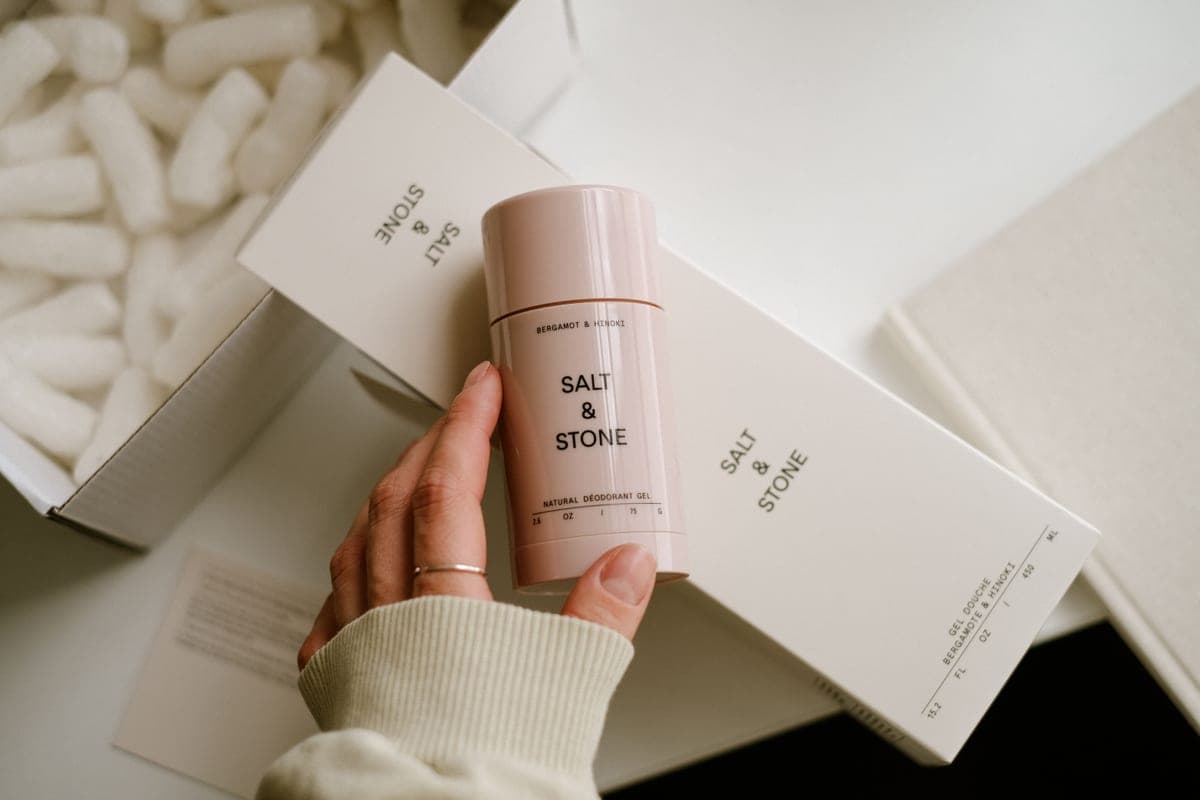 Attitude Natural DeodorantA published formula with an unscented version available. | Unscented daily use | Plant-derived stick base | |
| 3 | 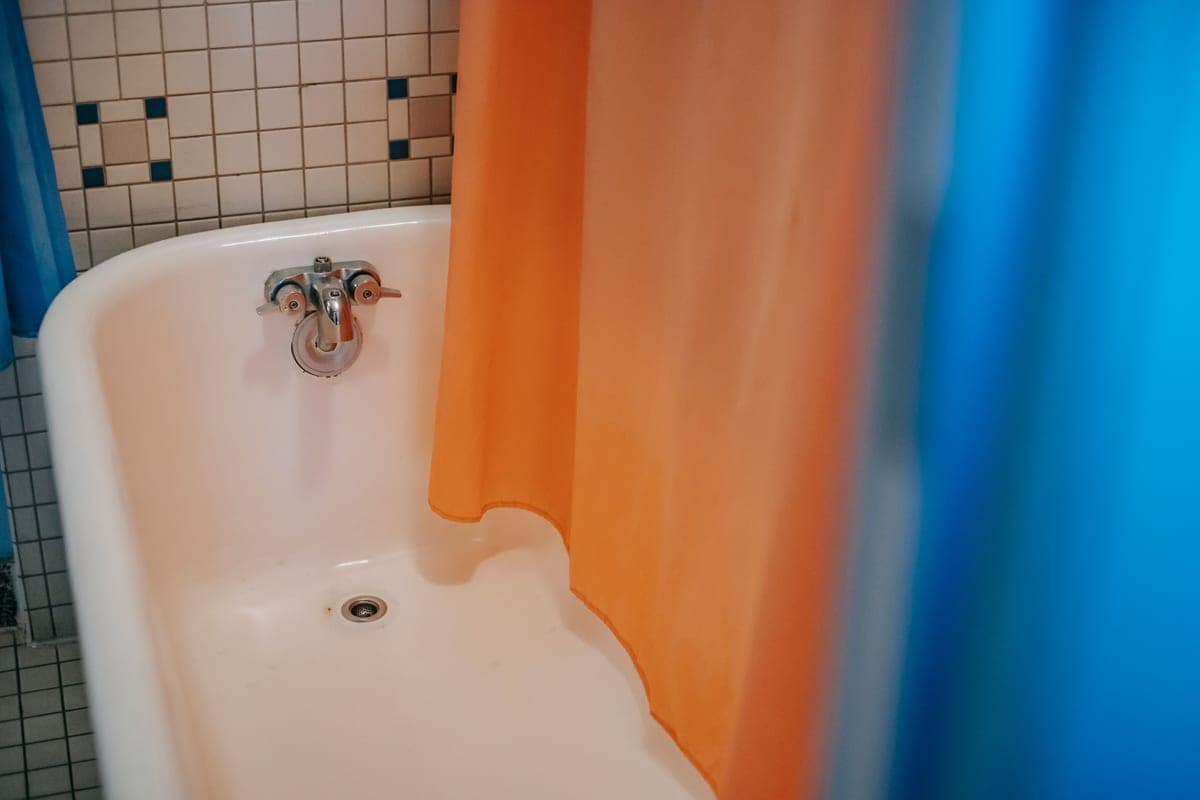 PEVA-Free Cotton Shower CurtainCotton canvas, washable, no PVC — so no plasticizer at all. | The other phthalate route | Cotton canvas outer curtain with a washable liner |
Tap a row to jump to that write-up. Prices are not shown on this site because they change — the button sends you to the live Amazon listing.
Parabens: what they do and what the issue is
Parabens are a family of preservatives — methylparaben, ethylparaben, propylparaben, butylparaben — used because any water-containing product needs protection from microbial growth. They are effective at low concentrations, well characterized, and have been in use for decades.
The concern is weak oestrogenic activity demonstrated in laboratory studies, with longer-chain parabens showing more than shorter ones. What has not been established is a health effect at the concentrations used in cosmetics. That is the honest state of it: a plausible mechanism, a real body of laboratory work, and no settled human outcome — which is why they remain legal and why plenty of careful formulators have moved away from them anyway.
Phthalates: the harder one to find
Phthalates serve two unrelated functions. As plasticizers they keep PVC flexible, which is why they appear in vinyl shower curtains and soft plastics rather than in cosmetics. In fragrance formulations, some have been used as solvents and fixatives to make a scent last.
The practical difficulty is disclosure. Because a fragrance mixture can be declared with the single word "fragrance" — the FDA's ingredient-listing requirement cannot compel disclosure of trade secrets — a phthalate used within the fragrance would not appear separately on the label. That is the real substance of the "fragrance hides phthalates" concern, and it is a labeling issue as much as a chemistry one.
How to find each on a label
Note the asymmetry. Parabens are easy to avoid because they are disclosed. Phthalates in fragrance are hard to avoid by reading, which makes unscented the reliable route — and "phthalate-free" a positive claim worth looking for since you cannot verify it from the list.
| Class | On the label | Where it hides |
|---|---|---|
| Parabens | Methyl-, ethyl-, propyl-, butylparaben | Nowhere — they are listed plainly |
| Phthalates (direct) | DEP, DBP, DEHP, diethyl phthalate | Rare in modern cosmetics |
| Phthalates (in fragrance) | Not listed separately | Inside "fragrance" or "parfum" |
| Replacement preservatives | Phenoxyethanol, benzyl alcohol, sodium benzoate | Listed plainly |
What replaced them, and whether that is better
Paraben-free products use other preservative systems: phenoxyethanol, benzyl alcohol, sodium benzoate, potassium sorbate, or combinations. These work, and they are not automatically better characterized — phenoxyethanol has its own irritation profile and its own smaller literature.
This is the substitution problem that runs through this whole site: removing a named ingredient with a known profile sometimes means adopting a newer one with a thinner evidence base, and "free from" is a weaker claim than "here is what we used instead". The brands worth trusting state the replacement.
What we would actually do
- Buy unscented where you reasonably can, which addresses the phthalate question more reliably than any ingredient search.
- Do not panic about preservatives. A product that needs one and has none is a worse proposition than either parabens or their replacements.
- Prioritize daily-contact products: deodorant, body lotion, anything applied to large areas or broken skin.
- Buy sizes you will finish, so preserved products do not sit open for years.
- Ignore the free-from count on the front of the pack and read the list on the back.
What to buy
Three products where the question does not arise, because there is no fragrance to hide anything in.
The picks in full
1. Best for Nothing to hide
Badger Mineral Sunscreen Cream
A very short anhydrous formula with no fragrance and little need for preservation.
- Made of
- Non-nano zinc oxide in sunflower oil and beeswax
- Certified to
- Manufacturer claimManufacturer claim; no third-party certification published.
- Active
- Zinc oxide
- Ingredient count
- Very short
- Texture
- Thick. Warm it in your hands
An oil-and-wax base contains no water, which means minimal preservation is needed, and no fragrance means no mixture to conceal a phthalate. The ingredient list is short enough to read at a glance.
What you give up
Thick and white, and not vegan.
Who it's for
Daily sun protection with a readable list.
Who should skip it
Face use under makeup.
2. Best for Unscented daily use
Attitude Natural Deodorant
A published formula with an unscented version available.
- Made of
- Plant-derived stick base, no aluminum salts
- Certified to
- Manufacturer claimManufacturer claim; no third-party certification published.
- Aluminum salts
- None
- Baking soda
- Some SKUs. Check if you react to it
- Antiperspirant
- No. It does not stop sweat
Deodorant is applied daily to thin, often freshly shaved skin, which makes it the highest-value place to remove the fragrance variable entirely.
What you give up
No sweat reduction, and baking soda in some SKUs.
Who it's for
Daily use without a fragrance mixture.
Who should skip it
Anyone needing dryness.
3. Best for The other phthalate route
PEVA-Free Cotton Shower Curtain
Cotton canvas, washable, no PVC — so no plasticizer at all.
- Made of
- Cotton canvas outer curtain with a washable liner
- Certified to
- Manufacturer claimManufacturer claim; no third-party certification published.
- Material
- Cotton
- PVC
- None
- Note
- Needs washing, not replacing
Included because the larger phthalate exposure in most homes is not cosmetic: it is the flexible vinyl shower curtain off-gassing in a warm bathroom. A fabric curtain removes it.
What you give up
Needs washing and spreading to dry.
Who it's for
Anyone acting on the plasticizer half of this page.
Who should skip it
Households that will not wash it.
How we chose, and what we did not do
Every product on this page was checked against its published material composition and its third-party certifications, with each claim labeled as certified, manufacturer-stated or independently tested by a named party. We do not run a lab and we do not claim to have used these products — the full method is here.
Questions people actually ask
Are parabens actually harmful?
Laboratory studies show weak oestrogenic activity, more so for longer-chain parabens, but a health effect at cosmetic concentrations has not been established. They remain legal, and plenty of careful formulators have moved away from them anyway.
How do I avoid phthalates in cosmetics?
Buy unscented products. Because a fragrance mixture can be declared as one word, a phthalate used within it does not appear separately on the list — so reading the label cannot reliably find it.
Are paraben-free products safer?
Not automatically. They use alternative preservative systems such as phenoxyethanol, which work and have their own, often thinner, literature. "Here is what we used instead" is a more useful claim than "free from".
Where are phthalates most likely in my home?
In flexible PVC rather than in cosmetics — vinyl shower curtains, soft plastics and some flooring. The shower curtain is usually the largest and easiest one to remove.
Sources
- US FDA — Fragrances in Cosmetics — The rule that lets an entire fragrance mixture be listed as one word
- US EPA — Our Current Understanding of the Human Health and Environmental Risks of PFAS — Regulator overview of PFAS persistence and health endpoints
- California OEHHA — Proposition 65 guidance for businesses — Safe-harbour levels, and when a warning is and is not required
- EWG — Guide to Sunscreens
Read next
Beauty & Grooming
How to read a cosmetics ingredient list
How INCI ordering works, what one word can conceal, and the five checks worth making.
Cleaning & Laundry
What "fragrance" hides on a label, and why it is allowed
The trade-secret rule that lets fragrance be one word, where it appears, and the unscented workaround.
Bedding & Home
Best PVC-free shower curtains and liners
Washable fabric curtains and liners that replace the vinyl liner permanently, with the PEVA question answered.
Beauty & Grooming
Best non-toxic deodorants
Aluminum-free deodorants that work, the two-week adjustment, and the baking-soda irritation problem.
Written by Selena H., owner of Glass & Cotton.