Beauty & Grooming
Best non-toxic sunscreens
This is the one personal-care category where the regulator has published a position on each ingredient. Use it.
Last reviewed October 13, 2026 — Selena H.
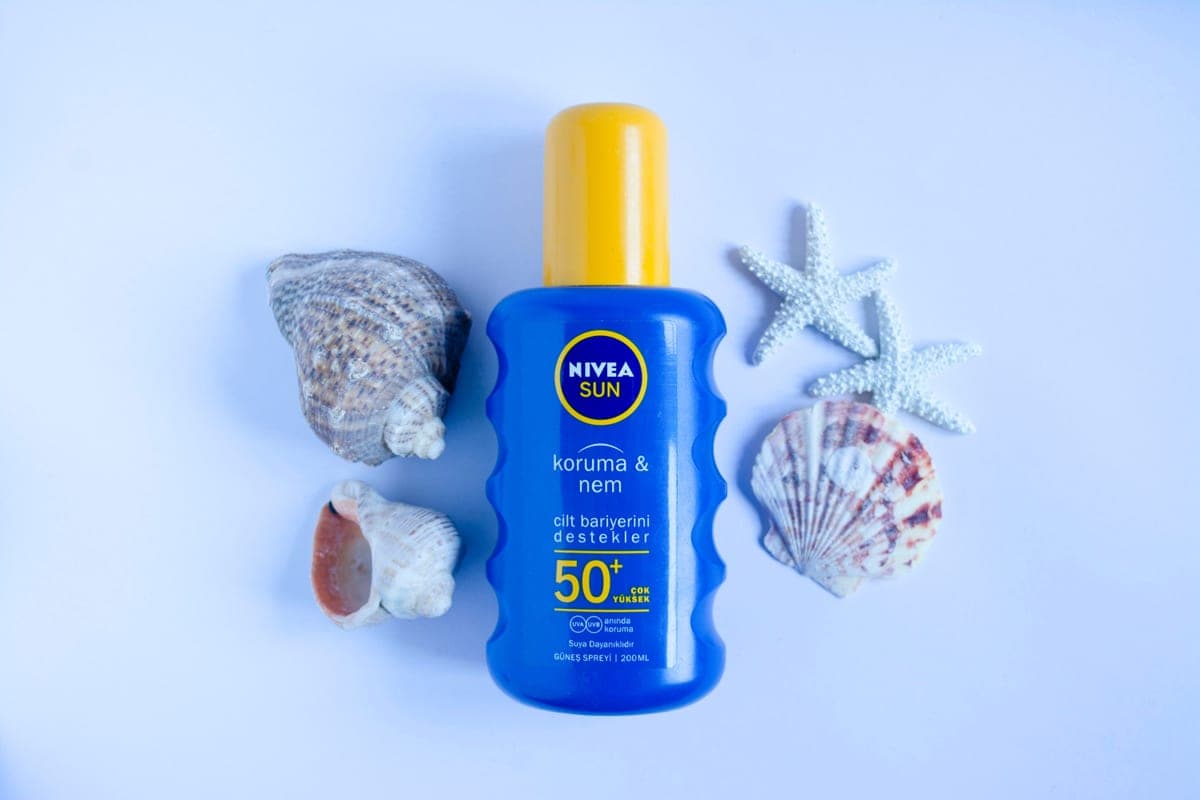
Sunscreen is regulated as an over-the-counter drug, which makes it the one category on this site where the regulator has published an ingredient-by-ingredient position. In its 2021 proposed order the FDA said sunscreens containing zinc oxide and titanium dioxide would be classified as GRASE — generally recognized as safe and effective. For twelve other widely used actives, including oxybenzone, avobenzone, homosalate, octinoxate, octisalate and octocrylene, it said additional data are required before a final determination. PABA and trolamine salicylate were proposed as not GRASE.
Two things follow. If you want the actives already in the settled column, buy mineral. And "more data needed" is not "unsafe" — the best sunscreen is still the one you will actually wear every day.
Quick picks
| # | Product | Best for | Material | Price |
|---|---|---|---|---|
| 1 | Thinksport Mineral Sunscreen SPF 5020% non-nano zinc oxide, SPF 50, short ingredient list. | Daily high-SPF mineral | 20% non-nano zinc oxide in a mineral base | |
| 2 | Badger Mineral Sunscreen CreamNon-nano zinc oxide in sunflower oil and beeswax. Very few ingredients. | Shortest ingredient list | Non-nano zinc oxide in sunflower oil and beeswax | |
| 3 | 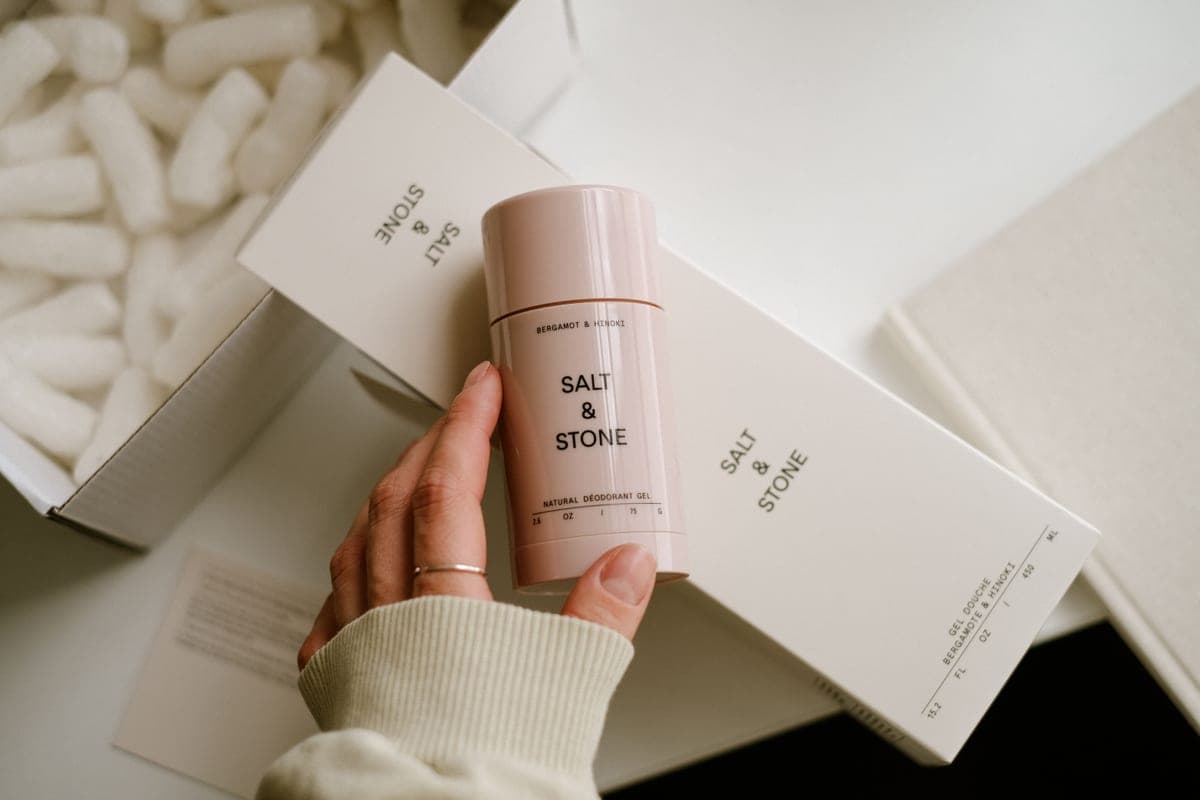 Attitude Natural DeodorantIncluded as a reference for fully disclosed personal-care formulas. | The same brand approach elsewhere | Plant-derived stick base |
Tap a row to jump to that write-up. Prices are not shown on this site because they change — the button sends you to the live Amazon listing.
How we chose these
Mineral actives only, because that is the group with a settled proposed regulatory status. Then: a stated active percentage, a short ingredient list, no fragrance, and genuine broad-spectrum SPF.
We have not tested protection or wear. SPF testing is a laboratory procedure and the number on the tube comes from it, not from us — which is exactly the kind of claim we cite rather than make.
What the FDA actually said, by ingredient
The order had not been finalized at the time of writing, so this is a proposed position rather than a settled rule. It is still the most useful single piece of information available for this decision, because it tells you where the regulator's own uncertainty sits.
| Active | Proposed status |
|---|---|
| Zinc oxide | GRASE |
| Titanium dioxide | GRASE |
| Oxybenzone | More safety data needed |
| Avobenzone | More safety data needed |
| Homosalate | More safety data needed |
| Octinoxate | More safety data needed |
| Octisalate | More safety data needed |
| Octocrylene | More safety data needed |
| Ensulizole | More safety data needed |
| Aminobenzoic acid (PABA) | Not GRASE |
| Trolamine salicylate | Not GRASE |
The white cast is physics
Zinc oxide is white and works by sitting on the skin surface. A mineral sunscreen that leaves no cast has achieved that through tinting or particle engineering, not by escaping the mechanism.
This matters because an unworn sunscreen protects nobody. If a thick white formula means you skip application, a lighter chemical sunscreen you will actually wear is the better outcome, and we would rather say that than sell you a product destined for the back of a cupboard. The full comparison covers both sides.
How to actually use it
- Use enough. Roughly a shot glass for a whole body, and about a teaspoon for the face and neck. Under-application is the single biggest reason real-world protection falls short of the SPF.
- Reapply every two hours in sun, and after swimming or heavy sweating, regardless of water-resistance claims.
- Mineral works immediately; there is no waiting period as with some chemical formulas.
- Shade, a hat and sleeves outperform any sunscreen for sustained exposure. Sunscreen is for the skin you cannot cover.
- Check the expiry. Actives degrade, and a three-year-old tube is not delivering its stated SPF.
What we ruled out
Sunscreens using the actives FDA flagged as needing more data, not because they are known to be harmful but because this page exists to offer the settled alternative. Anything containing PABA or trolamine salicylate, proposed as not GRASE. Spray sunscreens generally, where inhalation is a real route and application coverage is poor. And SPF-containing makeup presented as sun protection, which almost nobody applies thickly enough to reach the stated SPF.
The picks in full
1. Best for Daily high-SPF mineral
Thinksport Mineral Sunscreen SPF 50
20% non-nano zinc oxide, SPF 50, short ingredient list.
- Made of
- 20% non-nano zinc oxide in a mineral base
- Certified to
- Manufacturer claimManufacturer claim; no third-party certification published.
- Active
- Zinc oxide 20%
- FDA status
- Zinc oxide proposed as GRASE in the 2021 order
- White cast
- Yes, like every real mineral formula
A high-percentage zinc formula using the active FDA proposed as GRASE, at an SPF that means something, with a list short enough to read. High zinc percentage is what delivers broad-spectrum protection in a mineral formula, and this is among the higher ones available.
What you give up
A white cast, and a thicker texture than any chemical sunscreen. That is inherent to zinc oxide sitting on the skin, which is how it works — no mineral formula escapes it without tinting.
Who it's for
Daily use, children, reactive skin, and anyone who wants the regulator's settled actives.
Who should skip it
Anyone who needs an invisible finish under makeup.
2. Best for Shortest ingredient list
Badger Mineral Sunscreen Cream
Non-nano zinc oxide in sunflower oil and beeswax. Very few ingredients.
- Made of
- Non-nano zinc oxide in sunflower oil and beeswax
- Certified to
- Manufacturer claimManufacturer claim; no third-party certification published.
- Active
- Zinc oxide
- Ingredient count
- Very short
- Texture
- Thick. Warm it in your hands
If a short legible formula is the goal, this is the shortest in the category: zinc oxide in a simple oil and wax base, with no fragrance and nothing doing a formulation job rather than a protective one.
What you give up
Thick enough that you have to warm it between your hands before it spreads, and a pronounced white cast. The beeswax base is not vegan.
Who it's for
Sensitive skin, minimal formulas, body rather than face.
Who should skip it
Face use under makeup, and vegan households.
3. Best for The same brand approach elsewhere
Attitude Natural Deodorant
Included as a reference for fully disclosed personal-care formulas.
- Made of
- Plant-derived stick base, no aluminum salts
- Certified to
- Manufacturer claimManufacturer claim; no third-party certification published.
- Aluminum salts
- None
- Baking soda
- Some SKUs. Check if you react to it
- Antiperspirant
- No. It does not stop sweat
Sun protection is daily and so is deodorant, and the same standard applies: a published ingredient list and an unscented option. This is the companion purchase for anyone building a short-list personal-care routine rather than a sunscreen recommendation.
What you give up
It is a deodorant, not a sunscreen. It is here as the adjacent daily product.
Who it's for
Anyone applying the same standard across daily products.
Who should skip it
People looking only for sunscreen — the two above are the products.
How we chose, and what we did not do
Every product on this page was checked against its published material composition and its third-party certifications, with each claim labeled as certified, manufacturer-stated or independently tested by a named party. We do not run a lab and we do not claim to have used these products — the full method is here.
Questions people actually ask
What is the safest sunscreen?
A mineral sunscreen using zinc oxide or titanium dioxide — the two actives the FDA proposed as generally recognized as safe and effective in its 2021 order. Twelve other common actives were flagged as needing more data.
Does mineral sunscreen have to be white?
Yes, unless it is tinted or uses engineered particle sizes. Zinc oxide is white and sits on the skin, which is how it provides protection.
Which sunscreen ingredients should I avoid?
PABA and trolamine salicylate were proposed as not GRASE on safety grounds. For oxybenzone, avobenzone, octinoxate, octocrylene and others the FDA said more data are needed, which is a statement about evidence rather than a finding of harm.
Is spray sunscreen a bad idea?
It is harder to apply at an adequate thickness and it introduces an inhalation route that a lotion does not. A lotion applied generously is the better product.
How much sunscreen should I use?
About a shot glass for the whole body and a teaspoon for face and neck, reapplied every two hours in sun. Under-application is the main reason real protection falls short of the label SPF.
Sources
- US FDA — Sunscreen: How to Help Protect Your Skin from the Sun
- EWG — Guide to Sunscreens
- US FDA — Fragrances in Cosmetics — The rule that lets an entire fragrance mixture be listed as one word
Read next
Beauty & Grooming
Mineral vs chemical sunscreen
The FDA's 2021 GRASE positions on each sunscreen active, and what the white cast actually costs you.
Beauty & Grooming
How to read a cosmetics ingredient list
How INCI ordering works, what one word can conceal, and the five checks worth making.
Beauty & Grooming
PFAS in cosmetics: the names to search for
The fluorinated ingredient names that appear in cosmetics, which products carry them, and how to check.
Beauty & Grooming
Best non-toxic deodorants
Aluminum-free deodorants that work, the two-week adjustment, and the baking-soda irritation problem.
Written by Selena H., owner of Glass & Cotton.