Kitchen & Cookware
Best ceramic cookware sets, and the distinction brands blur
Coated ceramic and solid ceramic are different products with different failure modes. Nearly every buying guide treats them as one category.
Last reviewed October 13, 2026 — Selena H.
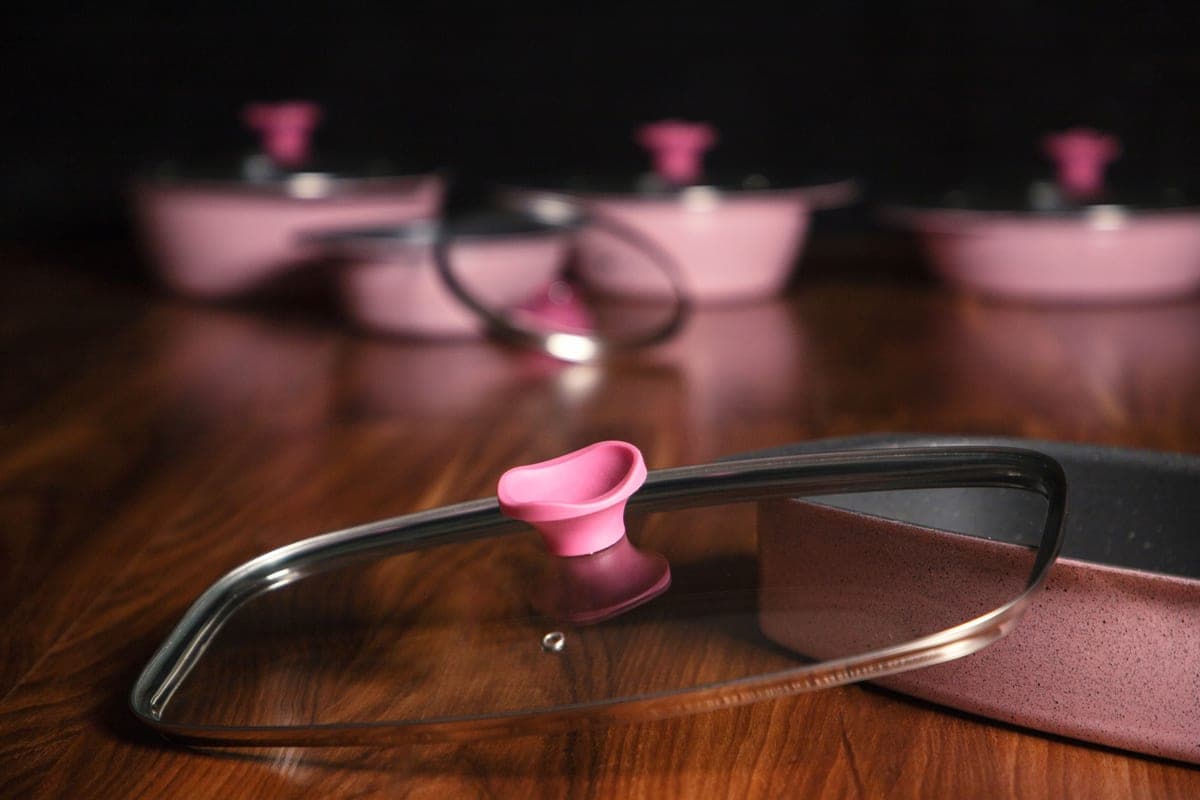
"Ceramic cookware" covers two unrelated products. The first is a metal pan — usually aluminum — with a sol-gel ceramic coating sprayed and cured onto its cooking surface. The second is cookware made of ceramic all the way through, with no metal and no coating at all. They have different prices, different cooking behavior and completely different failure modes, and almost every buying guide in this category mixes them.
The coated kind is what most people are buying. It is genuinely non-stick, genuinely PTFE-free, and genuinely a consumable with a one-to-three-year useful life. The solid kind lasts indefinitely unless you drop it, and is not really non-stick at all. Both are on this page, labeled.
Quick picks
| # | Product | Best for | Material | Price |
|---|---|---|---|---|
| 1 | Caraway Cookware SetCoated. The most clearly documented sol-gel ceramic set available. | Best coated set | Aluminum body | |
| 2 |  GreenPan Valencia ProCoated. 600F rating, hard-anodized body, longest history in the category. | Highest-rated coating | Hard-anodized aluminum body with the brand's diamond-reinforced ceramic coating | |
| 3 | 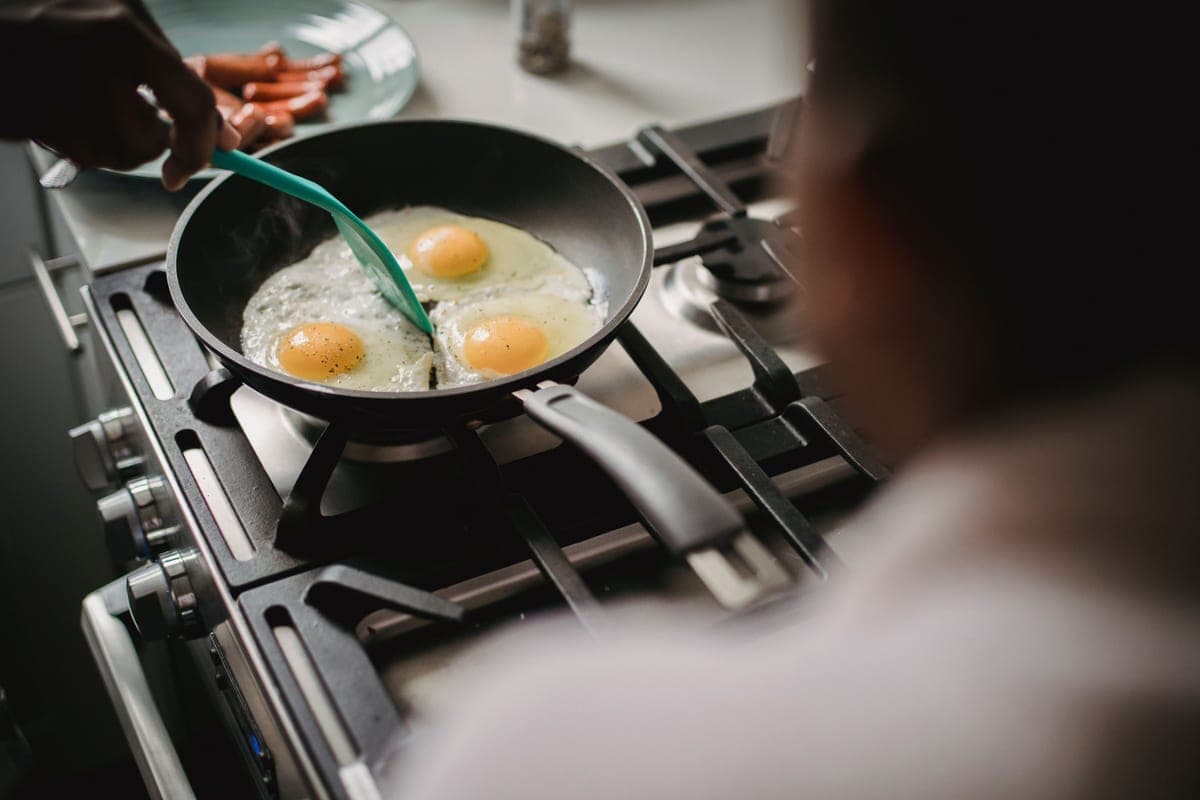 Xtrema Versa SkilletSolid, not coated. No metal, no coating, no wear-out. | Solid ceramic | 100% ceramic through-body (no metal core | |
| 4 | Our Place Always Pan 2.0Coated. One vessel designed to do several jobs in a small kitchen. | Coated, one-pan kitchens | Cast aluminum body with a ceramic non-stick coating | |
| 5 | 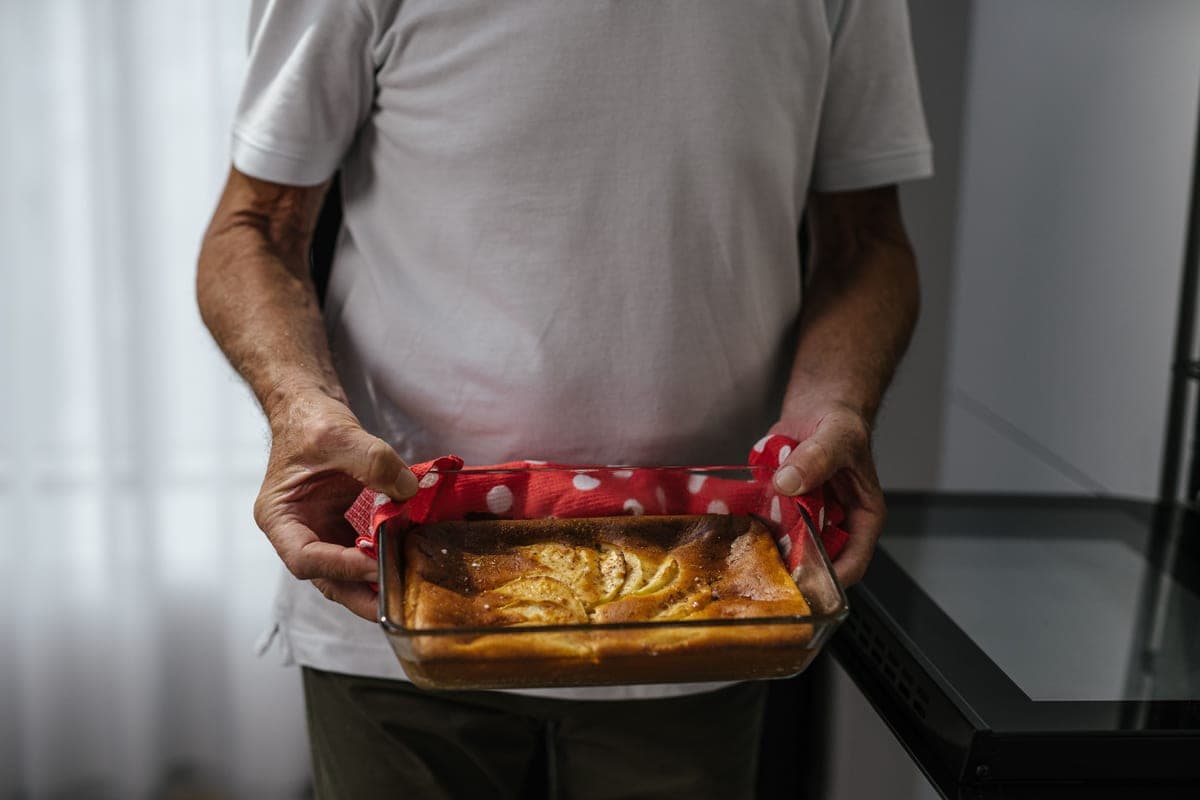 Emile Henry Stoneware BakerSolid glazed stoneware. Fired glaze, no non-stick layer, oven-rated high. | Solid ceramic for the oven | Burgundy clay stoneware with a fired glaze |
Tap a row to jump to that write-up. Prices are not shown on this site because they change — the button sends you to the live Amazon listing.
Coated versus solid, side by side
| Ceramic-coated | Solid ceramic | |
|---|---|---|
| What it is | Aluminum pan with a sol-gel ceramic layer | Ceramic through the whole body |
| Non-stick | Yes, immediately | No, not meaningfully |
| Lifespan | 1-3 years of good release | Indefinite unless broken |
| Failure mode | Coating loses release, goes matte | Cracks or shatters |
| Induction | Usually yes, via a steel base plate | No |
| Heat response | Fast | Slow in both directions |
| Metal contact | Aluminum body, stainless handles | None |
Why no brand publishes a coating lifespan
Because it would be the most prominent number on the box and it is not a flattering one. The absence is itself the information: in a category where every other spec is published to two decimal places, the silence on durability is deliberate.
Our working range is one to three years of regular use, and the variables that move you within it are entirely about heat and abrasion — never preheating empty, staying off high heat, no metal utensils, hand washing. A pan treated that way reaches the top of the range. A pan used as a searing pan does not reach the bottom of it.
What we ruled out
Sets described as "ceramic" with no coating type stated, which in the budget market often means a ceramic-look paint rather than a sol-gel coating. Solid ceramic cookware with no published information about the glaze — relevant because glaze is where lead historically entered ceramics, and FDA enforces leach limits on imported tableware for exactly that reason. And ceramic-coated pans rated below 400F, too low for ordinary oven finishing.
The picks in full
1. Best for Best coated set
Caraway Cookware Set
Coated. The most clearly documented sol-gel ceramic set available.
- Made of
- Aluminum body, sol-gel mineral ceramic coating, stainless steel handles and base plate
- Certified to
- Manufacturer claimManufacturer claim; no third-party certification published.
- Oven safe
- Manufacturer states 550F
- Coating type
- Ceramic (sol-gel), no PTFE
- Induction
- Yes, stainless base plate
Among coated sets this is the one with the best disclosure: aluminum body, sol-gel ceramic interior, stainless handles and base plate, 550F rating, and a stated program of third-party testing for over 600 forever chemicals which we report as the brand's own claim. Non-stick performance is immediate and the matched-set aesthetic is the actual reason most people buy it.
What you give up
Every piece is a consumable with a one-to-three-year non-stick life, and the price per year is correspondingly high. A testing claim is not a certificate.
Who it's for
Households that want a matching coated set and the most documentation in the category.
Who should skip it
Anyone who wants a permanent purchase.
2. Best for Highest-rated coating
GreenPan Valencia Pro
Coated. 600F rating, hard-anodized body, longest history in the category.
- Made of
- Hard-anodized aluminum body with the brand's diamond-reinforced ceramic coating
- Certified to
- Manufacturer claimManufacturer claim; no third-party certification published.
- Coating type
- Ceramic (Thermolon), no PTFE
- Oven safe
- Manufacturer states 600F
- Dishwasher
- Manufacturer states safe
GreenPan has been making ceramic-coated cookware longer than anyone currently selling into this market, and the Valencia Pro's 600F coating rating gives more margin against the thing that actually kills coated pans, which is overheating. The coating is Thermolon ceramic with no PTFE.
What you give up
Still a consumable. Hard-anodized aluminum wants hand washing regardless of what the dishwasher rating says.
Who it's for
Cooks who want ceramic non-stick with more thermal headroom.
Who should skip it
Anyone who sears regularly, where uncoated metal is the right tool.
3. Best for Solid ceramic
Xtrema Versa Skillet
Solid, not coated. No metal, no coating, no wear-out.
- Made of
- 100% ceramic through-body (no metal core, no surface coating)
- Certified to
- Manufacturer claimManufacturer claim; no third-party certification published.
- Construction
- Solid ceramic, not a coated metal pan
- Oven and broiler
- Manufacturer states oven, broiler and grill safe
- Induction
- No
This is the other product the word ceramic describes. It is ceramic through the entire body, so there is no coating to lose and no metal to leach — and consequently none of the one-to-three-year problem. For a shopper whose objection is specifically to coatings or to metal, this is the only genuine answer in the category.
What you give up
Slow to heat, slow to respond, not induction compatible, breakable, and not meaningfully non-stick despite the category name.
Who it's for
Low-and-slow cooking, oven-to-table, and specific metal avoidance.
Who should skip it
Induction, fast cooking, and anyone expecting release like a coated pan.
4. Best for Coated, one-pan kitchens
Our Place Always Pan 2.0
Coated. One vessel designed to do several jobs in a small kitchen.
- Made of
- Cast aluminum body with a ceramic non-stick coating, stainless steel handle
- Certified to
- Manufacturer claimManufacturer claim; no third-party certification published.
- Pieces replaced
- Marketed as replacing 8 pans
- Coating type
- Ceramic, no PTFE
- Oven safe
- Manufacturer states 450F
Rather than a set, this is a single ceramic-coated vessel built to replace several — sauté, steam, fry, braise — with a published construction and a stainless handle. For a small kitchen that is worth more than any coating spec difference.
What you give up
A 450F oven rating is the lowest here, and the shape compromises searing. Consumable coating as with all coated ceramic.
Who it's for
Small kitchens and simple cooking.
Who should skip it
High-heat cooking or oven work above 450F.
5. Best for Solid ceramic for the oven
Emile Henry Stoneware Baker
Solid glazed stoneware. Fired glaze, no non-stick layer, oven-rated high.
- Made of
- Burgundy clay stoneware with a fired glaze
- Certified to
- Manufacturer claimManufacturer claim; no third-party certification published.
- Material
- Glazed stoneware
- Oven safe
- Manufacturer states to 520F
- Coating
- Fired glaze, not a non-stick layer
Glazed stoneware is the oven-side member of the solid-ceramic family: clay body, fired glaze, rated to 520F by the maker, and nothing applied that can degrade. For roasting, gratins and baking it is the natural material, and it comes to the table looking like it belongs there.
What you give up
Not for stovetop use, heavy, and thermal shock will crack it — no cold liquid into a hot dish.
Who it's for
Oven cooking and oven-to-table serving.
Who should skip it
Stovetop cooking and anyone who wants one vessel for both.
How we chose, and what we did not do
Every product on this page was checked against its published material composition and its third-party certifications, with each claim labeled as certified, manufacturer-stated or independently tested by a named party. We do not run a lab and we do not claim to have used these products — the full method is here.
Questions people actually ask
Is ceramic cookware safer than nonstick?
A sol-gel ceramic coating contains no PTFE, which is the specific thing most shoppers are avoiding, so on that basis yes. It is not more durable — a well-treated fluoropolymer pan usually lasts longer — so it is a materials choice rather than an upgrade.
What is the difference between ceramic and ceramic-coated cookware?
Ceramic-coated is a metal pan, usually aluminum, with a thin sol-gel ceramic layer on the cooking surface. Solid ceramic is ceramic through the whole body with no coating and no metal. The first is non-stick and wears out; the second is not non-stick and does not.
How long will a ceramic cookware set last?
The pans last for years; the non-stick lasts one to three. Expect the set to remain usable long after it stops releasing eggs cleanly, at which point it is functionally a slightly awkward uncoated pan.
Is there lead in ceramic cookware?
Not in new US-market tableware and cookware meeting FDA limits, which are enforced through a leach test on imports. The genuine risk sits with handmade, imported and vintage glazed pieces that have been through no such test.
Sources
Read next
Kitchen & Cookware
Is ceramic cookware safe?
What a sol-gel ceramic coating is, how it fails, and the one-to-three-year lifespan nobody publishes.
Kitchen & Cookware
Best non-toxic nonstick pans, without a fluoropolymer
PTFE-free nonstick pans compared on heat rating, disclosure and realistic coating life.

Kitchen & Cookware
Ceramic vs stainless steel cookware: which is actually safer?
The category's central decision: a consumable coating against a measured trace metal transfer.
Kitchen & Cookware
Glass and stoneware: the inert options
Glass and glazed stoneware: inertness, thermal shock, and the lead question on handmade and vintage pieces.
Written by Selena H., owner of Glass & Cotton.