Kitchen & Cookware
Best non-toxic nonstick pans, without a fluoropolymer
Nonstick without PTFE exists, works immediately, and wears out. All three of those things are true and brands only ever tell you the first two.
Last reviewed October 13, 2026 — Selena H.

There is a real product category here and it does what it says: a sol-gel ceramic coating is a silicon-based mineral layer with no PTFE in it, and it releases eggs from the first use with no seasoning and no technique. If you want non-stick and you do not want a fluoropolymer, this is the category.
The thing no brand in it will put on the box is that the coating is a consumable. One to three years of regular use is the realistic range before the non-stick is noticeably worse, and nothing restores it. That is not a scandal and it is not a defect — it is the deal, and the pans below are ranked partly on how honestly each brand handles it.
Quick picks
| # | Product | Best for | Material | Price |
|---|---|---|---|---|
| 1 | GreenPan Valencia ProA diamond-reinforced ceramic coating rated to 600F, on hard-anodized aluminum. | The highest heat rating | Hard-anodized aluminum body with the brand's diamond-reinforced ceramic coating | |
| 2 | 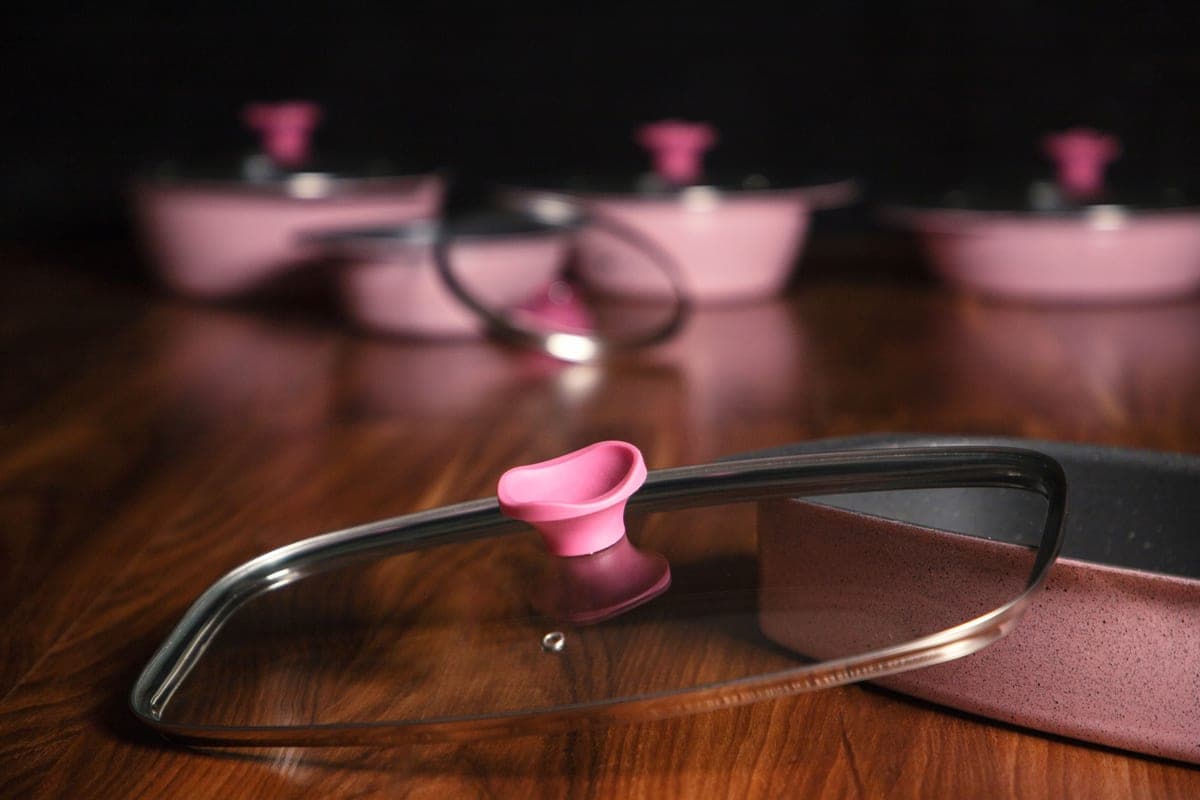 Caraway Cookware SetFull published stack plus a stated third-party testing program. | Best-documented coating | Aluminum body | |
| 3 | 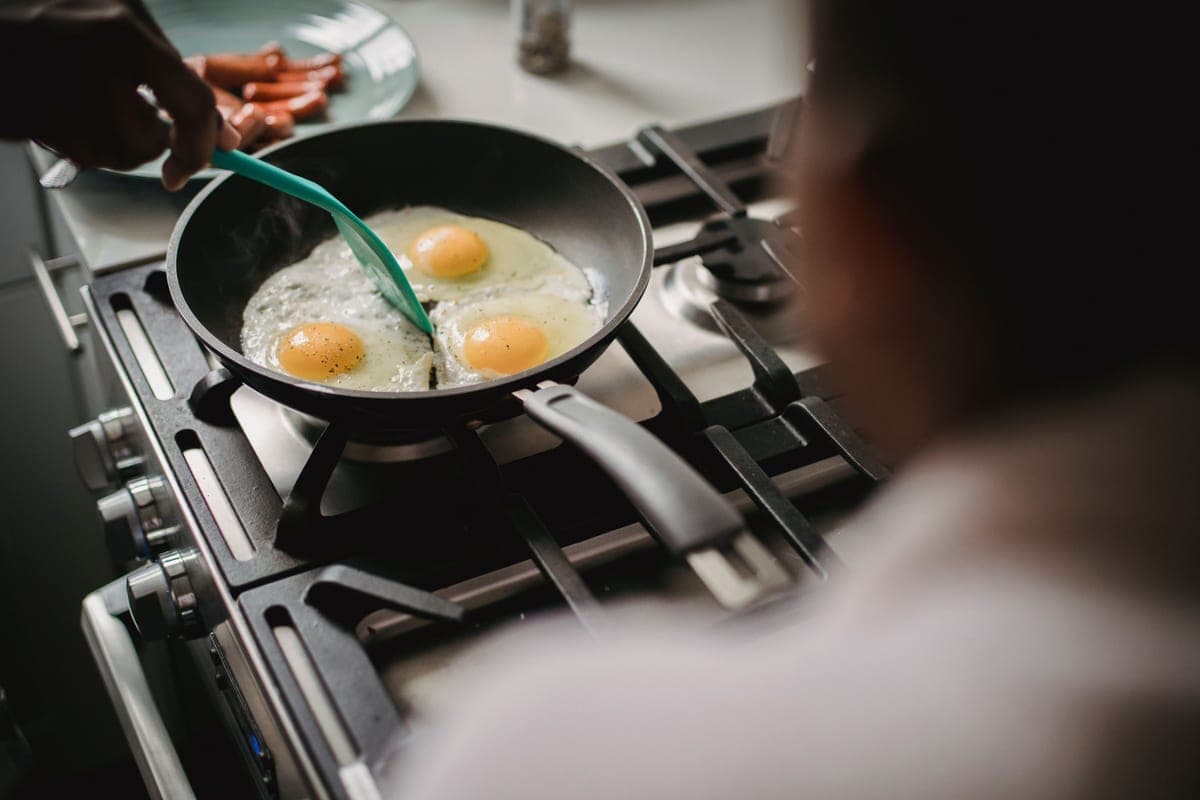 Our Place Always Pan 2.0Ceramic-coated cast aluminum designed to replace a shelf of vessels. | One pan doing several jobs | Cast aluminum body with a ceramic non-stick coating | |
| 4 | Carote Ceramic Nonstick SetCheap ceramic-style non-stick with thin disclosure. Honest about being a stopgap. | Shortest-term option | Cast or stamped aluminum with a ceramic-style non-stick coating | |
| 5 | 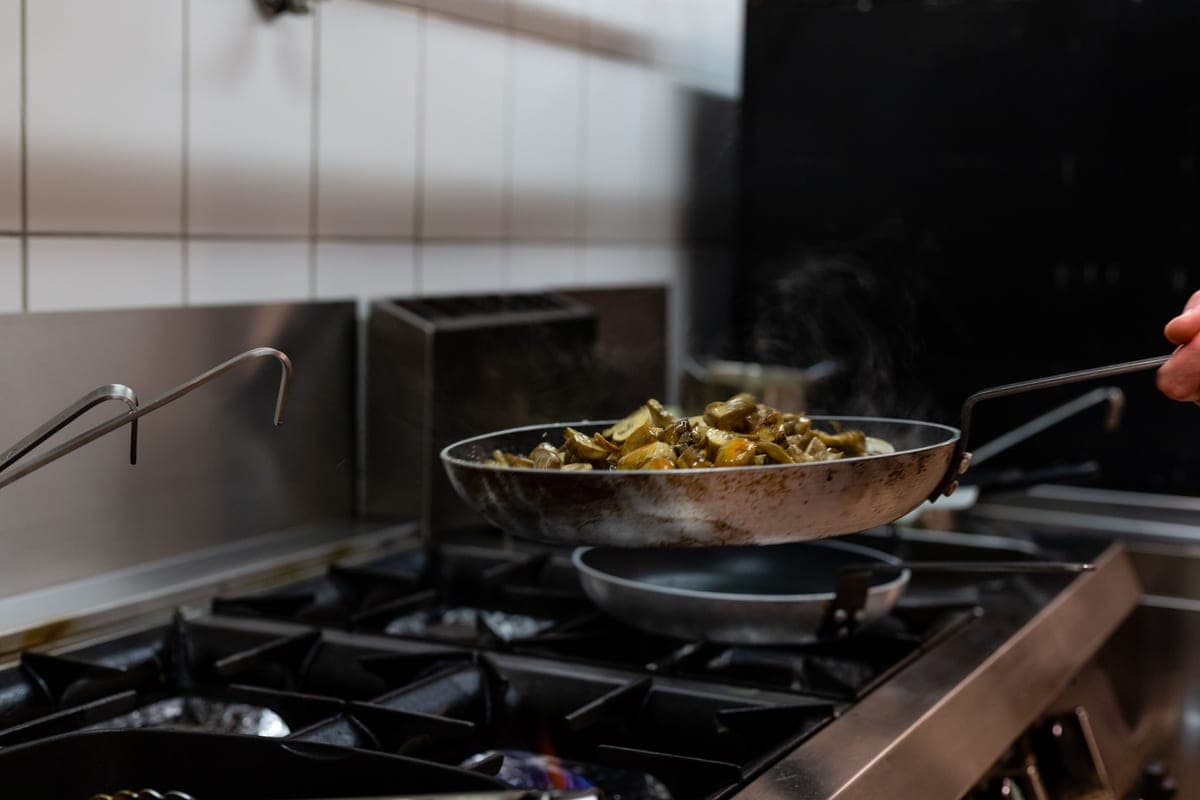 Lodge Carbon Steel SkilletThe alternative answer: build the release surface yourself, repair it forever. | Non-stick with no coating at all | Pressed carbon steel |
Tap a row to jump to that write-up. Prices are not shown on this site because they change — the button sends you to the live Amazon listing.
What sol-gel ceramic coating actually is
A sol-gel coating is applied as a liquid silicon-based solution and cured into a hard, glass-like mineral layer. It contains no PTFE and no fluoropolymer, which is the entire point of the category, and it is genuinely slippery when new.
Its failure mode is different from a fluoropolymer's. PTFE tends to scratch and flake visibly. Ceramic coatings tend to lose their slipperiness gradually and go slightly matte or chalky, with no dramatic moment — which is why people often describe them as "suddenly" not working after two years. Nothing restores it; polishing, re-oiling and the various internet remedies do not work, and we would rather tell you that than let you waste an afternoon.
How to double the life of any coated pan
- Never preheat it empty. Fat in the pan first, every time. This is the single biggest factor.
- Medium heat, not high. Coated pans are not searing pans, and treating one as a steak pan is how a two-year coating becomes a six-month coating.
- No metal utensils. Wood or platinum-cured silicone costs almost nothing.
- Hand wash. Dishwasher detergent is abrasive and alkaline; it dulls coatings faster than anything you will do with a sponge.
- Do not stack them unprotected. A pan stacked inside another pan grinds its own coating. A paper towel between them is free.
- Let it cool before washing. Thermal shock stresses the coating-to-metal bond.
What Reddit actually recommends
The forum consensus on this category is openly hostile: the position is that a pan with a two-year life is a bad purchase and that anyone who wants non-stick should learn carbon steel instead. The durability argument is correct, which is why carbon steel is on this page.
Where the forum answer fails is in assuming everyone has the time and inclination to maintain a seasoning layer. The actual alternative for many households is not carbon steel; it is keeping a scratched PTFE pan for another four years. Against that, a ceramic pan replaced on schedule is the better outcome, and pretending otherwise is advice that does not survive contact with a weekday morning.
What we ruled out
Hybrid pans whose non-stick is a PTFE layer between stainless ridges — a reasonable product in the wrong category for this page; see the HexClad review. Pans marketed as "ceramic" with no coating description at all, which in this market usually means a ceramic-look paint. And any pan rated under 400F, which is too low to survive normal oven finishing.
The picks in full
1. Best for The highest heat rating
GreenPan Valencia Pro
A diamond-reinforced ceramic coating rated to 600F, on hard-anodized aluminum.
- Made of
- Hard-anodized aluminum body with the brand's diamond-reinforced ceramic coating
- Certified to
- Manufacturer claimManufacturer claim; no third-party certification published.
- Coating type
- Ceramic (Thermolon), no PTFE
- Oven safe
- Manufacturer states 600F
- Dishwasher
- Manufacturer states safe
Heat tolerance is the number that most affects how long a coated pan survives in a real kitchen, and GreenPan rates this line higher than most of the category at 600F. The coating is its Thermolon ceramic with no PTFE, the body is hard-anodized aluminum, and the brand has been in this specific category longer than anyone else selling into it.
What you give up
It is still a one-to-three-year coating, and the higher rating buys margin rather than permanence. Hard-anodized aluminum also means hand washing to protect the finish, whatever the dishwasher rating says.
Who it's for
Cooks who want ceramic non-stick and sometimes run the pan hotter than they should.
Who should skip it
Anyone wanting a permanent pan, or anyone cooking at searing heat regularly.
2. Best for Best-documented coating
Caraway Cookware Set
Full published stack plus a stated third-party testing program.
- Made of
- Aluminum body, sol-gel mineral ceramic coating, stainless steel handles and base plate
- Certified to
- Manufacturer claimManufacturer claim; no third-party certification published.
- Oven safe
- Manufacturer states 550F
- Coating type
- Ceramic (sol-gel), no PTFE
- Induction
- Yes, stainless base plate
Caraway publishes more about its construction than anyone else in the coated category: aluminum body, sol-gel ceramic interior, stainless handles and base plate, 550F oven rating, and a statement that products are third-party tested for over 600 forever chemicals. We report that testing as the brand's own claim because no lab report is published, but the composition disclosure is genuinely the category's best.
What you give up
Consumable coating, premium price, and a testing claim is not a certificate you can look up.
Who it's for
Buyers who want a matched coated set and the most available documentation.
Who should skip it
Anyone needing a verifiable third-party certification.
3. Best for One pan doing several jobs
Our Place Always Pan 2.0
Ceramic-coated cast aluminum designed to replace a shelf of vessels.
- Made of
- Cast aluminum body with a ceramic non-stick coating, stainless steel handle
- Certified to
- Manufacturer claimManufacturer claim; no third-party certification published.
- Pieces replaced
- Marketed as replacing 8 pans
- Coating type
- Ceramic, no PTFE
- Oven safe
- Manufacturer states 450F
The Always Pan is a genuinely good answer for a small kitchen: sautéing, steaming, frying and braising in one ceramic-coated vessel with a published construction and a stainless handle. For households whose cooking is simple and whose storage is tight, replacing several pans with one is worth more than any marginal coating difference.
What you give up
A 450F oven rating, lower than the other two, and the same consumable coating. The shape that makes it versatile also makes it a mediocre searing pan.
Who it's for
Small kitchens, simple cooking, egg-heavy households.
Who should skip it
High-heat cooking and oven finishing above 450F.
4. Best for Shortest-term option
Carote Ceramic Nonstick Set
Cheap ceramic-style non-stick with thin disclosure. Honest about being a stopgap.
- Made of
- Cast or stamped aluminum with a ceramic-style non-stick coating
- Certified to
- Manufacturer claimManufacturer claim; no third-party certification published.
- Coating type
- Ceramic-style, brand states no PFOA or PTFE
- Price band
- Budget
- Published composition
- Limited detail published
If a coating is a consumable, paying less per cycle is a coherent strategy, and this is the budget end of the category executed competently. The brand states no PTFE or PFOA in the coating. For a rental, a first apartment or a two-year plan it does the job.
What you give up
Much less published detail about the coating and body than the premium brands, and a shorter expected life. We cannot tell you more than the brand does.
Who it's for
Deliberately short-horizon purchases.
Who should skip it
Anyone who wants documented composition before buying.
5. Best for Non-stick with no coating at all
Lodge Carbon Steel Skillet
The alternative answer: build the release surface yourself, repair it forever.
- Made of
- Pressed carbon steel, factory-seasoned with vegetable oil
- Certified to
- Manufacturer claimManufacturer claim; no third-party certification published.
- Coating
- None. Seasoning only
- Weight
- Lighter than cast iron at the same diameter
- Oven safe
- Yes
This is on the page as the honest alternative to the whole category. A well-seasoned carbon steel pan releases eggs, has no applied coating of any kind, and the release layer is repairable rather than consumable — if you damage it you re-season rather than re-buy. It costs less than any coated pan here and lasts indefinitely.
What you give up
Weeks of seasoning build-up before it behaves, ongoing upkeep, and it is not for acidic food. It will never release as effortlessly as a new ceramic pan on day one.
Who it's for
Anyone willing to trade convenience for permanence.
Who should skip it
People who want performance immediately and no maintenance.
How we chose, and what we did not do
Every product on this page was checked against its published material composition and its third-party certifications, with each claim labeled as certified, manufacturer-stated or independently tested by a named party. We do not run a lab and we do not claim to have used these products — the full method is here.
Questions people actually ask
Is ceramic nonstick actually non-toxic?
A sol-gel ceramic coating contains no PTFE and no fluoropolymer, which is what most shoppers mean by the question. Whether a specific product is free of all PFAS throughout its construction is a claim only the manufacturer or a lab can support, so we label those as manufacturer claims unless testing is published.
How long do ceramic nonstick pans last?
One to three years of regular use before the release is noticeably worse. Nothing restores it. Never preheating it empty and keeping it off high heat is what moves you to the top of that range.
Is ceramic nonstick better than Teflon?
It avoids the fluoropolymer, which is the reason to choose it. On pure non-stick performance and longevity a well-treated PTFE pan usually lasts longer. The choice is a materials preference, not a performance upgrade.
Can a worn ceramic coating be restored?
No. Seasoning it with oil, polishing it or using the various household remedies does not bring back a sol-gel coating's release. When it is gone the pan has reached the end of its life.
Sources
- GreenPan (manufacturer)
- Caraway Home (manufacturer)
- Our Place (manufacturer)
- US EPA — Our Current Understanding of the Human Health and Environmental Risks of PFAS — Regulator overview of PFAS persistence and health endpoints
- Science News — Sticky situation: nonstick surfaces can turn toxic at high heat
Read next
Kitchen & Cookware
Is ceramic cookware safe?
What a sol-gel ceramic coating is, how it fails, and the one-to-three-year lifespan nobody publishes.
Kitchen & Cookware
Best ceramic cookware sets, and the distinction brands blur
Ceramic sets compared, with the coated-versus-solid distinction made explicit and the real lifespan stated.

Kitchen & Cookware
PFAS-free cookware, with the terminology sorted out first
Cookware with no fluoropolymer anywhere, plus a plain explanation of why the PFAS-free label is unregulated.
Kitchen & Cookware
Is Teflon safe to cook with?
What the evidence actually says about PTFE: normal use, overheating, scratched pans, and birds.
Written by Selena H., owner of Glass & Cotton.