Kitchen & Cookware
Best non-toxic cooking utensils
This is the cheapest swap in the kitchen and the one with the most visible evidence that it was needed: a spatula with a melted edge.
Last reviewed October 13, 2026 — Selena H.
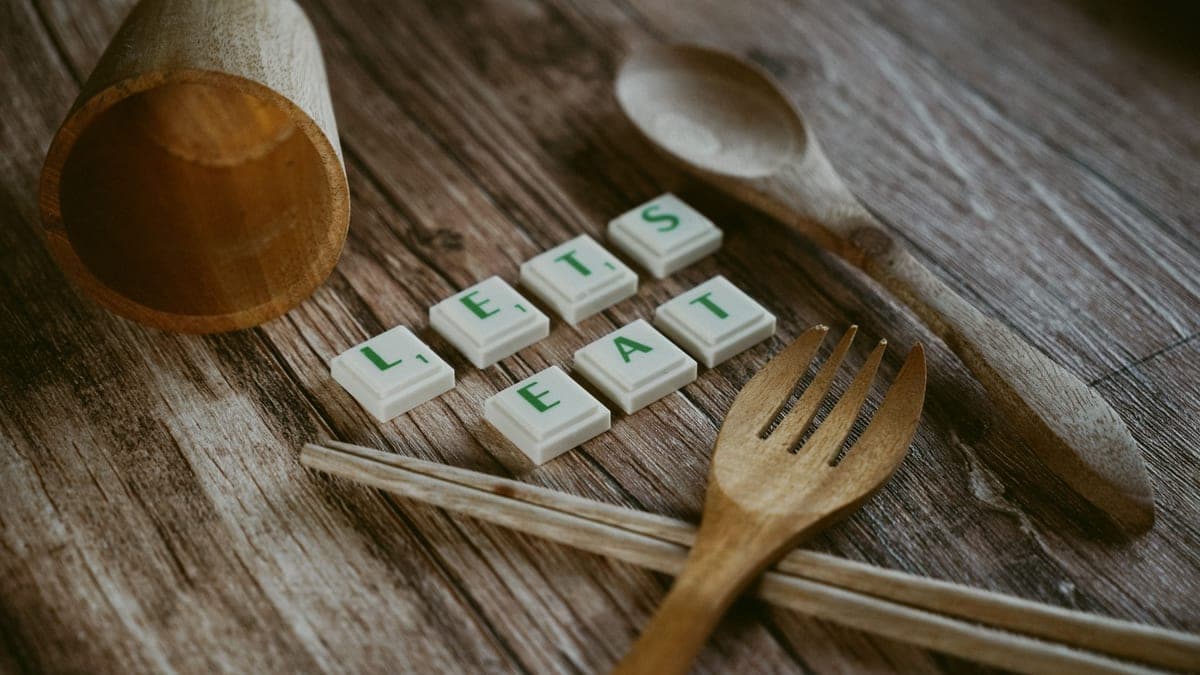
A nylon spatula with a shrunken, discolored edge is the clearest evidence of material transfer you will find in a home kitchen: that missing plastic went somewhere, and the somewhere was the pan. Utensils are also the cheapest thing on this site to replace, which makes this swap the best value-per-dollar in the house.
Three materials do the whole job. Hardwood is inert, kind to coated pans and needs hand washing. Stainless steel is a single declared material with no coating that will not deform at any hob temperature, and will scratch coated pans. Platinum-cured silicone tolerates high heat, is safe on coatings, and is the one where the curing process is worth asking about.
Quick picks
| # | Product | Best for | Material | Price |
|---|---|---|---|---|
| 1 | Hardwood Kitchen Utensil SetOne piece of hardwood with an oil finish. Nothing to melt, nothing to scratch. | Coated pans and everyday use | Single-piece hardwood | |
| 2 | Stainless Steel Utensil Set18/8 stainless, no coating, no upper temperature. Not for coated pans. | Uncoated cookware | 18/8 stainless steel | |
| 3 | GIR Silicone Spatula SetPlatinum-cured silicone over a steel core. Heat-tolerant and coating-safe. | High heat on coated pans | Platinum-cured silicone over a stainless core | |
| 4 | 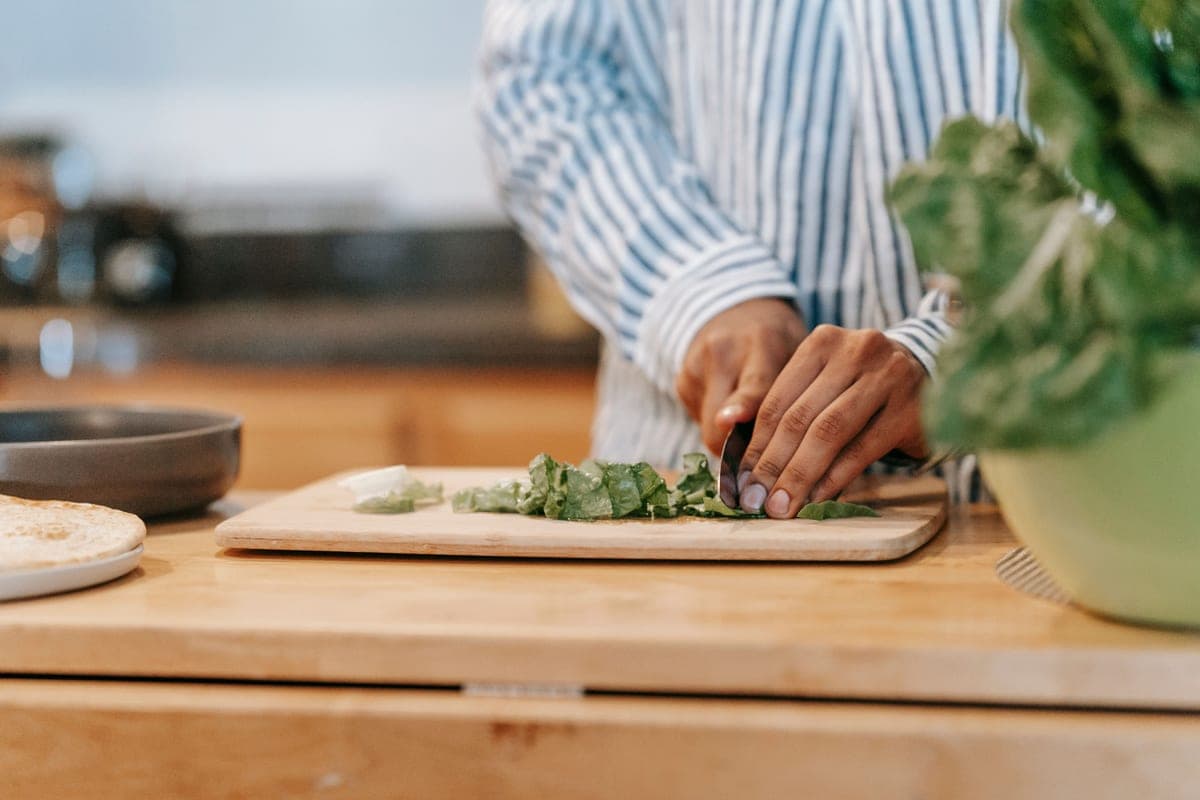 John Boos Maple Cutting BoardMaple, mineral oil and beeswax. The other wooden thing food spends time on. | The surface, not the tool | Edge-grain hard maple |
Tap a row to jump to that write-up. Prices are not shown on this site because they change — the button sends you to the live Amazon listing.
Which material for which pan
| Your pan | Use | Avoid |
|---|---|---|
| Ceramic-coated | Wood, platinum-cured silicone | Any metal |
| PTFE-coated | Wood, platinum-cured silicone | Any metal |
| Clad stainless | Stainless, wood, silicone | Nothing in particular |
| Cast iron | Stainless, wood | Nothing — metal is fine on seasoning |
| Carbon steel | Stainless, wood | Nothing |
| Solid ceramic | Wood, silicone | Metal, which can mark the glaze |
What to ask about silicone
The useful question is how it was cured. Platinum-cured silicone uses a platinum catalyst and leaves fewer residual byproducts than peroxide curing; brands that use it generally say so, because it costs more. "Food-grade silicone" on its own is marketing rather than specification.
The practical tests are simple: a quality silicone tool should not smell when heated, should not turn white when twisted, and should be rated with a specific temperature rather than "heat resistant". And any silicone tool that is torn or cut should be replaced, because the damage is where fragments come from.
What we ruled out
Nylon and other hard-plastic utensils, which are the specific thing this page exists to replace — melting at temperatures a hot pan reaches easily. Coated metal tools, where the coating is the same consumable problem as on a pan but with far more abrasion. Bamboo utensils made from laminated strips, where the adhesive is undisclosed and the joints delaminate. And silicone with no stated cure type or temperature rating.
The picks in full
1. Best for Coated pans and everyday use
Hardwood Kitchen Utensil Set
One piece of hardwood with an oil finish. Nothing to melt, nothing to scratch.
- Made of
- Single-piece hardwood, finished with food-grade oil
- Certified to
- Manufacturer claimManufacturer claim; no third-party certification published.
- Material
- Hardwood
- Coating
- Oil finish only
- Dishwasher
- No
Hardwood is the safest thing you can put in a pan: it cannot melt, it will not scratch a coating, it does not conduct heat into your hand, and the material story is one sentence long. A single-piece utensil with an oil finish has no glue joint to fail and no coating to wear off, and it costs very little.
What you give up
Hand wash and dry — a dishwasher will crack wooden tools in a season. Wood also needs occasional re-oiling and should be retired when it splits, because a split holds moisture.
Who it's for
Anyone with coated pans, and anyone who wants the simplest possible material.
Who should skip it
Dishwasher-only households.
2. Best for Uncoated cookware
Stainless Steel Utensil Set
18/8 stainless, no coating, no upper temperature. Not for coated pans.
- Made of
- 18/8 stainless steel, single material
- Certified to
- Manufacturer claimManufacturer claim; no third-party certification published.
- Material
- 18/8 stainless steel
- Coating
- None
- Note
- Will scratch coated pans
If your pans are stainless, cast iron or carbon steel, stainless utensils are the obvious match: a single declared alloy with nothing applied to it, no plasticizer, no melting point you can reach on a domestic hob, and dishwasher indifference. They also last forever.
What you give up
They will scratch any coated pan, immediately and permanently. Metal handles get hot, and thin stainless tools can be less comfortable than wood.
Who it's for
Kitchens with no coated pans.
Who should skip it
Anyone whose main pan is ceramic- or PTFE-coated.
3. Best for High heat on coated pans
GIR Silicone Spatula Set
Platinum-cured silicone over a steel core. Heat-tolerant and coating-safe.
- Made of
- Platinum-cured silicone over a stainless core
- Certified to
- Manufacturer claimManufacturer claim; no third-party certification published.
- Material
- Platinum-cured silicone, steel core
- Heat
- Manufacturer states 550F
- Note
- Safe on coated pans
Silicone is the one synthetic worth having in this drawer: it is safe on coatings, flexible enough to scrape a bowl properly, and rated to 550F by this maker — well above anything you will do in a pan with food in it. Platinum-cured silicone uses a platinum catalyst rather than a peroxide one, which leaves fewer residual byproducts, and a steel core stops the tool flexing uselessly under load.
What you give up
It is still a polymer, and a cut or torn silicone tool should be replaced rather than used. Cheap silicone utensils often do not say how they were cured, and 'food-grade silicone' alone does not tell you.
Who it's for
Coated pans, scraping bowls, and anyone who wants flexibility.
Who should skip it
People avoiding all polymers in contact with hot food.
4. Best for The surface, not the tool
John Boos Maple Cutting Board
Maple, mineral oil and beeswax. The other wooden thing food spends time on.
- Made of
- Edge-grain hard maple, finished with mineral oil and beeswax
- Certified to
- Manufacturer claimManufacturer claim; no third-party certification published.
- Material
- Hard maple
- Finish
- Mineral oil and beeswax, reapplied by you
- Dishwasher
- No
A cutting board belongs in this conversation because it is the kitchen surface food touches longest after the pan. Edge-grain hard maple finished with mineral oil and beeswax has a two-line material specification and, unlike plastic boards, it does not shed cut-off particles into your food as it ages.
What you give up
Hand wash only, never submerge, re-oil periodically, and do not put raw-meat juices on a board you will not scrub properly. Heavy.
Who it's for
Replacing a scored plastic cutting board.
Who should skip it
Anyone who wants to put the board in a dishwasher.
How we chose, and what we did not do
Every product on this page was checked against its published material composition and its third-party certifications, with each claim labeled as certified, manufacturer-stated or independently tested by a named party. We do not run a lab and we do not claim to have used these products — the full method is here.
Questions people actually ask
Is silicone safe for cooking?
Platinum-cured silicone with a stated temperature rating is the version to buy; it tolerates normal cooking heat well and is safe on coated pans. Avoid tools that do not state how they were cured or what temperature they are rated to, and replace any that are cut or torn.
Are wooden utensils hygienic?
Yes, when they are kept dry and intact. Wash by hand, dry promptly, re-oil occasionally, and retire any tool that has split, since a split traps moisture.
Can I use metal utensils on a nonstick pan?
You can, and it will shorten the pan's life substantially. Wood or silicone costs a few dollars and roughly doubles how long a coated pan stays useful.
Are plastic cutting boards worse than wood?
They shed material as they are scored, and that material goes into food. Hard maple or teak with an oil finish does not do this and is easy to maintain, which is why it is the better surface for the thing food spends most time on after the pan.
Sources
Read next
Kitchen & Cookware
Best non-toxic cutting boards
Maple, walnut, teak and composite boards compared on material, care and the plastic-shedding question.
Kitchen & Cookware
Is silicone safe for cooking?
Platinum versus peroxide-cured silicone, what temperature ratings mean, and when to retire a tool.

Kitchen & Cookware
Best non-toxic cookware of 2026 — certification-checked picks
The flagship roundup: six cookware options sorted by material, each with its published composition and certification position.

Kitchen & Cookware
Best budget non-toxic cookware
Uncoated cookware under $50, and the cost-per-year arithmetic that makes it cheaper than coated sets.
Written by Selena H., owner of Glass & Cotton.