Kitchen & Cookware
Best budget non-toxic cookware
The cheapest cookware with no coating costs less than the cheapest cookware with one. That is the whole argument on this page.
Last reviewed October 13, 2026 — Selena H.

A lower-tox kitchen is usually presented as expensive, and for mattresses and sheets that is true. For cookware it is backwards. The materials with no coating to wear out are also the cheapest materials in the category, and the premium end of this market is almost entirely coated cookware that you will replace in two or three years.
Everything on this page is uncoated or nearly so, has a published composition, and costs less than a mid-range ceramic frying pan. We have also done the cost-per-year arithmetic, because that is the number that actually settles it.
Quick picks
| # | Product | Best for | Material | Price |
|---|---|---|---|---|
| 1 | Lodge Cast Iron Skillet (10.25 in)Under thirty dollars, no coating, and it will outlive you. | The best value in cookware | Bare cast iron | |
| 2 | 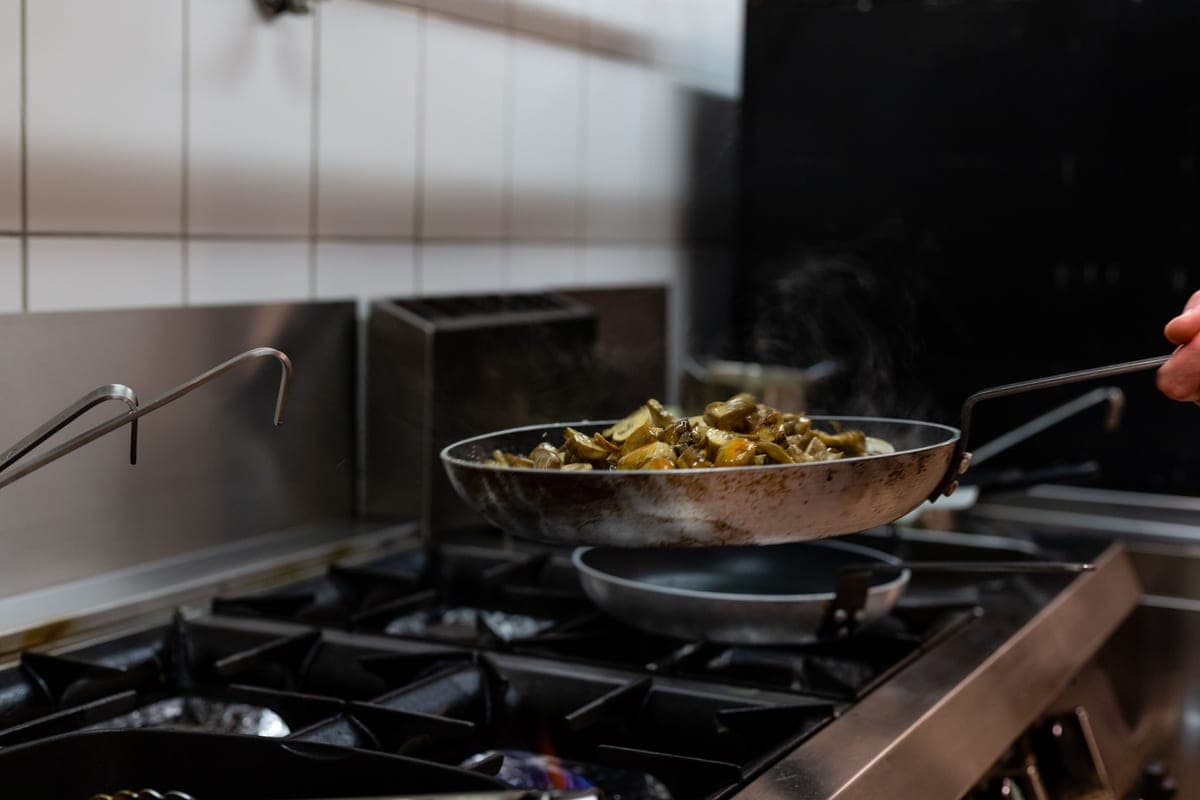 Lodge Carbon Steel SkilletSlightly more than cast iron, a third less weight, same no-coating story. | Budget everyday pan | Pressed carbon steel | |
| 3 |  Tramontina Tri-Ply Clad SetFull tri-ply clad construction at a fraction of the boutique price. | Budget clad stainless | 3-ply clad: 18/10 stainless interior | |
| 4 | 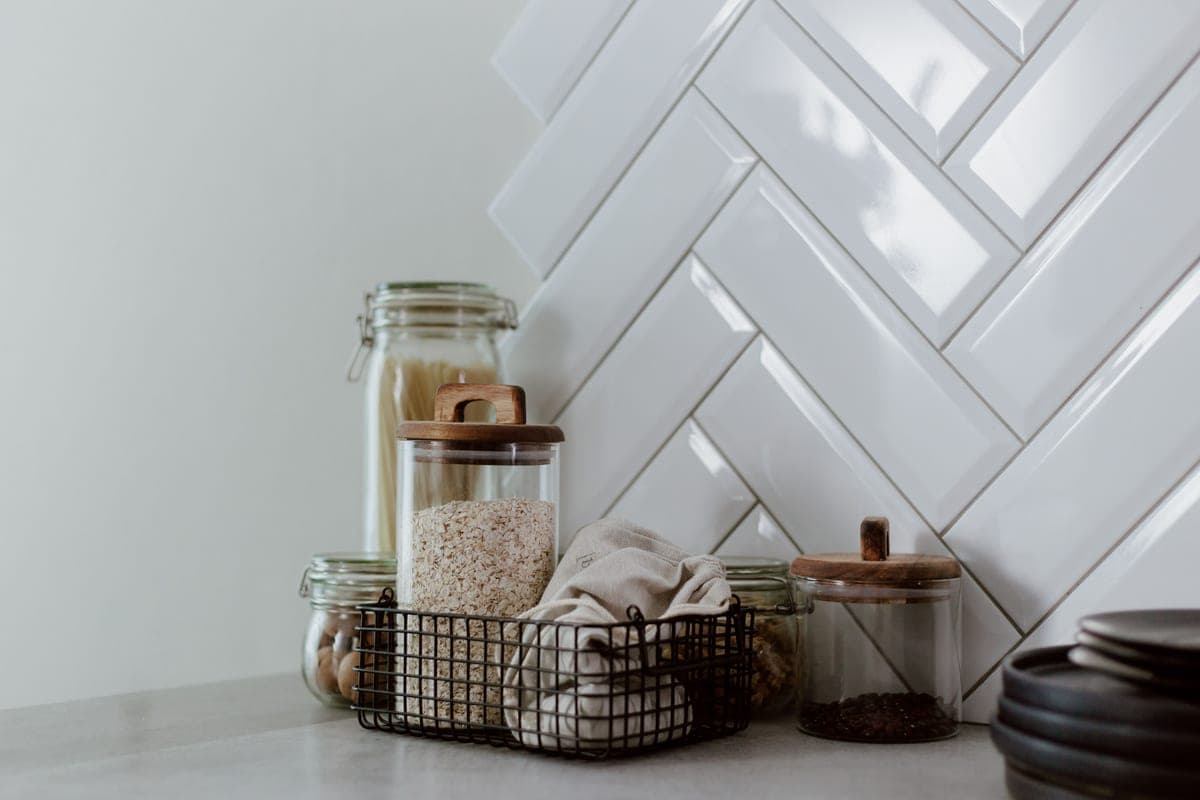 Ball Wide Mouth Mason JarsGlass food storage for about a dollar a jar. | Cheapest glass storage | Soda-lime glass with a two-piece steel lid (plastisol-lined) | |
| 5 |  Stainless Steel Utensil SetOne material, no coating, and nothing to melt into a hot pan. | Cheapest utensil swap | 18/8 stainless steel |
Tap a row to jump to that write-up. Prices are not shown on this site because they change — the button sends you to the live Amazon listing.
Cost per year, which is the number that matters
We are not publishing prices — they change daily and a stale number is worse than none — but the structure above does not change with price. Uncoated cookware is a one-time cost. Coated cookware is a subscription with an irregular billing cycle. Over ten years the uncoated kitchen is cheaper even when each individual item costs more, and on this page each individual item costs less too.
| Option | Service life | What drives the cost |
|---|---|---|
| Cast iron skillet | Decades. Effectively indefinite | One purchase, plus oil |
| Carbon steel skillet | Decades | One purchase, plus oil |
| Clad stainless | Decades | One purchase. Nothing consumable |
| Ceramic-coated pan | 1-3 years of good non-stick | Repeat purchases on a cycle |
| PTFE-coated pan | 2-5 years depending on care | Repeat purchases on a cycle |
The cheapest complete kitchen we would actually build
That is a functional kitchen with nothing in it that expires, for substantially less than a single premium coated set. The thing it cannot do is cook an egg with no fat on day one, which is the honest trade.
- A cast iron or carbon steel skillet. Searing, eggs once seasoned, roasting, baking.
- One stainless saucepan. Grains, sauces, boiling, blanching. A single pan rather than a set.
- A stockpot or a large stainless pot, secondhand if possible — there is nothing in a pot to wear out, which makes used uncoated cookware a genuinely good buy.
- A case of mason jars for storage.
- A stainless utensil set, plus one wooden spoon.
- A glass baking dish. Pyrex or similar; one dish covers roasting and baking.
Where we would not economize
Two places. Water filtration, where the difference between a filter with a certified lead-reduction claim and one without is the entire function of the product — see the filter picks. And anything for an infant, where the measured microplastics evidence on heated polypropylene is specific enough to justify spending on glass or stainless feeding gear.
Everywhere else, cheap and uncoated beats expensive and coated.
The picks in full
1. Best for The best value in cookware
Lodge Cast Iron Skillet (10.25 in)
Under thirty dollars, no coating, and it will outlive you.
- Made of
- Bare cast iron, factory-seasoned with vegetable oil
- Certified to
- Manufacturer claimManufacturer claim; no third-party certification published.
- Coating
- None. Polymerized oil seasoning only
- Oven safe
- Manufacturer states oven, grill and campfire safe
- Induction
- Yes
There is no other object in a kitchen with this ratio of price to service life. Cast iron has no coating to degrade, works on every cooktop, goes in any oven, and the release surface is oil you polymerized onto the iron — repairable indefinitely with heat and more oil. Cost per year, assuming a merely reasonable fifty-year life, is under a dollar.
What you give up
Weight, a few minutes of upkeep a week, and no long acidic cooking. The factory seasoning also needs building up before it behaves well.
Who it's for
Anyone leaving coated cookware with very little money to spend.
Who should skip it
People with iron-overload conditions, and anyone who cannot lift it comfortably.
2. Best for Budget everyday pan
Lodge Carbon Steel Skillet
Slightly more than cast iron, a third less weight, same no-coating story.
- Made of
- Pressed carbon steel, factory-seasoned with vegetable oil
- Certified to
- Manufacturer claimManufacturer claim; no third-party certification published.
- Coating
- None. Seasoning only
- Weight
- Lighter than cast iron at the same diameter
- Oven safe
- Yes
Carbon steel costs a little more than cast iron and solves its main complaint. It seasons the same way, has no synthetic surface, and responds to the heat dial in seconds, which makes it the better general-purpose pan for most cooking. Still well under fifty dollars.
What you give up
Holds less heat than cast iron, so searing a thick steak is slightly worse. Same seasoning maintenance.
Who it's for
A single do-most-things pan on a budget.
Who should skip it
Acidic cooking and dishwasher households.
3. Best for Budget clad stainless
Tramontina Tri-Ply Clad Set
Full tri-ply clad construction at a fraction of the boutique price.
- Made of
- 3-ply clad: 18/10 stainless interior, aluminum core, magnetic stainless exterior
- Certified to
- Manufacturer claimManufacturer claim; no third-party certification published.
- Construction
- 3-ply clad
- Cooking surface
- 18/10 stainless steel
- Coating
- None
Clad stainless is the material most people actually want for general cooking, and the only reason it has a reputation for being expensive is brand positioning. This set has the construction that matters — a full aluminum core between stainless layers — with an uncoated 18/10 cooking surface and no consumable parts.
What you give up
Handle comfort, lid material and finish quality are all a step down from premium sets. The cooking is not.
Who it's for
Setting up a kitchen cheaply with nothing that expires.
Who should skip it
Anyone wanting non-stick, or premium handle ergonomics.
4. Best for Cheapest glass storage
Ball Wide Mouth Mason Jars
Glass food storage for about a dollar a jar.
- Made of
- Soda-lime glass with a two-piece steel lid (plastisol-lined)
- Certified to
- Manufacturer claimManufacturer claim; no third-party certification published.
- Food contact
- Glass, plus the lid liner at the rim
- Cost per liter
- Lowest of any glass option
- Note
- Metal lids rust if left wet
Replacing plastic storage is usually quoted at the price of a boutique glass set, and it does not have to be. Wide-mouth mason jars are glass with a steel lid, cost roughly a dollar each in a case, stack, freeze and go in the dishwasher. For dry goods and leftovers they do everything a twelve-piece glass set does.
What you give up
They are not rectangular, so they waste fridge space, and the two-piece metal lids rust if stored wet. Not microwave-friendly with the lid on.
Who it's for
Anyone replacing plastic storage for the price of a pizza.
Who should skip it
People who need stackable rectangular containers for packed lunches.
5. Best for Cheapest utensil swap
Stainless Steel Utensil Set
One material, no coating, and nothing to melt into a hot pan.
- Made of
- 18/8 stainless steel, single material
- Certified to
- Manufacturer claimManufacturer claim; no third-party certification published.
- Material
- 18/8 stainless steel
- Coating
- None
- Note
- Will scratch coated pans
Melted nylon in the pan is the most visible material transfer that happens in a home kitchen, and it is avoidable for about fifteen dollars. An 18/8 stainless utensil set is a single declared material with no coating and no plasticizer, and it will not deform at any temperature your hob reaches.
What you give up
Stainless will scratch coated pans, so if you own a ceramic or PTFE pan you need wood or silicone for that one.
Who it's for
Anyone still cooking with melted-edged plastic spatulas.
Who should skip it
Households whose main pan is coated.
How we chose, and what we did not do
Every product on this page was checked against its published material composition and its third-party certifications, with each claim labeled as certified, manufacturer-stated or independently tested by a named party. We do not run a lab and we do not claim to have used these products — the full method is here.
Questions people actually ask
What is the cheapest non-toxic cookware?
A bare cast iron skillet, typically under thirty dollars, with no coating to degrade and an effectively indefinite service life. Carbon steel is a close second and about a third lighter.
Is cheap stainless steel cookware safe?
Yes. The relevant quality difference between budget and premium stainless is construction — a full clad aluminum core versus a welded disc base — which affects heat evenness, not safety. The cooking surface is 18/10 or 304 stainless in both cases.
Is secondhand cookware a good idea?
For uncoated cookware, yes — there is nothing in cast iron, carbon steel or clad stainless to wear out, and rust or lost seasoning is fixable. For coated cookware, no: you cannot assess how much coating life is left or how hot it has been run.
Do I need to replace everything at once?
No, and doing so is the most expensive possible approach. Replace any pan with a scratched or flaking coating now, then replace the pan you use daily, then stop and reassess.
Sources
- Kamerud, Hobbie and Anderson (2013), Stainless Steel Leaches Nickel and Chromium into Foods During Cooking, Journal of Agricultural and Food Chemistry
- Li et al. (2020), Microplastic release from the degradation of polypropylene feeding bottles during infant formula preparation, Nature Food — Trinity College Dublin record
- Lodge Cast Iron (manufacturer)
- Brita — lead reduction and NSF/ANSI 53 certification for the Elite filter
Read next

Kitchen & Cookware
Best non-toxic cookware of 2026 — certification-checked picks
The flagship roundup: six cookware options sorted by material, each with its published composition and certification position.
Kitchen & Cookware
Best non-toxic food storage
Glass, silicone and stainless storage compared, with the cheapest route out of plastic.
Kitchen & Cookware
Cast iron cookware, bare and enameled
Bare versus enameled cast iron: iron transfer, acidic cooking limits, seasoning chemistry and who should avoid it.
Kitchen & Cookware
Best non-toxic cooking utensils
Wood, stainless and platinum-cured silicone utensils compared — the cheapest meaningful kitchen swap.
Written by Selena H., owner of Glass & Cotton.