Kitchen & Cookware
Best non-toxic cutting boards
Every knife stroke on a plastic board removes material. That material does not vanish; it goes into what you are cutting.
Last reviewed October 13, 2026 — Selena H.
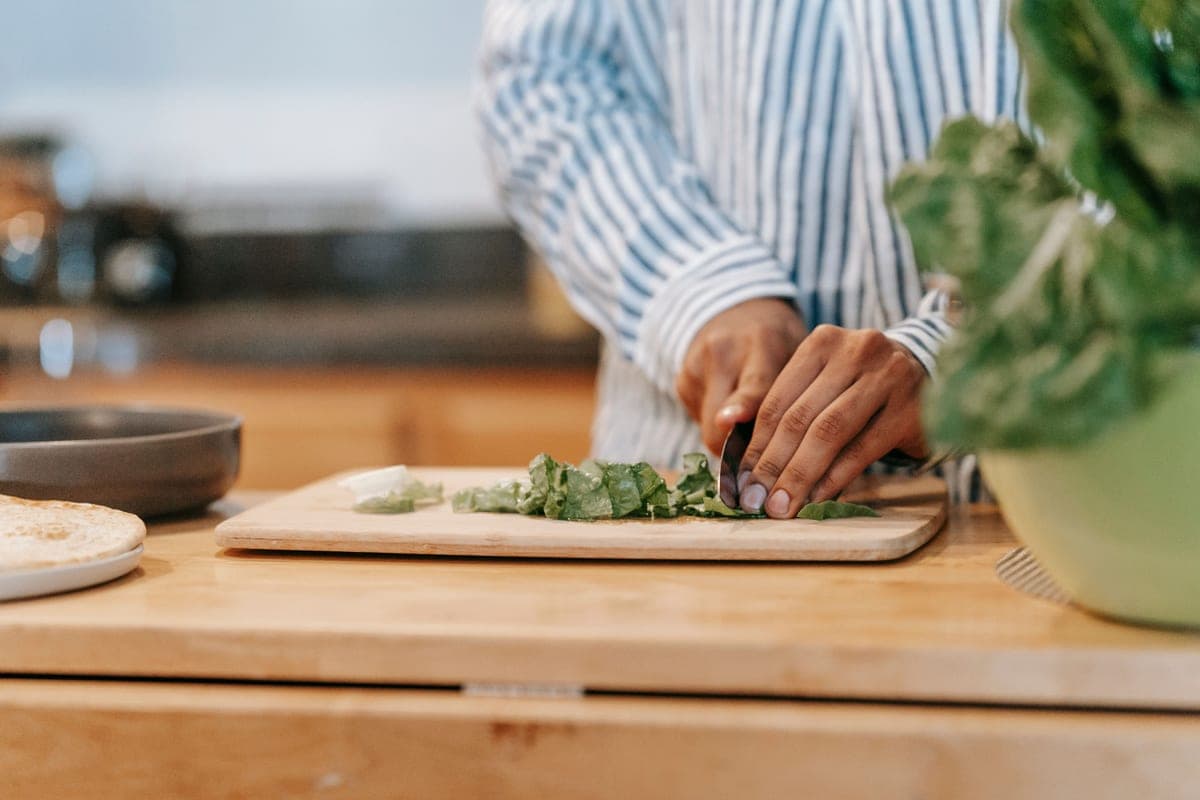
A cutting board is the kitchen surface food spends the most time on after the pan, and the only one you deliberately cut into. On a plastic board every stroke removes a small amount of polymer, which is why an old plastic board is visibly scored and lighter than a new one — and the missing material left with the food.
Wood does not behave this way: a knife separates fibers that largely close again, and the surface is renewable by sanding and re-oiling. The old objection to wood was hygiene, and it has not held up well — the practical rules are the same for both materials, and wood's one genuine requirement is that you keep it dry.
Quick picks
| # | Product | Best for | Material | Price |
|---|---|---|---|---|
| 1 | John Boos Maple Cutting BoardEdge-grain hard maple with an oil and beeswax finish. Decades of service. | The board to buy once | Edge-grain hard maple | |
| 2 | Teakhaus Teak Cutting BoardTeak's natural oil content means less re-oiling and better water tolerance. | Least maintenance in wood | FSC-certified teak | |
| 3 | Virginia Boys Kitchens Walnut BoardAmerican black walnut, oil-finished. The gentlest hardwood on a blade. | Softest on knife edges | American black walnut | |
| 4 | Epicurean Kitchen Series Cutting BoardCompressed paper composite. The one board here you can put in a dishwasher. | Dishwasher households | Compressed paper composite with a food-safe resin binder |
Tap a row to jump to that write-up. Prices are not shown on this site because they change — the button sends you to the live Amazon listing.
The hygiene question, settled practically
The argument that plastic is more hygienic rested on it being non-porous and dishwasher-safe. In practice a deeply scored plastic board holds bacteria in its cuts as readily as wood does, and the scoring is cumulative and permanent.
The rules that actually matter are the same for both: a separate board for raw meat, or a thorough wash with hot water and soap between raw meat and anything eaten raw; dry the board rather than leaving it wet; and retire any board — wood or plastic — whose surface has deep grooves you cannot clean. Wood boards can be sanded and re-oiled, which is a genuine advantage.
Caring for a wooden board
- Wash with hot soapy water and a cloth. Do not submerge it and never put it in a dishwasher.
- Dry it standing on edge, so both faces dry evenly. A board dried flat on one face warps.
- Oil it when it looks dry — food-grade mineral oil, a generous coat, left overnight, wiped off. Every month or two is plenty.
- Sand out deep scoring with fine paper when it bothers you, then re-oil. This is the step that makes a wooden board a 30-year object.
- Do not use olive or vegetable oil. They go rancid. Mineral oil or a beeswax and mineral oil blend.
What we ruled out
Plastic boards, which are the thing this page exists to replace. Glass boards, which are hygienic and destroy knife edges almost immediately. Bamboo boards made from laminated strips, where the adhesive is undisclosed and the joints delaminate with water exposure. And end-grain butcher blocks for general use — they are excellent and genuinely self-healing, but at three times the price and considerable weight they are a specialist purchase rather than a first board.
The picks in full
1. Best for The board to buy once
John Boos Maple Cutting Board
Edge-grain hard maple with an oil and beeswax finish. Decades of service.
- Made of
- Edge-grain hard maple, finished with mineral oil and beeswax
- Certified to
- Manufacturer claimManufacturer claim; no third-party certification published.
- Material
- Hard maple
- Finish
- Mineral oil and beeswax, reapplied by you
- Dishwasher
- No
Hard maple is dense enough to resist deep knife marks and soft enough to be kind to an edge, and edge-grain construction is the most durable practical format. The finish is mineral oil and beeswax, which you reapply — so the surface is renewable rather than consumable. These boards routinely last decades and can be sanded flat when they finally wear.
What you give up
Hand wash only, never submerge, re-oil every month or two, and do not let it sit wet. It is heavy and expensive, and it will warp if you ignore all of the above.
Who it's for
Anyone replacing a scored plastic board with something permanent.
Who should skip it
Dishwasher-only households, and anyone who leaves washing-up overnight.
2. Best for Least maintenance in wood
Teakhaus Teak Cutting Board
Teak's natural oil content means less re-oiling and better water tolerance.
- Made of
- FSC-certified teak, edge grain
- Certified to
- Manufacturer claimManufacturer claim; no third-party certification published.
- Material
- Teak
- Oil content
- Naturally high, needs less re-oiling
- Dishwasher
- No
Teak contains far more natural oil than maple, which makes it more water-tolerant and much more forgiving if you forget to re-oil for a few months. It is the wood boats are made of, for that reason. Kind to knife edges and easier to live with than maple for anyone who will not keep up a maintenance routine.
What you give up
Still hand wash only. Teak's silica content dulls knives slightly faster than maple, and sourcing matters — look for FSC-certified stock.
Who it's for
People who want wood without a maintenance schedule.
Who should skip it
Dishwasher households, and knife obsessives.
3. Best for Softest on knife edges
Virginia Boys Kitchens Walnut Board
American black walnut, oil-finished. The gentlest hardwood on a blade.
- Made of
- American black walnut, finished with mineral oil
- Certified to
- Manufacturer claimManufacturer claim; no third-party certification published.
- Material
- Black walnut
- Finish
- Mineral oil
- Dishwasher
- No
Walnut is slightly softer than maple, which makes it the kindest common hardwood to a knife edge while still being hard enough to resist deep scoring. Finished with mineral oil only, so the material list is wood and oil, and the dark grain hides the marks that bother people about lighter boards.
What you give up
Softer means it marks more visibly over time, and it needs the same oiling routine as maple. Hand wash only.
Who it's for
Anyone with good knives who wants to keep them sharp.
Who should skip it
People who want a board that still looks new in five years.
4. Best for Dishwasher households
Epicurean Kitchen Series Cutting Board
Compressed paper composite. The one board here you can put in a dishwasher.
- Made of
- Compressed paper composite with a food-safe resin binder
- Certified to
- Manufacturer claimManufacturer claim; no third-party certification published.
- Material
- Paper composite
- Dishwasher
- Yes, unlike wood
- Note
- Resin binder composition is the brand's own disclosure
This is the honest answer for households that will not hand wash a board, which is a real constraint rather than laziness. It is compressed paper in a food-safe resin binder, thin, light, dishwasher-safe and heat-tolerant, and it does not shed the way a plastic board does under a knife.
What you give up
The resin binder's composition is the brand's own disclosure, so this is a manufacturer-claim product rather than a one-material one. It is also hard on knife edges and cannot be sanded and renewed like wood.
Who it's for
Anyone who wants a board that goes in the dishwasher.
Who should skip it
Knife care, and anyone who wants a single-material surface.
How we chose, and what we did not do
Every product on this page was checked against its published material composition and its third-party certifications, with each claim labeled as certified, manufacturer-stated or independently tested by a named party. We do not run a lab and we do not claim to have used these products — the full method is here.
Questions people actually ask
Are wood cutting boards more hygienic than plastic?
They are at least as hygienic in practice, and they have one real advantage: a scored wooden board can be sanded and re-oiled, while a scored plastic board can only be thrown away. The rules that matter — separate raw-meat handling, thorough washing, prompt drying — are identical for both.
Does plastic from a cutting board get into food?
A knife removes material from a plastic board with every stroke, which is why old boards are visibly scored. That material leaves with the food. A wooden board separates fibers that largely close again, and the surface can be renewed.
What oil should I use on a wooden cutting board?
Food-grade mineral oil, or a mineral oil and beeswax blend. Avoid olive, vegetable and nut oils — they oxidize and go rancid in the wood.
Can any cutting board go in the dishwasher?
Wood boards cannot — the heat and prolonged water exposure will warp and crack them. Paper-composite boards are the exception and are made for it, which is their main advantage.
Sources
- US FDA — Authorized Uses of PFAS in Food Contact Applications
- US EPA — Our Current Understanding of the Human Health and Environmental Risks of PFAS — Regulator overview of PFAS persistence and health endpoints
Read next

Kitchen & Cookware
Best non-toxic cooking utensils
Wood, stainless and platinum-cured silicone utensils compared — the cheapest meaningful kitchen swap.
Kitchen & Cookware
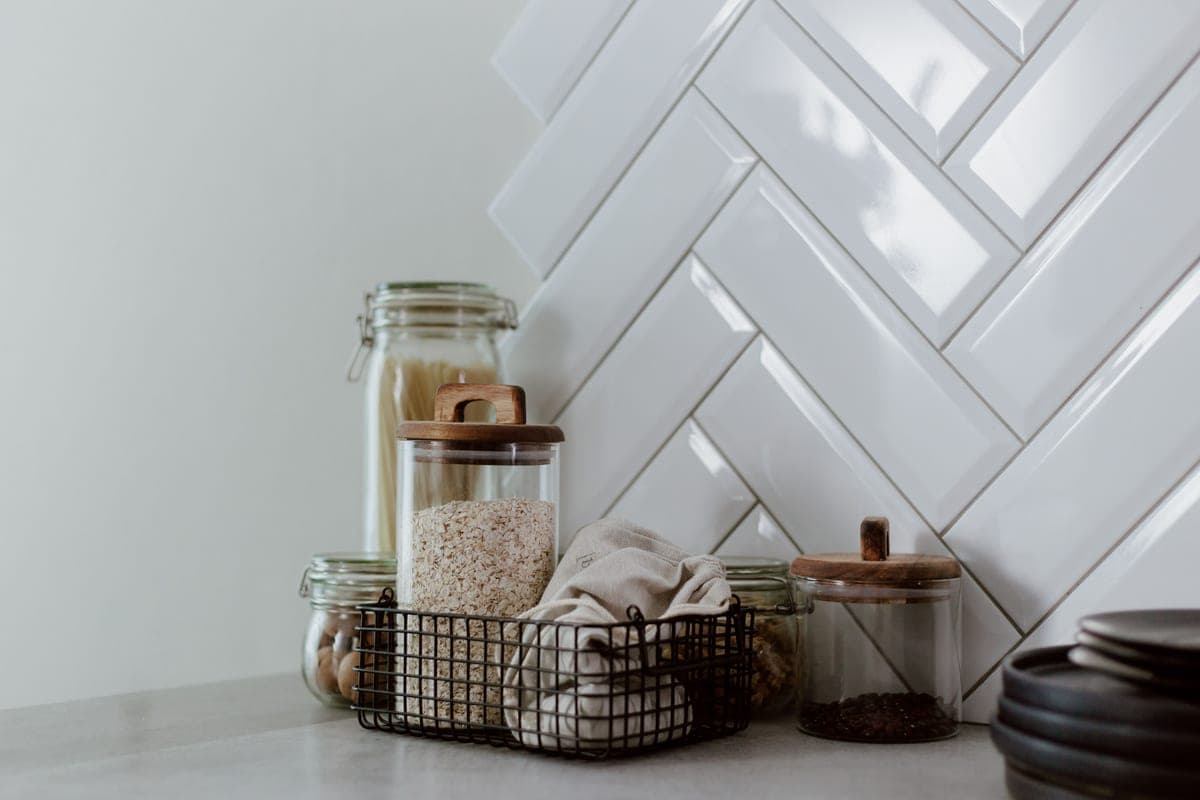
Best non-toxic food storage
Glass, silicone and stainless storage compared, with the cheapest route out of plastic.
Kitchen & Cookware
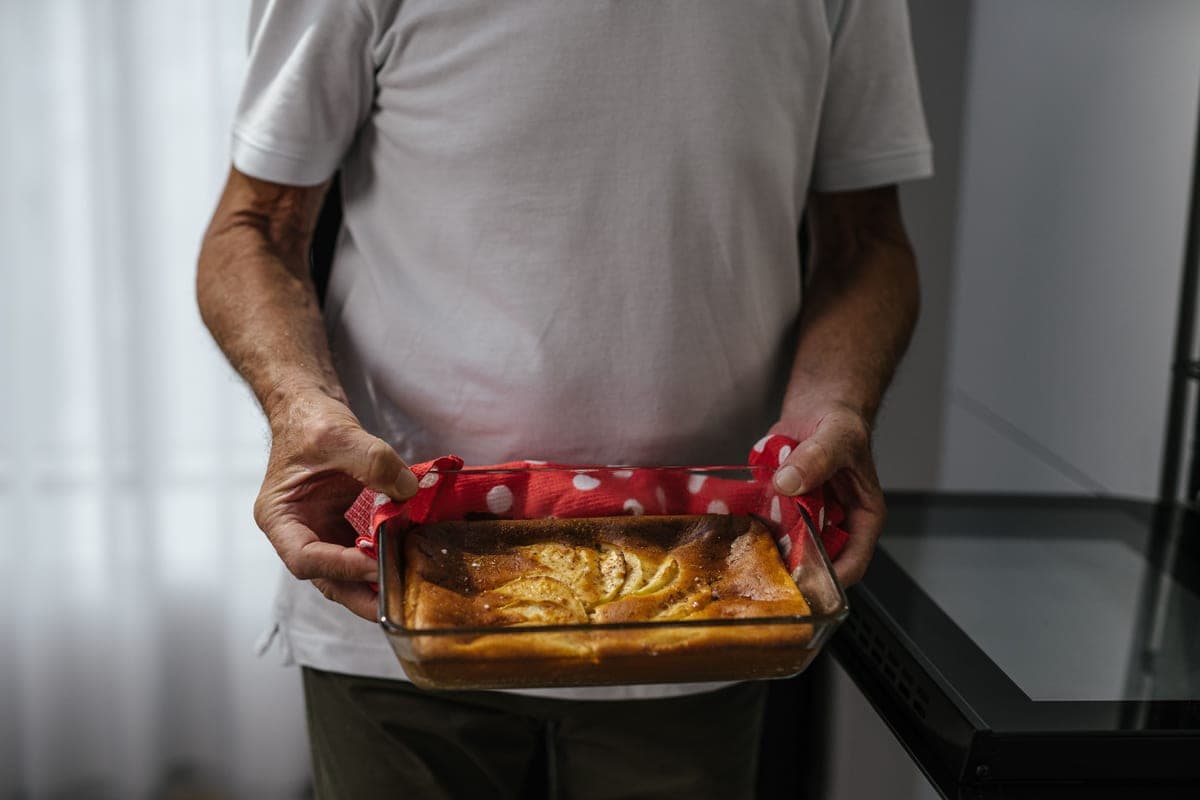
Best non-toxic bakeware
Glass, stoneware, bare aluminum and cast iron bakeware — the category where uncoated is also the better product.

Kitchen & Cookware
The six kitchen swaps worth making first
Six kitchen swaps in evidence-based priority order, from a scratched pan to the water you cook with.
Written by Selena H., owner of Glass & Cotton.