Kitchen & Cookware
Best non-toxic cookware for induction cooktops
Induction adds one hard requirement — a magnetic base — and that single constraint removes several otherwise-good materials.
Last reviewed October 13, 2026 — Selena H.

Induction works by inducing a current in the pan itself, which means the pan has to be ferromagnetic. That is not a preference, it is physics, and it removes solid ceramic, plain aluminum, copper and glass from consideration entirely — several of which are otherwise excellent lower-tox materials.
What is left is still a good list. Cast iron and carbon steel are ideal. Enameled cast iron is ideal. Clad stainless works when the exterior layer is magnetic steel, which on a quality set it is. Coated aluminum pans work when the maker has bonded a steel plate to the base. The test takes two seconds: if a fridge magnet sticks firmly to the bottom, it works.
Quick picks
| # | Product | Best for | Material | Price |
|---|---|---|---|---|
| 1 | Lodge Cast Iron Skillet (10.25 in)Solid iron is the most efficient thing you can put on an induction hob. | Induction, perfectly | Bare cast iron | |
| 2 |  Made In Stainless Clad SetClad stainless with a magnetic exterior layer. No coating, full compatibility. | Induction sets | 5-ply stainless clad: 304 stainless cooking surface | |
| 3 | 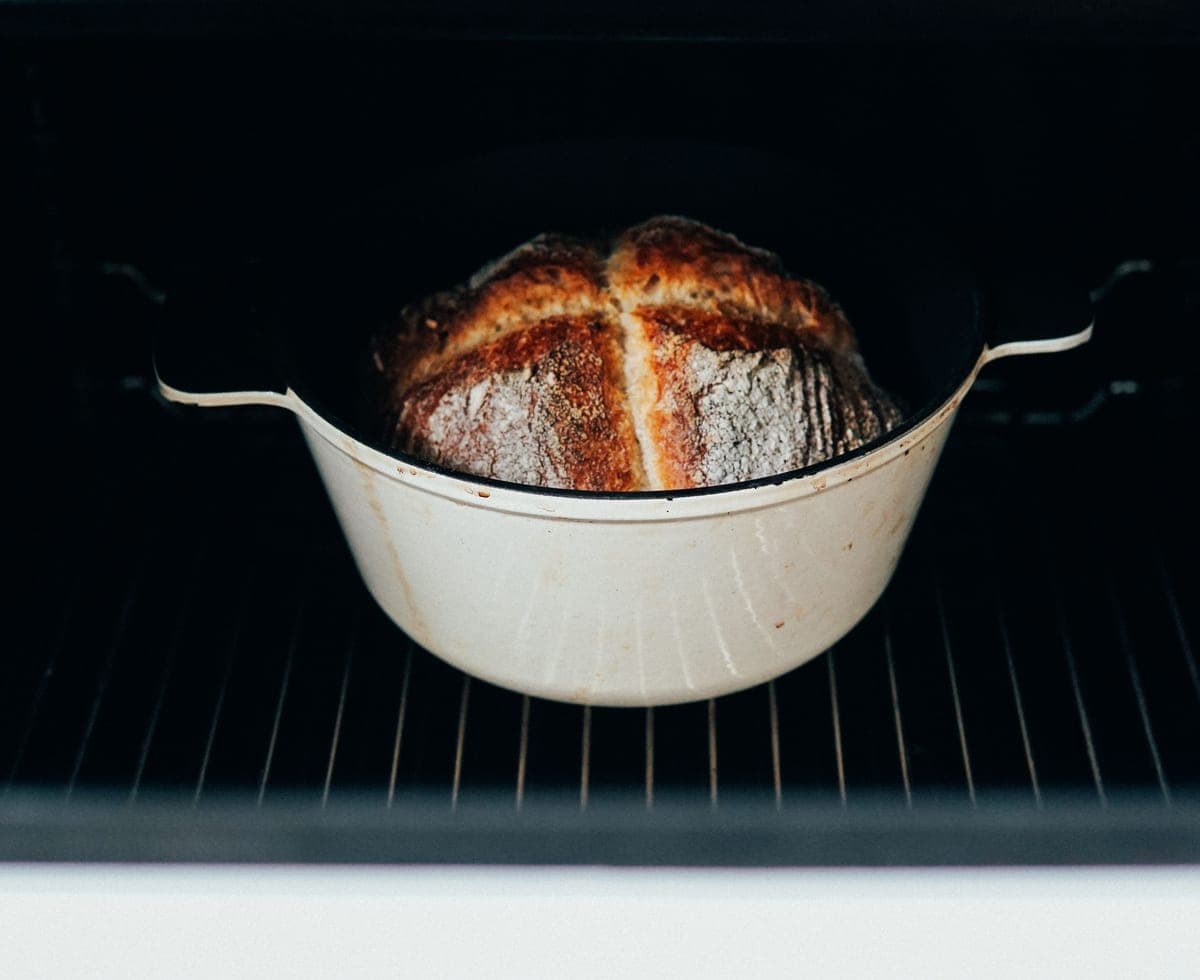 Le Creuset Enameled Dutch OvenIron core, so fully compatible, with an inert enamel surface for acidic cooking. | Induction braising | Cast iron core with a fired vitreous enamel interior and exterior | |
| 4 | 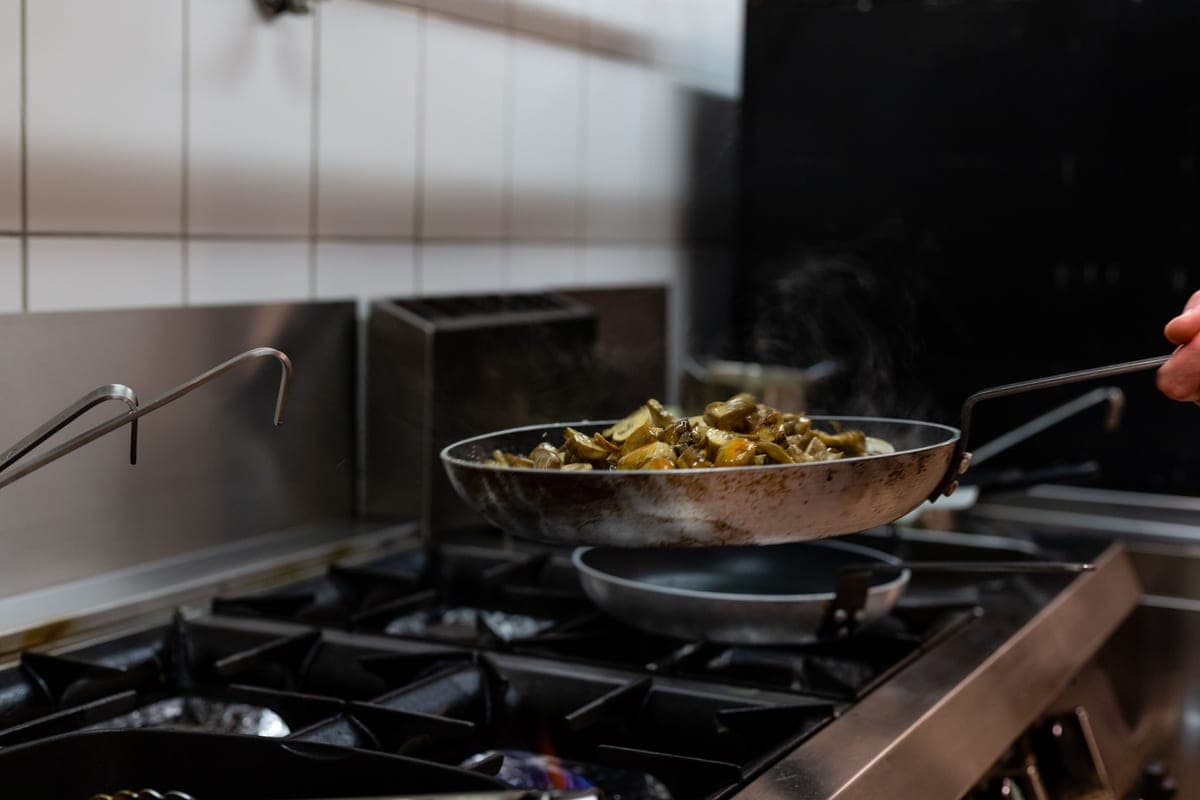 Lodge Carbon Steel SkilletMagnetic, thin and fast. Induction's instant control with no coating. | Responsive induction cooking | Pressed carbon steel | |
| 5 | 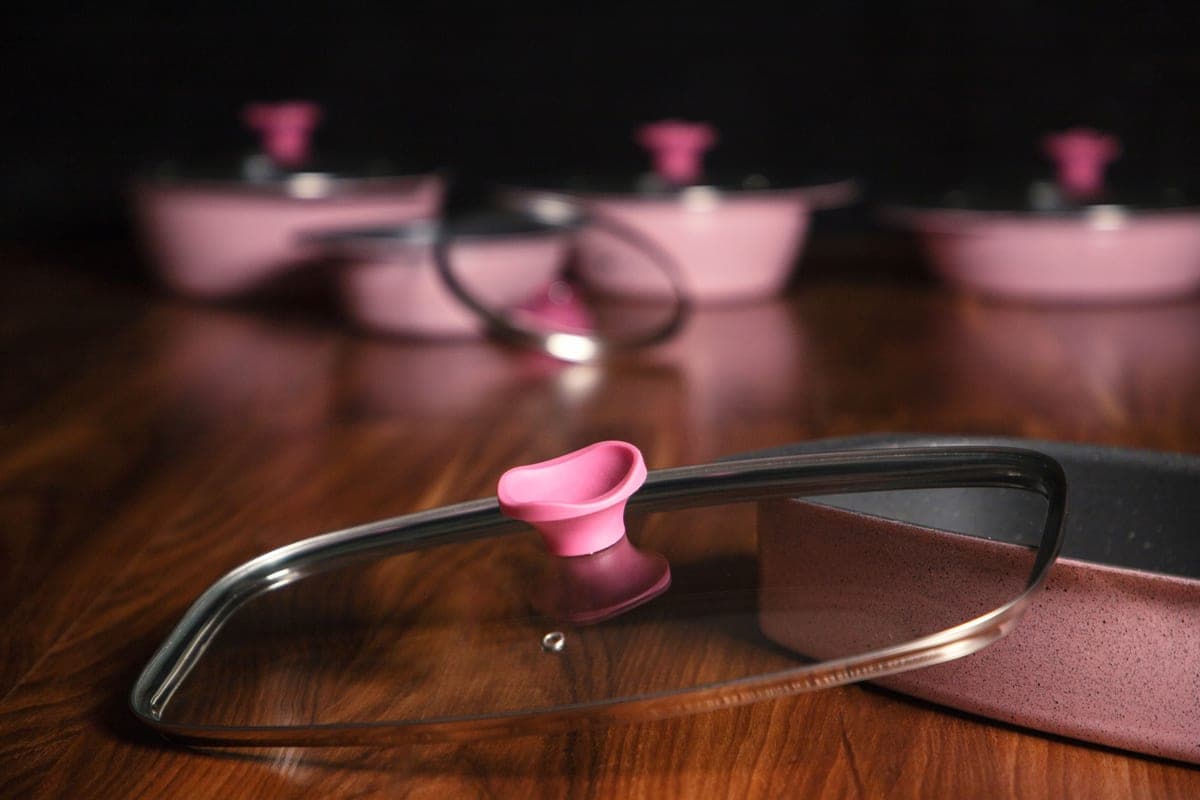 Caraway Cookware SetCeramic-coated aluminum with a stainless base plate for induction compatibility. | Induction non-stick | Aluminum body |
Tap a row to jump to that write-up. Prices are not shown on this site because they change — the button sends you to the live Amazon listing.
The magnet test, and what fails it
Put a fridge magnet on the base. If it grabs firmly, the pan works. If it holds weakly, it may work poorly — expect buzzing and uneven heating. Interface discs that let non-magnetic pans work on induction exist and are a bad idea: they waste most of the efficiency advantage and reintroduce the hot-spotting that induction avoids.
| Material | Works on induction? | Why |
|---|---|---|
| Cast iron | Yes, ideally | Ferromagnetic throughout |
| Carbon steel | Yes, ideally | Ferromagnetic throughout |
| Enameled cast iron | Yes | Iron core under the enamel |
| Clad stainless | Usually | Depends on a magnetic exterior layer — test it |
| Coated aluminum | Only with a bonded steel base plate | Aluminum alone does not couple |
| Solid ceramic | No | Not ferromagnetic. No workaround worth using |
| Glass and stoneware | No | Not ferromagnetic |
| Copper | No | Not ferromagnetic |
Induction habits worth knowing
- Lift, never slide. Induction tops are glass, and cast iron will scratch them.
- Match pan diameter to the hob ring. A pan smaller than the coil wastes power; much larger leaves cold edges.
- Flat bases only. A warped base loses contact and buzzes audibly.
- It gets hot faster than you expect. The empty-pan overheating rule that protects coated pans matters more here, not less.
- Thin pans can show the coil ring. More aluminum in the construction is the fix, which is the argument for full clad over a bonded plate.
What we ruled out
Solid ceramic cookware, which this site otherwise likes and which simply does not work here — if you have induction and want solid ceramic, it has to be oven cooking. Interface discs, for the reasons above. And coated pans with no stated base construction, since compatibility depends entirely on a plate the manufacturer may or may not have bonded on.
The picks in full
1. Best for Induction, perfectly
Lodge Cast Iron Skillet (10.25 in)
Solid iron is the most efficient thing you can put on an induction hob.
- Made of
- Bare cast iron, factory-seasoned with vegetable oil
- Certified to
- Manufacturer claimManufacturer claim; no third-party certification published.
- Coating
- None. Polymerized oil seasoning only
- Oven safe
- Manufacturer states oven, grill and campfire safe
- Induction
- Yes
Cast iron couples to an induction field better than anything else in a domestic kitchen, which means it heats fast and wastes almost nothing. It also has no coating to degrade and costs less than any other pick here. The flat, heavy base sits dead flat on a glass cooktop, which is exactly what induction wants.
What you give up
Weight is a real issue on a glass cooktop — drag it and you can scratch the surface; lift it. Plus the usual maintenance and no long acidic cooks.
Who it's for
Induction users who want the most efficient, cheapest, longest-lasting pan available.
Who should skip it
Anyone who cannot lift a heavy pan carefully onto glass.
2. Best for Induction sets
Made In Stainless Clad Set
Clad stainless with a magnetic exterior layer. No coating, full compatibility.
- Made of
- 5-ply stainless clad: 304 stainless cooking surface, aluminum core layers
- Certified to
- Manufacturer claimManufacturer claim; no third-party certification published.
- Construction
- 5-ply clad
- Cooking surface
- 304 stainless steel
- Coating
- None
A good clad set is designed with a magnetic stainless exterior precisely so it works on induction, and the aluminum core inside still does the heat spreading. Nothing in the box has a coating, which means nothing in it expires, and every piece works on every cooktop you might own next.
What you give up
Price, and uncoated stainless technique for eggs. Induction's fast response also makes it easier to scorch a sauce before you have learned the dial.
Who it's for
A permanent induction kitchen.
Who should skip it
Budget buyers, and non-stick expectations.
3. Best for Induction braising
Le Creuset Enameled Dutch Oven
Iron core, so fully compatible, with an inert enamel surface for acidic cooking.
- Made of
- Cast iron core with a fired vitreous enamel interior and exterior
- Certified to
- Manufacturer claimManufacturer claim; no third-party certification published.
- Interior
- Sand-colored vitreous enamel
- Seasoning needed
- No
- Induction
- Yes
Enameled cast iron is magnetic by virtue of the iron underneath and inert by virtue of the enamel on top, which makes it the induction answer for anything involving tomato, wine or vinegar. Induction's precise low-end control is genuinely better than gas for a long braise that must not boil.
What you give up
Weight on glass, chip risk, and price. Never slide it.
Who it's for
Braises and stews on induction.
Who should skip it
High-heat searing and small storage spaces.
4. Best for Responsive induction cooking
Lodge Carbon Steel Skillet
Magnetic, thin and fast. Induction's instant control with no coating.
- Made of
- Pressed carbon steel, factory-seasoned with vegetable oil
- Certified to
- Manufacturer claimManufacturer claim; no third-party certification published.
- Coating
- None. Seasoning only
- Weight
- Lighter than cast iron at the same diameter
- Oven safe
- Yes
Pairing induction's near-instant power changes with a thin magnetic pan is the most responsive cooking setup available in a domestic kitchen — more so than gas, because the heat stops when the field stops. Carbon steel has no coating and seasons like cast iron at two-thirds the weight.
What you give up
Thin pans can develop a hot ring matching the induction coil until seasoned and used; and the usual maintenance.
Who it's for
Stir-frying, searing and anything needing immediate heat changes.
Who should skip it
Acidic cooking, dishwashers, no-maintenance households.
5. Best for Induction non-stick
Caraway Cookware Set
Ceramic-coated aluminum with a stainless base plate for induction compatibility.
- Made of
- Aluminum body, sol-gel mineral ceramic coating, stainless steel handles and base plate
- Certified to
- Manufacturer claimManufacturer claim; no third-party certification published.
- Oven safe
- Manufacturer states 550F
- Coating type
- Ceramic (sol-gel), no PTFE
- Induction
- Yes, stainless base plate
Coated aluminum pans are not inherently magnetic, so compatibility comes from a stainless plate bonded to the base — which Caraway publishes as part of its construction, alongside the aluminum body and sol-gel ceramic interior. It gives you PTFE-free non-stick on an induction hob.
What you give up
The usual one-to-three-year coating life, and bonded-plate designs heat slightly less evenly than full clad on induction because the coil's ring shape has less aluminum to spread through.
Who it's for
Eggs and fish on induction without a fluoropolymer.
Who should skip it
Anyone wanting a permanent purchase.
How we chose, and what we did not do
Every product on this page was checked against its published material composition and its third-party certifications, with each claim labeled as certified, manufacturer-stated or independently tested by a named party. We do not run a lab and we do not claim to have used these products — the full method is here.
Questions people actually ask
How do I know if cookware works on induction?
Hold a fridge magnet against the base. A firm grab means it will work; a weak hold means poor performance. Cast iron, carbon steel and enameled cast iron always work, and clad stainless usually does.
Does ceramic cookware work on induction?
Solid ceramic does not — it is not ferromagnetic. Ceramic-coated aluminum pans do, but only when the maker has bonded a stainless base plate on, which good brands publish as part of the construction.
Is induction better for coated pans?
It is more controllable, which helps, but it also heats a pan faster than a gas or electric hob, so the rule about never preheating a coated pan empty matters even more.
Will cast iron scratch an induction cooktop?
Yes, if you slide it. Lift pans on and off rather than dragging them, and check the base for casting burrs on a new piece.
Sources
Read next
Kitchen & Cookware
Best non-toxic cookware for a gas stove
Cookware chosen for how it behaves on a gas flame: high heat, hot spots, and flame licking the sides.
Kitchen & Cookware
Best non-toxic cookware for electric and glass-top stoves
Cookware for electric coil and glass-top stoves: flat bases, thermal mass, and the scratch question answered.
Kitchen & Cookware
Best stainless steel cookware sets
Clad stainless sets compared on ply construction and steel grade, with the nickel leaching evidence stated plainly.
Kitchen & Cookware
Cast iron cookware, bare and enameled
Bare versus enameled cast iron: iron transfer, acidic cooking limits, seasoning chemistry and who should avoid it.
Written by Selena H., owner of Glass & Cotton.