Kitchen & Cookware
Best non-toxic cookware for electric and glass-top stoves
Electric heat is slow to change, so the pan has to do the regulating. Flat, heavy and heat-retaining wins.
Last reviewed October 13, 2026 — Selena H.

An electric element changes temperature slowly. Turn it down and it stays hot for a minute or more, which means the pan rather than the dial has to absorb your timing errors. That favors materials with thermal mass and penalizes thin ones, and it is the opposite of what gas rewards.
Glass-top stoves add a second constraint: the base has to be genuinely flat to make contact, and the surface scratches. That makes this the one cooktop where cast iron needs a caveat rather than a recommendation.
Quick picks
| # | Product | Best for | Material | Price |
|---|---|---|---|---|
| 1 | Made In Stainless Clad SetFlat clad base, no coating, and an aluminum core that smooths out slow element response. | Electric, overall | 5-ply stainless clad: 304 stainless cooking surface | |
| 2 | 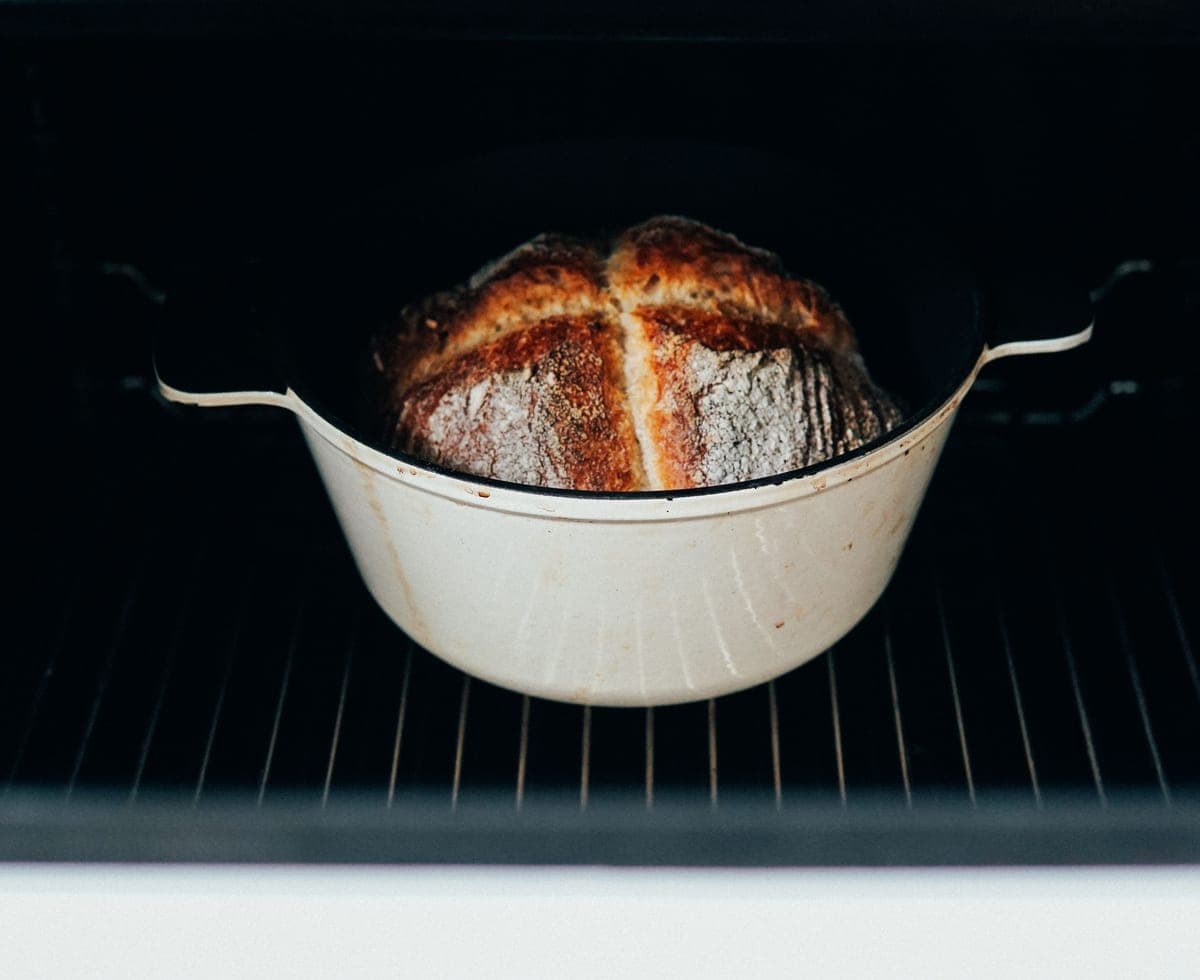 Le Creuset Enameled Dutch OvenEnormous thermal mass. An electric element's slow response stops mattering. | Electric braising | Cast iron core with a fired vitreous enamel interior and exterior | |
| 3 |  Lodge Cast Iron Skillet (10.25 in)Perfect thermal behavior on electric. Handle it carefully on a glass top. | Electric searing, with a caveat | Bare cast iron | |
| 4 |  GreenPan Valencia ProA 600F coating rating is useful headroom on a cooktop that overshoots. | Electric non-stick | Hard-anodized aluminum body with the brand's diamond-reinforced ceramic coating | |
| 5 | 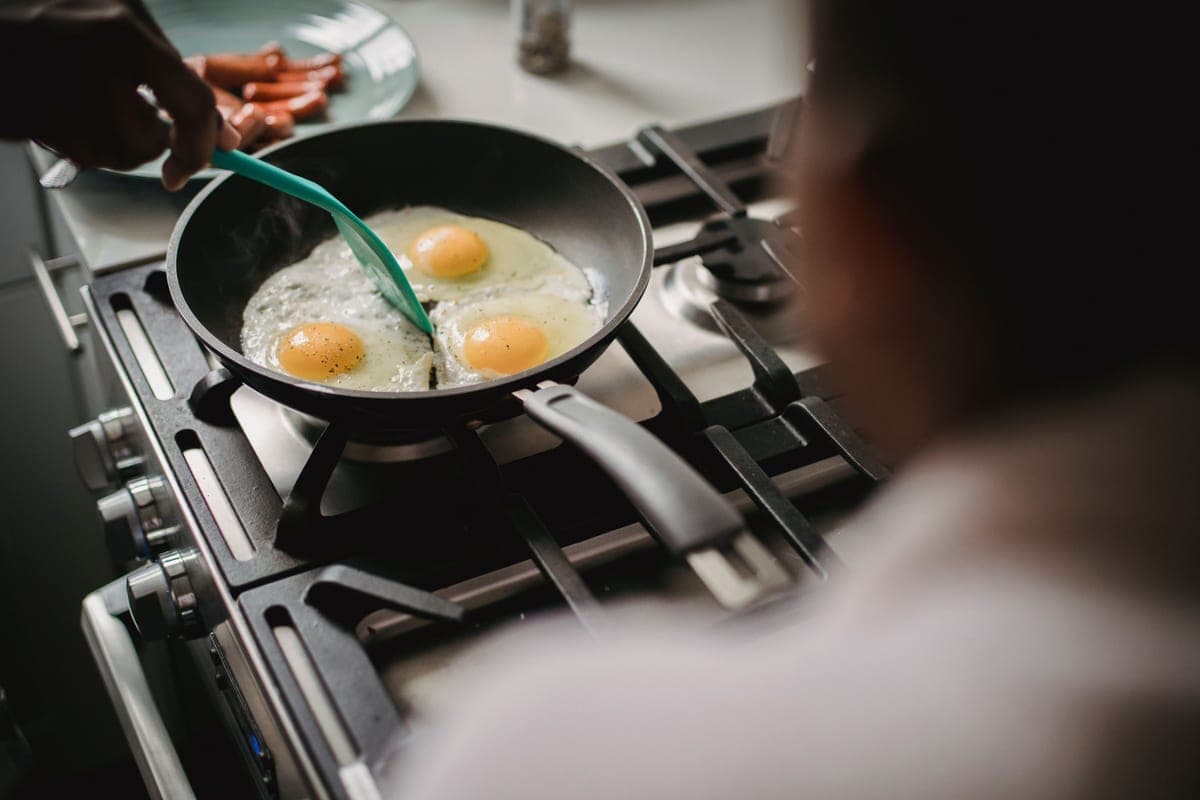 Xtrema Versa SkilletThe one cooktop where solid ceramic is a comfortable recommendation. | Electric and solid ceramic | 100% ceramic through-body (no metal core |
Tap a row to jump to that write-up. Prices are not shown on this site because they change — the button sends you to the live Amazon listing.
Electric coil versus glass top
| Exposed coil | Glass / ceramic top | |
|---|---|---|
| Base flatness | Less critical — the coil flexes to the pan | Critical. A warped base loses contact |
| Scratch risk | None | Real. Lift, never slide |
| Heat response | Slow | Slow, plus the glass stores heat too |
| Best materials | Cast iron, clad stainless, enameled iron | Clad stainless, hard-anodized, enameled iron, careful cast iron |
| Pan size | Match the coil | Match the printed ring |
The habit that matters most on electric
Move the pan, not the dial. An electric element takes a minute or more to come down in temperature, so the only way to stop cooking something immediately is to take it off the heat. Every coated pan killed by an electric stove was killed by being left on an element that was turned off but still at 400F.
That is also why thermal mass helps here in a way it does not on gas: a heavy pan smooths out the lag in both directions, so the cooking is less dependent on your reflexes.
What we ruled out
Thin stamped aluminum pans, which warp on an element and then never make contact with a glass top again. Pans with a convex or ridged base, including some decorative enamelware, for the same reason. And anything with a glued or plastic-heavy handle on a coil stove, where radiant heat from the element reaches the handle directly.
The picks in full
1. Best for Electric, overall
Made In Stainless Clad Set
Flat clad base, no coating, and an aluminum core that smooths out slow element response.
- Made of
- 5-ply stainless clad: 304 stainless cooking surface, aluminum core layers
- Certified to
- Manufacturer claimManufacturer claim; no third-party certification published.
- Construction
- 5-ply clad
- Cooking surface
- 304 stainless steel
- Coating
- None
A fully clad base is dead flat and stays flat, which is exactly what a glass top needs for contact, and the aluminum core spreads the element's heat so the slow response is less punishing. There is no coating, so nothing degrades when the element stays hot longer than you meant it to.
What you give up
Price, and uncoated technique. On a slow-responding electric hob you will learn to pull the pan off the heat rather than turn the dial down.
Who it's for
Any electric or glass-top kitchen, as the default set.
Who should skip it
Non-stick expectations and tight budgets.
2. Best for Electric braising
Le Creuset Enameled Dutch Oven
Enormous thermal mass. An electric element's slow response stops mattering.
- Made of
- Cast iron core with a fired vitreous enamel interior and exterior
- Certified to
- Manufacturer claimManufacturer claim; no third-party certification published.
- Interior
- Sand-colored vitreous enamel
- Seasoning needed
- No
- Induction
- Yes
Thermal mass is the direct answer to a slow cooktop: a heavy enameled cast iron pot holds its temperature through an element's lag, which makes a long braise remarkably stable. The enamel is inert for acidic cooking and there is no coating anywhere to wear out.
What you give up
On a glass top you must lift it rather than slide it, and it is heavy enough that this is a real consideration. Chip risk and price.
Who it's for
Stews, beans and anything long and slow on electric.
Who should skip it
Quick cooking, and anyone who cannot lift it safely onto glass.
3. Best for Electric searing, with a caveat
Lodge Cast Iron Skillet (10.25 in)
Perfect thermal behavior on electric. Handle it carefully on a glass top.
- Made of
- Bare cast iron, factory-seasoned with vegetable oil
- Certified to
- Manufacturer claimManufacturer claim; no third-party certification published.
- Coating
- None. Polymerized oil seasoning only
- Oven safe
- Manufacturer states oven, grill and campfire safe
- Induction
- Yes
On an electric coil, cast iron is simply the right answer: it absorbs the element's unevenness and holds searing heat through a cold steak. On a glass top it is still the right thermal answer, with one real condition — lift it on and off, never drag it, and check a new pan's base for casting burrs before it touches the glass.
What you give up
Scratch risk on glass if handled carelessly, weight, maintenance, no acidic simmering.
Who it's for
Searing and baking on electric.
Who should skip it
Glass tops where lifting a heavy pan carefully is not realistic.
4. Best for Electric non-stick
GreenPan Valencia Pro
A 600F coating rating is useful headroom on a cooktop that overshoots.
- Made of
- Hard-anodized aluminum body with the brand's diamond-reinforced ceramic coating
- Certified to
- Manufacturer claimManufacturer claim; no third-party certification published.
- Coating type
- Ceramic (Thermolon), no PTFE
- Oven safe
- Manufacturer states 600F
- Dishwasher
- Manufacturer states safe
Electric elements hold heat after you turn them down, which is the condition that quietly destroys coated pans. A coating rated to 600F has more margin for that than a typical ceramic pan, and the hard-anodized aluminum body gives a flat base that suits a glass top.
What you give up
Still a consumable coating. On electric, the discipline that matters is physically removing the pan from the element rather than trusting the dial.
Who it's for
Eggs and fish on electric without a fluoropolymer.
Who should skip it
Anyone who leaves pans on a hot element while plating.
5. Best for Electric and solid ceramic
Xtrema Versa Skillet
The one cooktop where solid ceramic is a comfortable recommendation.
- Made of
- 100% ceramic through-body (no metal core, no surface coating)
- Certified to
- Manufacturer claimManufacturer claim; no third-party certification published.
- Construction
- Solid ceramic, not a coated metal pan
- Oven and broiler
- Manufacturer states oven, broiler and grill safe
- Induction
- No
Solid ceramic is slow, and so is an electric element, which makes them a better-matched pair than ceramic and gas. There is no induction requirement to fail, the flat base sits well on a glass top, and there is no coating or metal in the pan at all.
What you give up
Slow in both directions, breakable, and not meaningfully non-stick. Avoid thermal shock, which a hot element plus a cold pan can produce.
Who it's for
Low-and-slow cooking on electric, and specific metal avoidance.
Who should skip it
Fast cooking and induction.
How we chose, and what we did not do
Every product on this page was checked against its published material composition and its third-party certifications, with each claim labeled as certified, manufacturer-stated or independently tested by a named party. We do not run a lab and we do not claim to have used these products — the full method is here.
Questions people actually ask
Can I use cast iron on a glass-top stove?
Yes, with care. Lift it on and off rather than sliding, and check a new pan's base for casting burrs. Thermally it is the best material for a slow electric cooktop; the only risk is mechanical.
Does cookware need a flat base for electric stoves?
On a glass or ceramic top, yes — contact area is how heat transfers, and a warped base cooks unevenly forever. On an exposed coil it matters much less.
Why do my coated pans die faster on an electric stove?
Because an element stays hot long after you turn it down, so pans sit at high temperature with nothing in them. Taking the pan off the heat rather than turning the dial down is the fix.
Is solid ceramic cookware good on electric?
It is the cooktop that suits it best. Both are slow, there is no magnetism requirement to fail, and a flat ceramic base sits well on glass. Avoid thermal shock, which means not putting a cold dish onto a fully hot element.
Sources
Read next
Kitchen & Cookware
Best non-toxic cookware for induction cooktops
Induction-compatible cookware with published materials, and the magnet test that settles compatibility in two seconds.
Kitchen & Cookware
Best non-toxic cookware for a gas stove
Cookware chosen for how it behaves on a gas flame: high heat, hot spots, and flame licking the sides.
Kitchen & Cookware
Glass and stoneware: the inert options
Glass and glazed stoneware: inertness, thermal shock, and the lead question on handmade and vintage pieces.
Kitchen & Cookware
Best non-toxic cookware of 2026 — certification-checked picks
The flagship roundup: six cookware options sorted by material, each with its published composition and certification position.
Written by Selena H., owner of Glass & Cotton.