Kitchen & Cookware
Best non-toxic rice cookers
The inner pot is the product. Stainless options exist, there are not many, and they stick more — which is the honest trade.
Last reviewed October 13, 2026 — Selena H.
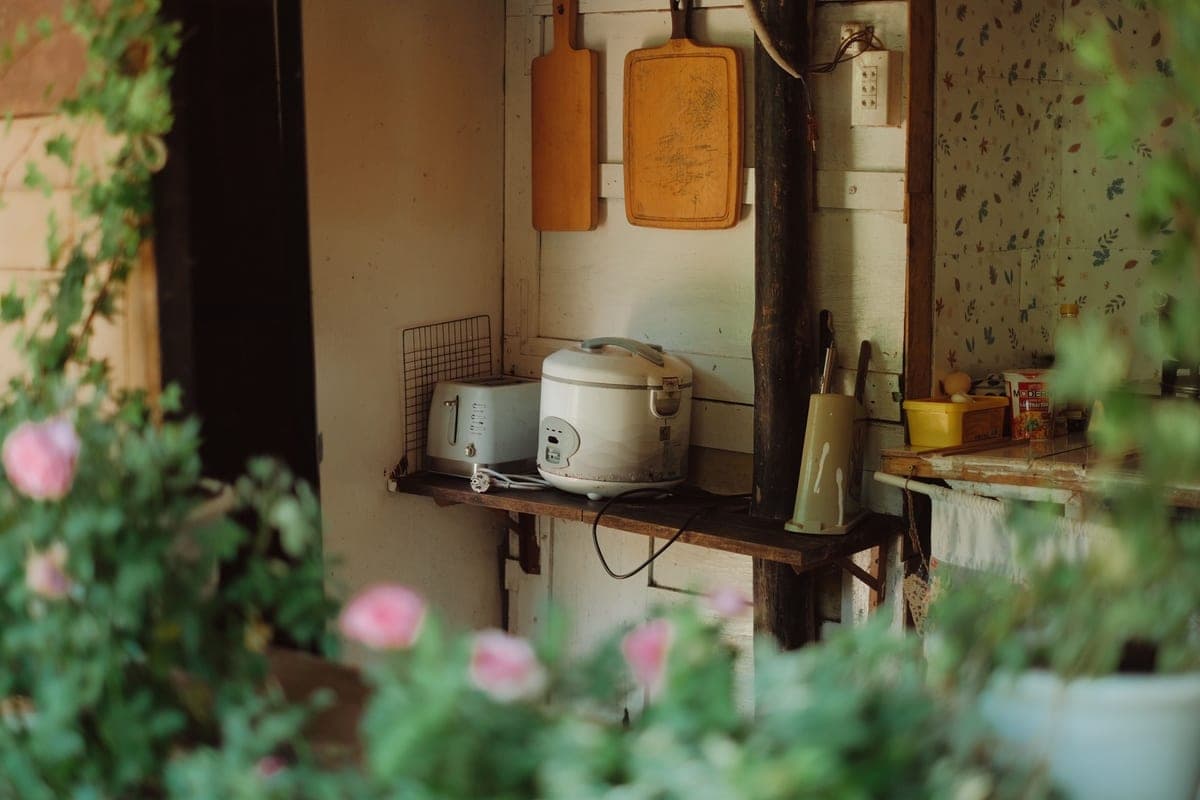
A rice cooker holds starchy water against its inner pot at boiling point for half an hour, several times a week. If there is a coated appliance surface worth thinking about, this is it — and almost every rice cooker on the market has a coated aluminum inner pan, because uncoated stainless and sticky rice starch are a genuinely annoying combination.
So this page is short and honest. There are a handful of stainless-pot machines, a multicooker route that works well, and one coated machine that is so much better at cooking rice than anything else that it belongs on the page with its trade-off labeled.
Quick picks
| # | Product | Best for | Material | Price |
|---|---|---|---|---|
| 1 | Instant Pot DuoUncoated stainless inner pot, a rice program, and it does ten other things. | The best stainless route | Stainless steel inner pot | |
| 2 | Miracle Exclusives Stainless Rice CookerA simple stainless-pot rice cooker. One switch, no coating anywhere. | Dedicated stainless | Stainless steel inner pot and lid | |
| 3 | Aroma Professional Stainless Rice CookerStainless inner pot at a lower price, with more controls than the basic machines. | Value stainless | Stainless steel inner pot | |
| 4 | Zojirushi Micom Rice CookerThe best rice in the category, in a coated pan. Both halves are true. | Best rice, coated pan | Coated inner pan |
Tap a row to jump to that write-up. Prices are not shown on this site because they change — the button sends you to the live Amazon listing.
Why stainless rice cookers stick, and what to do about it
Rice starch gelatinizes and bonds to metal, and there is no technique that fully prevents it in an uncoated pot. What reduces it: rinsing the rice until the water runs clear, using slightly more water than the coated-pot instructions suggest, letting the rice rest for ten minutes after the cycle before stirring, and soaking the pot immediately rather than later.
What does not work: oiling the pot, which affects the rice; and parchment, which interferes with heat transfer from the base. A stuck layer at the bottom is the price of an uncoated pot, and in several cuisines it is a deliberate feature rather than a problem.
What to check before buying
- The inner pot material, stated explicitly. "Stainless steel body" usually describes the housing, not the pot.
- Whether a replacement pot is sold. On a coated machine the pot is the consumable; if you cannot buy one, the machine is.
- The lid and steam path. Some machines have a plastic inner lid and condensation collector sitting in the steam.
- The steam basket, if included. Often plastic even on stainless-pot machines.
What we ruled out
Every machine whose inner pot material is not stated, which is a large share of the budget market. Non-stick pots marketed with coating names that describe no particular chemistry. And machines with plastic inner lids where the lid sits directly in the steam path above boiling starchy water.
The picks in full
1. Best for The best stainless route
Instant Pot Duo
Uncoated stainless inner pot, a rice program, and it does ten other things.
- Made of
- Stainless steel inner pot, steel housing, silicone sealing ring
- Certified to
- Manufacturer claimManufacturer claim; no third-party certification published.
- Food contact
- Stainless steel inner pot
- Coating
- None in the inner pot
- Functions
- Includes rice and slow cook programs
A multicooker is the most practical way to cook rice in stainless: the inner pot is uncoated 304-type stainless, the rice program works, and the same pot pressure-cooks, steams and makes stock. Because it is a mainstream appliance, inner pots and sealing rings are easy to replace, and you can buy a spare pot outright.
What you give up
Rice sticks to the base — not catastrophically, but you will soak the pot. It is also not a dedicated rice cooker, so it will not match a good Japanese machine on texture, and the silicone sealing ring holds smells.
Who it's for
Anyone who wants an uncoated pot and will accept a soak.
Who should skip it
People who want perfect rice texture above everything else.
2. Best for Dedicated stainless
Miracle Exclusives Stainless Rice Cooker
A simple stainless-pot rice cooker. One switch, no coating anywhere.
- Made of
- Stainless steel inner pot and lid, no coating
- Certified to
- Manufacturer claimManufacturer claim; no third-party certification published.
- Inner pot
- Stainless steel, uncoated
- Controls
- Basic. One switch
- Trade-off
- Rice sticks to the base
This is the dedicated-appliance answer for an uncoated pot: stainless inner pot and lid, a single switch, nothing else. If you want a machine that only cooks rice and has no coating in it, the options are few and this is the longest-standing one.
What you give up
Basic controls — no fuzzy logic, no keep-warm sophistication, no texture programs. Rice sticks to the base, and the build is utilitarian for the price.
Who it's for
Households that want a dedicated appliance with no coating.
Who should skip it
Anyone who wants programs, timers or a premium build.
3. Best for Value stainless
Aroma Professional Stainless Rice Cooker
Stainless inner pot at a lower price, with more controls than the basic machines.
- Made of
- Stainless steel inner pot, steel body
- Certified to
- Manufacturer claimManufacturer claim; no third-party certification published.
- Inner pot
- Stainless steel, uncoated
- Trade-off
- Rice sticks more than on a coated pot
- Capacity
- Model dependent
Aroma's stainless-pot models give you an uncoated pot with a bit more capability — white and brown rice settings, steam tray, keep-warm — at a noticeably lower price than the specialist stainless machines. For most households that is the right combination.
What you give up
Sticking is the same as any uncoated pot. Build quality and longevity are mid-market, and the stainless models are a subset of the range, so check the specific model's pot material.
Who it's for
Everyday rice in an uncoated pot without overspending.
Who should skip it
Anyone who wants the best texture available.
4. Best for Best rice, coated pan
Zojirushi Micom Rice Cooker
The best rice in the category, in a coated pan. Both halves are true.
- Made of
- Coated inner pan, steel and plastic housing
- Certified to
- Manufacturer claimManufacturer claim; no third-party certification published.
- Inner pan
- Coated non-stick. Not an uncoated option
- Cooking quality
- Best in class for texture
- Note
- Choose this only if you accept a coating
We are including this because pretending otherwise would be unhelpful: fuzzy-logic Japanese rice cookers make distinctly better rice than anything with a stainless pot, and this is the category standard. If rice is a daily staple and texture matters more to you than the pan's surface, this is the honest recommendation.
What you give up
The inner pan is coated, which is the one thing this page is about. It also costs several times a basic machine and takes longer per batch.
Who it's for
Daily rice eaters who have weighed the trade-off and chosen texture.
Who should skip it
Anyone whose reason for being on this page is avoiding a coated pan.
How we chose, and what we did not do
Every product on this page was checked against its published material composition and its third-party certifications, with each claim labeled as certified, manufacturer-stated or independently tested by a named party. We do not run a lab and we do not claim to have used these products — the full method is here.
Questions people actually ask
Are there rice cookers with stainless steel inner pots?
Yes, but not many. A multicooker such as an Instant Pot has an uncoated stainless inner pot and a rice program, and a few dedicated machines use stainless pots. The trade-off is always stickiness.
Is a coated rice cooker pan dangerous?
Rice cooking happens at boiling point, well below the temperatures at which coatings degrade, and the documented hazard is overheating a dry pan. The reasonable concerns are abrasion and age: replace a scratched inner pan rather than continuing to cook on it.
How do I stop rice sticking in a stainless pot?
Rinse the rice until the water runs clear, use slightly more water than coated-pot instructions suggest, rest the rice for ten minutes before stirring, and soak the pot straight away. Some sticking is unavoidable.
Can I just cook rice in a saucepan?
Yes, and for one or two servings it is faster than any appliance. A clad stainless saucepan with a tight lid, the right water ratio and a ten-minute rest off the heat does the job with no appliance at all.
Sources
Read next
Kitchen & Cookware
Best non-toxic slow cookers
Slow cookers compared on insert material — glazed stoneware, clay and stainless — for the longest hot contact in the kitchen.

Kitchen & Cookware
Best stainless steel cookware sets
Clad stainless sets compared on ply construction and steel grade, with the nickel leaching evidence stated plainly.
Kitchen & Cookware
Is stainless steel cookware safe?
The nickel and chromium leaching evidence stated with actual numbers, plus who should act on it.
Kitchen & Cookware
How to tell if a pan is non-toxic: a five-step check
The five-step check we run on every product, written so you can run it on anything we have not covered.
Written by Selena H., owner of Glass & Cotton.