Kitchen & Cookware
Best non-toxic slow cookers
Eight hours of hot, acidic food in contact with one surface. No other appliance does that, which makes the insert the entire decision.
Last reviewed October 13, 2026 — Selena H.
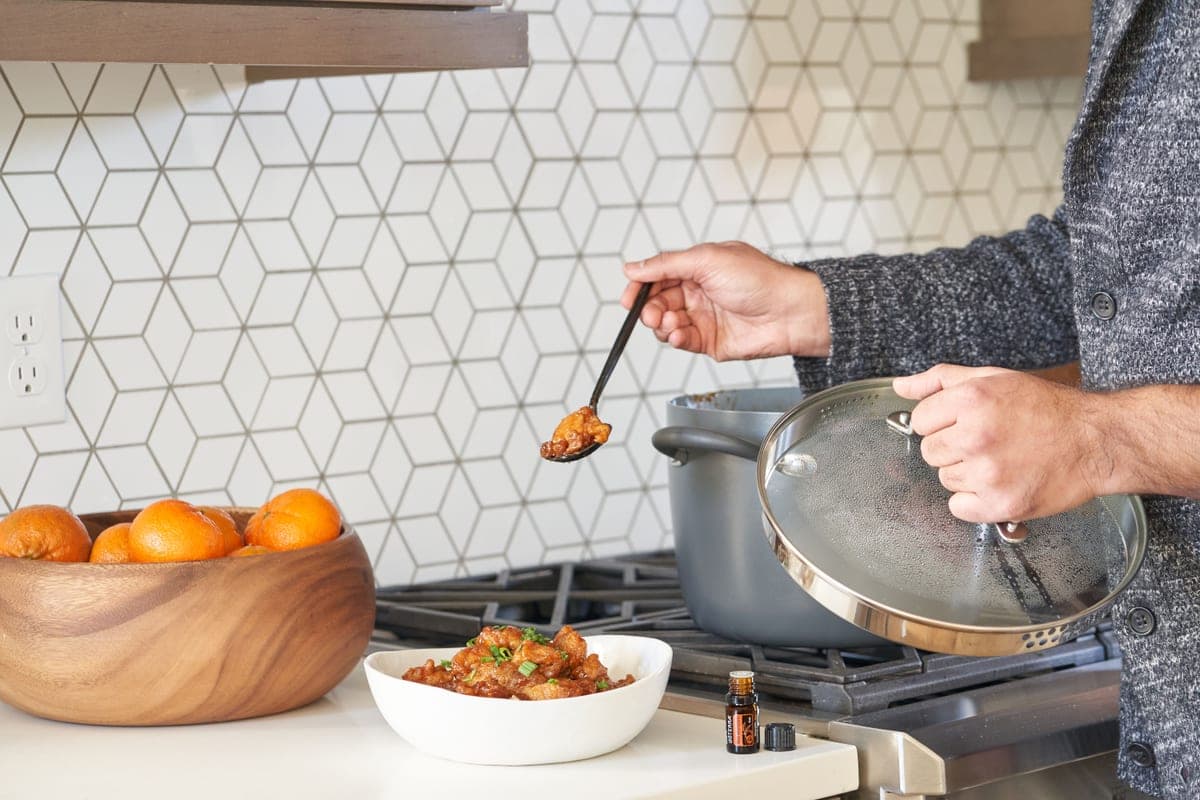
Slow cooking is the longest single hot contact between food and a surface anywhere in the house: eight to ten hours, often with tomato, wine or vinegar in the pot. That makes the insert material more consequential here than in any other appliance, and it is also the easiest category on this page to get right, because the standard insert is already glazed stoneware rather than a coating.
The one thing worth asking about stoneware is the glaze, since glaze is where lead historically entered ceramics. FDA enforces leach limits on ceramicware using a 24-hour acetic acid leach test, which is exactly the scenario a slow cooker simulates, and a mainstream manufacturer will answer the question if you ask.
Quick picks
| # | Product | Best for | Material | Price |
|---|---|---|---|---|
| 1 | Crock-Pot Stoneware Slow CookerGlazed stoneware and a glass lid. No coating, and the format's original design. | The default | Glazed stoneware insert | |
| 2 | VitaClay Clay Slow CookerUnglazed natural clay. Removes the glaze question entirely. | No glaze at all | Unglazed natural clay pot in a steel housing | |
| 3 | 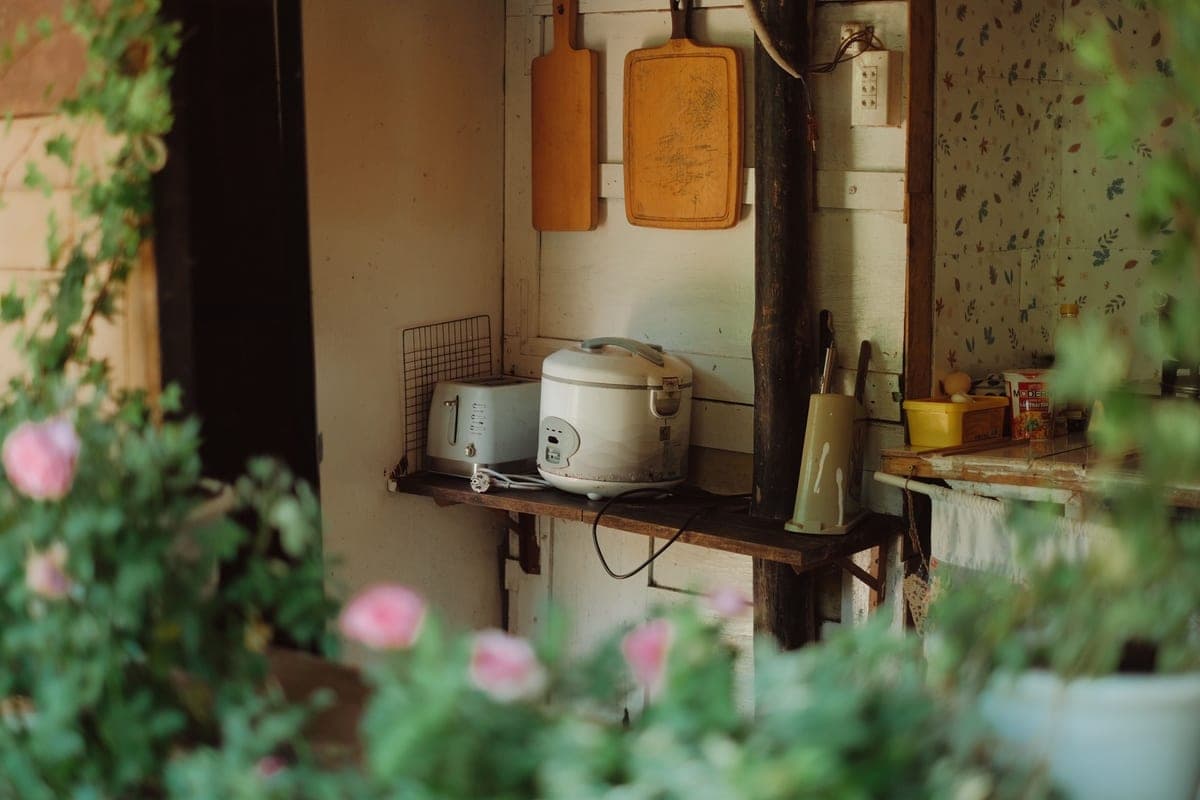 Instant Pot DuoUncoated stainless inner pot with a slow-cook program. Sear in the same pot. | Stainless insert | Stainless steel inner pot | |
| 4 | Hamilton Beach Stoneware Slow CookerGlazed stoneware with a latching lid, for a crock that travels. | Transporting food | Glazed stoneware crock |
Tap a row to jump to that write-up. Prices are not shown on this site because they change — the button sends you to the live Amazon listing.
Insert materials compared
| Insert | Acid tolerance | Care | Watch for |
|---|---|---|---|
| Glazed stoneware | Excellent | Dishwasher on most models | Glaze provenance on off-brand and vintage crocks |
| Unglazed clay | Good | Hand wash, no detergent soak | Porosity and flavor absorption |
| Stainless steel | Excellent | Dishwasher | Nothing. Also the only one you can sear in |
| Coated aluminum | Poor over long cooks | Hand wash | Abrasion and coating age — we did not recommend any |
The glaze question, and how to settle it
Lead in ceramic glazes is a genuine historical problem and a current one for handmade, imported and vintage pieces. FDA's approach is a leach test — ASTM C738, 24 hours in 4% acetic acid, with a limit of 3 micrograms per milliliter for dinnerware — and tableware above those limits cannot legally be sold in the US. That test is close to what a slow cooker does on purpose.
For a mainstream appliance from a large manufacturer, the practical answer is to ask: does the crock meet FDA limits for lead and cadmium leaching? A company selling millions of units has that paperwork. For a crock inherited from a relative or bought at a market abroad, there is no such paperwork, and that is the situation where a test kit or a replacement crock is the sensible call.
What we ruled out
Slow cookers with coated aluminum inserts, which exist at the budget end and combine the longest hot contact in the kitchen with the least durable surface. Inserts with no stated material. And vintage crocks generally — lovely objects, with no available documentation about a glaze made decades ago.
The picks in full
1. Best for The default
Crock-Pot Stoneware Slow Cooker
Glazed stoneware and a glass lid. No coating, and the format's original design.
- Made of
- Glazed stoneware insert, steel housing, glass lid
- Certified to
- Manufacturer claimManufacturer claim; no third-party certification published.
- Food contact
- Glazed stoneware and glass
- Coating
- Fired glaze, not non-stick
- Note
- Confirm the glaze meets FDA lead limits with the maker
The classic slow cooker already uses the right materials: a glazed stoneware crock and a glass lid, so food contacts fired ceramic and glass for the whole cook. There is no non-stick coating anywhere in it, the crock doubles as a serving dish, and replacement crocks are available for the mainstream models.
What you give up
Stoneware is heavy and will crack if thermally shocked or dropped. Older and off-brand crocks are where glaze questions are worth raising — ask the manufacturer about lead and cadmium leach testing.
Who it's for
Most households. The simplest material story in the category.
Who should skip it
Anyone who needs to sear in the same vessel, or who cannot lift a full stoneware crock.
2. Best for No glaze at all
VitaClay Clay Slow Cooker
Unglazed natural clay. Removes the glaze question entirely.
- Made of
- Unglazed natural clay pot in a steel housing
- Certified to
- Manufacturer claimManufacturer claim; no third-party certification published.
- Food contact
- Clay
- Coating
- None
- Care
- Hand wash, no detergent soak
If the glaze is the part you want to eliminate rather than verify, an unglazed clay pot does it: the food contacts fired clay with nothing applied over it. Clay also cooks differently — it holds moisture and produces a softer result than stoneware, which some people strongly prefer.
What you give up
Unglazed clay is porous, so it absorbs flavors and must be hand washed without detergent soaking. It is fragile, and it cannot be scrubbed hard.
Who it's for
Anyone who wants the fewest possible applied surfaces.
Who should skip it
People who want a dishwasher-safe insert or a vessel they can scrub.
3. Best for Stainless insert
Instant Pot Duo
Uncoated stainless inner pot with a slow-cook program. Sear in the same pot.
- Made of
- Stainless steel inner pot, steel housing, silicone sealing ring
- Certified to
- Manufacturer claimManufacturer claim; no third-party certification published.
- Food contact
- Stainless steel inner pot
- Coating
- None in the inner pot
- Functions
- Includes rice and slow cook programs
A multicooker's stainless inner pot is the one slow-cooking surface you can also brown meat in, which removes a pan from the process entirely. Uncoated stainless is inert against acid, dishwasher-safe, replaceable and unbreakable — the practical advantages over stoneware are real.
What you give up
Its slow-cook function is less gentle than a dedicated slow cooker, and the pot is narrower and deeper, which changes how a braise behaves. The silicone sealing ring retains odors.
Who it's for
Households that want to sear and slow-cook in one vessel.
Who should skip it
Purists who want a wide, shallow, gentle stoneware braise.
4. Best for Transporting food
Hamilton Beach Stoneware Slow Cooker
Glazed stoneware with a latching lid, for a crock that travels.
- Made of
- Glazed stoneware crock, steel housing, glass lid
- Certified to
- Manufacturer claimManufacturer claim; no third-party certification published.
- Food contact
- Glazed stoneware and glass
- Coating
- Fired glaze, not non-stick
- Note
- Latching lid version travels well
Same material story as the classic — glazed stoneware and a glass lid — with a clamped lid and gasket so a full crock can be carried without decanting into plastic. That is a genuinely useful feature: the alternative is transferring hot food into a container, which is the exact contact this site suggests avoiding.
What you give up
The gasket is a polymer and sits at the rim. Stoneware weight and fragility as usual.
Who it's for
Anyone who cooks and then carries the food somewhere.
Who should skip it
Households that never transport food, where the simpler model is the better buy.
How we chose, and what we did not do
Every product on this page was checked against its published material composition and its third-party certifications, with each claim labeled as certified, manufacturer-stated or independently tested by a named party. We do not run a lab and we do not claim to have used these products — the full method is here.
Questions people actually ask
Is there lead in slow cooker crocks?
Not in new ceramicware meeting FDA limits, which are enforced through a 24-hour acetic acid leach test. Mainstream manufacturers can confirm compliance on request. The real uncertainty is with vintage, handmade and imported crocks that have never been tested.
Which slow cooker insert material is best?
Glazed stoneware for a traditional gentle braise, stainless steel if you want to sear in the same pot and put it in the dishwasher, and unglazed clay if you want no applied glaze at all. All three are inert against long acidic cooking.
Can I use a slow cooker for acidic recipes?
Yes — glazed stoneware, clay and stainless all tolerate tomato, wine and vinegar indefinitely. The material to avoid for acidic slow cooking is bare aluminum or a coated aluminum insert.
Is a multicooker as good as a dedicated slow cooker?
Not quite, for slow cooking specifically. Its slow-cook mode is less gentle and the pot shape is deeper and narrower, which changes how a braise reduces. What it gains is a stainless surface you can brown in first.
Sources
- US FDA — compliance policy guidance on lead in ceramicware (ASTM C738 leach test)
- Instant Brands (manufacturer)
- California OEHHA — Proposition 65 guidance for businesses — Safe-harbour levels, and when a warning is and is not required
Read next
Kitchen & Cookware
Best non-toxic rice cookers
Stainless-inner-pot rice cookers and the multicooker workaround, with the stickiness trade-off stated.
Kitchen & Cookware
Glass and stoneware: the inert options
Glass and glazed stoneware: inertness, thermal shock, and the lead question on handmade and vintage pieces.
Kitchen & Cookware
What a Proposition 65 warning actually means
Prop 65 decoded: safe-harbour levels, the one-in-100,000 cancer threshold, and how to read a warning label.

Kitchen & Cookware
Best non-toxic cookware of 2026 — certification-checked picks
The flagship roundup: six cookware options sorted by material, each with its published composition and certification position.
Written by Selena H., owner of Glass & Cotton.