Kitchen & Cookware
Enameled vs bare cast iron
Same metal underneath, two completely different surfaces, and the right answer is usually one of each.
Last reviewed October 13, 2026 — Selena H.

The verdict. Buy bare cast iron for searing, roasting and baking, and because it is the cheapest cookware with the longest life you can own. Buy enameled cast iron for braises, stews and anything acidic, and if you need to avoid iron transfer for a medical reason.
They are not substitutes for each other. A bare skillet and an enameled Dutch oven together cover an enormous range of cooking with no coating in either, which is why that pair is one of the most common recommendations on this site.
Quick picks
| # | Product | Best for | Material | Price |
|---|---|---|---|---|
| 1 | Lodge Cast Iron Skillet (10.25 in)Iron and oil, under thirty dollars, effectively indefinite life. | Bare | Bare cast iron | |
| 2 | 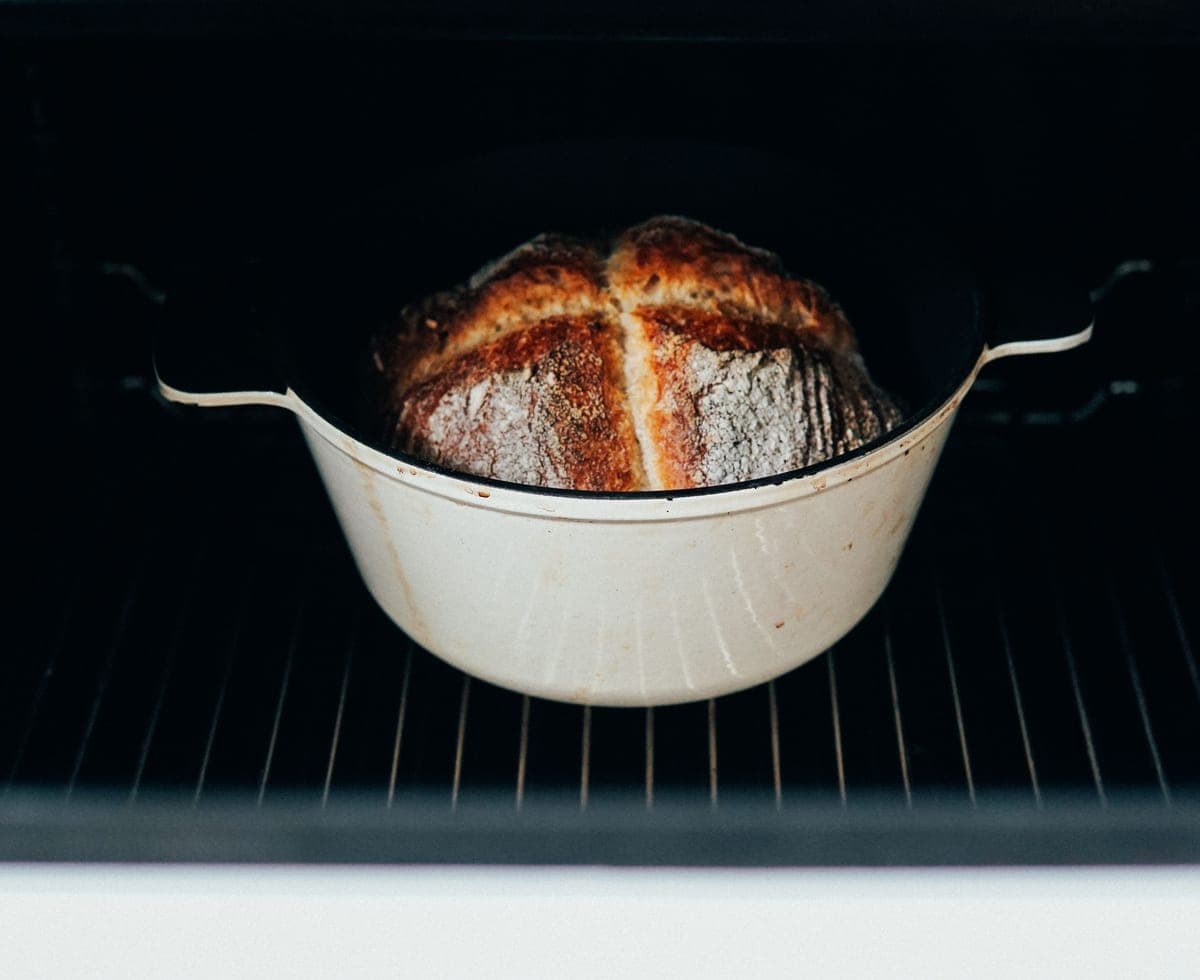 Le Creuset Enameled Dutch OvenFired enamel over iron: inert, zero maintenance, unlimited acid. | Enameled | Cast iron core with a fired vitreous enamel interior and exterior | |
| 3 | 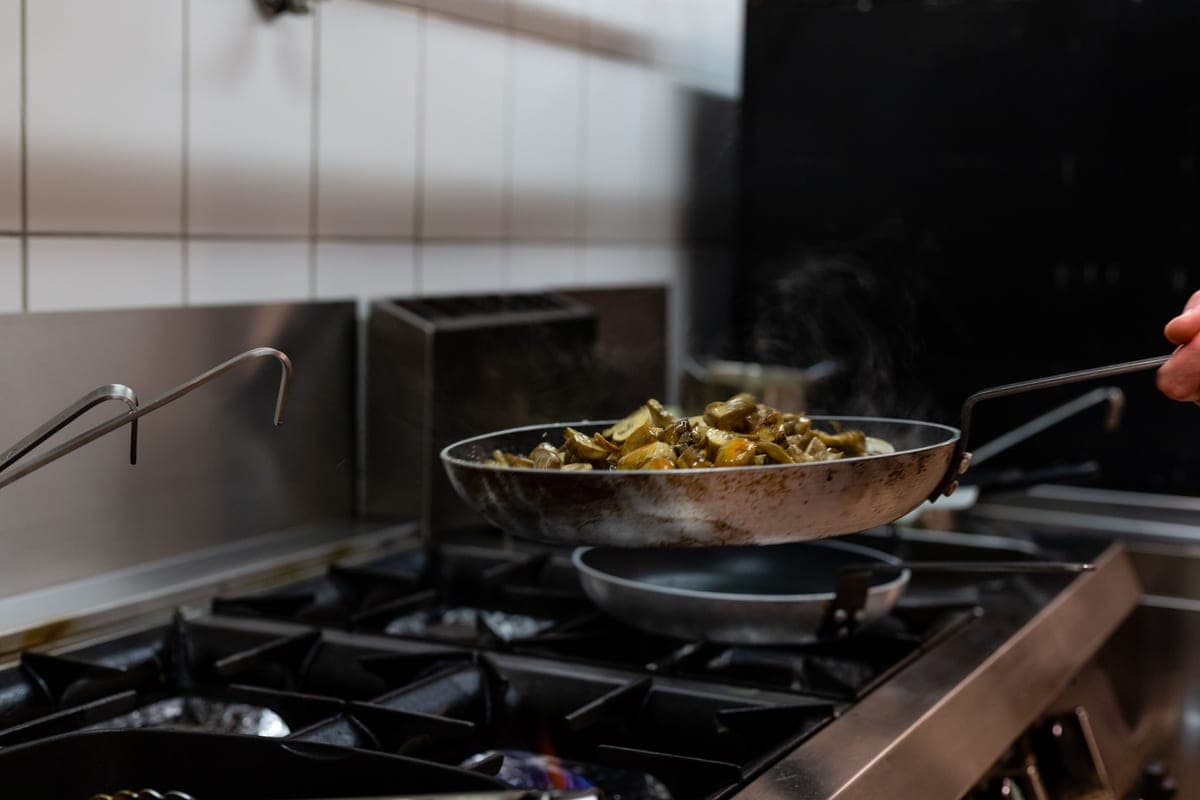 Lodge Carbon Steel SkilletSame seasoning chemistry as bare iron at two-thirds the weight. | Lighter than both | Pressed carbon steel |
Tap a row to jump to that write-up. Prices are not shown on this site because they change — the button sends you to the live Amazon listing.
The specification, side by side
| Bare cast iron | Enameled cast iron | |
|---|---|---|
| Surface | Polymerized oil you maintain | Fired vitreous enamel (glass) |
| Iron into food | Yes, more with acid and time | None |
| Acidic cooking | Short contact only | Unlimited |
| Searing | Best in class | Good, but avoid empty high-heat preheating |
| Maintenance | Dry and oil after washing | None beyond washing |
| Failure mode | Rust or stripped seasoning — repairable | Chipped enamel — not repairable |
| Dishwasher | No | Usually permitted; hand wash is kinder |
| Price | Lowest in cookware | Among the highest |
The iron-transfer question
Cooking in bare cast iron adds iron to food, more so with acidic ingredients and longer cooking. For most people that is neutral or mildly beneficial, since iron deficiency is far more common than iron overload.
The exception is firm: people with hereditary hemochromatosis or another iron-overload condition should not use bare cast iron, and enameled is the direct substitute. This is one of very few places on this site where the honest answer is an instruction rather than a trade-off.
Why enamel wins on acid
A two-hour tomato braise in bare cast iron strips seasoning, tastes metallic and transfers considerably more iron than intended. Fired enamel is glass: inert against tomato, wine and vinegar indefinitely, with no seasoning to lose.
This is also the one job where enameled cast iron beats uncoated stainless, which transfers small measured amounts of nickel and chromium into long acidic cooks. For acidic cooking specifically, enamel is the best surface in the kitchen.
Why bare iron wins on heat and money
Bare iron takes any temperature a domestic kitchen produces, including an empty high-heat preheat that would risk crazing enamel, and it costs a fraction as much. A skillet is under thirty dollars; an enameled Dutch oven is several times that.
Its surface is also repairable. Rust, stripped seasoning and decades of neglect all come back with scrubbing, oil and an hour in a hot oven. Chipped enamel does not come back at all, and a chipped interior ends the pot's useful life.
A third option worth knowing
Carbon steel is bare iron's lighter, faster sibling — same seasoning chemistry and same no-coating story, about a third less weight, and much more responsive. If the reason you are reading this is that cast iron felt too heavy, that is the page to read next.
The picks in full
1. Best for Bare
Lodge Cast Iron Skillet (10.25 in)
Iron and oil, under thirty dollars, effectively indefinite life.
- Made of
- Bare cast iron, factory-seasoned with vegetable oil
- Certified to
- Manufacturer claimManufacturer claim; no third-party certification published.
- Coating
- None. Polymerized oil seasoning only
- Oven safe
- Manufacturer states oven, grill and campfire safe
- Induction
- Yes
The best searing surface in a domestic kitchen, with a repairable rather than consumable surface and a price that makes it a non-decision.
What you give up
Weight, weekly upkeep, no long acidic cooking, and not for iron-overload conditions.
Who it's for
Searing, roasting and baking.
Who should skip it
Tomato braises and iron-overload conditions.
2. Best for Enameled
Le Creuset Enameled Dutch Oven
Fired enamel over iron: inert, zero maintenance, unlimited acid.
- Made of
- Cast iron core with a fired vitreous enamel interior and exterior
- Certified to
- Manufacturer claimManufacturer claim; no third-party certification published.
- Interior
- Sand-colored vitreous enamel
- Seasoning needed
- No
- Induction
- Yes
The best surface in the kitchen for long acidic cooking, with no seasoning to maintain and no iron transfer at all.
What you give up
Price, weight, and chip risk that ends its life.
Who it's for
Braises, stews, bread and acidic food.
Who should skip it
High-heat dry searing, and tight budgets.
3. Best for Lighter than both
Lodge Carbon Steel Skillet
Same seasoning chemistry as bare iron at two-thirds the weight.
- Made of
- Pressed carbon steel, factory-seasoned with vegetable oil
- Certified to
- Manufacturer claimManufacturer claim; no third-party certification published.
- Coating
- None. Seasoning only
- Weight
- Lighter than cast iron at the same diameter
- Oven safe
- Yes
The answer for anyone who wanted cast iron's material story without its mass, with much faster heat response as a bonus.
What you give up
Less heat retention, same upkeep, same acid limitation.
Who it's for
Everyday cooking in a seasoned pan.
Who should skip it
Acidic cooking and dishwashers.
How we chose, and what we did not do
Every product on this page was checked against its published material composition and its third-party certifications, with each claim labeled as certified, manufacturer-stated or independently tested by a named party. We do not run a lab and we do not claim to have used these products — the full method is here.
Questions people actually ask
Is enameled cast iron better than bare?
For acidic cooking and for anyone avoiding iron transfer, yes. For searing, high heat, value and repairability, bare iron wins. Most kitchens benefit from one of each.
Can you cook tomatoes in bare cast iron?
Briefly. A long acidic braise strips seasoning, tastes metallic and adds considerably more iron to the food. Use enameled cast iron, glass or stoneware for those dishes.
Does enameled cast iron need seasoning?
No. The enamel is fired glass, not an oil layer, so there is nothing to build or maintain. Just avoid preheating it empty on high heat, which can craze the enamel.
Is chipped enamel dangerous?
It is the end of the pot's useful life rather than an acute hazard: the exposed iron rusts and the chip edge keeps spalling into food. Retire a chipped interior.
Sources
Read next
Kitchen & Cookware
Cast iron cookware, bare and enameled
Bare versus enameled cast iron: iron transfer, acidic cooking limits, seasoning chemistry and who should avoid it.
Kitchen & Cookware
Lodge cast iron review: a two-word specification and a fifty-year life
Lodge cast iron assessed: material, factory seasoning, the iron-transfer exception, and real lifespan.
Kitchen & Cookware
Carbon steel cookware
Carbon steel explained: seasoning, heat response, weight, and what it is wrong for.

Kitchen & Cookware
Best non-toxic cookware of 2026 — certification-checked picks
The flagship roundup: six cookware options sorted by material, each with its published composition and certification position.
Written by Selena H., owner of Glass & Cotton.