Kitchen & Cookware
Our Place Always Pan review: one pan, eight jobs, one coating
The best small-kitchen argument in cookware, with a lower oven ceiling than its rivals and the same consumable surface.
Last reviewed October 13, 2026 — Selena H.
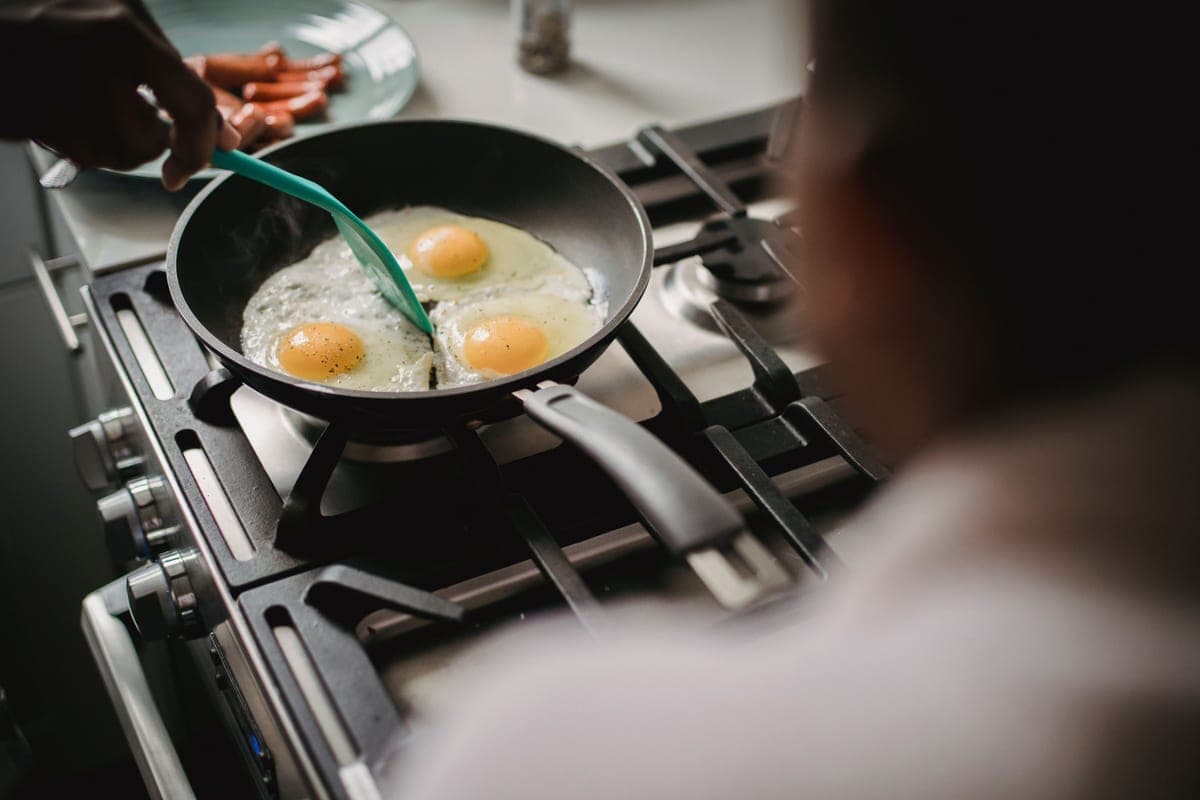
The Always Pan is marketed as replacing eight pieces of cookware, and for a certain kind of cook in a certain size of kitchen that is close to true. It sautés, steams, fries, braises and serves, which covers most of what a small household actually does.
It is also a ceramic-coated aluminum pan with a 450F oven rating — the lowest of the major coated options — and the same one-to-three-year non-stick life as everything else in the category. This review is about whether the versatility is worth those two things.
Quick picks
| # | Product | Best for | Material | Price |
|---|---|---|---|---|
| 1 | Our Place Always Pan 2.0One ceramic-coated vessel that genuinely replaces several, with a 450F ceiling. | The product reviewed | Cast aluminum body with a ceramic non-stick coating | |
| 2 | 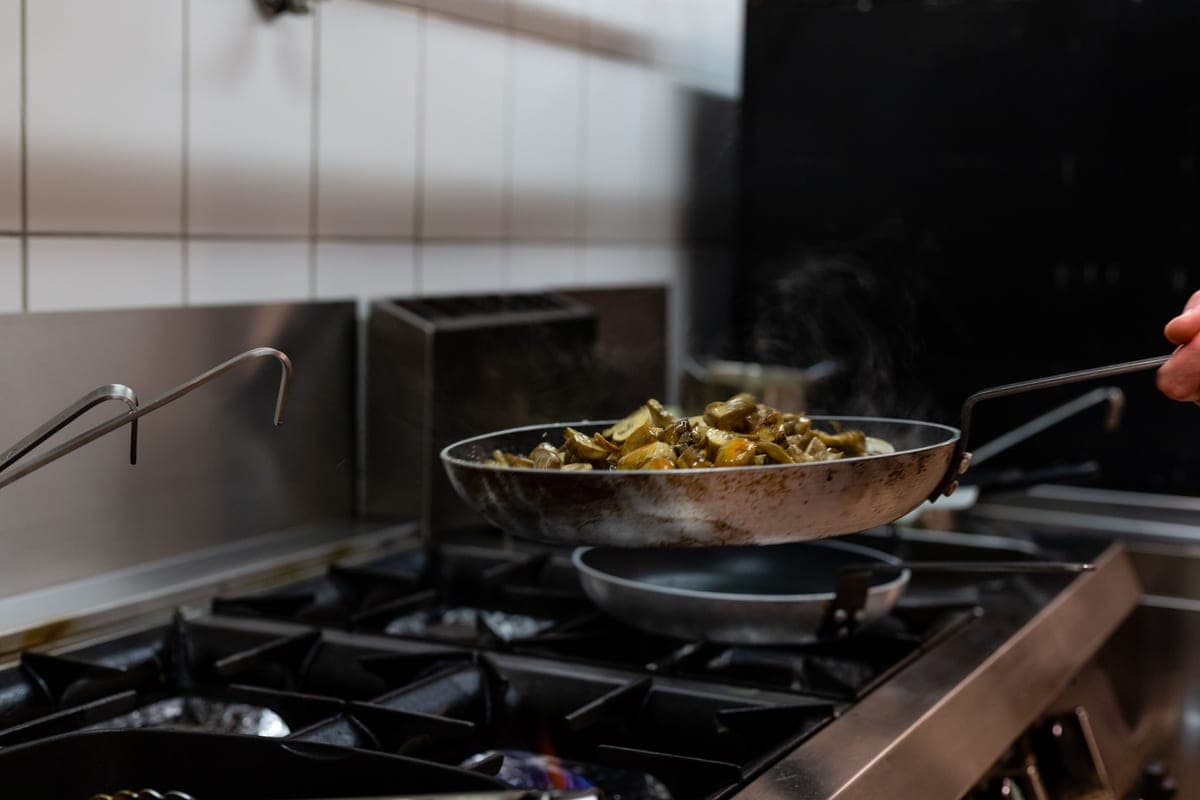 Lodge Carbon Steel SkilletIf the goal is one pan for everything, this is the one that does not expire. | One pan, permanently | Pressed carbon steel | |
| 3 | 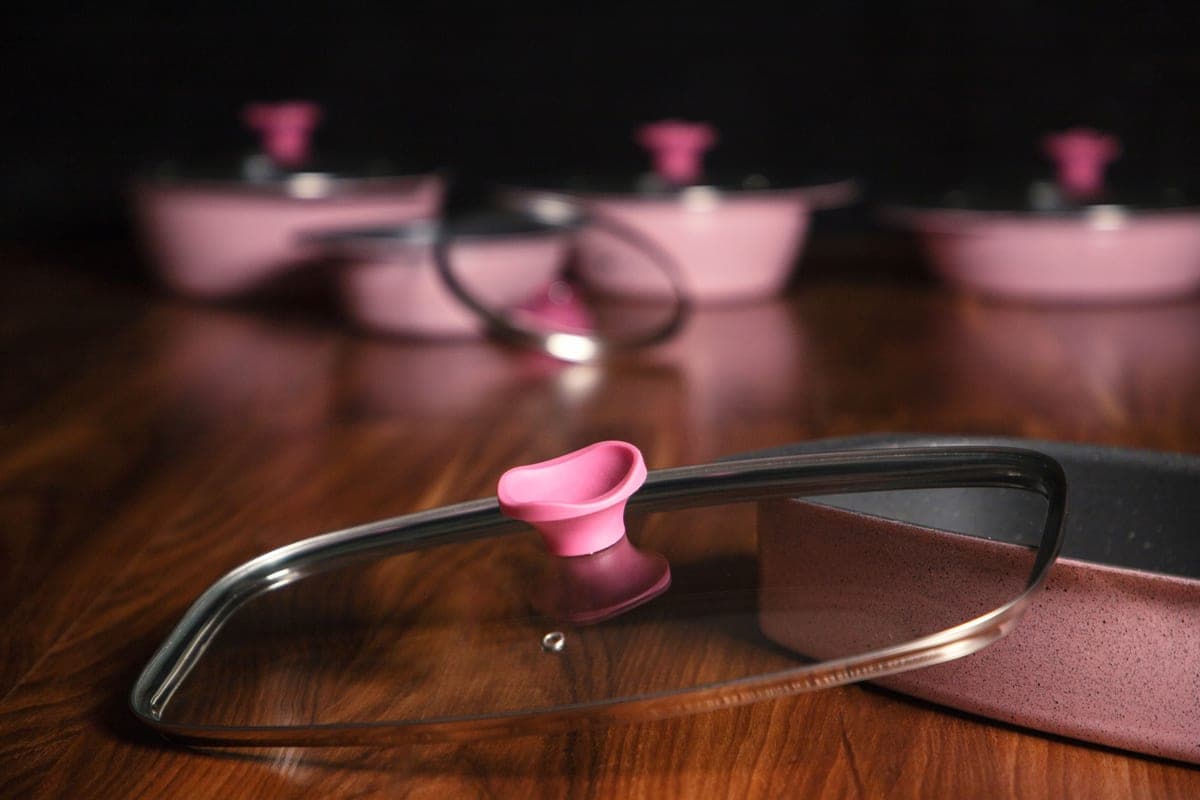 Caraway Cookware SetIf you want more than one coated vessel, with better disclosure and a 550F rating. | A coated set instead | Aluminum body |
Tap a row to jump to that write-up. Prices are not shown on this site because they change — the button sends you to the live Amazon listing.
What it is actually made of
A cast aluminum body with a ceramic non-stick coating and a stainless steel handle, per the manufacturer. The coating is a sol-gel ceramic rather than a fluoropolymer, which is the reason the product exists in this category at all, and the brand states an oven rating of 450F.
The shape is the actual product. Deep sides with a sloped profile, a pour spout, a lid, a steamer basket and a nesting spatula — that combination is what lets one vessel do several jobs, and it is a design decision rather than a materials one.
What it is certified to
No named third-party certification. The brand publishes its construction and states the coating is free of PTFE and PFOA, which is a manufacturer claim with no third-party certification published.
As with the rest of the cookware category, that is normal rather than suspicious: the applicable third-party marks largely do not exist. What matters is that the brand says what the pan is made of, which it does.
What owners complain about
Two things recur. The first is the coating, as everywhere in this category: strong release for the first year or so, then decline with no remedy. The second is more specific to this product — the shape that makes it versatile makes it a mediocre searing pan, because the high sloped sides trap steam rather than letting it escape.
The 450F ceiling is the third, and it is the one people discover after buying. A roast chicken finished in the oven at 425F is fine; anything that wants 475F is not.
What you give up
Oven range, searing performance and permanence. In exchange you get one vessel instead of four in a cupboard that cannot hold four, plus a genuinely low learning curve — this pan releases food from the first use with no seasoning and no technique.
For a small flat with two burners and one shelf of storage, that trade is often correct. For a kitchen with space, buying a coated pan for eggs and uncoated pans for everything else is the better configuration.
Who it is for, and who should skip it
- For small kitchens, limited storage, and cooks who want performance with no technique.
- For people cooking simple food for one or two, where one vessel genuinely covers the week.
- Skip it if you sear, use the oven above 450F, or cook for a crowd.
- Skip it if you want a permanent purchase — nothing coated is one.
- Skip it if you already own a decent stainless pan and just need something for eggs; a small coated pan costs a fraction of this.
Alternatives we would pick instead
A coated set if you want more than one vessel, a higher oven rating if you finish dishes in the oven, or carbon steel if the real goal is one pan that does everything.
The picks in full
1. Best for The product reviewed
Our Place Always Pan 2.0
One ceramic-coated vessel that genuinely replaces several, with a 450F ceiling.
- Made of
- Cast aluminum body with a ceramic non-stick coating, stainless steel handle
- Certified to
- Manufacturer claimManufacturer claim; no third-party certification published.
- Pieces replaced
- Marketed as replacing 8 pans
- Coating type
- Ceramic, no PTFE
- Oven safe
- Manufacturer states 450F
Cast aluminum with a published ceramic coating and a stainless handle, designed so that one pan covers sauté, steam, fry and braise. For a small kitchen the versatility is the whole value and it delivers it.
What you give up
The lowest oven rating of the major coated options, mediocre searing because of the shape, and a one-to-three-year coating life.
Who it's for
Small kitchens and simple cooking.
Who should skip it
Searing, high-oven finishing, or anyone wanting a permanent pan.
2. Best for One pan, permanently
Lodge Carbon Steel Skillet
If the goal is one pan for everything, this is the one that does not expire.
- Made of
- Pressed carbon steel, factory-seasoned with vegetable oil
- Certified to
- Manufacturer claimManufacturer claim; no third-party certification published.
- Coating
- None. Seasoning only
- Weight
- Lighter than cast iron at the same diameter
- Oven safe
- Yes
Carbon steel is the honest answer to the one-pan proposition: it sears, bakes, fries and releases eggs once seasoned, it has no oven ceiling at all, and the surface is repairable rather than consumable.
What you give up
Weeks of seasoning build-up, ongoing upkeep, and not for acidic food.
Who it's for
Anyone willing to maintain a pan to never replace one.
Who should skip it
People who want release from day one with no work.
3. Best for A coated set instead
Caraway Cookware Set
If you want more than one coated vessel, with better disclosure and a 550F rating.
- Made of
- Aluminum body, sol-gel mineral ceramic coating, stainless steel handles and base plate
- Certified to
- Manufacturer claimManufacturer claim; no third-party certification published.
- Oven safe
- Manufacturer states 550F
- Coating type
- Ceramic (sol-gel), no PTFE
- Induction
- Yes, stainless base plate
A higher oven rating than the Always Pan and the fullest published construction in the coated category, in a matched set rather than a single multi-purpose vessel.
What you give up
Consumable coating, premium price, and it takes more cupboard space.
Who it's for
Households wanting a coated set.
Who should skip it
Tiny kitchens, which is exactly where the Always Pan wins.
How we chose, and what we did not do
Every product on this page was checked against its published material composition and its third-party certifications, with each claim labeled as certified, manufacturer-stated or independently tested by a named party. We do not run a lab and we do not claim to have used these products — the full method is here.
Questions people actually ask
Is the Always Pan non-toxic?
Its coating is a sol-gel ceramic with no PTFE, and the brand states it is free of PFOA. That is a manufacturer claim; no third-party certification is published for it, which is normal across cookware.
Does the Always Pan really replace eight pans?
For simple cooking in a small kitchen it genuinely covers sauté, steam, fry, braise and serve. It does not replace a searing pan or anything you finish in the oven above 450F.
How long does the Always Pan coating last?
One to three years of good release, as with every sol-gel ceramic coating. Nothing restores it, and metal utensils, high heat and dishwashers all shorten it.
Is the Always Pan oven safe?
The manufacturer states 450F, which is the lowest of the major coated options. That is enough for most roasting but not for high-temperature finishing.
Sources
- Our Place (manufacturer)
- US EPA — Our Current Understanding of the Human Health and Environmental Risks of PFAS — Regulator overview of PFAS persistence and health endpoints
- Science News — Sticky situation: nonstick surfaces can turn toxic at high heat
Read next
Kitchen & Cookware
Caraway vs Our Place: which is actually the safer buy?
Caraway's set versus the Always Pan: oven rating, disclosure and how many vessels you actually want.
Kitchen & Cookware
The safest non-toxic frying pans, by what you cook in them
Five frying pans compared on cooking surface, heat limit and lifespan — the highest-value single swap in the kitchen.

Kitchen & Cookware
Is ceramic cookware safe?
What a sol-gel ceramic coating is, how it fails, and the one-to-three-year lifespan nobody publishes.
Kitchen & Cookware
Best non-toxic nonstick pans, without a fluoropolymer
PTFE-free nonstick pans compared on heat rating, disclosure and realistic coating life.
Written by Selena H., owner of Glass & Cotton.