Beauty & Grooming
Best non-toxic deodorants
They control odor. They do not stop sweat, and anything promising otherwise is overselling a product category.
Last reviewed October 13, 2026 — Selena H.
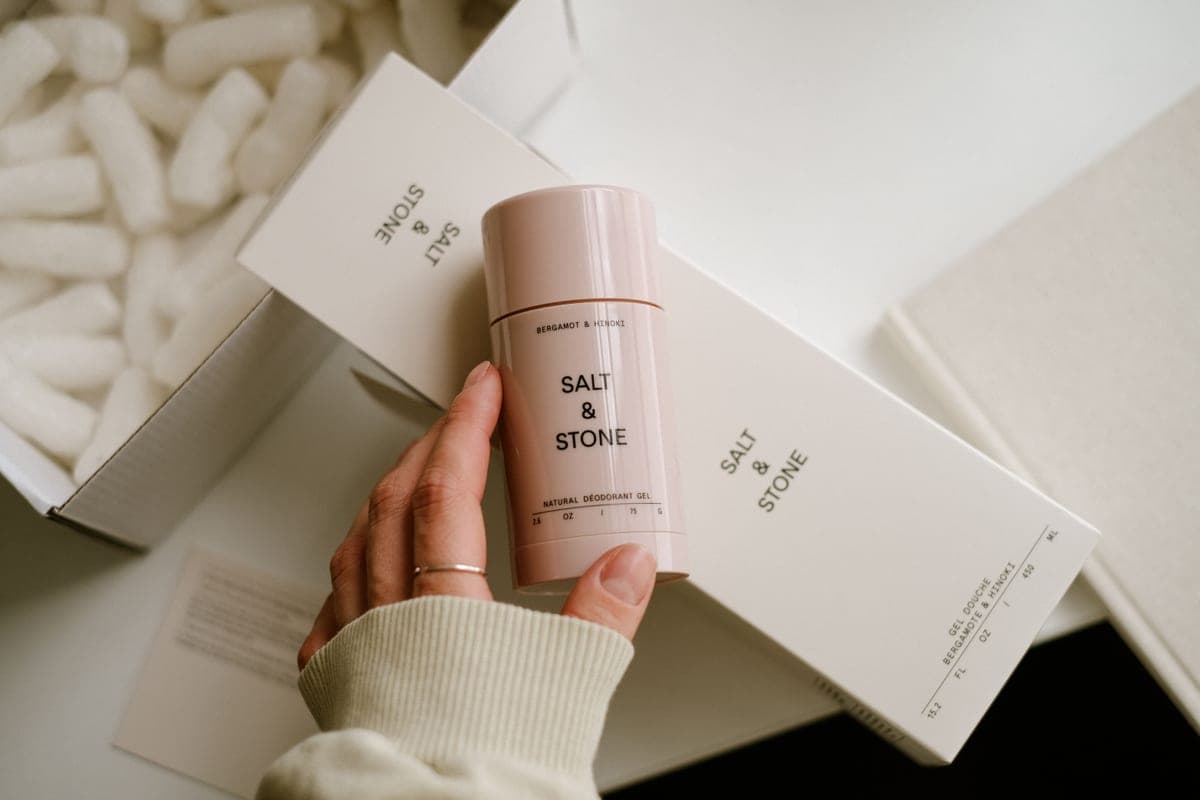
A deodorant addresses odor. An antiperspirant temporarily reduces sweating using an aluminum salt, which is why it is regulated as an over-the-counter drug rather than a cosmetic. Those are two product categories, not two brands of the same thing — so an aluminum-free deodorant will not keep you dry, and the ones that imply they will are setting you up to be disappointed.
Switching takes one to three weeks and most people who give up do so in week one. The other thing nobody warns you about is baking soda, the odor-control active in many natural sticks and a genuine irritant for a real minority of people. If you get a red itchy rash two weeks in, that is almost certainly what happened, and the fix is a different formulation rather than abandoning the category.
Quick picks
| # | Product | Best for | Material | Price |
|---|---|---|---|---|
| 1 | Attitude Natural DeodorantPlant-derived stick base, no aluminum salts, ingredients published. | A first switch | Plant-derived stick base | |
| 2 | Native DeodorantWidely available, with baking-soda-free formulations for people who react. | If baking soda irritated you | Coconut oil | |
| 3 | 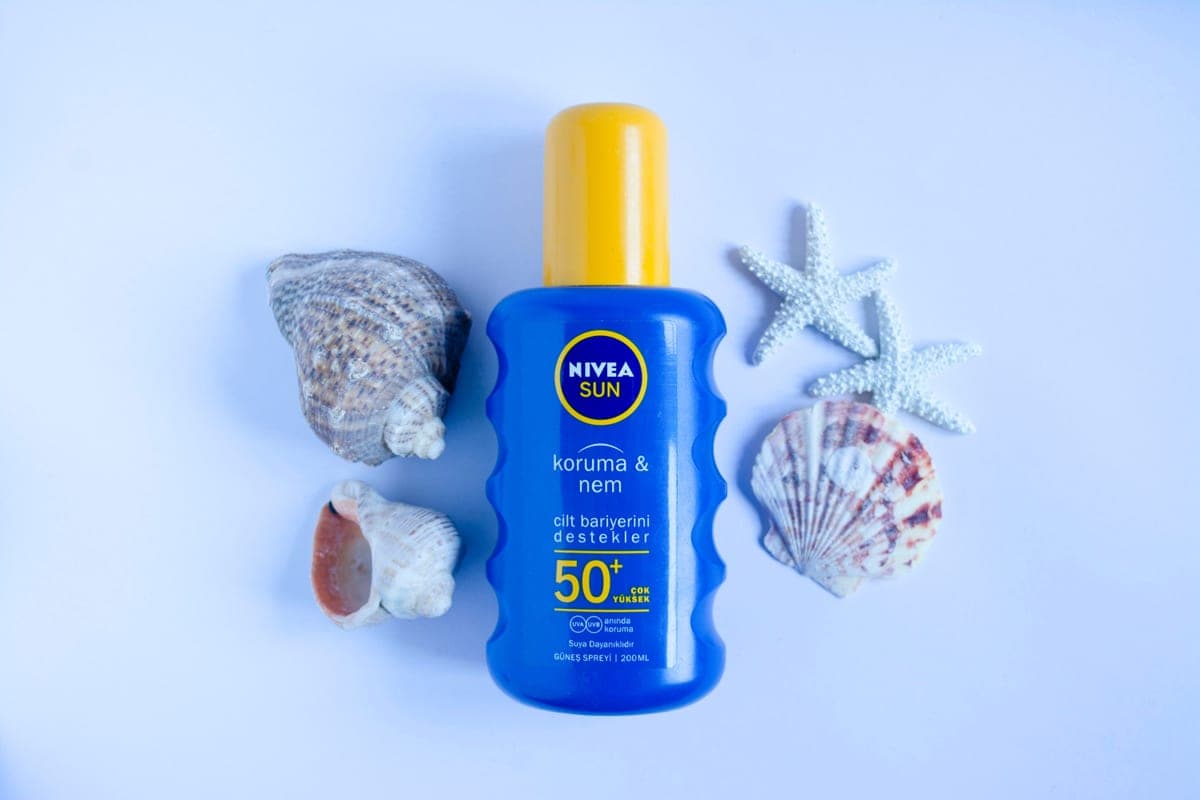 Badger Mineral Sunscreen CreamIncluded as the reference for what a genuinely short personal-care formula looks like. | The shortest-list approach generally | Non-nano zinc oxide in sunflower oil and beeswax |
Tap a row to jump to that write-up. Prices are not shown on this site because they change — the button sends you to the live Amazon listing.
How we chose these
Full ingredient disclosure, an unscented option, and a baking-soda-free variant available — because the irritation problem is the single most common reason people abandon this category. We also required the product to be honest about what it does not do.
We have not worn these. Deodorant efficacy is individual to a degree that makes any review of it close to meaningless, which is a limitation worth stating rather than papering over with confident prose.
What switching actually involves
- Expect one to three weeks during which odor is worse than you expect, as sweat volume and skin flora adjust to the absence of the aluminum plug.
- Reapply mid-day at first. Most natural deodorants are not all-day products in week one.
- If you get a red, itchy rash after a couple of weeks, suspect baking soda and switch to a baking-soda-free formulation rather than giving up.
- Do not apply straight after shaving. Freshly shaved skin is broken skin and reacts to almost everything.
- Wash the underarm properly. Odor is bacterial, so the soap matters more once you remove the antiperspirant.
What the aluminum question is and is not
An antiperspirant works by forming a temporary plug in the sweat duct with an aluminum salt. That mechanism is why it is a drug rather than a cosmetic, and it is why there is no such thing as an aluminum-free antiperspirant — remove the salt and you have removed the function.
We are not going to tell you aluminum antiperspirants are harming you, because the evidence to say that is not settled and overstating it would be the easiest thing on this page to do. What we can say plainly is that if you would rather not use one, a deodorant is the alternative and it will not keep you dry. The full comparison sets out both sides.
What we ruled out
Products marketed as "aluminum-free antiperspirant", which describes nothing that exists. Deodorants with undisclosed fragrance where no unscented version is offered. Crystal and alum-based sticks, which are potassium alum — an aluminum compound — and so do not meet the brief their marketing implies. And "detox" products sold as a necessary step when switching, which address a problem that is not real.
The picks in full
1. Best for A first switch
Attitude Natural Deodorant
Plant-derived stick base, no aluminum salts, ingredients published.
- Made of
- Plant-derived stick base, no aluminum salts
- Certified to
- Manufacturer claimManufacturer claim; no third-party certification published.
- Aluminum salts
- None
- Baking soda
- Some SKUs. Check if you react to it
- Antiperspirant
- No. It does not stop sweat
A straightforward, fully disclosed aluminum-free deodorant available in both scented and unscented versions, and in formulations with and without baking soda. For a first attempt at leaving antiperspirant that combination is what you want — a short readable list and the option to change one variable if your skin objects.
What you give up
It will not reduce sweating at all, because no deodorant does. Some SKUs contain baking soda, which irritates a minority of people — check before buying if you have reacted before.
Who it's for
Anyone making a first switch away from antiperspirant.
Who should skip it
People who need to stay visibly dry, where an antiperspirant is the only product that works.
2. Best for If baking soda irritated you
Native Deodorant
Widely available, with baking-soda-free formulations for people who react.
- Made of
- Coconut oil, shea butter, tapioca starch, baking soda in most SKUs
- Certified to
- Manufacturer claimManufacturer claim; no third-party certification published.
- Aluminum salts
- None
- Baking soda
- In most scents; sensitive-skin versions omit it
- Fragrance
- Scented and unscented
This is the pick for the specific and very common failure case: someone tries a natural deodorant, gets an underarm rash after two weeks, and concludes the whole category does not work for them. The sensitive formulations omit baking soda and usually resolve it. Being stocked everywhere also matters when you need a replacement mid-trip.
What you give up
Still a deodorant, so no sweat reduction. Scented versions carry a fragrance mixture that is not itemized — the unscented version avoids that.
Who it's for
People who reacted to baking soda, and anyone who wants to buy it in a supermarket.
Who should skip it
Anyone needing dryness.
3. Best for The shortest-list approach generally
Badger Mineral Sunscreen Cream
Included as the reference for what a genuinely short personal-care formula looks like.
- Made of
- Non-nano zinc oxide in sunflower oil and beeswax
- Certified to
- Manufacturer claimManufacturer claim; no third-party certification published.
- Active
- Zinc oxide
- Ingredient count
- Very short
- Texture
- Thick. Warm it in your hands
Deodorant formulas vary enormously in length, and the useful comparison is with a product category where very short lists are normal. A zinc oxide sunscreen in sunflower oil and beeswax is about as short as a personal-care formula gets — that is the bar worth holding deodorant to.
What you give up
This is a sunscreen, not a deodorant. It is here as a reference point, not an underarm product.
Who it's for
Anyone judging formula length across personal care.
Who should skip it
People looking only for deodorant — the two above are the products.
How we chose, and what we did not do
Every product on this page was checked against its published material composition and its third-party certifications, with each claim labeled as certified, manufacturer-stated or independently tested by a named party. We do not run a lab and we do not claim to have used these products — the full method is here.
Questions people actually ask
Does natural deodorant actually work?
For odor, yes, for most people, after an adjustment period of one to three weeks. For wetness, no — reducing sweat requires an aluminum salt, which is what makes a product an antiperspirant rather than a deodorant.
Why does natural deodorant give me a rash?
Most often baking soda, which is the odor-control active in many sticks and a genuine irritant for a minority of people. Baking-soda-free formulations usually resolve it, which is why most brands now sell them.
Is aluminum in deodorant dangerous?
The evidence is not settled, and we are not going to claim otherwise. What is clear is that the aluminum salt is the mechanism that reduces sweating, so a product without it is a deodorant and will not keep you dry.
Are crystal deodorants aluminum-free?
No. Crystal and alum sticks are potassium alum, which is an aluminum compound. If avoiding aluminum is the point, these do not meet it.
How long does the switch take?
One to three weeks, with the first week the worst. Reapplying mid-day during the transition makes it manageable.
Sources
- US FDA — Fragrances in Cosmetics — The rule that lets an entire fragrance mixture be listed as one word
- US FDA — Sunscreen: How to Help Protect Your Skin from the Sun
- EWG — Guide to Sunscreens
Read next
Beauty & Grooming
Aluminum-free deodorant vs antiperspirant
Why deodorant and antiperspirant are different product classes, and what switching actually involves.
Beauty & Grooming
How to read a cosmetics ingredient list
How INCI ordering works, what one word can conceal, and the five checks worth making.
Beauty & Grooming
Parabens and phthalates, without the scare framing
What parabens and phthalates each do, how the evidence differs, and how to find them on a label.
Beauty & Grooming
Best non-toxic sunscreens
Mineral sunscreens using the actives FDA proposed as GRASE, with the white cast stated plainly.
Written by Selena H., owner of Glass & Cotton.