Beauty & Grooming
Aluminum-free deodorant vs antiperspirant
These are two different product categories, and the phrase aluminum-free antiperspirant describes nothing that exists.
Last reviewed October 13, 2026 — Selena H.
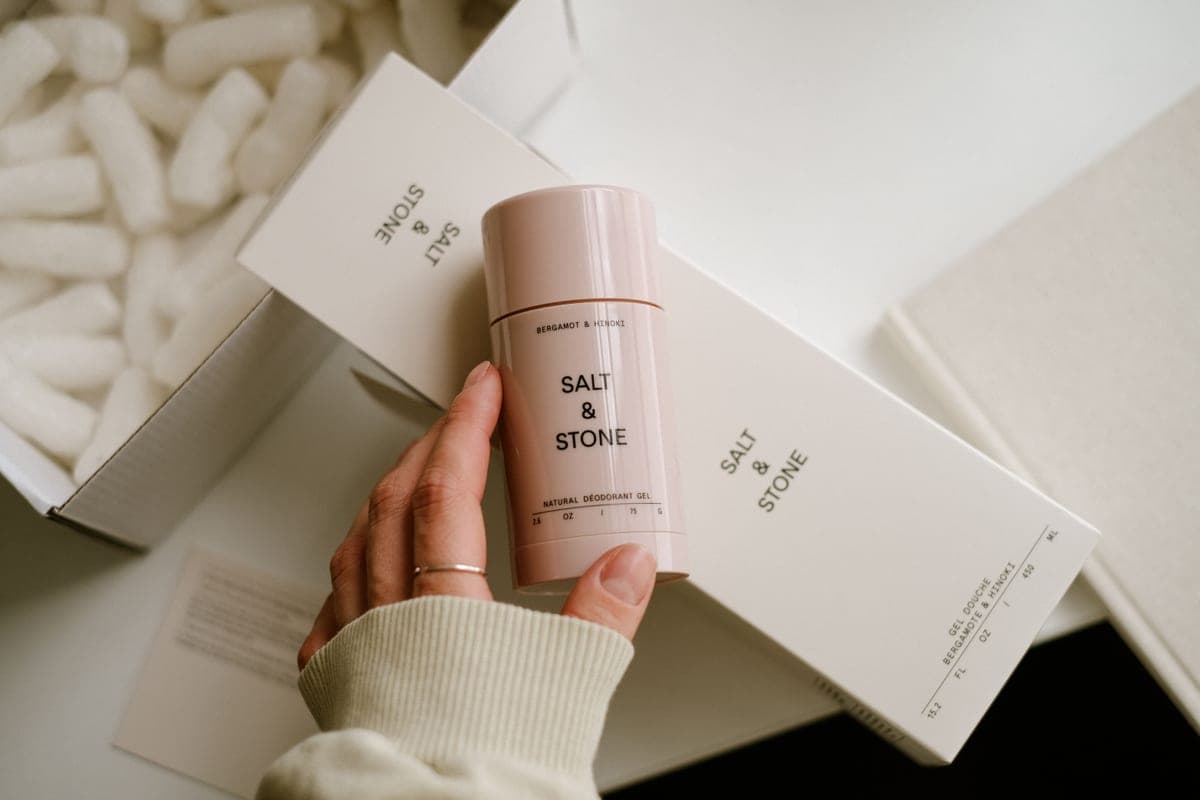
The verdict. If you want to stop smelling, a deodorant does that and an aluminum-free one works for most people after an adjustment period. If you want to stop sweating, only an antiperspirant does that, and it does it with an aluminum salt — there is no aluminum-free antiperspirant, because blocking the duct is what the aluminum salt does.
So this is not really a safety comparison. It is a comparison of two product categories that solve different problems, one of which is regulated as an over-the-counter drug for that reason.
Quick picks
| # | Product | Best for | Material | Price |
|---|---|---|---|---|
| 1 | Attitude Natural DeodorantA plant-derived stick with no aluminum salts and a published ingredient list. | Fully listed formula | Plant-derived stick base | |
| 2 | Native DeodorantWidely available, with baking-soda-free versions for people who react. | Sensitive-skin options | Coconut oil |
Tap a row to jump to that write-up. Prices are not shown on this site because they change — the button sends you to the live Amazon listing.
The specification, side by side
| Aluminum-free deodorant | Antiperspirant | |
|---|---|---|
| What it does | Addresses odor | Temporarily reduces sweating |
| Active | Baking soda, magnesium hydroxide, zinc salts, plant acids | An aluminum salt |
| Regulatory class | Cosmetic | Over-the-counter drug |
| Stops wetness | No | Yes, substantially |
| Adjustment period | Usually 1-3 weeks | None |
| Common irritant | Baking soda, in a real minority of people | Less commonly reported |
| Reapplication | Often needed | Usually once daily, sometimes nightly |
Why there is no aluminum-free antiperspirant
An antiperspirant works by forming a temporary plug in the sweat duct, and the aluminum salt is what forms the plug. Remove it and you have removed the mechanism — which is why a product cannot be both aluminum-free and an antiperspirant, and why the FDA regulates antiperspirants as drugs while deodorants are cosmetics.
Any natural deodorant promising dryness is overpromising, and that single mismatch of expectation is behind most disappointed switching stories.
What switching actually involves
One to three weeks during which you will probably smell more than you expect, because your skin's bacterial balance and your sweat volume are both adjusting to the absence of the plug. Most people who abandon the switch do so in week one.
The other common failure is baking soda irritation. It is the odor-control active in many natural sticks and a genuine irritant for a real minority of people, which is why most brands now sell a sensitive version without it. If you get a red, itchy underarm rash two weeks in, that is almost certainly what happened — switch formulations rather than giving up.
Choose a deodorant if...
- Odor is the problem you are solving.
- You would rather not use an aluminum salt, for whatever reason you hold.
- You can tolerate a few weeks of adjustment.
Choose an antiperspirant if...
- Wetness is the actual problem — visible marks on clothing, work situations where it matters.
- You have tried deodorants and found them insufficient for your sweat volume.
- You want a once-daily product with no adjustment period.
A third option worth knowing
Both, at different times. An antiperspirant for the occasions where dryness matters and a deodorant the rest of the week is a completely coherent approach, and it is what a lot of people actually do rather than treating this as an identity.
The picks in full
1. Best for Fully listed formula
Attitude Natural Deodorant
A plant-derived stick with no aluminum salts and a published ingredient list.
- Made of
- Plant-derived stick base, no aluminum salts
- Certified to
- Manufacturer claimManufacturer claim; no third-party certification published.
- Aluminum salts
- None
- Baking soda
- Some SKUs. Check if you react to it
- Antiperspirant
- No. It does not stop sweat
A straightforward aluminum-free deodorant with its ingredients disclosed, available in formulations with and without baking soda.
What you give up
It will not stop sweat, and some SKUs contain baking soda, which irritates a minority of people.
Who it's for
A first switch away from antiperspirant.
Who should skip it
Anyone who needs to stay dry.
2. Best for Sensitive-skin options
Native Deodorant
Widely available, with baking-soda-free versions for people who react.
- Made of
- Coconut oil, shea butter, tapioca starch, baking soda in most SKUs
- Certified to
- Manufacturer claimManufacturer claim; no third-party certification published.
- Aluminum salts
- None
- Baking soda
- In most scents; sensitive-skin versions omit it
- Fragrance
- Scented and unscented
The practical pick for anyone who tried a natural deodorant, got an underarm rash and concluded the category does not work for them. The baking-soda-free formulations usually solve it.
What you give up
Still a deodorant, so no sweat reduction. Scented versions carry fragrance.
Who it's for
People who reacted to baking soda.
Who should skip it
Anyone wanting dryness.
How we chose, and what we did not do
Every product on this page was checked against its published material composition and its third-party certifications, with each claim labeled as certified, manufacturer-stated or independently tested by a named party. We do not run a lab and we do not claim to have used these products — the full method is here.
Questions people actually ask
Does aluminum-free deodorant stop sweat?
No. Blocking sweat is what an aluminum-salt antiperspirant does, which is why antiperspirants are regulated as over-the-counter drugs. A deodorant addresses odor only.
Is there such a thing as an aluminum-free antiperspirant?
No. The aluminum salt is the mechanism that temporarily plugs the sweat duct, so removing it removes the function. A product without it is a deodorant.
How long does switching to natural deodorant take?
Usually one to three weeks, during which odor is often worse before it settles. Most people who give up do so in the first week.
Why does natural deodorant give me a rash?
Most often baking soda, which is the odor-control active in many sticks and a genuine irritant for a minority of people. Brands sell baking-soda-free versions for exactly this reason.
Sources
- US FDA — Sunscreen: How to Help Protect Your Skin from the Sun
- US FDA — Fragrances in Cosmetics — The rule that lets an entire fragrance mixture be listed as one word
- EWG — Guide to Sunscreens
Read next
Beauty & Grooming
Best non-toxic deodorants
Aluminum-free deodorants that work, the two-week adjustment, and the baking-soda irritation problem.
Beauty & Grooming
Parabens and phthalates, without the scare framing
What parabens and phthalates each do, how the evidence differs, and how to find them on a label.
Beauty & Grooming
How to read a cosmetics ingredient list
How INCI ordering works, what one word can conceal, and the five checks worth making.
Beauty & Grooming
Mineral vs chemical sunscreen
The FDA's 2021 GRASE positions on each sunscreen active, and what the white cast actually costs you.
Written by Selena H., owner of Glass & Cotton.