Beauty & Grooming
Mineral vs chemical sunscreen
One group has a settled regulatory status. The other is awaiting data. Neither of those is the same as a safety verdict.
Last reviewed October 13, 2026 — Selena H.
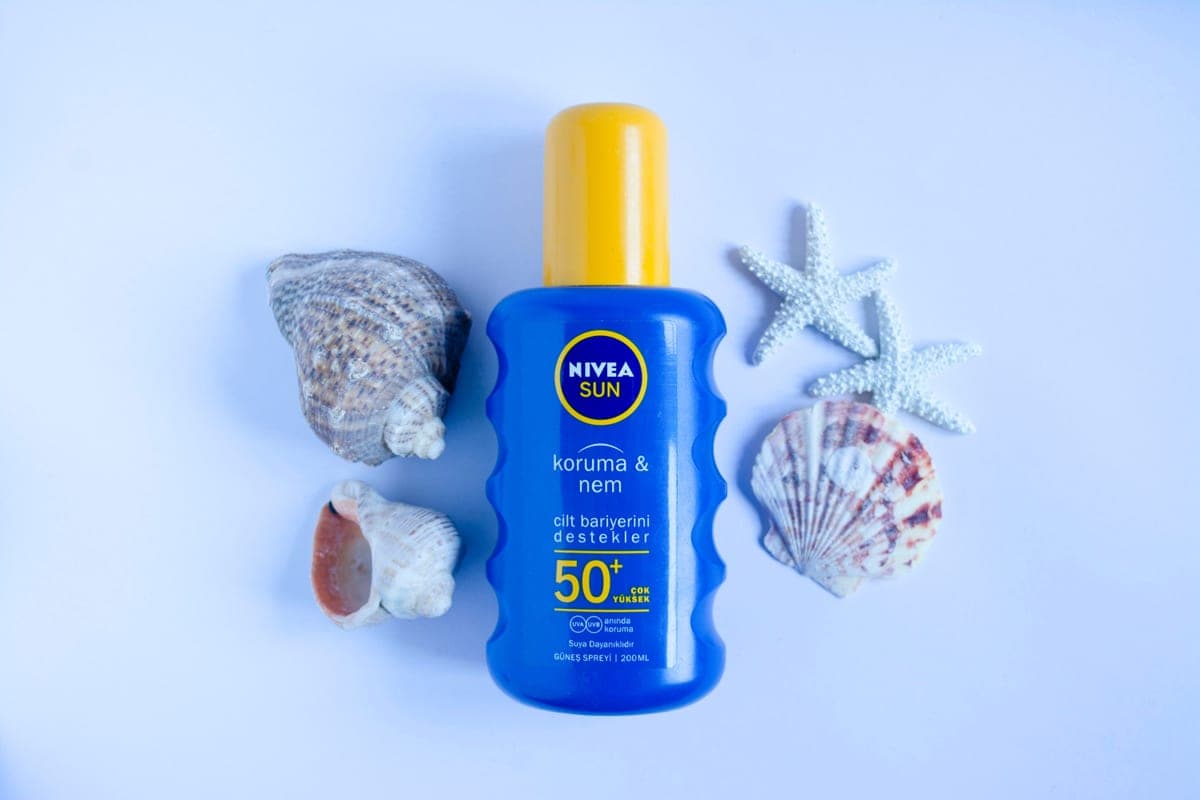
The verdict. Buy mineral if you want the option the regulator has already placed in the settled column: in its 2021 proposed order the FDA said sunscreens containing zinc oxide and titanium dioxide would be classified as GRASE — generally recognized as safe and effective. Buy a chemical sunscreen if cosmetic finish is what determines whether you actually wear it, because the sunscreen you apply beats the one you avoid.
The crucial framing: for twelve other common actives — including oxybenzone, avobenzone, homosalate, octinoxate, octisalate and octocrylene — the FDA said more safety data are needed before it can make a final determination. "More data needed" is not "unsafe", and translating it into one is the most common error in this whole category.
Quick picks
| # | Product | Best for | Material | Price |
|---|---|---|---|---|
| 1 | Thinksport Mineral Sunscreen SPF 5020% non-nano zinc oxide — the active FDA proposed as GRASE. | Mineral, high zinc | 20% non-nano zinc oxide in a mineral base | |
| 2 | Badger Mineral Sunscreen CreamNon-nano zinc oxide in sunflower oil and beeswax. Very few ingredients. | Shortest ingredient list | Non-nano zinc oxide in sunflower oil and beeswax |
Tap a row to jump to that write-up. Prices are not shown on this site because they change — the button sends you to the live Amazon listing.
The specification, side by side
| Mineral | Chemical | |
|---|---|---|
| Actives | Zinc oxide, titanium dioxide | Oxybenzone, avobenzone, octinoxate, octocrylene and others |
| FDA 2021 proposed status | Proposed GRASE | More safety data needed for twelve actives |
| How it works | Sits on the skin, scatters and absorbs UV | Absorbs UV in the skin and converts it to heat |
| White cast | Yes, inherent | No |
| Feel | Thicker | Lighter |
| Reef claims | Often marketed as reef-safer | Oxybenzone and octinoxate restricted in some jurisdictions |
| Stings eyes | Less | More, commonly reported |
| Not GRASE at all | — | PABA and trolamine salicylate were proposed as not GRASE |
What the FDA actually said
In the proposed order announced on 24 September 2021, zinc oxide and titanium dioxide would be classified GRASE. For oxybenzone, avobenzone, homosalate, octinoxate, octisalate, octocrylene and ensulizole among others, the agency stated that additional data are required before a final GRASE determination can be made. Aminobenzoic acid (PABA) and trolamine salicylate were proposed as not GRASE on safety grounds.
That order had not been finalized at the time of writing, so this is a proposed position rather than a settled rule. It is still the most useful single piece of information in this comparison, because it tells you where the regulator's own uncertainty sits.
The white cast is not negotiable
A mineral sunscreen that leaves no white cast has achieved that through tinting or particle engineering, not by escaping physics. Zinc oxide is white and sits on the skin; that is how it works.
This matters because the best sunscreen is the one you will actually apply every day. If a thick white formula means you skip it, a chemical sunscreen you will wear protects you far better than a mineral one in the cupboard. We would rather say that plainly than sell you an unworn product.
Choose mineral if...
- You want the actives the FDA has already proposed as GRASE.
- You have reactive skin, where mineral formulas are often better tolerated.
- It is for a child, where caution is cheap and reasonable.
- You can live with a white cast or a tinted formula.
Choose chemical if...
- Cosmetic finish is what determines whether you wear sunscreen at all.
- You need high protection under makeup.
- You are swimming or sweating heavily and want a lighter water-resistant formula.
A third option worth knowing
Shade, a hat and long sleeves, which are the only sun-protection options with no ingredient list at all and which outperform any sunscreen for sustained exposure. Sunscreen is for the skin you cannot cover, and treating it as the whole strategy is how people get burned through SPF 50.
The picks in full
1. Best for Mineral, high zinc
Thinksport Mineral Sunscreen SPF 50
20% non-nano zinc oxide — the active FDA proposed as GRASE.
- Made of
- 20% non-nano zinc oxide in a mineral base
- Certified to
- Manufacturer claimManufacturer claim; no third-party certification published.
- Active
- Zinc oxide 20%
- FDA status
- Zinc oxide proposed as GRASE in the 2021 order
- White cast
- Yes, like every real mineral formula
A high-percentage zinc formula with a short ingredient list, in the group whose regulatory status is already settled in the 2021 proposed order.
What you give up
A white cast, and a thicker texture than any chemical sunscreen. That is inherent to zinc.
Who it's for
Daily use, children, reactive skin.
Who should skip it
Anyone who wants an invisible finish under makeup.
2. Best for Shortest ingredient list
Badger Mineral Sunscreen Cream
Non-nano zinc oxide in sunflower oil and beeswax. Very few ingredients.
- Made of
- Non-nano zinc oxide in sunflower oil and beeswax
- Certified to
- Manufacturer claimManufacturer claim; no third-party certification published.
- Active
- Zinc oxide
- Ingredient count
- Very short
- Texture
- Thick. Warm it in your hands
If a short, legible list is what you are shopping for, this is the shortest in the category — zinc oxide in a simple oil and wax base.
What you give up
Thick enough that you have to warm it in your hands, and a pronounced white cast.
Who it's for
Minimal formulas and sensitive skin.
Who should skip it
Face use under makeup.
How we chose, and what we did not do
Every product on this page was checked against its published material composition and its third-party certifications, with each claim labeled as certified, manufacturer-stated or independently tested by a named party. We do not run a lab and we do not claim to have used these products — the full method is here.
Questions people actually ask
Is mineral sunscreen safer than chemical?
It is the option the FDA has already proposed as generally recognized as safe and effective. For twelve other common actives the agency said more data are needed, which is a statement about evidence rather than a finding of harm.
Which sunscreen ingredients did the FDA say are not safe?
PABA (aminobenzoic acid) and trolamine salicylate were proposed as not GRASE. Oxybenzone, avobenzone, homosalate, octinoxate, octisalate, octocrylene and ensulizole were flagged as needing more data.
Does mineral sunscreen have to leave a white cast?
Yes, unless it is tinted or uses engineered particle sizes. Zinc oxide is white and sits on the skin surface, which is how it works.
Is a sunscreen you do not wear better than a chemical one?
No, and this is the honest limit of the mineral argument. The best sunscreen is the one you apply daily; a lighter chemical formula you actually wear protects you better than a thick mineral one you avoid.
Sources
Read next
Beauty & Grooming
Best non-toxic sunscreens
Mineral sunscreens using the actives FDA proposed as GRASE, with the white cast stated plainly.
Beauty & Grooming
How to read a cosmetics ingredient list
How INCI ordering works, what one word can conceal, and the five checks worth making.
Beauty & Grooming
PFAS in cosmetics: the names to search for
The fluorinated ingredient names that appear in cosmetics, which products carry them, and how to check.
Beauty & Grooming
Best non-toxic deodorants
Aluminum-free deodorants that work, the two-week adjustment, and the baking-soda irritation problem.
Written by Selena H., owner of Glass & Cotton.