Cleaning & Laundry
Powder vs liquid laundry detergent
Powder wins on ingredient lists. Liquid wins on cold water. Those are the two things that actually differ.
Last reviewed October 13, 2026 — Selena H.
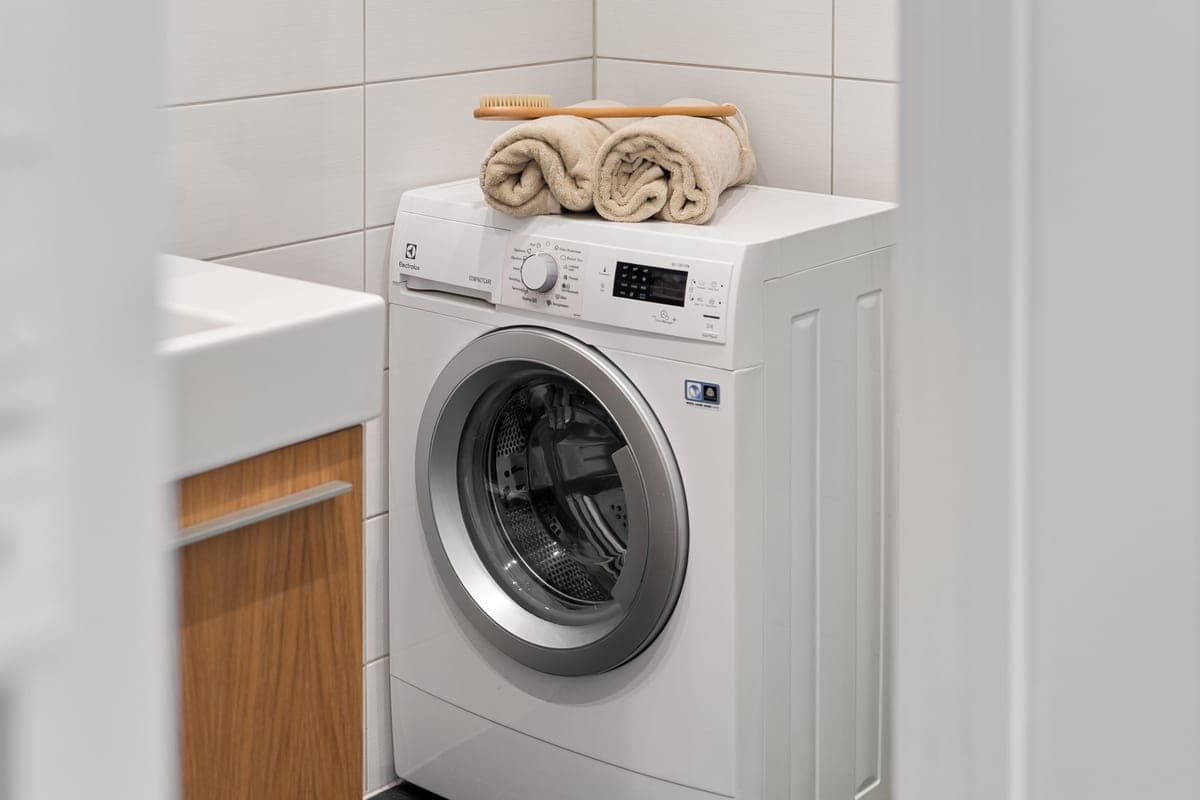
The verdict. Buy powder if a short, fully disclosed ingredient list is what you are shopping for — a powder needs no preservatives, no viscosity modifiers and no solubilizers, which is why the cleanest formulas in this category are usually powders with four or five ingredients. Buy liquid if you wash mostly in cold water or your machine dispenses badly, because undissolved powder leaves residue and does nothing for the wash.
Both can be good. The thing to avoid in either format is optical brighteners and heavy fragrance, which are the two additives designed to stay on the fabric.
Quick picks
| # | Product | Best for | Material | Price |
|---|---|---|---|---|
| 1 | Molly's Suds Laundry PowderFive declared ingredients and no optical brighteners, per the brand. | Powder | Sodium carbonate | |
| 2 | Attitude Laundry DetergentPlant- and mineral-sourced surfactants, available unscented. | Liquid | Plant- and mineral-sourced surfactants | |
| 3 | Charlie's Soap Laundry PowderA very short powder formula with an unusually small dose per load. | Smallest dose | Washing soda |
Tap a row to jump to that write-up. Prices are not shown on this site because they change — the button sends you to the live Amazon listing.
The specification, side by side
| Powder | Liquid | |
|---|---|---|
| Typical ingredient count | 4-8 | 10-20 |
| Preservatives | Not needed | Needed — it contains water |
| Viscosity modifiers | None | Usually present |
| Cold-water performance | Weaker; can leave residue | Better |
| Cost per load | Lower | Higher |
| Packaging | Cardboard or tub | Plastic jug |
| Stain pre-treatment | Awkward | Easy — apply directly |
| Dosing | A scoop, easy to over-dose | Cap markings, easy to over-dose |
Why powder lists are shorter
A liquid detergent is mostly water, and water in a bottle needs a preservative system to stop it growing things. It also needs thickeners so it pours correctly and solubilizers to keep the surfactants and fragrance in solution. None of that cleans anything; it exists because the product is a liquid.
A powder has none of those requirements, which is why genuinely short formulas exist in powder form: washing soda, sodium bicarbonate, a surfactant, sometimes magnesium sulfate. Four or five ingredients, all declared, nothing doing a formulation job rather than a cleaning job.
What to avoid in either format
- Optical brighteners. Dyes engineered to stay on fabric and fluoresce under UV so clothes look whiter. They are additives that remain against your skin by design.
- Heavy fragrance. Laundry scent is formulated to persist through drying, which makes it the one fragrance you cannot walk away from. FDA's labeling rules let a whole fragrance mixture be declared as one word.
- Fabric softener, which coats fibers and reduces absorbency — and is the main cause of "my towels stopped drying me".
- Over-dosing, which is the most common laundry mistake in either format and leaves residue in the fabric.
Choose powder if...
- You want the shortest, most legible ingredient list available.
- You wash warm or hot.
- You want the lowest cost per load.
- You would rather have cardboard than a plastic jug.
Choose liquid if...
- You wash in cold water, which is most people most of the time.
- Your machine's dispenser handles powder badly, which many do.
- You pre-treat stains directly on the fabric.
- You have hard water and have seen powder residue before.
A third option worth knowing
Sheets and pods are the format that solves dosing and nothing else: the ingredient list is usually as long as a liquid's plus a film-forming polymer to hold the shape. They are convenient, and they are not the clean-formula answer they are marketed as. The detergent picks explain why.
The picks in full
1. Best for Powder
Molly's Suds Laundry Powder
Five declared ingredients and no optical brighteners, per the brand.
- Made of
- Sodium carbonate, sodium bicarbonate, magnesium sulfate, sodium coco-sulfate
- Certified to
- Manufacturer claimManufacturer claim; no third-party certification published.
- Format
- Powder
- Ingredient count
- Five, fully listed
- Optical brighteners
- None per the brand
The short-formula argument made concrete: sodium carbonate, sodium bicarbonate, magnesium sulfate and sodium coco-sulfate, fully listed, with no preservative system because it does not need one.
What you give up
Cold-water performance is weaker than a liquid, and powder can leave residue in hard water or a poor dispenser.
Who it's for
Warm washes and short ingredient lists.
Who should skip it
Cold-only washing.
2. Best for Liquid
Attitude Laundry Detergent
Plant- and mineral-sourced surfactants, available unscented.
- Made of
- Plant- and mineral-sourced surfactants, water
- Certified to
- Manufacturer claimManufacturer claim; no third-party certification published.
- Format
- Liquid
- Fragrance
- Unscented version available
- HE
- Yes
The liquid side done reasonably: ingredients fully listed, an unscented version available, and the cold-water performance a liquid gives you.
What you give up
A longer ingredient list than any powder, because a liquid needs preservatives and thickeners. Plastic packaging.
Who it's for
Cold washing and direct stain treatment.
Who should skip it
Anyone shopping purely on ingredient count.
3. Best for Smallest dose
Charlie's Soap Laundry Powder
A very short powder formula with an unusually small dose per load.
- Made of
- Washing soda, sodium metasilicate, a biodegradable detergent
- Certified to
- Manufacturer claimManufacturer claim; no third-party certification published.
- Format
- Powder
- Fragrance
- None
- Note
- Very small dose per load
Fragrance-free, short, and the dose is small enough that one container lasts a long time — which is both a cost and a residue advantage.
What you give up
No stain-fighting enzymes, and no scent at all if you like scent.
Who it's for
Fragrance-free households.
Who should skip it
Heavy stain treatment.
How we chose, and what we did not do
Every product on this page was checked against its published material composition and its third-party certifications, with each claim labeled as certified, manufacturer-stated or independently tested by a named party. We do not run a lab and we do not claim to have used these products — the full method is here.
Questions people actually ask
Is powder detergent better than liquid?
For ingredient simplicity, yes: a powder needs no preservatives, thickeners or solubilizers, so the cleanest formulas in this category are powders with four or five declared ingredients. For cold-water washing, liquid performs better.
Does powder detergent leave residue?
It can, in cold water, hard water or a poor dispenser. Dissolving it in warm water first, or dosing less, generally fixes it.
What are optical brighteners?
Dyes designed to remain on fabric and fluoresce under UV light so clothes appear whiter. They are not cleaning agents, and they stay against your skin by design.
Are laundry sheets or pods a cleaner option?
Not usually. Their ingredient lists are typically as long as a liquid's, plus a film-forming polymer to hold the format together. What they solve is dosing and storage.
Sources
- US FDA — Fragrances in Cosmetics — The rule that lets an entire fragrance mixture be listed as one word
- US EPA — Learn About the Safer Choice Label — Every ingredient reviewed regardless of its percentage, plus a performance standard
- MADE SAFE — certified companies directory
Read next
Cleaning & Laundry
Best non-toxic laundry detergents
Detergents with the shortest declared formulas, and why powder lists beat liquid lists.
Cleaning & Laundry
What "fragrance" hides on a label, and why it is allowed
The trade-secret rule that lets fragrance be one word, where it appears, and the unscented workaround.
Cleaning & Laundry
How to read a cleaning product label
Six label checks for cleaning products, including the only number on the bottle that is regulated.

Bedding & Home
PFAS in textiles: the finish, not the fiber
Where fluorinated finishes appear in household textiles, the label words to search for, and what regulators have done.
Written by Selena H., owner of Glass & Cotton.