Cleaning & Laundry
What "fragrance" hides on a label, and why it is allowed
A single word standing in for a mixture. The rule behind it is real, documented and worth understanding rather than being outraged about.
Last reviewed October 13, 2026 — Selena H.
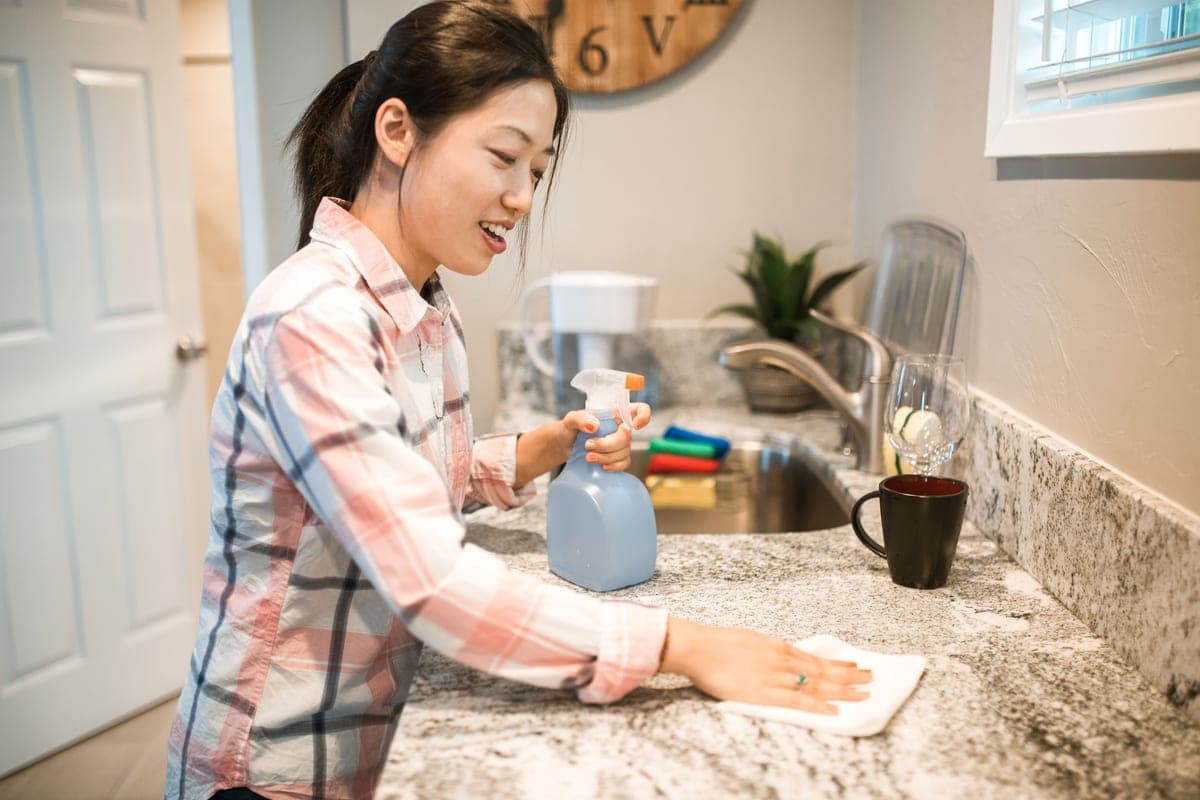
On a cosmetic label, fragrance and flavor ingredients can be listed simply as "Fragrance" or "Flavor". The reason is specific and documented: the FDA requires an ingredient list under the Fair Packaging and Labeling Act, and that Act cannot be used to force a company to reveal trade secrets. Fragrance and flavor formulas are complex mixtures and are among the cosmetic components most likely to be trade secrets.
So one word can stand for dozens of individual components, legally and by design. Household cleaning products follow the same convention. That is the whole mechanism, and understanding it points at the only reliable workaround: buy unscented.
Quick picks
| # | Product | Best for | Material | Price |
|---|---|---|---|---|
| 1 | Branch Basics ConcentrateMADE SAFE certified and fragrance-free, so there is no mixture to disclose. | Fragrance-free cleaning | Plant- and mineral-derived surfactant concentrate | |
| 2 | 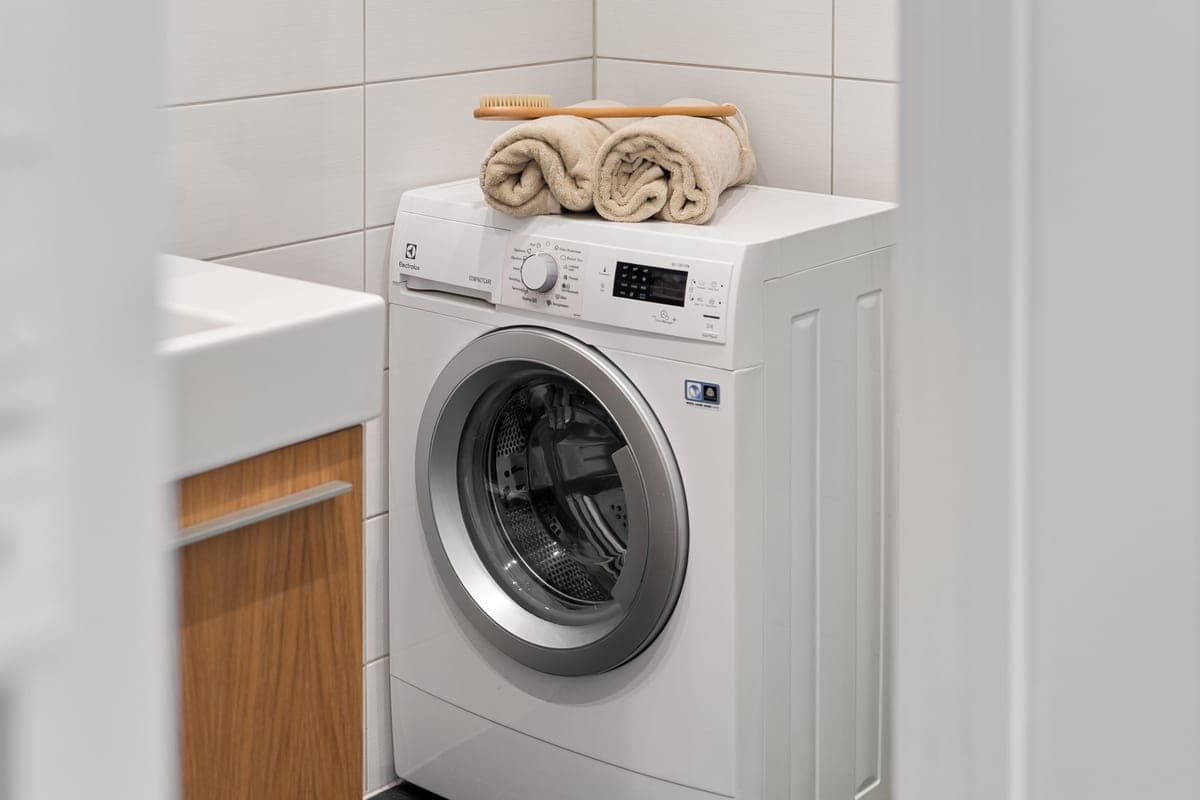 Charlie's Soap Laundry PowderA short powder formula with no fragrance and a very small dose. | Fragrance-free laundry | Washing soda | |
| 3 | 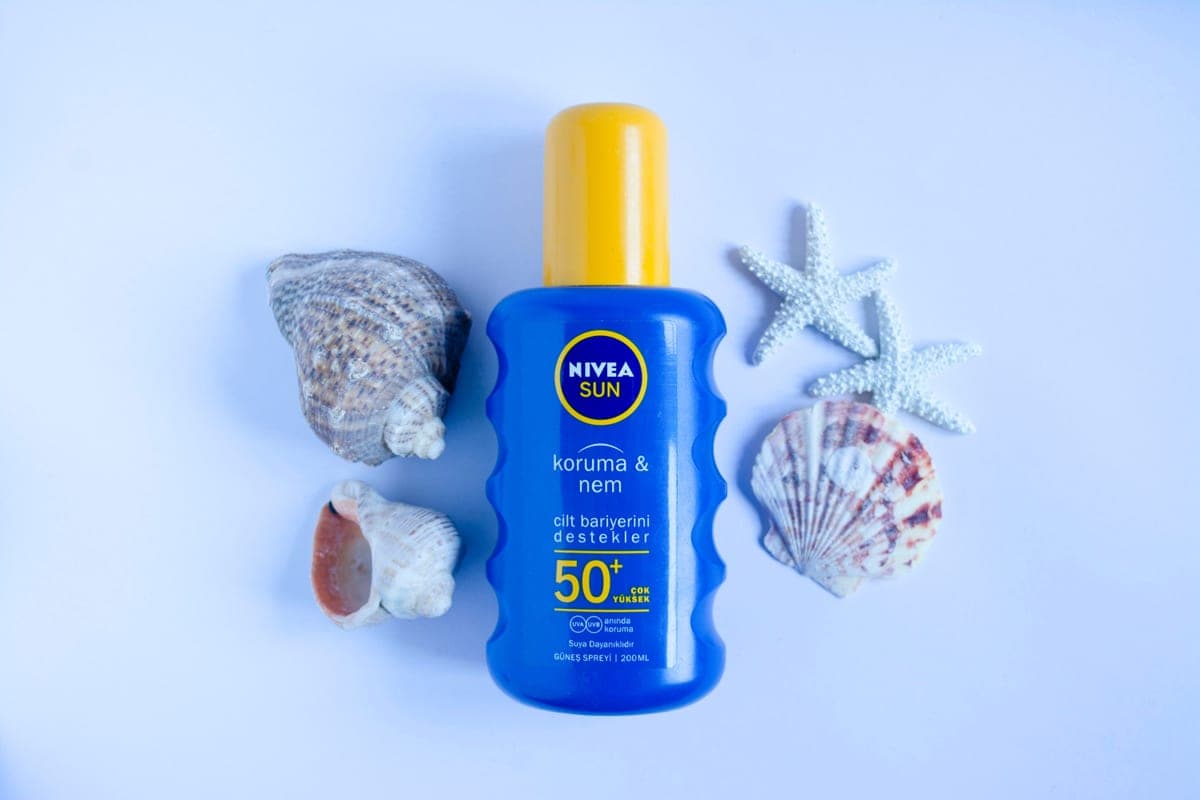 Badger Mineral Sunscreen CreamA very short mineral sunscreen formula, with nothing added for scent. | Fragrance-free personal care | Non-nano zinc oxide in sunflower oil and beeswax |
Tap a row to jump to that write-up. Prices are not shown on this site because they change — the button sends you to the live Amazon listing.
The 45-second answer
"Fragrance" on a label is a permitted single-word declaration for a mixture that may contain dozens of components, because FDA's ingredient-listing requirement cannot compel disclosure of trade secrets. It is not a loophole someone is exploiting; it is the rule. If you want to know what is in a scented product, the options are to buy from a brand that voluntarily itemizes its fragrance — some do — or to buy unscented.
Where the phthalate question comes in
Phthalates have several uses, and two are relevant here. Some are plasticizers that keep PVC flexible, which is why vinyl shower curtains and soft plastics come up elsewhere on this site. Some have historically been used in fragrance formulations as solvents and fixatives, to make a scent last.
Because a fragrance mixture can be declared as one word, a phthalate used within it would not appear separately on the label. That is the actual substance of the "fragrance hides phthalates" concern, stated precisely rather than as a slogan. Many brands now state "no phthalates" explicitly, and that is a positive claim you can at least hold them to.
Where fragrance matters most
| Category | Why it matters | The workaround |
|---|---|---|
| Laundry detergent and softener | Formulated to survive the wash and stay on fabric against your skin | Unscented, and skip softener entirely |
| Spray cleaners | Deliberately aerosolized in a small room | Unscented, and ventilate |
| Deodorant and body products | Applied to skin daily, often to broken skin after shaving | Unscented versions |
| Air fresheners and plug-ins | Continuous emission by design, with no cleaning function at all | Remove them. Ventilation is free |
| Candles | Combustion plus fragrance in an enclosed room | Fewer, shorter, ventilated |
| Dish soap | Rinsed away; brief contact | Lower priority |
Who should care most
People with asthma, migraine or fragrance sensitivity, who usually already know. Infants and young children, on a per-kilogram basis. And anyone exposed occupationally — cleaners, salon workers, nurses — for whom the repetition is the issue rather than any single exposure.
For everyone else the honest framing is that this is a reasonable, low-cost thing to reduce rather than an emergency. Unscented products cost the same as scented ones, which makes this one of the cheapest changes on this site.
What we are not claiming
We are not telling you that fragranced products are harming you, because the evidence to say that about a legally sold scented detergent is not there. What is documented is the labeling rule, which means the information simply is not available to you — and "you cannot check this" is a legitimate reason to prefer the option where there is nothing to check.
That is the whole argument on this page, and it is deliberately narrower than the version you will read elsewhere.
What to buy
Three products where the fragrance question does not arise at all.
The picks in full
1. Best for Fragrance-free cleaning
Branch Basics Concentrate
MADE SAFE certified and fragrance-free, so there is no mixture to disclose.
- Made of
- Plant- and mineral-derived surfactant concentrate, diluted at home
- Certified to
- Certified: MADE SAFEThird-party certified to MADE SAFE.
- Certification
- MADE SAFE certified concentrate
- Format
- One concentrate, several dilutions
- Fragrance
- None
No fragrance at all means no single-word declaration standing in for anything, plus a formula screened against a health-hazard list. For the product you aerosolize in a small room, that combination is the point.
What you give up
You dilute it yourself, and it is not a disinfectant.
Who it's for
Anyone acting on this guide in the cleaning cupboard.
Who should skip it
People who want a ready-to-use scented spray.
2. Best for Fragrance-free laundry
Charlie's Soap Laundry Powder
A short powder formula with no fragrance and a very small dose.
- Made of
- Washing soda, sodium metasilicate, a biodegradable detergent
- Certified to
- Manufacturer claimManufacturer claim; no third-party certification published.
- Format
- Powder
- Fragrance
- None
- Note
- Very small dose per load
Laundry is where fragrance is engineered to persist against your skin all day, so a fragrance-free detergent is the highest-value version of this change. Short formula, small dose, nothing left behind to smell of anything.
What you give up
No enzymes for set-in stains, and no scent if you like scent.
Who it's for
Sensitive skin and fragrance-free households.
Who should skip it
People who want laundry to smell of something.
3. Best for Fragrance-free personal care
Badger Mineral Sunscreen Cream
A very short mineral sunscreen formula, with nothing added for scent.
- Made of
- Non-nano zinc oxide in sunflower oil and beeswax
- Certified to
- Manufacturer claimManufacturer claim; no third-party certification published.
- Active
- Zinc oxide
- Ingredient count
- Very short
- Texture
- Thick. Warm it in your hands
Daily-applied skin products are the other place this matters. A short zinc oxide formula in sunflower oil and beeswax has little room for an undisclosed mixture.
What you give up
Thick texture and a white cast.
Who it's for
Daily sun protection without fragrance.
Who should skip it
Anyone wanting an invisible finish.
How we chose, and what we did not do
Every product on this page was checked against its published material composition and its third-party certifications, with each claim labeled as certified, manufacturer-stated or independently tested by a named party. We do not run a lab and we do not claim to have used these products — the full method is here.
Questions people actually ask
Why can companies just write fragrance on a label?
Because FDA's ingredient-listing requirement comes from the Fair Packaging and Labeling Act, which cannot be used to compel disclosure of trade secrets — and fragrance formulas are among the cosmetic components most likely to be trade secrets.
Does fragrance always contain phthalates?
No. Some phthalates have historically been used in fragrance formulations as solvents and fixatives, and because the mixture is declared as one word they would not appear separately. Many brands now state explicitly that they use none.
Is unscented the same as fragrance-free?
Not always. "Unscented" occasionally means a masking fragrance was added to neutralize a base odor. "Fragrance-free" is the stronger claim, and the ingredient list settles it.
Which fragranced products matter most?
Laundry products, because the scent is designed to stay on fabric against your skin; spray cleaners, because you aerosolize them; and daily skin products. Air fresheners are worth removing outright, since they have no function beyond emitting fragrance.
Sources
- US FDA — Fragrances in Cosmetics — The rule that lets an entire fragrance mixture be listed as one word
- US EPA — Learn About the Safer Choice Label — Every ingredient reviewed regardless of its percentage, plus a performance standard
- MADE SAFE — Branch Basics certified products
Read next
Cleaning & Laundry
How to read a cleaning product label
Six label checks for cleaning products, including the only number on the bottle that is regulated.
Cleaning & Laundry
Best non-toxic laundry detergents
Detergents with the shortest declared formulas, and why powder lists beat liquid lists.
Beauty & Grooming
Parabens and phthalates, without the scare framing
What parabens and phthalates each do, how the evidence differs, and how to find them on a label.
Cleaning & Laundry
Best non-toxic all-purpose cleaners
All-purpose cleaners with disclosed formulas and real certifications, plus what the marks actually cover.
Written by Selena H., owner of Glass & Cotton.