Kitchen & Cookware
When to replace a non-stick pan
Every coated pan has an end date. Knowing the signs is the difference between replacing it and cooking on it for another two years.
Last reviewed October 17, 2026 — Selena H.
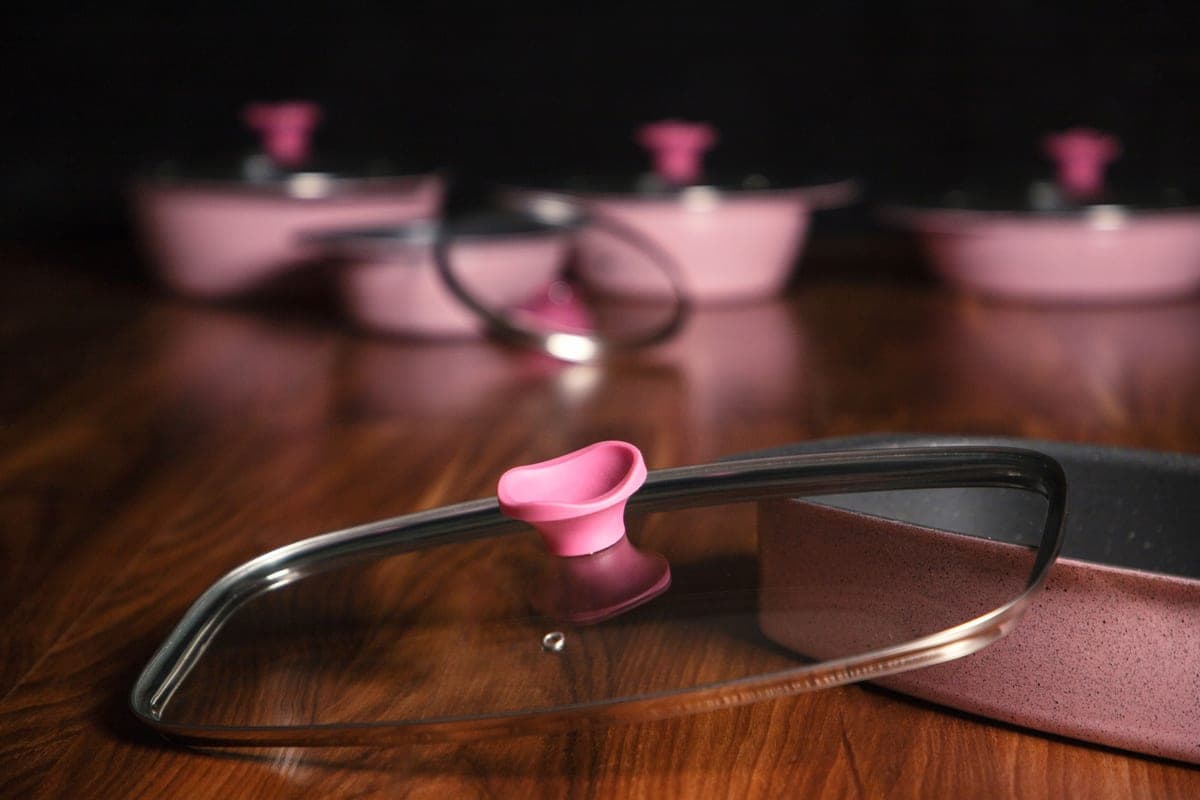
Replace a non-stick pan when food sticks to a clean pan with fat in it, when the coating is scratched through to the metal, when the surface has gone chalky or dull where it used to be glossy, when the pan has warped so it no longer sits flat, or when it has ever been heated empty until it smoked. Any one of those is enough. The first is the most common and the most ignored.
A coated pan is a consumable, which is the fact the category is least willing to state. It is not a defect that a non-stick pan stops releasing after three to five years of daily use — it is the design. What is avoidable is the pan that dies in eight months, and the cause of that is almost always heat rather than the metal spatula everyone blames.
Quick picks
| # | Product | Best for | Material | Price |
|---|---|---|---|---|
| 1 | Tramontina Tri-Ply Clad Set3-ply clad stainless, no coating, no service life, at an affordable price. | Replacing it permanently | 3-ply clad: 18/10 stainless interior | |
| 2 | 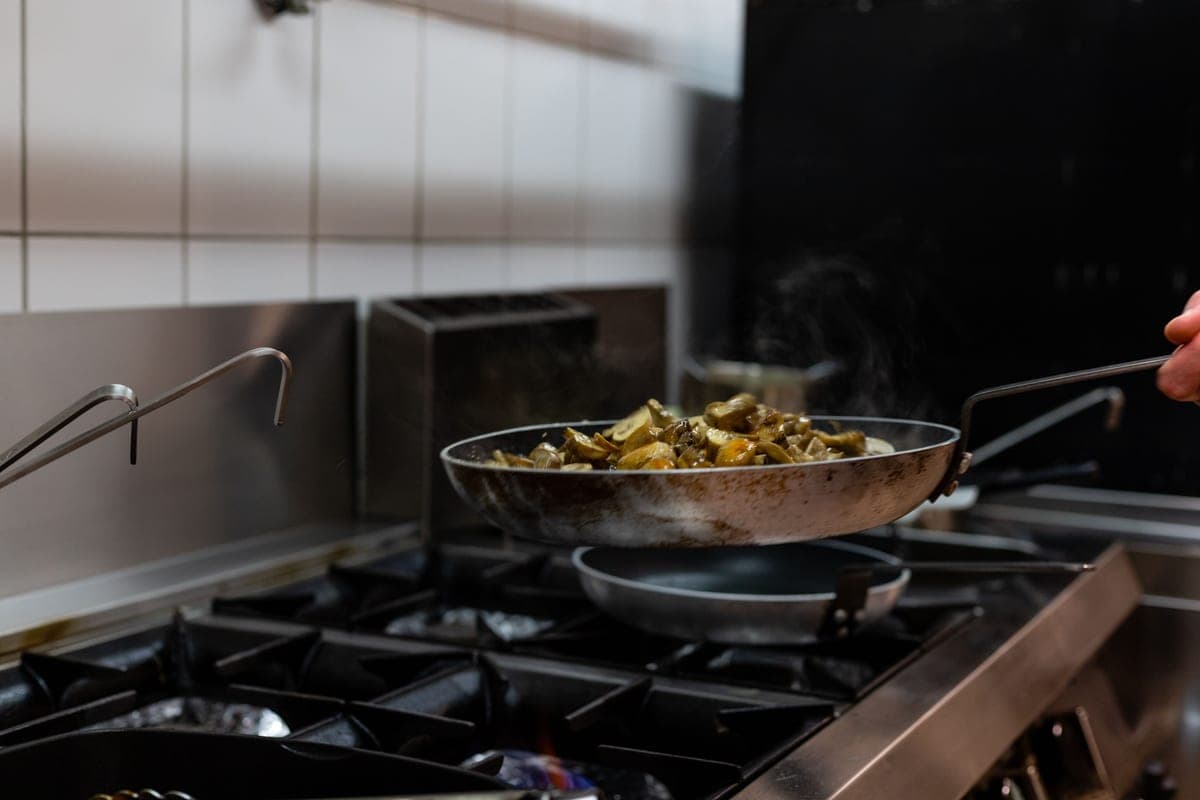 de Buyer Mineral B Carbon Steel PanCarbon steel: a seasoned surface that releases eggs and can always be repaired. | Replacing an egg pan permanently | Carbon steel with a beeswax finish applied at the factory | |
| 3 | 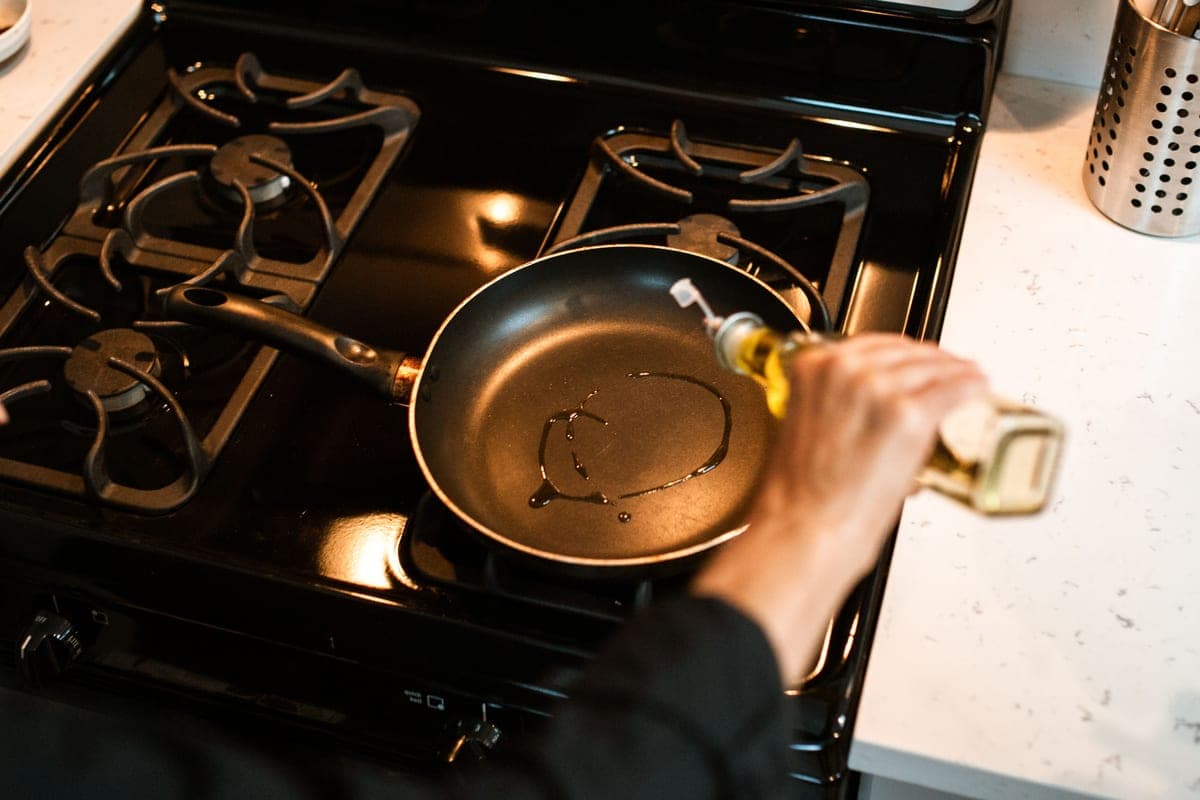 GreenPan Valencia ProCeramic on hard-anodized aluminum, rated to 600F — the most headroom in the category. | Another coated pan, with more margin | Hard-anodized aluminum body with the brand's diamond-reinforced ceramic coating |
Tap a row to jump to that write-up. Prices are not shown on this site because they change — the button sends you to the live Amazon listing.
The five signs
- Food sticks to a clean, oiled pan. The coating has lost its release. Nothing restores it — scrubbing harder makes it worse.
- You can see bare metal. A scratch through to the aluminum or steel beneath means the coating's edges are now exposed and will keep lifting.
- The surface is dull, chalky or discolored where it used to be glossy. On a ceramic coating this is the visible form of heat damage.
- The pan is warped and rocks on a flat surface. It will never make even contact again, and on a glass cooktop it barely heats.
- It has been heated empty until it smoked. A fluoropolymer coating degrades as pans pass roughly 500F, which an empty pan reaches in two or three minutes. One serious overheat is enough to retire a pan.
Heat, not scratches, is what kills most coated pans
The universal advice is to avoid metal utensils, and it is good advice — but a scratch is a localized injury, while heat degrades the entire surface at once. Reporting on the laboratory work behind fluoropolymer breakdown has been around for two decades: coatings begin degrading above roughly 500F, which is the temperature of an empty pan preheating on a high burner, a pan left on a turned-off-but-still-hot electric element, or any pan used for a hard sear.
This is also the mechanism behind the bird-death accounts covered in why PTFE is dangerous for birds and pets — an overheated coated pan in an unventilated kitchen is a genuine hazard to a bird in a way it is not to a person. If you keep birds, the rule is simpler than replacing pans at the right time: do not own coated pans.
Ceramic coatings do not share PTFE's chemistry, but they do share the heat failure mode. Heat-cycling a ceramic pan past its published rating crazes and dulls the layer, and the loss of release is permanent. A pan rated to 450F used for searing is a pan being destroyed on purpose.
The habits that shorten a coated pan's life
| Habit | What it does | Fix |
|---|---|---|
| Searing in the coated pan | Exceeds the published rating repeatedly | Sear in stainless or cast iron |
| Aerosol cooking spray | Lecithin polymerizes into a varnish detergent cannot remove | Butter or oil from a bottle |
| Preheating empty | Reaches 500F in minutes | Add fat before the heat |
| Leaving it on a hot element | Electric elements stay hot after the dial goes down | Move the pan, not the dial |
| Dishwasher | Detergent dulls the coating over time | Hand wash. It takes thirty seconds |
| Stacking pans bare | Rim of one pan scores the face of another | A cloth or pan protector between them |
| Metal utensils | Localized scratches that then spread | Wood or silicone |
Is a scratched pan dangerous, or just finished
The honest answer is that it is mostly finished rather than dangerous. An intact fluoropolymer coating at normal cooking temperatures is not understood to transfer meaningfully into food, and flakes of PTFE that do come off are inert and pass through. The reason to retire a scratched pan is that it has stopped working, the damage spreads from the scratch, and the exposed metal beneath is now in direct contact with food — including acidic food, if the base is aluminum.
The regulatory concern with the chemistry is about the class rather than the pan in your hand: EPA documents PFAS persistence and health endpoints, and FDA has determined that a set of food contact notifications related to PFAS are no longer effective. That is a reason to prefer buying uncoated next time, not a reason to panic about last night's dinner. What is PFAS separates the three terms people usually mix up.
What to replace it with
If you want the replacement to be the last one, buy uncoated: clad stainless for general cooking, or seasoned carbon steel if the pan being replaced was your egg pan. Both have no coating, so neither has a service life, and the trade is learning to preheat. If you want another coated pan, buy one with a published temperature rating and give it one job on medium heat — it will then last years rather than months.
The picks in full
1. Best for Replacing it permanently
Tramontina Tri-Ply Clad Set
3-ply clad stainless, no coating, no service life, at an affordable price.
- Made of
- 3-ply clad: 18/10 stainless interior, aluminum core, magnetic stainless exterior
- Certified to
- Manufacturer claimManufacturer claim; no third-party certification published.
- Construction
- 3-ply clad
- Cooking surface
- 18/10 stainless steel
- Coating
- None
The only way to stop replacing pans is to buy one with nothing applied to it. Clad stainless has an 18/10 cooking surface, an aluminum core running up the sides and no layer that heat or a spatula can end. Tramontina is the cheapest honest version of that construction.
What you give up
Food sticks until the preheat becomes a habit, which takes a few weeks. It will never release an egg the way the pan you are throwing away once did.
Who it's for
Anyone tired of rebuying pans.
Who should skip it
Eggs, and cooks who want release without technique.
2. Best for Replacing an egg pan permanently
de Buyer Mineral B Carbon Steel Pan
Carbon steel: a seasoned surface that releases eggs and can always be repaired.
- Made of
- Carbon steel with a beeswax finish applied at the factory
- Certified to
- Manufacturer claimManufacturer claim; no third-party certification published.
- Coating
- None. Beeswax shipping finish, then user seasoning
- Handle
- Riveted iron, not oven-limited
- Induction
- Yes
If the dead pan was the egg pan, this is the replacement with no end date. The seasoning is polymerized oil you build, so wear is reversible rather than terminal — a damaged surface gets re-seasoned instead of thrown out. Once established it releases eggs about as well as the pan it replaces did when new.
What you give up
You season it, keep it dry, and do not cook acid in it. The first few weeks are worse than a coated pan; year ten is not comparable.
Who it's for
Daily egg cooks willing to maintain a pan.
Who should skip it
Dishwasher kitchens and acidic cooking.
3. Best for Another coated pan, with more margin
GreenPan Valencia Pro
Ceramic on hard-anodized aluminum, rated to 600F — the most headroom in the category.
- Made of
- Hard-anodized aluminum body with the brand's diamond-reinforced ceramic coating
- Certified to
- Manufacturer claimManufacturer claim; no third-party certification published.
- Coating type
- Ceramic (Thermolon), no PTFE
- Oven safe
- Manufacturer states 600F
- Dishwasher
- Manufacturer states safe
If you want another coated pan, buy the one with the highest published rating, because heat is what ended the last one. 600F is real margin for the moment the pan is forgotten on a burner, and the ceramic coating avoids fluoropolymer chemistry entirely.
What you give up
Still a consumable. More margin slows the decline; it does not remove it, and the maker's own guidance is to stay off maximum heat.
Who it's for
Households that will keep buying coated pans and want to buy them less often.
Who should skip it
Anyone who wants to stop replacing pans.
How we chose, and what we did not do
Every product on this page was checked against its published material composition and its third-party certifications, with each claim labeled as certified, manufacturer-stated or independently tested by a named party. We do not run a lab and we do not claim to have used these products — the full method is here.
Questions people actually ask
How often should you replace a non-stick pan?
Three to five years with careful medium-heat use, and whenever any of the five signs appears. Pans used for searing often fail within a year, which is a heat problem rather than a quality problem.
Is it safe to use a scratched non-stick pan?
Flakes of PTFE are inert and pass through, so a scratched pan is mainly a pan that has stopped working. Retire it because the damage spreads, release is gone, and bare metal is now in food contact — not because last night's dinner was dangerous.
Can you re-coat a non-stick pan?
Not usefully at home. Consumer re-coating sprays do not bond the way a factory-cured layer does. A pan with a surface you can genuinely renew is a seasoned carbon steel or cast iron pan, where you rebuild the seasoning yourself.
Why did my new ceramic pan stop releasing so fast?
Almost always heat, or aerosol cooking spray. Ceramic coatings dull permanently when heat-cycled past their published rating, and spray lecithin polymerizes into a sticky film that detergent will not remove and that is mistaken for coating failure.
How should I dispose of an old non-stick pan?
Most curbside programs will not take a coated pan because the coating contaminates the metal stream. A scrap metal yard will usually take it. Call ahead rather than putting it in a recycling bin.
Sources
- Science News — Sticky situation: nonstick surfaces can turn toxic at high heat
- US EPA — Our Current Understanding of the Human Health and Environmental Risks of PFAS — Regulator overview of PFAS persistence and health endpoints
- US FDA — 35 food contact notifications related to PFAS are no longer effective
- PTFE toxicosis in pet birds (review, NIH PubMed Central)
- GreenPan (manufacturer)
Read next
Kitchen & Cookware
Is Teflon safe to cook with?
What the evidence actually says about PTFE: normal use, overheating, scratched pans, and birds.
Kitchen & Cookware
Is ceramic cookware safe?
What a sol-gel ceramic coating is, how it fails, and the one-to-three-year lifespan nobody publishes.
Kitchen & Cookware
Stainless steel vs nonstick cookware
Release, heat limits, leaching and cost per year compared — and the two-pan answer most kitchens land on.
Kitchen & Cookware
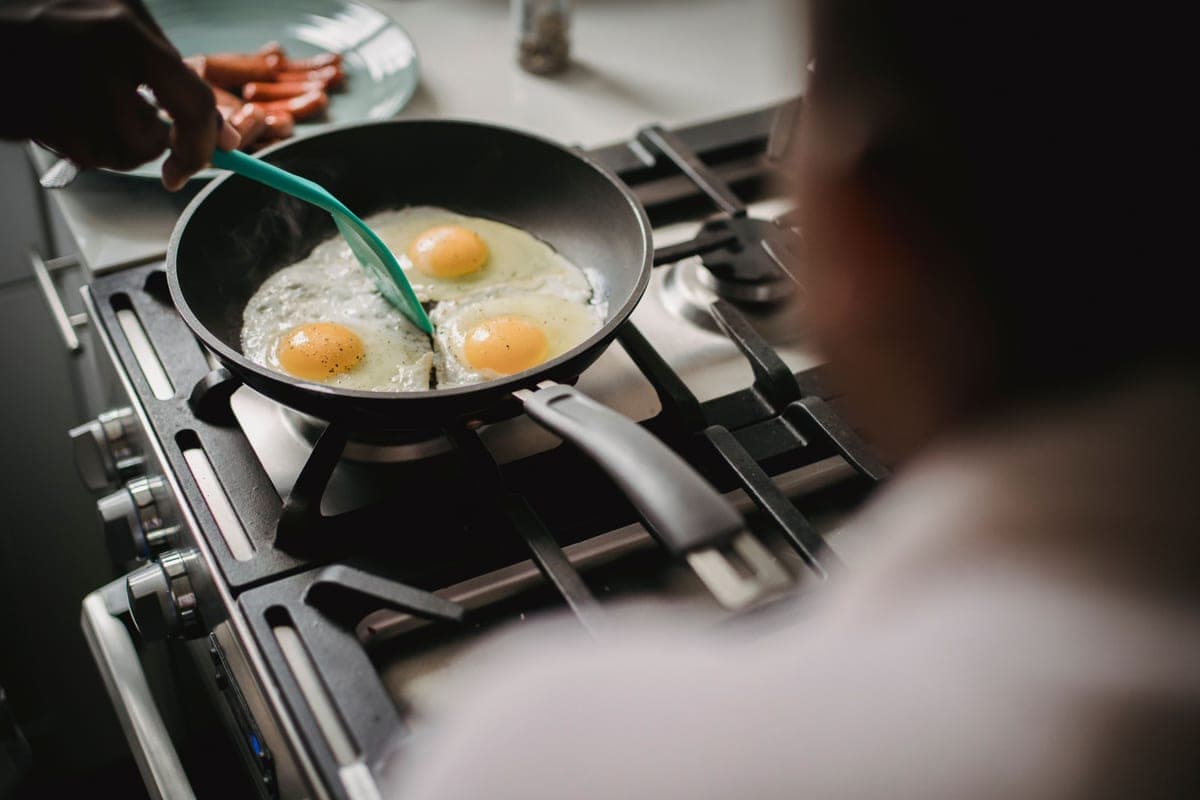
Best non-toxic pan for eggs
Four pans that release eggs without PTFE, ranked by how long each keeps working.
Written by Selena H., owner of Glass & Cotton.